You do not need a commercial license to purchase Cordura fabric, but you strictly need approval from INVISTA to use the "Cordura" trademark, hangtags, or sew-in labels on your finished bags. This requires submitting proof of purchase from an authorized mill or sending a fabric sample to INVISTA for lab verification. Without this approval, marketing your product as "Cordura" puts you at risk of trademark infringement lawsuits.
Is buying the fabric enough to legally use the Cordura brand name?
Buying the fabric does not automatically grant you the legal right to use the Cordura logo or hangtags on your finished product.
Just because a fabric supplier says it’s Cordura doesn’t mean you own the marketing rights. INVISTA (the parent company) protects their IP aggressively. To legally print "Made with Cordura" on your packaging or use their hangtag, you must validate the "Chain of Custody." If you skip this, you are just selling "Nylon 6.6," not "Cordura."
I once had a client from Sweden who printed "CORDURA" on 5,000 retail boxes without getting the T/C (Transaction Certificate) validation. Customs held the container because the paperwork didn’t match the trademark claims. We had to sticker over every single box. It was a nightmare.
What documents do you need for approval?
- Invoice from an Authorized Mill: Proof you bought from a licensed supplier (e.g., Yoonia, Huamao).
- Fabric Article Number: The specific code of the authorized fabric.
- Lot Number: For traceability.
Actionable Tip: Before you cut a single yard of fabric, ask your supplier: "Can you provide the INVISTA hangtag application link for this specific lot?" If they hesitate, it’s fake.

Getting the tags is a rigid administrative process, not a shopping trip. You cannot just buy them on Alibaba.
You must apply through the official INVISTA hangtag portal (Cordura.com), submitting your fabric invoice, style number, and brand details for verification.
What is the step-by-step workflow?
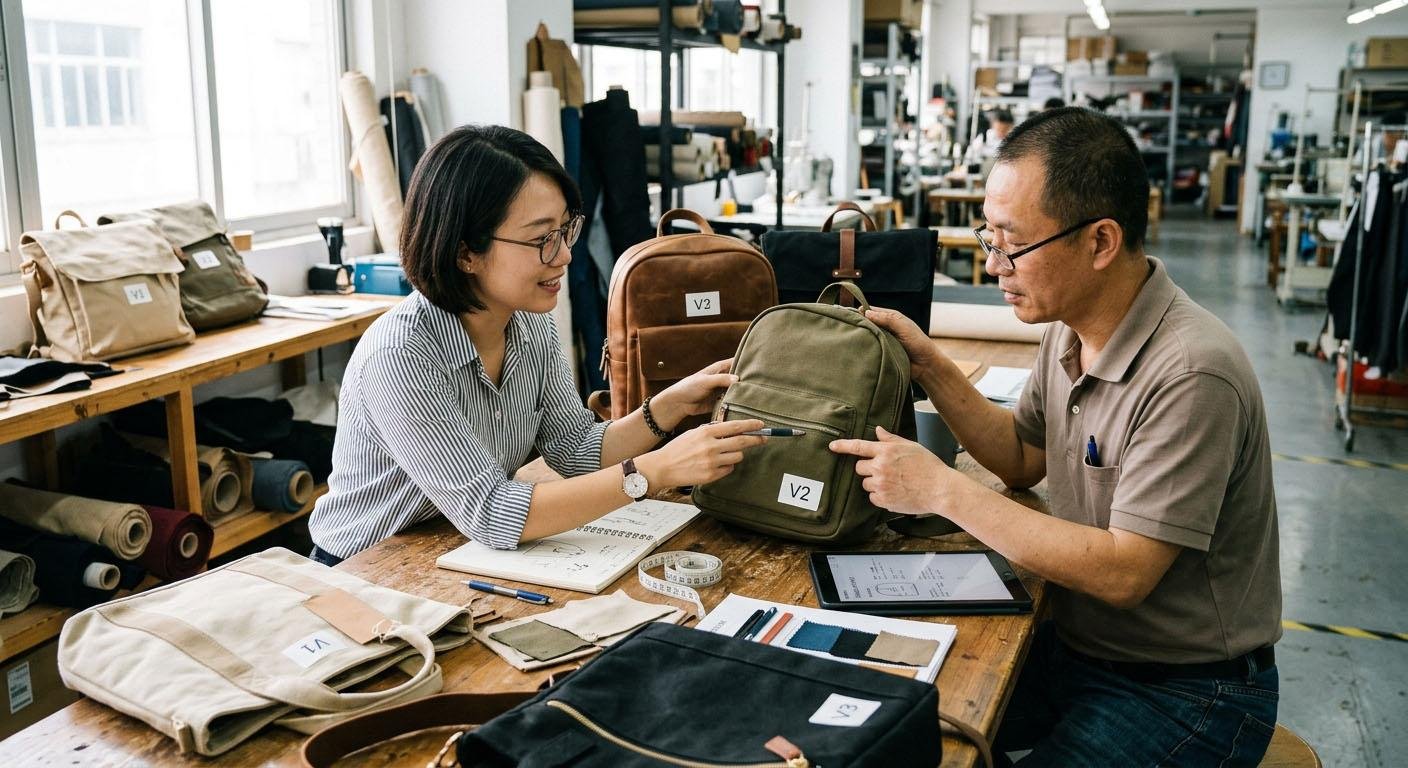
Once we finish your prototype, we follow this strict protocol to get your tags:
- Fabric Validation: We upload the mill invoice to the portal.
- Sample Submission: Sometimes INVISTA demands a 1-2 yards fabric swatch to test in their lab(Shanghai/US/Europe) .
- Approval: Usually takes 3-7 business days.
- Ordering: Once approved, we order the specific hangtag style (Classic, Eco, etc.).
- Shipping: Tags ship from their nearest distribution center (usually Hong Kong or USA).
Hangtag Application Timeline
| Stage | Duration | Responsibility |
|---|---|---|
| Document Submission | 1 Day | Factory / Brand |
| INVISTA Verification | 3-7 Days | INVISTA |
| Shipping Tags | 5-10 Days | INVISTA Logistics |
| Attaching to Bags | Production Phase | Factory Floor |
Absolutely not. INVISTA lab-tests submissions; if the molecular structure and abrasion resistance do not match their Nylon 6.6 standards, you will be rejected immediately.
In the factory, we call generic high-tenacity nylon "Kodra" or "Oxford." It looks similar to the naked eye, but chemically, it’s different. Real Cordura is air-jet textured Nylon 6.6. "Cordura-like" is often Polyester or standard Nylon 6. If you send a "fake" sample to INVISTA, they will blacklist your company account.
We ran a Taber Abrasion Test in our in-house lab last month. The generic "1000D Nylon" failed at 1,500 cycles. The genuine 1000D Cordura Classic lasted 3,000+ cycles. You cannot fake these results to the licensor.
Common "Fake" Terms to Watch Out For
- "Kodra" (Korean knock-off)
- "High-Spec Nylon"
- "Oxford 1000D"
- "Tactical Nylon"
Actionable Tip: If a supplier offers you "Cordura" at $4.00/yard when the market rate is $8.00/yard, it is 100% fake. Do not attempt to get tags for this; you will get caught.
Sew-in labels adhere to the same strict verification rules as hangtags: you must have a valid fabric certificate number to order them from the portal.
However, from a factory perspective, sew-in labels are more permanent and therefore higher risk. If you sew 5,000 bags with a fake label, you have to unpick every single one if you get caught. Hangtags can just be cut off.
In our factory, we treat the sew-in label as part of the BOM (Bill of Materials). We will not stitch a "Cordura Fabric" woven tab into the side seam unless the fabric roll has the "INVISTA" stamp on the tube core. It is our standard operating procedure to protect ourselves from liability.
| Hangtags | Sew-in Labels | |
|---|---|---|
| Purpose | Retail Shelf Appeal | Lifetime Proof of Quality |
| Placement | Zipper Pull / Handle | Side Seam / Interior |
| Risk | Low (Removable) | High (Permanent) |
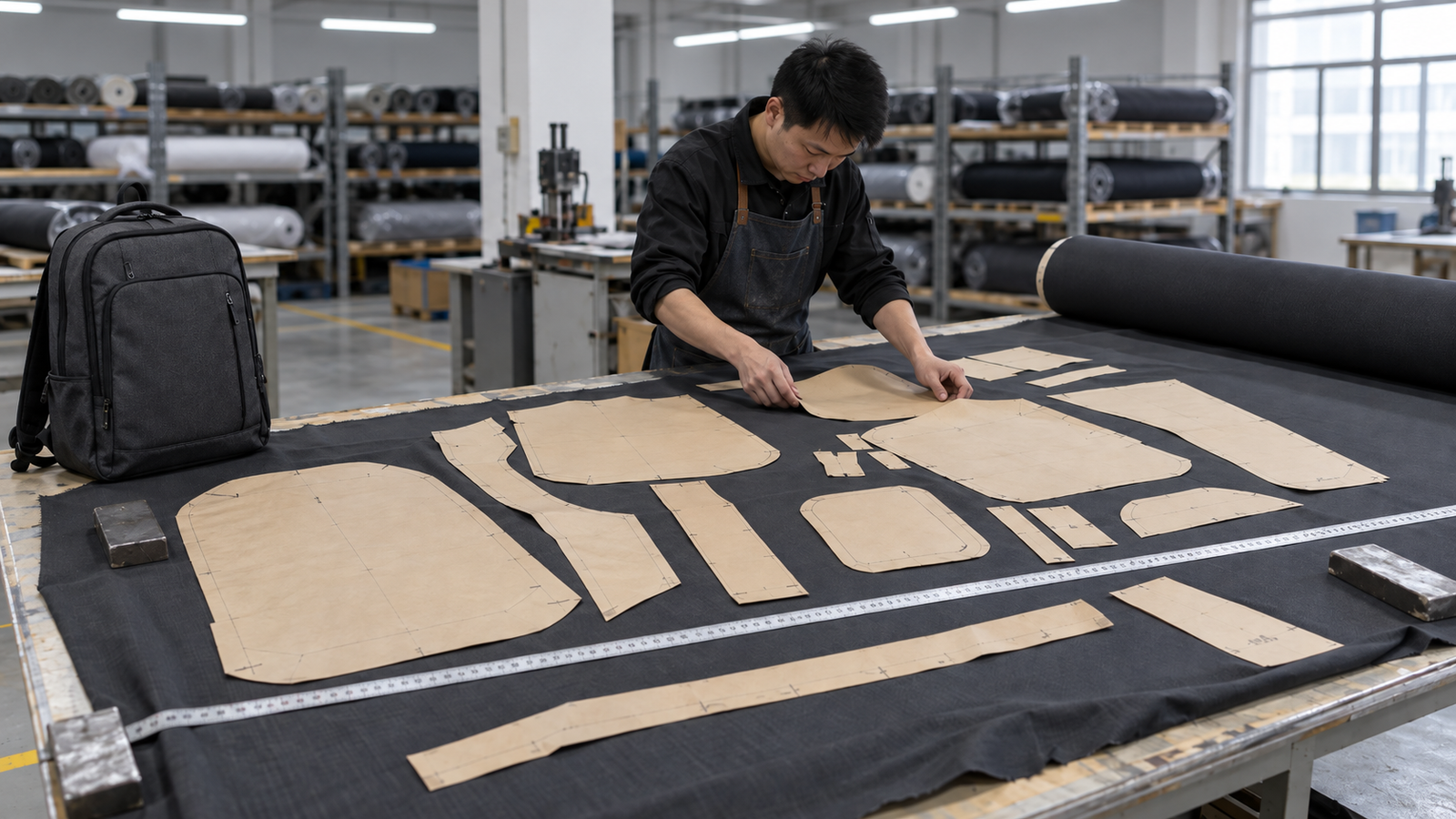
I recommend using the sew-in label for the premium feel. It tells the customer "this isn’t just marketing; the durability is built in." But ensure your pattern maker accounts for the seam allowance needed for the specific Cordura woven tab size.

The physical hangtags and sew-in labels are generally provided free of charge by INVISTA, but you (or the factory) must pay for the shipping and handling costs.
While the tags themselves are a marketing expense covered by INVISTA to promote their brand, they don’t cover the FedEx bill. For a production run of 2,000 bags, the shipping cost for tags is negligible—usually under $50. However, the real cost is the fabric premium.
Cost Breakdown: Generic vs. Cordura (Per Yard)
The tag is free, but the "entry ticket" (the fabric) is expensive.
| Component | Generic 1000D Nylon | Genuine Cordura® 1000D |
|---|---|---|
| Fabric Cost | $3.50 – $4.50 | $7.50 – $9.00 |
| Hangtag Cost | $0.05 (Custom Print) | $0.00 (Free) |
| Retail Markup Potential | Standard | +20-30% Premium |
Actionable Tip: Don’t budget for the cost of the tags; budget for the shipping time. Missing tags can delay a shipment by two weeks if not ordered early.
Is the hassle of getting Cordura certification worth it?
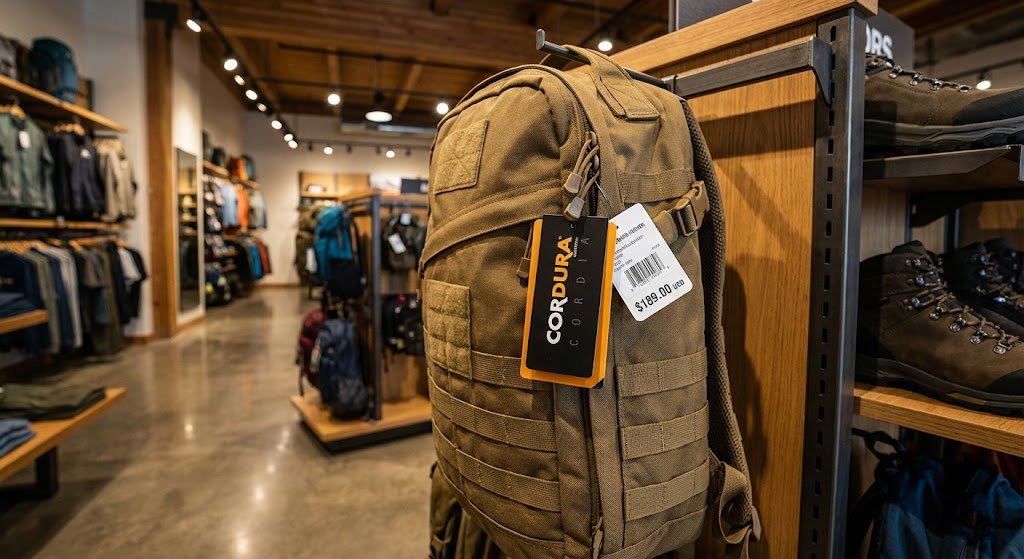
Yes, for premium pricing power; end-consumers trust the brand for durability, allowing for a 15-30% higher retail markup on the final product.
In B2B, we see this daily. A tactical backpack made of generic nylon sells wholesale for $25. The exact same design in Cordura sells for $38. The "Cordura" hangtag is a trust signal. It tells the buyer, "This won’t rip." It shortcuts the sales conversation regarding quality.
I had a startup client insist on using generic nylon to save $3 per bag. His return rate due to abrasion issues was 4% in the first year. My Cordura clients hover around 0.5%. The tag isn’t just paper; it’s insurance.
Where the Value Lies
- Trust: Immediate credibility for new brands.
- Defense: Justifies a higher price point to skeptics.
- Compliance: Meets military (Mil-Spec) requirements often required in government tenders.
Actionable Tip: If you are selling to military, law enforcement, or serious outdoor enthusiasts, the tag is mandatory. If you are selling school bags for Walmart, skip it.
Also read: Why Do High-End Bag Brands Choose 500D Cordura Over 1000D Recently?
Deep FAQ: The Factory Floor Reality
1. Can I print my own "Cordura" tags to save time?
No, never do this. That constitutes trademark counterfeiting. Even if you use real fabric, printing your own unauthorized tags violates INVISTA’s brand guidelines. You must use the official tags issued by them.
2. What if I buy Cordura fabric from a jobber (reseller) instead of a mill?
This is risky. Resellers often lose the "Chain of Custody" paperwork. Without the original Lot Number and Invoice from the authorized mill, INVISTA will likely deny your tag request. Always demand the original mill source documents.
3. Can I use the Cordura tag on a bag that is only 50% Cordura?
It depends. INVISTA has specific "Fabrication Standards." Usually, the main body fabric must be Cordura to qualify for the main hangtag. If you only use it for a small pocket, you might only qualify for a "sew-in" label or a specific component tag, not the primary branding.
4. My supplier says they have "Stock Cordura" but no certificates. Is it real?
90% chance it’s leftover stock or fake. "Stock" fabric is the Wild West. Unless they can generate a fresh test report or link it to a past Mill Invoice, assume it won’t pass the hangtag application process.
5. Does the color of the fabric affect the license approval?
Technically, no, but custom colors (Lab Dips) need to be approved by the mill. If you dye Cordura greige goods at an unauthorized dye house to save money, you void the warranty and the branding rights. The entire process must happen at authorized facilities.
6. What if I only need 50 yards? This is the "Sample Minimum" trap.
Most authorized mills have a MOQ (Minimum Order Quantity) of 1,000 yards. For small lots, you must find a certified distributor (like Rockywoods or Seattle Fabrics in the US) who holds the master license and can pass the rights to you.
7. Can I use the logo on my website if I use the fabric?
Generally, yes, but you must use the registered symbol (CORDURA®) and often need to include a specific attribution footer. Check the "Brand Standards" guide available on the portal.