Choosing a kids duffle bag is not simply about making an adult duffle bag smaller. For brands and buyers, the real challenge is selecting the right capacity, materials, and construction based on how children actually use the bag.
A kids duffle bag should be designed around its real purpose, not only the child’s age. In our factory, we define size, materials, and structure based on sports training, overnight trips, travel needs, and production targets to avoid bags that are too bulky, too weak, or too costly for the market.
After 12 years developing bags for overseas brands, I have found that most sourcing problems start before production begins. Buyers often focus on appearance first, but the wrong capacity, fabric choice, or reinforcement design can create complaints, returns, and unnecessary cost after launch.
This is how we approach kids duffle bag development from a factory perspective.
Why Kids Duffle Bags Should Not Be Designed Like Mini Adult Bags?

Many buyers start a kids duffle bag project with a simple idea:“Take an adult duffle bag and make it smaller.”
From a production perspective, this is usually not enough.
Children use bags differently from adults. The carrying method, storage habits, and daily usage scenarios are different. A successful kids duffle bag needs its own specification, not just reduced dimensions.
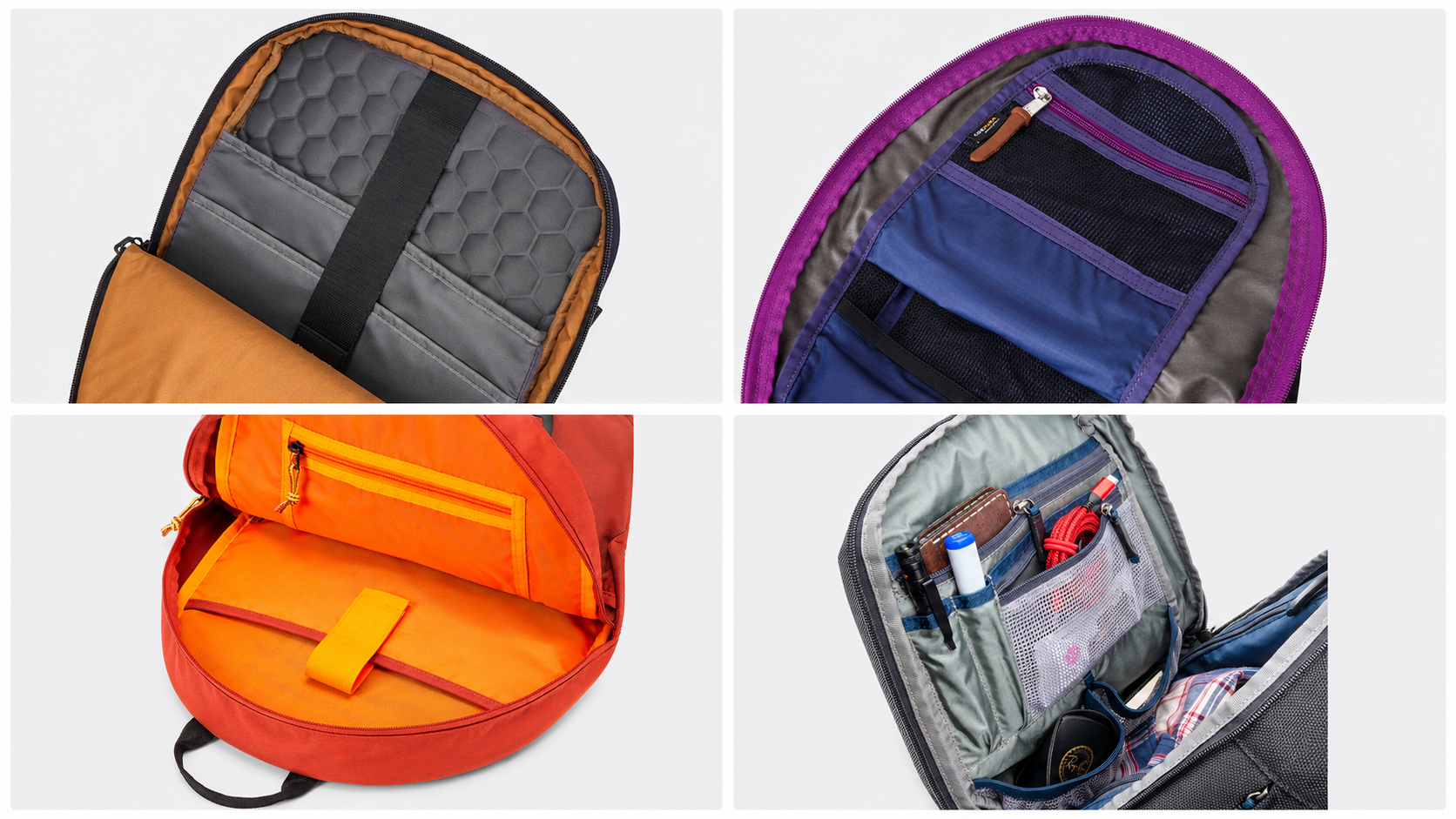
The same principle applies to backpacks. Our kids backpack design guide explains how age, body proportions, comfort, safety and durability affect backpack construction.
Children’s Usage Changes The Product Design
Age can provide a basic reference, but it does not define the product.
The same child age group may have completely different requirements depending on the activity.
| Usage Scenario | What We Consider During Development |
|---|---|
| Sports training | Easy access, space for clothes, shoes, towels, and daily equipment |
| Overnight trips | Better organization and enough room for personal items |
| Weekend travel | Balance between storage space and portability |
| Camp activities | Stronger structure for repeated handling |
Before discussing colors or logos, we usually ask buyers one question:
What does this bag need to do?
That answer determines the design direction.
Why Smaller Size Does Not Always Mean Better
Reducing the dimensions of an adult duffle bag can create hidden problems.
The bag may become smaller, but the structure may still not match a child’s actual needs.
During development, we review:
- Handle position
- Shoulder strap adjustment
- Opening size
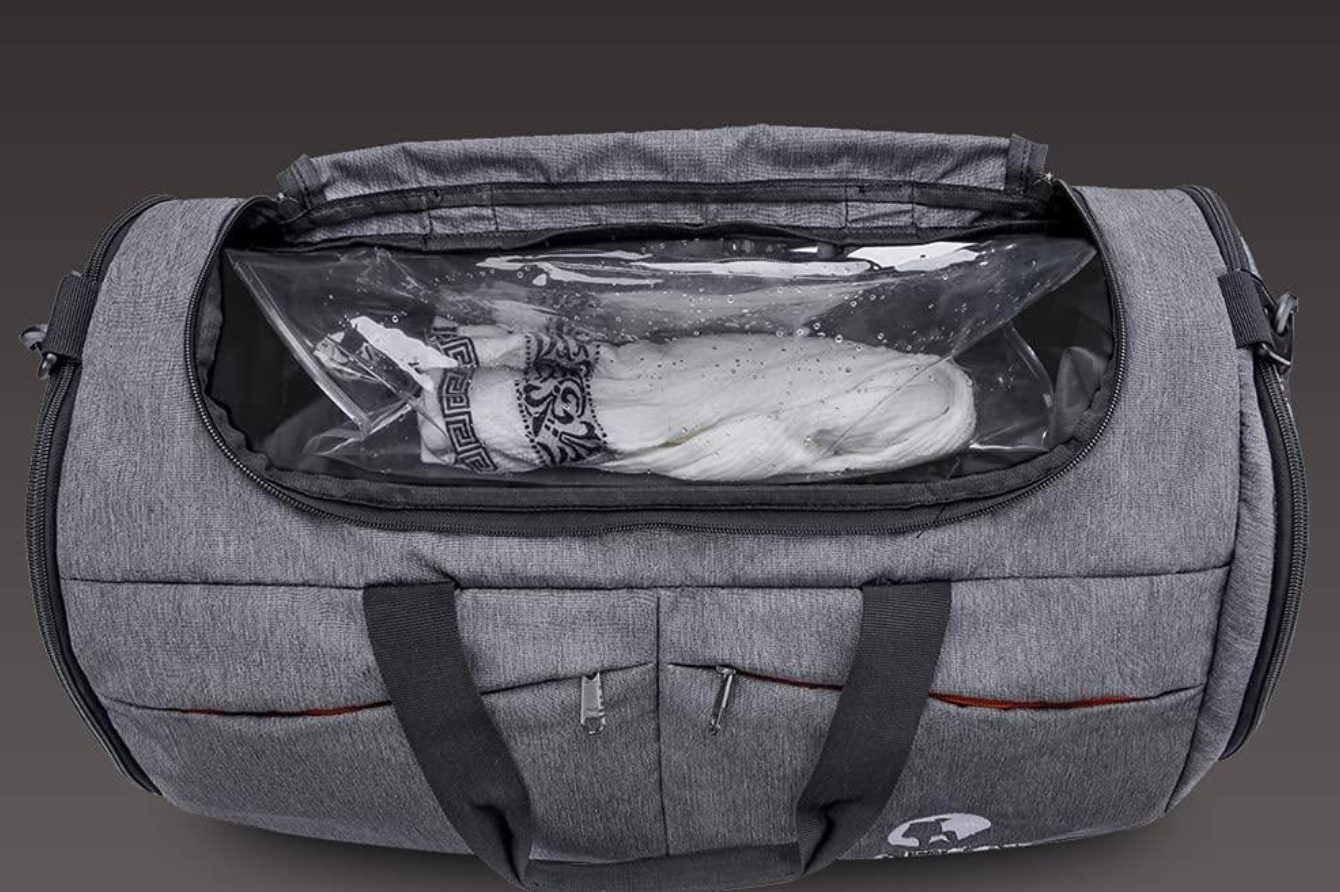
- Internal space
- Weight balance
- Reinforcement areas
A bag can look perfect in a product photo but fail when a child actually uses it.
I have seen samples where the appearance was approved quickly, but after loading real items, the opening was inconvenient or the internal space did not match the expected usage.
That is why we test the product concept before moving into bulk production.
How We Decide the Right Size for a Kids Duffle Bag?

The right kids duffle bag size depends on the activity and packing needs, not only the child’s age. In our factory, we usually define dimensions by what the bag needs to carry, then adjust the structure based on the target market, material choice, and production requirements.
Many buyers ask us for the “right size” of a kids duffle bag.
Our answer is always the same:
First decide what the child needs to carry.
A sports bag, overnight bag, and camp bag may all be called a kids duffle bag, but the required dimensions are different.
Kids Duffle Bag Size Guide By Usage Scenario
The following size ranges are common starting points we use during product development.
They are not fixed rules. Final dimensions depend on the bag structure, fabric thickness, pocket design, and buyer requirements.
| Usage Scenario | Typical Size Range | Factory Consideration |
|---|---|---|
| Sports training | Approx. 40–50 cm (L) × 20–25 cm (W) × 20–25 cm (H) | Enough space for clothes, shoes, towel, and daily sports items |
| Overnight trips | Approx. 45–55 cm (L) × 25–30 cm (W) × 25–30 cm (H) | More capacity for clothing and personal belongings |
| Weekend travel | Approx. 50–60 cm (L) × 25–35 cm (W) × 25–35 cm (H) | Balance between storage space, portability, and shipping cost |
| Camp activities | Approx. 55–65 cm (L) × 30–35 cm (W) × 30–40 cm (H) | Larger capacity with stronger construction for repeated use |
In our factory, we use this information as a starting point.
Before confirming the final sample, we also check the target retail price, customer group, and expected order quantity.
Why Wrong Capacity Creates Problems
Capacity mistakes often become market problems.
A bag that is too small may create complaints because customers cannot fit the expected items.
A bag that is too large may:
- Increase production cost
- Increase shipping volume
- Feel bulky for children
- Miss the target market expectation
For e-commerce sellers especially, unclear product descriptions can create a gap between customer expectation and actual product experience.
The specification should explain what the bag is designed for, not only its external dimensions.
How We Confirm Size Before Sampling
Before making a sample, we usually confirm:
- What items need to fit inside
- Main usage scenario
- Target selling price
- Material direction
- Order quantity
Then we adjust:
- Main compartment size
- Pocket layout
- Handle length
- Shoulder strap proportion
This process helps us create a product that works in bulk production, not only a sample that looks good.
How Our Factory Selects Materials Based On Cost And Usage?

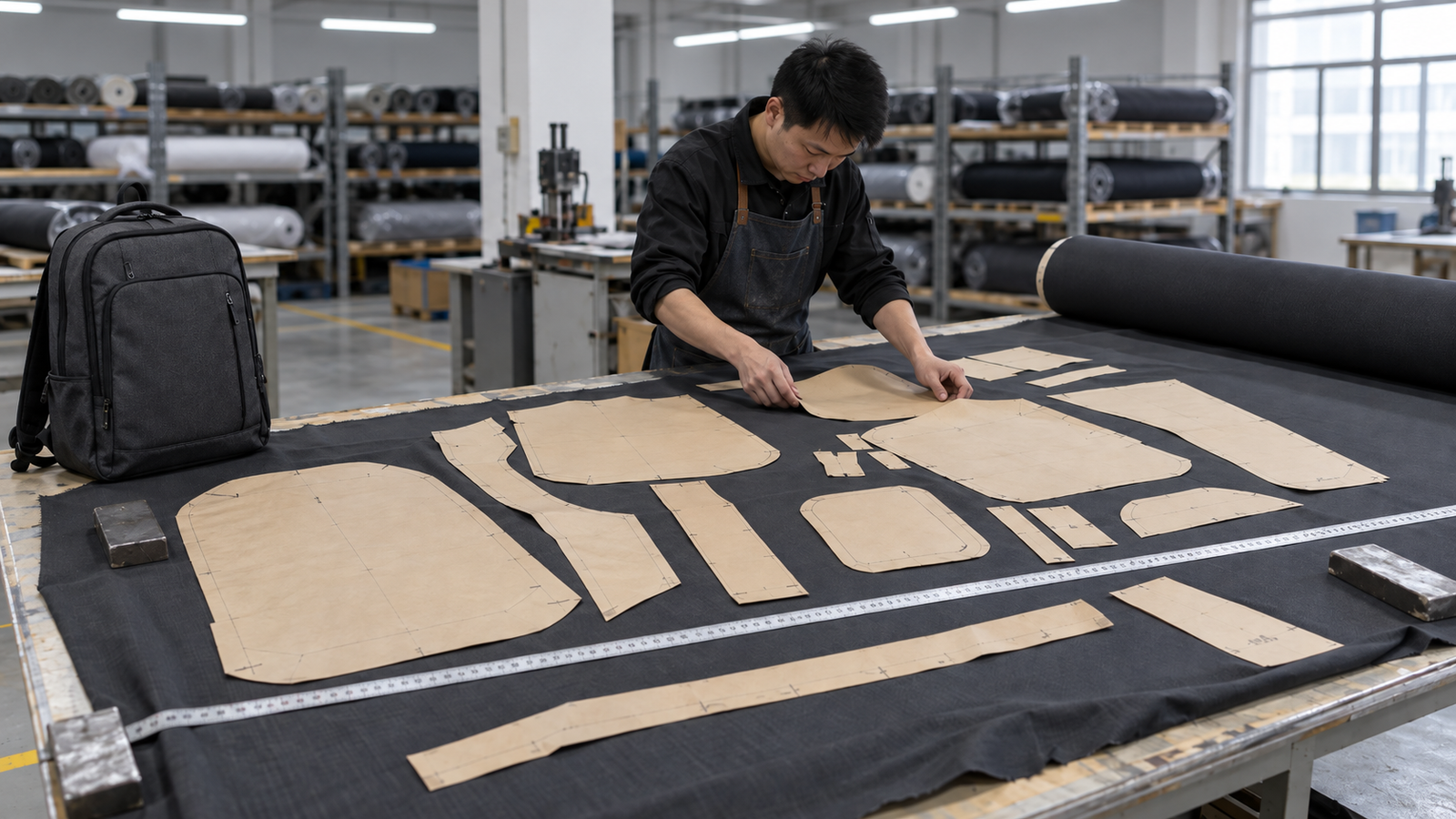
The best material for a kids duffle bag is not always the most expensive option. In our factory, we select fabrics based on the product’s usage, target price, market positioning, and production requirements rather than choosing materials only by appearance or specification.
Many buyers ask us:
“Which fabric is better for a kids duffle bag?”
There is no single answer.
A material that works well for a premium travel brand may not be the right choice for a mass-market sports bag. The correct material is the one that matches the product’s job.
We Choose Fabric Based On The Product Position
When developing a kids duffle bag, we usually compare materials from a commercial perspective.
| Material Option | Why Buyers Choose It | Factory Consideration |
|---|---|---|
| Polyester | Cost control, stable supply, wide color options | A practical choice for many sports and school bag projects |
| Nylon | Better hand feel and higher-end appearance | Usually selected when buyers need a more premium positioning |
| Coated fabrics | Additional protection and different surface effects | Requires balancing performance needs and cost impact |
| Recycled fabrics | Sustainability marketing value | Requires confirming material availability and target price |
The mistake we often see is buyers selecting fabric first and thinking about the product positioning later.
We do the opposite.
The target market decides the material direction.
For brands selling in Europe, material selection may also need to consider chemical compliance requirements under the EU REACH Regulation.
Why Expensive Fabric Is Not Always A Better Choice
A higher-priced fabric does not automatically create a better-selling bag.
Sometimes, premium materials increase the product cost without creating a noticeable benefit for the end customer.
For example:
- A budget sports bag may not need a premium fabric upgrade.
- A fashion-focused kids brand may need better hand feel and appearance.
- A frequently used travel bag may require more focus on abrasion resistance and structure.
Our job during development is to find the right balance between:
- Customer expectation
- Production cost
- Durability requirement
- Final retail positioning
A material can look perfect in a sample but create problems during large-scale production if the supply chain is unstable or the cost changes too much.
A fabric may look excellent on one sample but create problems during mass production.
For textile products, some buyers also review chemical safety requirements and testing standards such as OEKO-TEX® STANDARD 100 when selecting suitable materials.
The Hidden Quality Details Behind A Durable Kids Duffle Bag
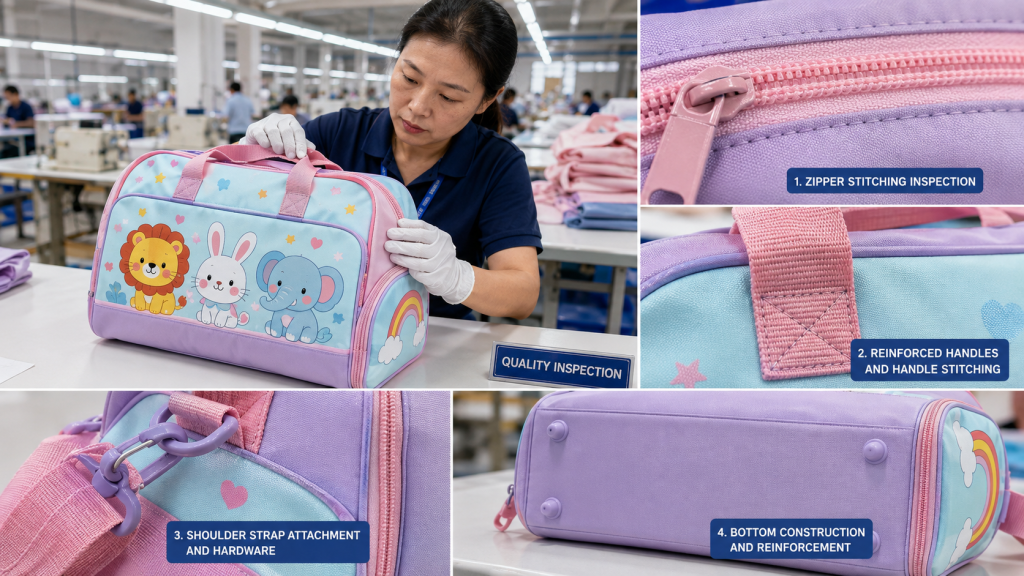
A durable kids duffle bag is not created by fabric choice alone. In our factory, we focus on the small construction details — zippers, stitching, handles, shoulder straps, and bottom panels — because these areas usually decide whether a bag survives repeated daily use.
Many buyers focus on the outside design first.
They check:
- Colors
- Prints
- Logos
- Overall shape
These are important for selling.
But during production, we pay more attention to the areas where the bag receives stress.
Zippers And Stitching Are The First Quality Checks
A zipper is one of the most frequently used parts of a duffle bag.
During development, we check:
- Smooth opening and closing
- Zipper size matching the bag structure
- Stitching strength around the zipper area
The same applies to stitching.
A bag may look strong, but weak stitching at stress points can create problems during bulk production.
Handles And Straps Need Proper Reinforcement
Kids often carry bags differently from adults.
They may:
- Pull the bag from one side
- Carry it with one hand
- Drop it after use
- Overload it with personal items
Because of this, handle and strap attachment points need special attention.
In our factory, we usually review:
| Area | What We Check |
|---|---|
| Carry handles | Attachment strength and reinforcement |
| Shoulder strap | Adjustment range and connection points |
| Stress areas | Extra stitching or reinforcement when needed |
These details are easy to overlook in a design drawing but become important after thousands of bags are produced.
Bottom Structure Affects Long-Term Use
The bottom of a kids duffle bag often experiences the most contact.
It may touch:
- Locker floors
- Sports fields
- School areas
- Travel surfaces
Depending on the product positioning, we may adjust:
- Bottom fabric selection
- Reinforcement layers
- Structural support
A premium bag and a budget sports bag do not always need the same construction.
The key is matching the structure with the expected usage.
For overseas buyers, quality is not only about adding more materials.
It is about placing the right materials and reinforcement in the right areas.
How We Develop Custom Kids Duffle Bags For Overseas Buyers?

Custom kids duffle bag development starts with clear specifications, not just a design idea. At Osgoodway, we work with overseas buyers to define usage, size, materials, decoration, and cost targets before sampling to reduce production risks later.
Many buyers send us a picture and ask:
“Can you make this bag?”
The answer is usually yes.
But making a sample is only one step.
The real challenge is turning an idea into a product specification that can be produced consistently in bulk.
What We Confirm Before Sampling
Before starting a sample, we normally confirm:
For buyers selling children’s products in the US market, compliance requirements should also be considered early. Depending on product classification, importers may need to review requirements related to children’s product testing and Children’s Product Certificates (CPC) from the U.S. Consumer Product Safety Commission (CPSC).
| Development Point | Why It Matters |
|---|---|
| Usage scenario | Determines size, structure, and material selection |
| Target customer | Defines product positioning and expected quality level |
| Capacity requirement | Prevents size mistakes after production |
| Material preference | Balances appearance, cost, and durability |
| Decoration method | Affects design options and production process |
| Target quantity | Influences material sourcing and production planning |
A clear specification saves time.
It helps both sides avoid repeated sample changes caused by missing information.
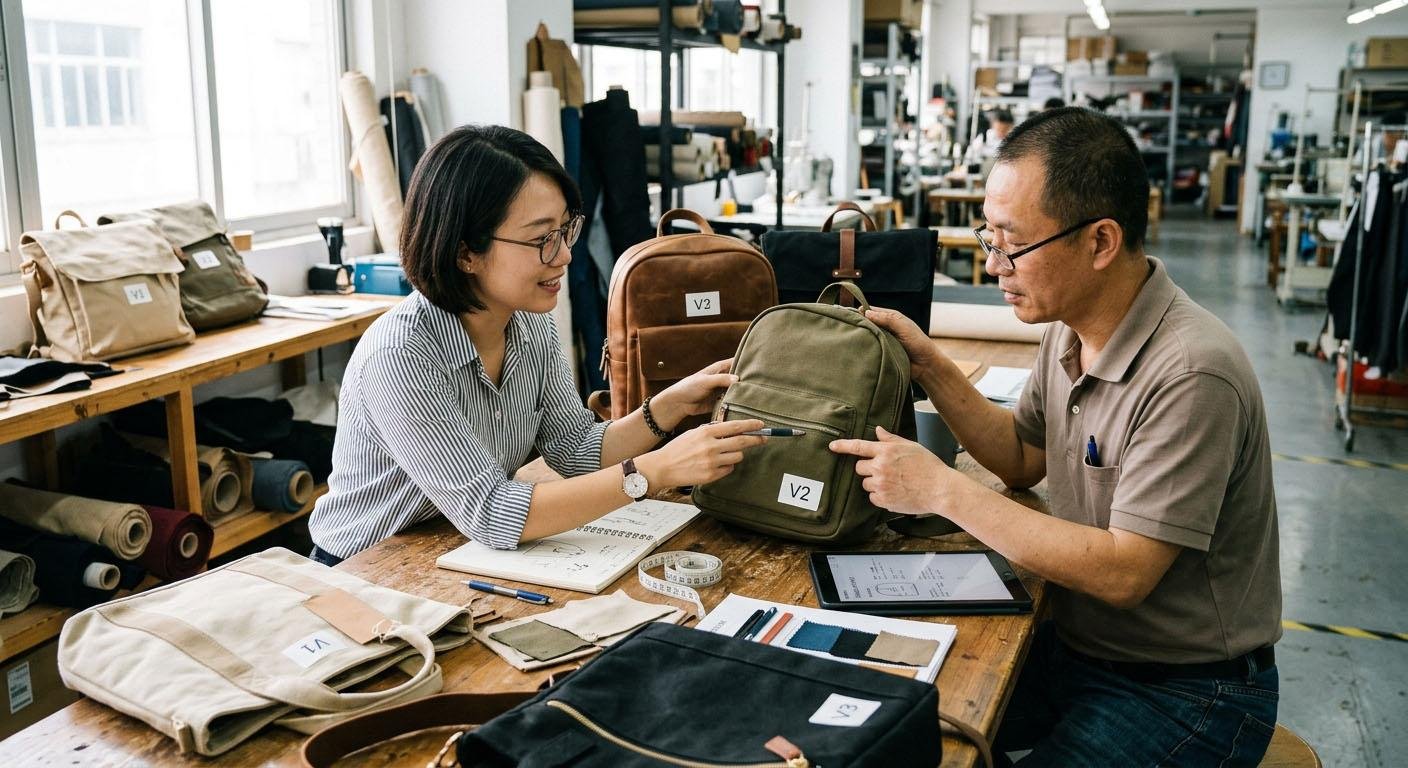
Our Sample Development Process
Our factory development process usually follows several steps:
- Confirm product requirements
- Select suitable materials and components
- Develop the first sample
- Review structure, appearance, and functions
- Adjust details before bulk production
- Confirm production standards
During this process, we pay attention to details that may not appear in product images.
For example:
- Is the opening practical?
- Are the stress points reinforced?
- Does the material match the target price?
- Can the design remain consistent during mass production?
Why Sample Approval Is Not The End
A common mistake is treating an approved sample as the final goal.
In reality, the sample is only the production reference.
During bulk production, factories still need to control:
- Material consistency
- Sewing quality
- Component matching
- Final inspection standards
For brands, wholesalers, and e-commerce sellers, a successful project is not about receiving one perfect sample.
It is about receiving thousands of bags with the same quality level.
That is why we focus on specification communication before production begins.
5 Mistakes We See When Buyers Source Kids Duffle Bags
Most kids duffle bag sourcing problems do not start during production. They usually start earlier, when buyers choose the wrong specifications, focus on appearance too much, or fail to consider bulk production requirements.
After working with overseas brands, wholesalers, and e-commerce sellers, we have seen similar mistakes repeat.
Most of these problems can be avoided with better product planning before sampling.
Choosing Design Before Defining Usage
A common mistake is starting with:
“Make it look cute.”
Appearance matters, especially for kids products.
But the bag still needs to perform its job.
Before discussing prints, colors, or logos, we recommend confirming:
- What items should fit inside
- How the bag will be used
- How frequently it will be carried
A good-looking bag that does not match the usage scenario can create customer complaints after launch.
Selecting Materials Without Considering Cost Structure
Some buyers believe better materials always mean better products.
This is not always true.
The right material depends on:
- Target retail price
- Customer expectations
- Usage frequency
- Production quantity
A premium fabric may improve appearance, but it can also reduce profit margin if the market does not support the higher cost.
In our factory, we focus on choosing materials that make commercial sense.
Ignoring Bulk Production Differences
A sample and a bulk order are not the same thing.
During mass production, small details become important:
- Material consistency
- Sewing quality
- Component availability
- Production standards
A design that works for one sample may need adjustment to ensure stable production at larger quantities.
Adding Features That Do Not Improve The Product
Another common issue is adding too many features.
More pockets, extra decorations, and complex structures can increase:
- Material cost
- Production time
- Potential quality risks
Every feature should have a purpose.
If it does not improve usability, appearance, or market value, it may not be worth adding.
Not Communicating Product Requirements Clearly
The best results usually come from buyers who provide clear information.
Before development, we recommend confirming:
- Target market
- Usage scenario
- Size expectation
- Material direction
- Budget range
- Order quantity
A clear specification helps the factory make better decisions and reduces unnecessary sample revisions.
The goal of sourcing is not only to create a bag.
It is to create a product that can sell, be produced consistently, and meet customer expectations.

Frequently Asked Questions
What size kids duffle bag should buyers choose for sports and travel?
The right size depends on the activity and packing needs, not only the child’s age. Sports training bags are usually smaller, while overnight trips and camp activities require more capacity. In our factory, we confirm the expected contents and usage scenario before finalizing dimensions.
What materials are best for custom kids duffle bags?
There is no single best material for every project. Polyester is commonly selected for cost control and stable production, while nylon or specialty fabrics may be used for premium positioning. We choose materials based on usage, target price, and market requirements.
How do manufacturers improve the durability of kids duffle bags?
Durability depends on construction details such as zipper quality, stitching, handle reinforcement, shoulder strap attachment, and bottom structure. During production development, we focus on stress points because these areas usually determine the long-term performance of the bag.
What information should buyers provide before ordering custom kids duffle bags?
Before sampling, buyers should provide the target usage, expected capacity, material preference, decoration requirements, target price, and order quantity. Clear specifications help factories create accurate samples and reduce unnecessary revisions before bulk production.
How long does it take to develop a custom kids duffle bag?
The timeline depends on the design complexity, material availability, sampling requirements, and order quantity. A typical process includes specification confirmation, material selection, sample development, approval, and bulk production preparation. Early communication helps avoid delays.
Final Words
A successful kids duffle bag project starts with the right specification, not only an attractive design. From size selection and material choices to production details, every decision should match the real usage scenario and target market.
If you are developing custom kids duffle bags for sports, travel, or retail channels, feel free to contact Osgoodway team with your requirements. We can help review the right size, materials, and production solution for your project.