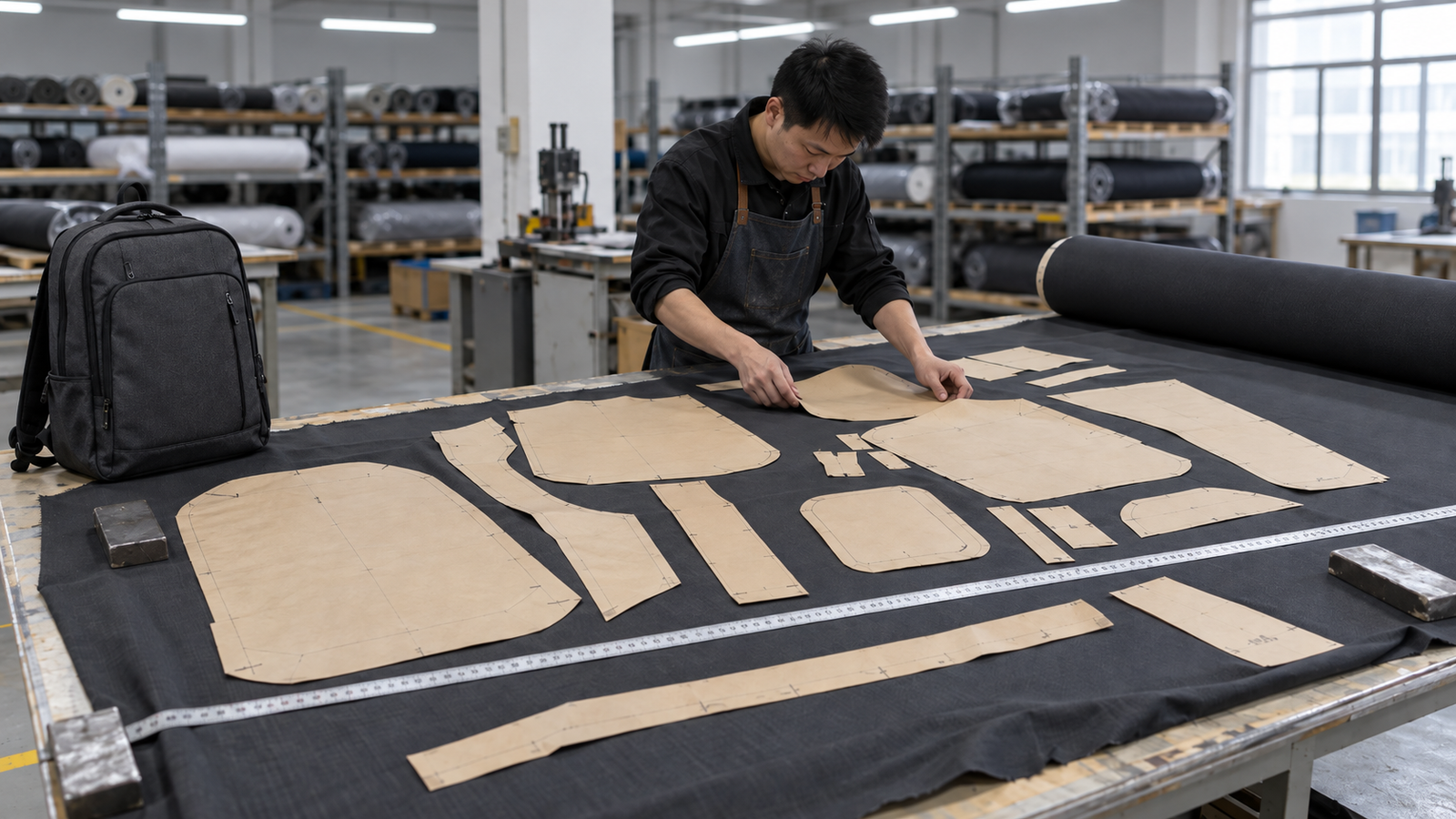
Every week, I review tech packs from brand founders demanding "maximum airflow" on slim laptop daypacks. While understanding the anatomy of a backpack is essential for any designer, the back panel remains the most debated structural component. You cannot achieve extreme ventilation without sacrificing internal volume or shifting the load’s center of gravity away from the body.
Let’s skip the fluff. If you’re Googling this, you’re trying to cure a classic case of "swamp back" and want to know what actually works.
Suspended mesh (trampoline-style) is significantly cooler than padded panels because it creates a physical air gap for sweat evaporation. Padded panels (like molded EVA or mesh-covered memory foam), on the other hand, will trap heat against your shirt, but they win hands-down for stability, keeping the weight tight to your core, and supporting heavy loads.
On the factory floor at Osgoodway, we’ve engineered thousands of both systems. We know exactly how a suspended wire frame complicates a BOM versus the heat-trapping reality of premium polyurethane and memory foams. Let’s strip away the retail marketing jargon and look at the raw material science, ergonomics, and manufacturing realities so you can spec the right panel for your next bag project.
What Are the Two Types of Mesh Back Panels in Backpack Manufacturing?
Brands slap "mesh" on Tech Packs constantly, but in the factory, mesh means two entirely different structural designs.
In backpack manufacturing, mesh back panels are divided into two distinct categories: 3D spacer mesh, a breathable fabric stitched directly over foam padding, and suspended trampoline mesh, a rigid internal frame system that creates a physical air gap behind the bag.
1. 3D Spacer Mesh (Over Foam): The Urban Workhorse

3D spacer mesh—a thick, porous fabric stitched directly over an insulating foam core—wicks moisture exceptionally well. But because this molded EVA or closed-cell foam panel rests completely against your back, it helps manage sweat but cannot stop it entirely.
The Pros:
- Maximized Capacity: The back panel is flat, giving you 100% use of the main compartment volume.
- Laptop Safety: The flat surface aligns perfectly with rigid 15-inch laptops and tech sleeves.
- Load Stability: Keeps the weight tight to your core, preventing load wobble.
- Cost-Effective: Simple to stitch, lower labor costs, and highly scalable for any B2B budget.
The Cons:
- Heat Trapping: Feels airy to the touch, but under load, it compresses flat. You still have a massive, heat-trapping contact patch against your shirt.
Best Backpack Styles for this Panel:
- Urban Commuter Backpacks (EDC)
- Laptop & Tech Bags
- Gym & Duffel Bags
- Heavy-duty School Backpacks
2. Suspended Trampoline Mesh: the Ultimate Ventilation King

Suspended mesh uses a tensioned spring steel or plastic frame to pull the bag away from you. This creates a literal two-inch wind tunnel across your back.
The Pros:
- Unbeatable Cooling: Sweat evaporates instantly. It is the only true mechanical cure for a wet shirt in humid climates or during high output.
The Cons:
- Compromised Capacity: The curved tension frame bows inward, eating up 15-20% of your usable internal volume.
- The Laptop Nightmare: Rigid, flat laptops clash violently with the heavily curved frame, making packing awkward and risking device damage.
- Center of Gravity Shift: Pushing weight away from your core shifts the center of gravity backward, causing instability with dense loads.
- Expensive BOM: Requires specialized wire routing, high-tension assembly, and skilled sewing labor, driving up manufacturing costs.
Best Backpack Styles for this Panel:
- Lightweight Hiking Daypacks
- Hydration Packs (Running/Trekking)
- Cycling Backpacks
- Hot-climate Travel Bags (where tech carry is secondary)
The Ultimate Trade-Off: 3D Spacer Mesh vs. Suspended Mesh
Here is the unfiltered breakdown of what you are actually getting—and losing—with each system:
| Feature / Aspect | 3D Spacer Mesh (Over Foam) | Suspended Trampoline Mesh (Wire Frame) |
|---|---|---|
| Cooling & Airflow | Moderate: Wicks sweat, but stays flush against your back. Traps body heat over time. | Extreme: Creates a literal 2-inch wind tunnel. The only true cure for "swamp back." |
| Load Stability | Excellent: Keeps the weight tight to your core. Ideal for running, cycling, and heavy EDC. | Poor for heavy loads: Pushes the bag away from your body, shifting the center of gravity backward (load wobble). |
| Internal Capacity | Maximized: Back panel is flat, giving you 100% use of the main compartment. | Compromised: The curved tension frame bows inward, eating up 15-20% of your usable volume. |
| Laptop Compatibility | Perfect: Flat surface aligns perfectly with rigid laptops and tech sleeves. | The Nightmare: Curved frame clashes with flat laptops. Risks bending devices or awkward packing. |
| Manufacturing Cost | Standard: Simple to stitch, lower labor costs, highly scalable for any budget. | Expensive: Requires spring steel/Delrin frames, high-tension assembly, and specialized sewing labor. |
The Factory Secret (How to spot a bad design): If a B2B supplier pitches you a "suspended mesh" commuter bag specifically built for heavy laptops, walk away. The curved frame will fight the flat laptop sleeve every time. Suspended mesh belongs on the trail; 3D spacer mesh belongs in the city.
Since we established that 3D spacer mesh is just a fabric cover that requires a foam core to function, let’s look at what is actually inside that core.
How We Engineer Padded Back Panels on the Factory Floor: The Two Core Methods
Brands slap "ergonomic padding" on Tech Packs constantly, but when it comes down to how we actually build them on the assembly line, high-end padded back panels rely on two entirely different core materials.
In backpack manufacturing, premium padded back panels are divided into two distinct categories: compression-molded EVA(Ethylene-Vinyl Acetate) foam, a dense, permanently shaped structural block often stamped with airflow channels, and mesh-covered memory foam, a high-density, temperature-sensitive cushion stitched directly behind the 3D spacer mesh.
1. Compression-Molded EVA Foam: The Structural Backbone

Compression-molded EVA foam—a dense, shock-absorbing block often carved with deep "chimneys" or "airflow channels"—acts as the true skeleton of a high-end bag. But because 70% to 80% of this foam block still sits completely flush against your back, it stabilizes heavy gear perfectly but cannot defy thermodynamics to keep you cool.
The Pros:
- Ultimate Load Stability: Hugs your spine and keeps the bag’s center of gravity locked tight against your body. Ideal for hauling 20-pound loads.
- Maximized Capacity: The panel remains flat against the interior, giving you 100% use of the main compartment volume.
- Impact Protection: Prevents sharp laptop corners or heavy gear from digging into your spine.
- Premium Aesthetics: Holds its shape permanently and allows factories to press custom brand logos directly into the back panel.
The Cons:
- The Heat Trap: Acts exactly like a neoprene wetsuit. Even with deep ventilation channels, it buffers the weight beautifully but will guarantee a sweaty back on a hot day.
- Expensive Tooling: Requires upfront mold fees and specialized heat-pressing machinery, increasing initial production costs.
Best Backpack Styles for this Panel:
- Premium Commuter & Tech Backpacks
- Heavy-Duty Travel Bags (30L-45L)
- Tactical & Photography Backpacks
- Snug-fitting Running Vests
2. Mesh-Covered Memory Foam: The Contouring Heat Sink
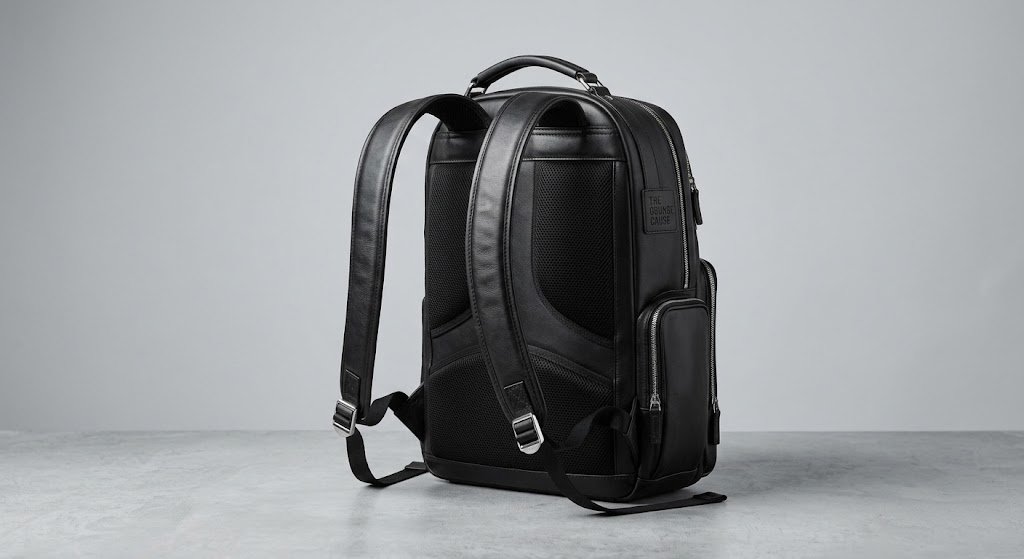
Memory foam (viscoelastic polyurethane) offers a completely different approach. Wrapped in breathable 3D spacer mesh, this high-density foam reacts to your body heat and weight, physically molding to the exact shape of your spine to eliminate pressure points.
The Pros:
- Custom Ergonomic Fit: Contours perfectly to your unique body shape, providing unmatched initial comfort and eliminating hot spots.
- Superior Shock Absorption: Absorbs micro-impacts incredibly well, making it excellent for heavy tech carries where you want zero bounce.
- Premium Retail Feel: Gives the backpack a highly luxurious, "squishy" tactile feel that sells exceptionally well on the retail floor.
The Cons:
- The Ultimate Heat Sink: Memory foam literally requires your body heat to soften and mold. It acts as a thermal sponge, absorbing and holding onto your body heat for the entire commute.
- Freezes in Cold Weather: Becomes rock-hard in freezing temperatures until your body heat warms it up.
Best Backpack Styles for this Panel:
- High-End Urban Laptop Bags
- Luxury Leather Commuter Backpacks
- Ergonomic Photography Bags
The Ultimate Trade-Off: Molded EVA Foam vs. Mesh-Covered Memory Foam
Here is the unfiltered breakdown of what you are actually getting—and losing—with each premium system:
| Feature / Aspect | Compression-Molded EVA Foam | Mesh-Covered Memory Foam |
|---|---|---|
| Cooling & Airflow | Poor: Airflow channels provide minor relief, but the dense material still traps significant body heat. | Terrible: Physically absorbs and retains your body heat to function. The ultimate "swamp back" culprit. |
| Load Stability | Excellent: Rigid structure locks the weight to your core and prevents the bag from sagging. | Great, but Heavy: Eliminates pressure points beautifully, but adds noticeable raw weight to the bag’s BOM. |
| Durability & Shape | Permanent: Holds its molded, stiff shape and structural integrity for years. | Malleable: Softens and compresses under heat and load; can take time to rebound after heavy use. |
| Manufacturing Cost | High Initial Setup: Requires expensive metal molds (mold fees) and heat-pressing labor. | High Material Cost: Zero mold fees, but premium viscoelastic foam is expensive per yard and harder to stitch cleanly. |
The Factory Secret (How to spot a bad design): If a B2B supplier pitches you a "cooling memory foam" back panel, they are defying material science. At Osgoodway, we tell our clients the truth: memory foam feels luxurious on the showroom floor, but it is a thermal sponge on the commute. Use it for premium comfort, never for cooling.

The Final Verdict: Which Backpack Back Panel Should You Actually Choose?
Choose suspended trampoline mesh if your primary goal is eliminating back sweat during hikes or hot-weather travel. Choose molded EVA foam or 3D spacer mesh for heavy urban commuting, cycling, and everyday carry (EDC) where laptop protection and load stability matter more than airflow.
In our testing lab at Osgoodway, we found that forcing a rigid 15-inch laptop into a heavily curved suspended-mesh daypack reduces usable internal volume by roughly 18% and creates dangerous stress points on the device. Thermodynamics dictates that foams will always insulate, but the structural integrity of an EVA panel prevents heavy daily carry loads from shifting and causing premature shoulder fatigue.
How Do You Match the Right Panel to Your Daily Routine?
- Urban Commuting, Cycling & EDC: Stick to molded EVA foam or high-density memory foam covered in 3D spacer mesh. These provide the flat, rigid backbone required to protect laptops, tablets, and tech gear while keeping heavy, dense loads locked firmly against your core.
- Long-Distance Hiking & Hot Climates: Suspended trampoline mesh is non-negotiable. When your physical output is high, that two-inch mechanical air gap is the only scientifically proven way to allow sweat to evaporate quickly.
- Gym Bags & Travel Packables: Opt for basic PU foam or lightweight padded panels. These bags prioritize packability and lightness. You want a soft panel that allows you to easily squeeze the bag into tight gym lockers or overhead bins, where rigid EVA molds or wire frames would just add frustrating bulk.
The Factory Secret: Never buy a suspended mesh bag for daily office use. You will hate how it eats your laptop space. Let form follow your actual function.
Ready to Build Your Next Best-Seller?
If you are a B2B buyer or brand founder tired of factories that just say "yes" to bad designs, it’s time to work with a real manufacturing partner. At Osgoodway, we don’t just stitch bags; we engineer solutions that balance retail appeal with manufacturing realities.
Contact Osgoodway Today !) to request material swatches, get a quote on custom EVA mold fees, or let our R&D team review your latest Tech Pack to ensure your back panel actually performs in the real world.