Updated October 2026 | Reviewed from a backpack manufacturing perspective
School and college backpacks can be grouped by how students use them, not just by their shape.
Common types include standard school backpacks, laptop backpacks, rolling bags, lightweight kids backpacks, expandable backpacks, sports packs, bookbags, drawstring bags and commuter-focused college backpacks.
The right type depends mainly on the student’s age, daily load, device size, transport method and extracurricular activities.
This guide compares 13 school- and college-specific backpack types, explains what each one is best used for, and highlights the design details buyers should consider when developing a school backpack collection.

For backpack categories beyond school and college use, see our 33 types of backpacks guide.
13 Types of School and College Backpacks at a Glance
| Type | Best For | Main Reason |
|---|---|---|
| 1. Standard School Backpack | Elementary to high school | Versatile storage for books and daily supplies |
| 2. Lightweight Backpack | Preschool and elementary students | Keeps empty bag weight and structure simple |
| 3. Laptop Backpack | High school and college | Padded device storage and organization |
| 4. Rolling Backpack | Students carrying consistently heavy loads | Can be rolled instead of carried on the shoulders |
| 5. Expandable Backpack | High school and college | Adjusts to changing daily loads |
| 6. Sports & Gym Backpack | Student athletes | Separates academic and sports equipment |
| 7. Rucksack | College and casual campus use | Flap-top style with flexible storage |
| 8. Mini Backpack | Preschool and light carry | Small size for limited contents |
| 9. Drawstring Bag | PE, gym and extracurricular use | Lightweight and simple |
| 10. Fashion Backpack | Middle and high school | Prioritizes appearance while retaining school function |
| 11. Eco-Friendly Backpack | School and college collections | Uses recycled or other specified lower-impact materials |
| 12. Bookbag | General school use | Common market term for bags designed to carry books and supplies |
| 13. Anti-Theft Backpack | College commuters | More controlled access to laptops and personal items |
These categories are not all defined in exactly the same way. Some describe construction, such as rolling or drawstring bags, while others describe function or market positioning, such as laptop, eco-friendly or anti-theft backpacks.
For buyers, the useful question is not only what the style is called, but whether the construction matches how the student will actually use it.
13 Types of School and College Backpacks
1. Standard School Backpacks for Everyday Classes
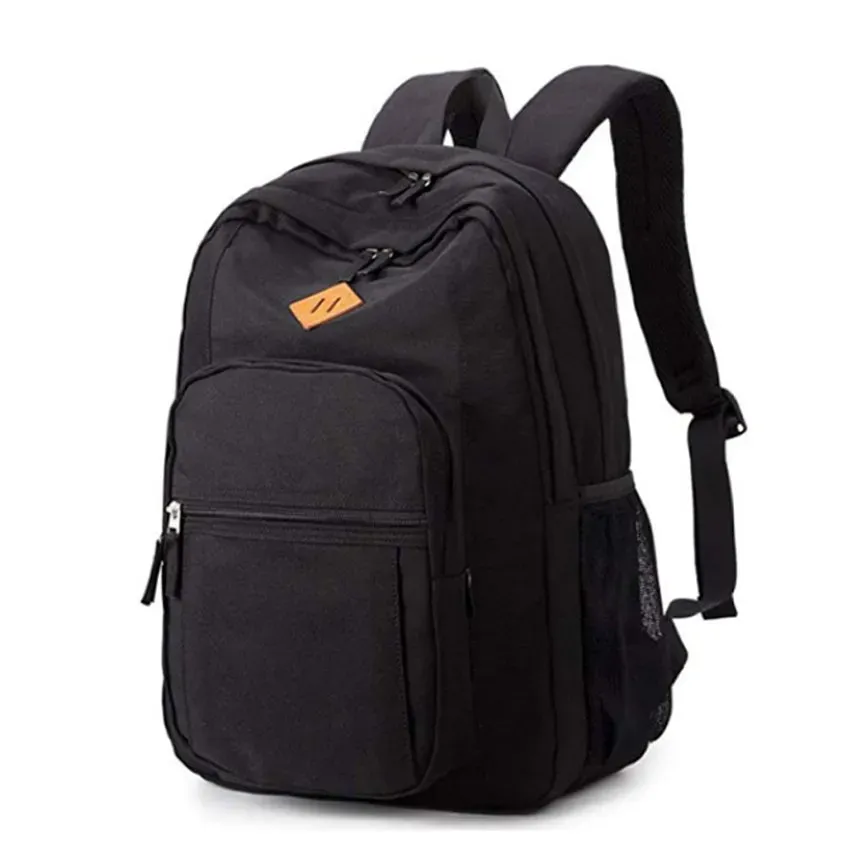
The standard school backpack is the most versatile option for everyday student use.
It usually has a main compartment for books and folders, one or more front pockets for smaller items, and side pockets for a bottle or umbrella.
This type works especially well for elementary, middle and high school students who do not need highly specialized sports, travel or security features.
Useful design priorities include:
- two adjustable shoulder straps
- a supportive back panel
- reinforced shoulder-strap attachment points
- accessible internal organization
- durable bottom construction
- an opening large enough for books and folders
For younger students, the backpack should remain proportionate to the child’s body rather than simply using an adult backpack pattern at a smaller scale.
For older students, a laptop or tablet sleeve may become more important.
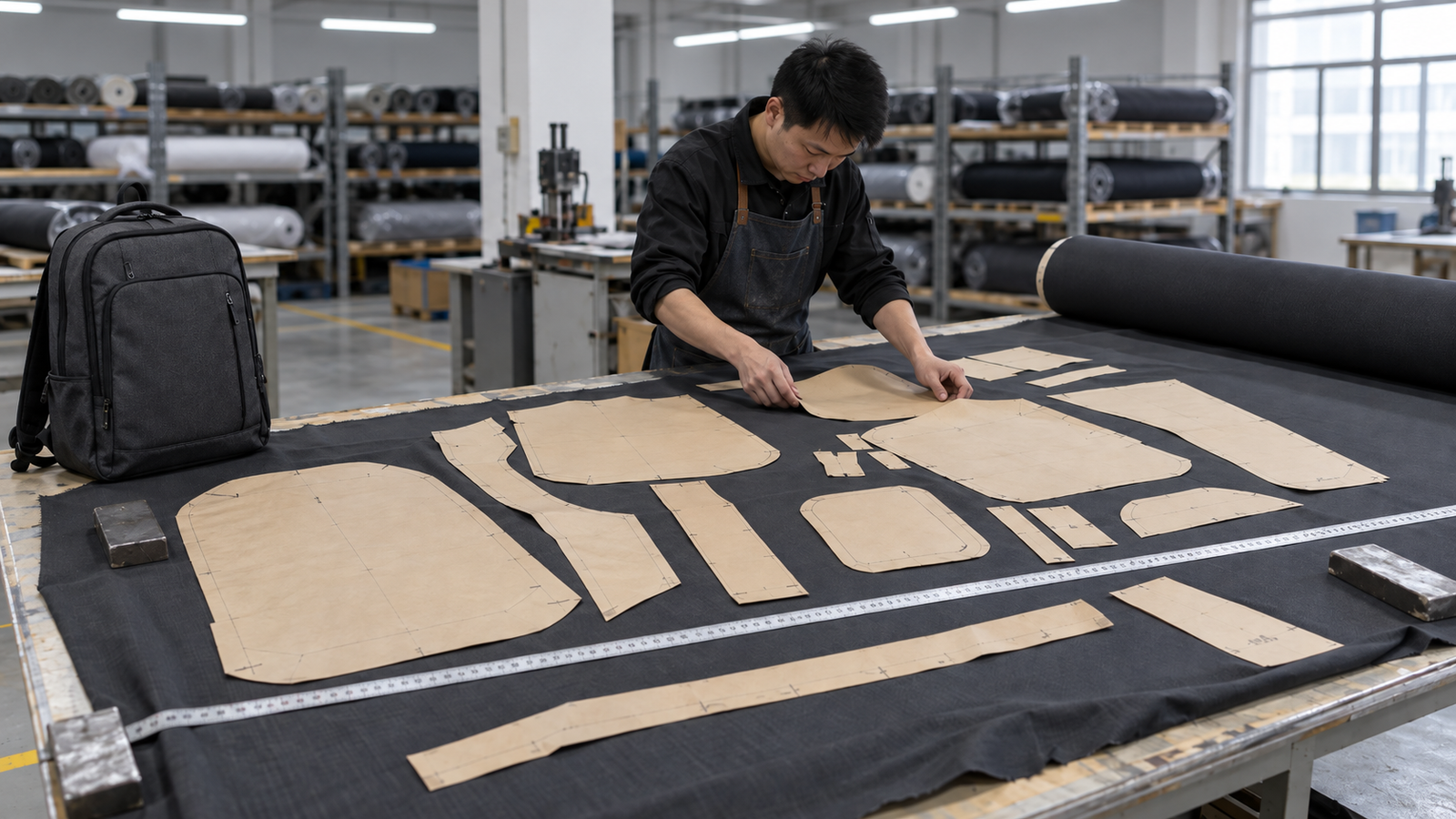
Factory note: Increasing the shell-fabric weight does not automatically solve durability problems. Shoulder-strap roots, the upper back seam, top handle and lower corners need appropriate reinforcement because these areas often carry more structural load.
2. Lightweight Backpacks for Elementary Students
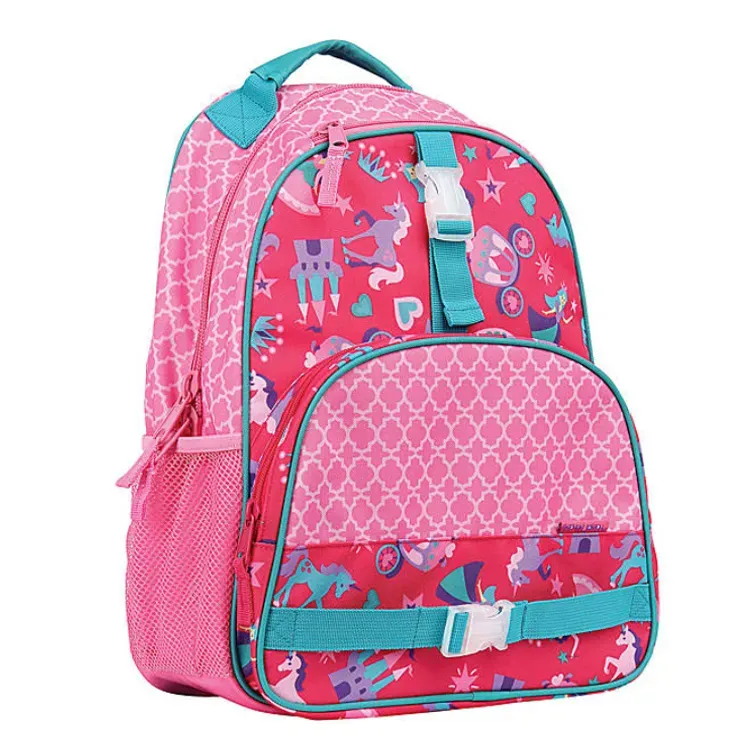
A lightweight school backpack is designed around a younger student’s smaller body and lighter daily load.
It should not simply be an adult backpack reduced in size.
The following details may need to change with the target age group:
- shoulder-strap spacing
- padded strap length
- back-panel height
- bag depth
- zipper reach
- buckle size
- pocket position
- adjustment range
A heavily padded or highly structured bag may look durable but can add unnecessary empty weight.
For preschool and elementary products, simple access, useful adjustment and appropriate proportions are often more important than complex organization.
Best for: preschool and elementary students carrying folders, lunch, stationery and other light daily items.
For more detail on fit, hardware and durability for younger users, see our kids backpack design guide.
3. Laptop Backpacks for High School and College

Laptop backpacks are designed for students who regularly carry a Chromebook, tablet or laptop between classes, home, work or a dorm.
The key difference from a basic school backpack is the device compartment.
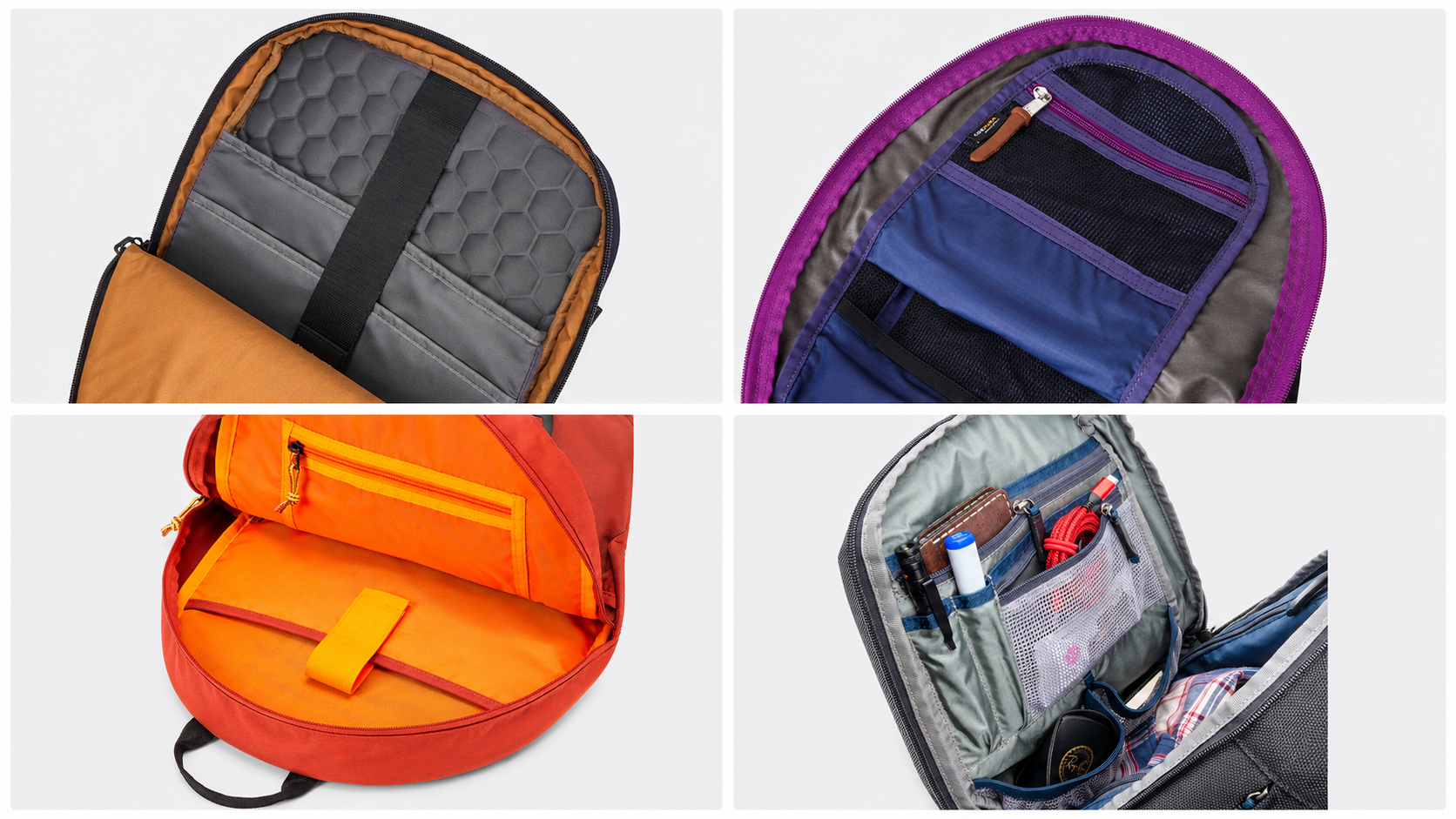
A practical laptop section should:
- fit the intended device size
- include suitable padding
- keep the device stable inside the compartment
- avoid placing hard hardware directly against the laptop
- remain accessible without emptying the entire backpack
For many school and college designs, the laptop compartment is positioned close to the back panel. This keeps the device away from the outer front of the bag and can help keep a heavier item closer to the wearer.
For college commuters, additional organization for chargers, documents and small electronics can be more useful than simply adding more pockets.
Best for: high school students, college commuters and students who carry devices daily.
4. Rolling School Backpacks for Heavy Loads

Rolling backpacks combine shoulder straps with wheels and a telescopic handle.
They can be useful when a student regularly carries a heavier load and has access to mostly flat surfaces.
However, adding wheels and a handle also adds weight and structural complexity.
Before developing or choosing a rolling school backpack, check:
- Wheel placement: the base should remain stable while rolling.
- Telescopic handle: it should extend and lock reliably.
- Backpack straps: they should not drag near the wheels during rolling.
- Bottom construction: wheel and handle loads need proper support.
- Loaded balance: the backpack should not tip too easily when standing.
Rolling backpacks may work well in long school corridors or campuses with smooth surfaces, but they are less convenient on stairs, crowded transport or uneven outdoor routes.
Best for: students with consistently heavy loads and suitable school environments.
5. Expandable Backpacks for School and College
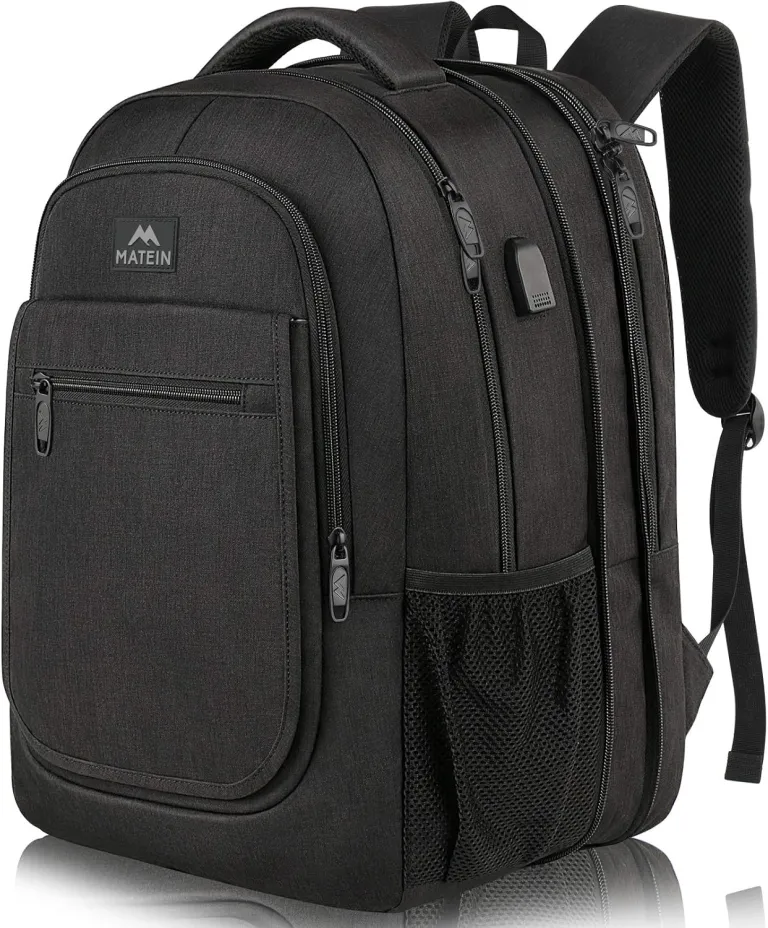
Expandable backpacks use an additional zipper or gusset to increase bag depth when extra space is needed.
This can be useful when a student’s load changes throughout the week.
Typical use cases include:
- books plus gym clothing
- class plus part-time work
- lunch or seasonal clothing
- art or project materials
- overnight school activities
- short college trips
The expansion should be designed so the backpack remains stable in both positions.
Poorly placed expansion can move extra weight too far away from the back panel or make the bag sag when fully loaded.
A practical layout keeps heavier items such as books and laptops closer to the back while using the expandable area for lighter items.
Best for: high school and college students with variable daily loads.
6. Sports and Gym Backpacks for Students
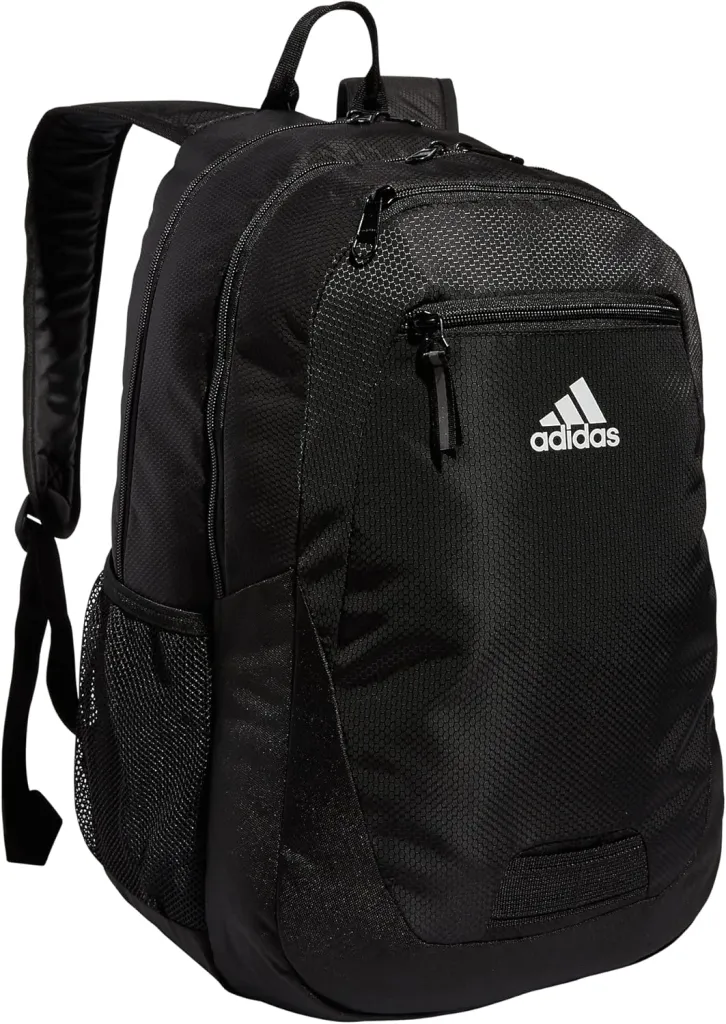
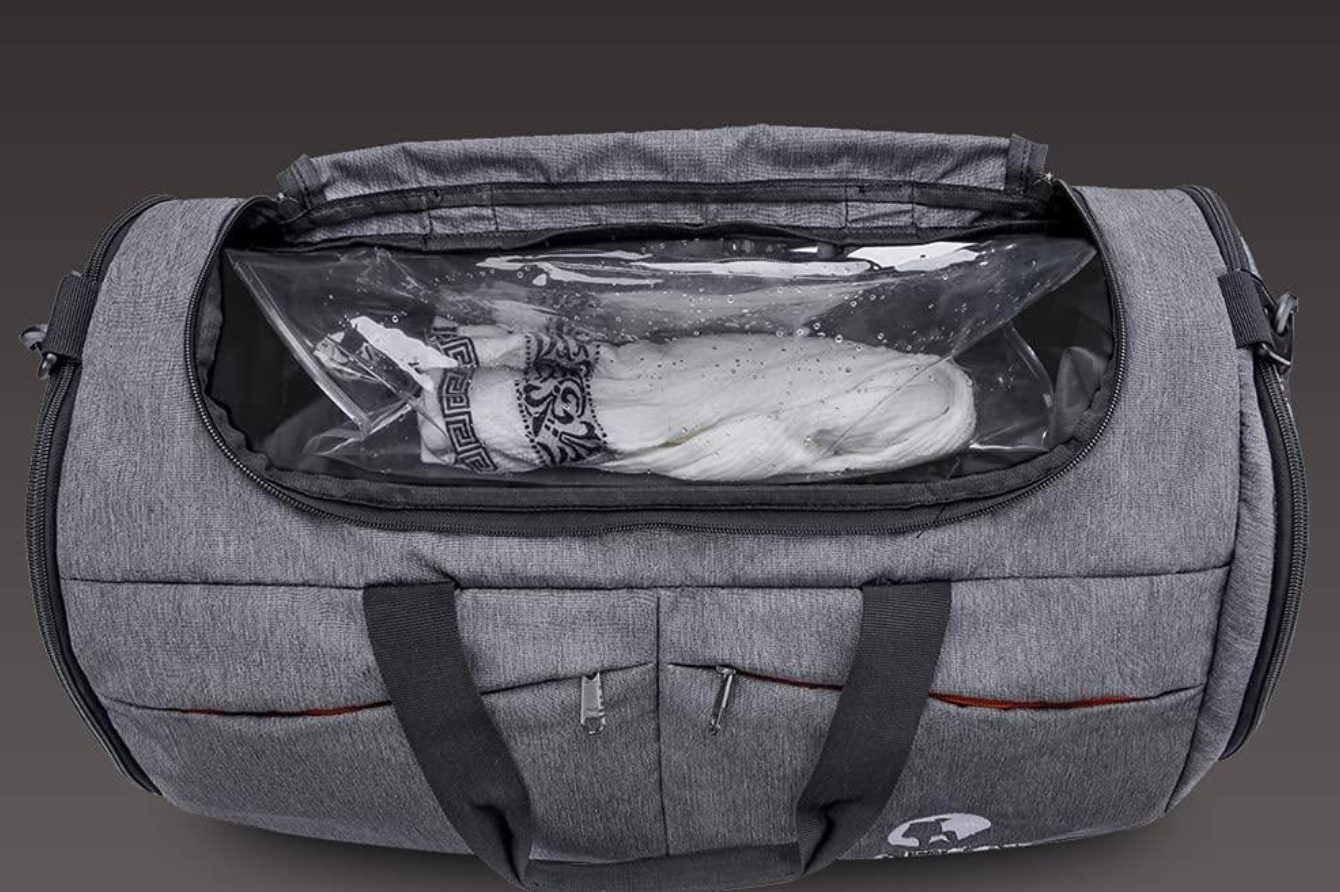
Sports backpacks are useful when students need to carry academic items and athletic equipment in the same bag.
The main design challenge is separation.
Shoes, damp clothing or field equipment should not share an unprotected compartment with notebooks or electronics.
| Feature | Why It Matters |
|---|---|
| Shoe compartment | Separates footwear from books and clothing |
| Ventilated or wet-item area | Helps isolate damp sports gear |
| Bottle pocket | Provides quick access during training |
| Protected base | Helps when the bag is placed on gym or field surfaces |
| Academic compartment | Keeps books and devices separate from sports equipment |
For students carrying both a laptop and sports equipment, the device sleeve is usually better positioned near the back panel, while shoes or wet items can be separated toward the bottom or front.
Best for: school athletes, PE programs and students who move directly between class and training.
7. Rucksacks for School and Campus Use
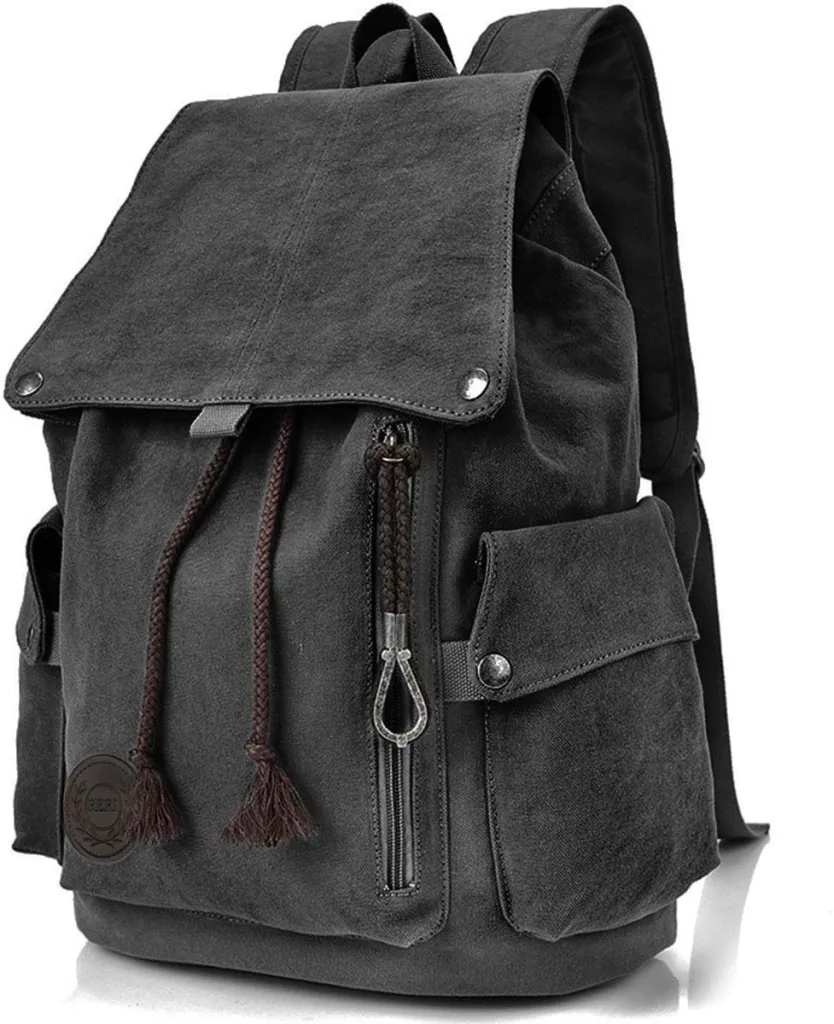
A rucksack usually has a flap-top or drawstring-style opening rather than the conventional full zipper opening of many school backpacks.
For campus use, this style can work well when the daily load is moderate and the buyer wants a more casual or heritage-inspired appearance.
The main consideration is internal organization.
A traditional single-compartment rucksack can become inconvenient when students need to separate:
- laptops
- books
- chargers
- stationery
- small personal items
If the product is intended for modern school or college use, adding a padded device sleeve and simple internal organization can make the format more practical.
Best for: college campuses, lighter daily loads and lifestyle-focused student collections.
8. Mini Backpacks for Preschool and Light Carry

Mini backpacks are intended for limited contents rather than full school loads.
They can work for:
- preschool
- lunch and snacks
- a small change of clothing
- basic stationery
- short activities
- light personal items
The smaller size should still be functional.
Zippers need to be reachable, shoulder straps need enough useful adjustment, and the opening should be large enough for the items the child is expected to carry.
Avoid adding too many small compartments simply because there is available panel space. On a very small backpack, excessive pockets can add weight without adding much usable capacity.
Best for: preschool, kindergarten and very light carry.
9. Drawstring Bags for PE and Gym Classes
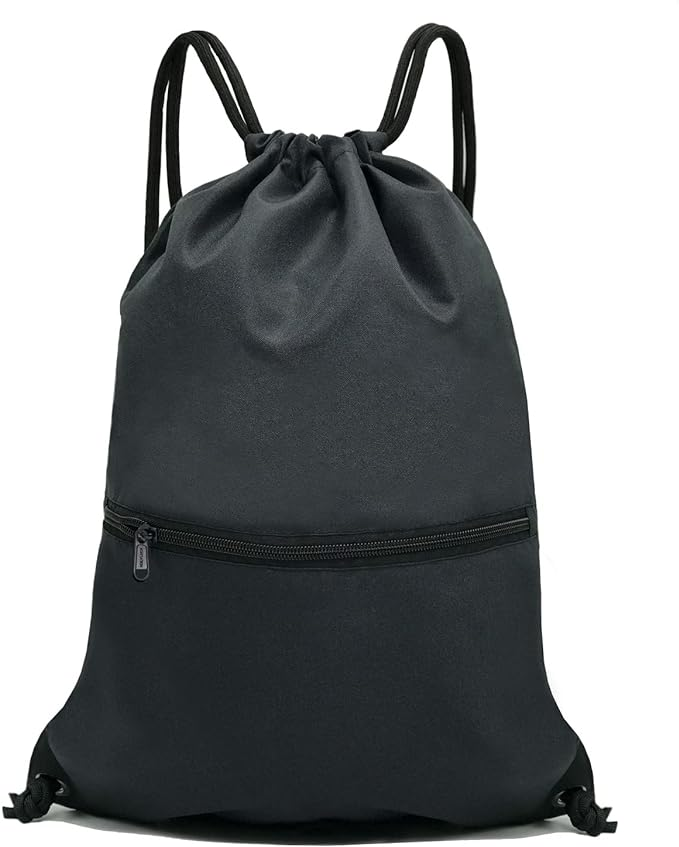
Drawstring bags are lightweight bags that use cords or webbing to close the top opening and act as shoulder straps.
They are useful for carrying:
- PE clothing
- lightweight sports gear
- shoes
- towels
- simple school supplies
- extracurricular items
Their main advantage is simplicity.
However, they are not a direct replacement for a structured backpack when students need to carry heavy books or electronics.
For school projects, the base fabric, cord attachment and lower-corner reinforcement are more important than the bag’s simple appearance might suggest.
Best for: PE, gym classes, sports programs and light secondary carry.
10. Fashion Backpacks for Middle and High School
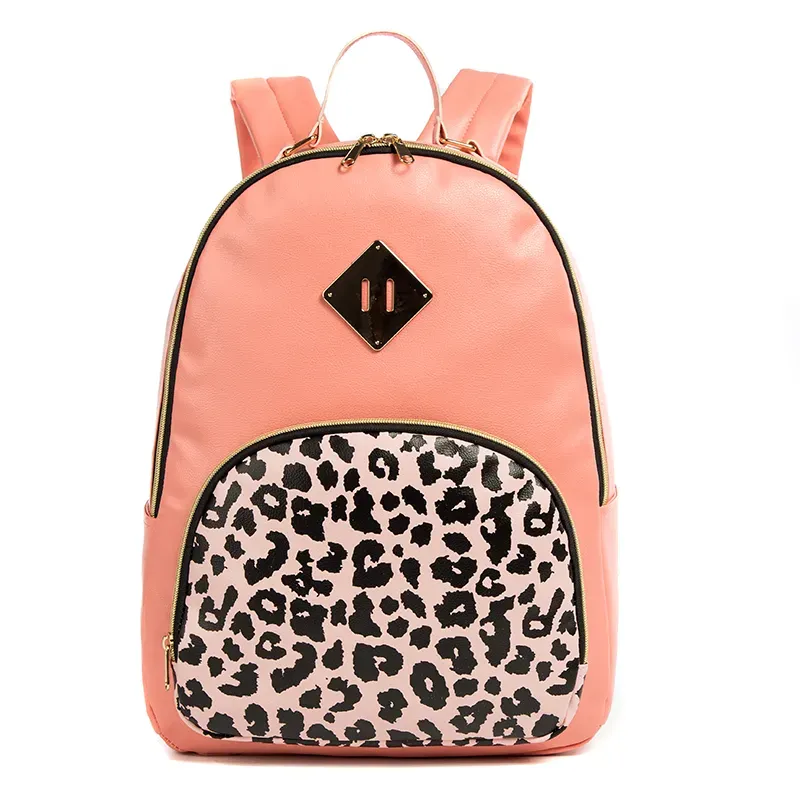
Fashion backpacks put more emphasis on color, print, silhouette, trims and branding.
They are especially relevant for teen-focused retail collections where the backpack is part of personal style as well as a school product.
However, visual design should not replace basic school function.
A fashion backpack still needs enough usable space for its intended contents, practical straps and a construction that can survive repeated daily use.
Common customization may include:
- printed fabrics
- embroidery
- patches
- synthetic-leather trims
- custom zipper pulls
- branded lining
- seasonal colors
Best for: middle school, high school and lifestyle-focused student collections.
11. Eco-Friendly School Backpacks
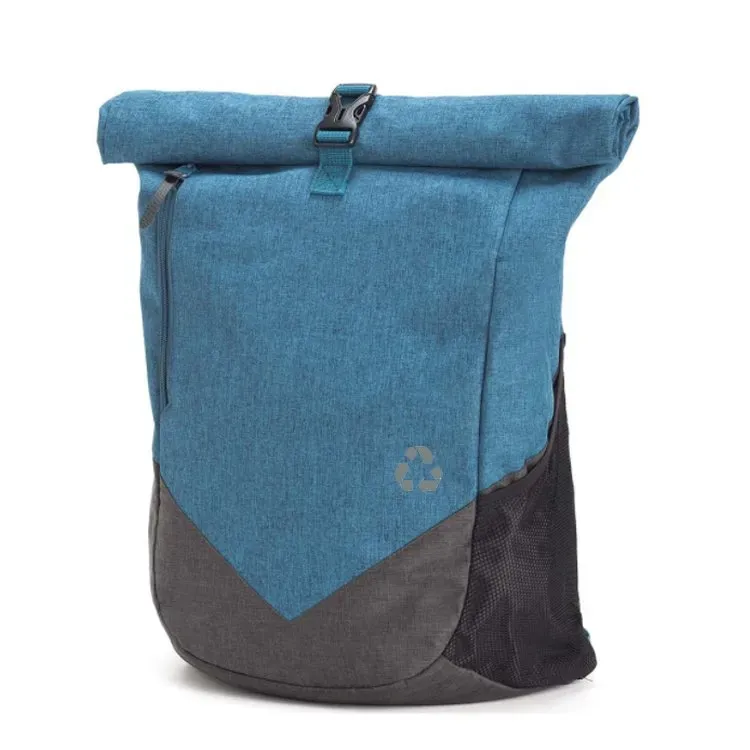
An eco-friendly school backpack is normally defined by its material and sourcing strategy, not by one specific shape.
Possible materials include RPET polyester, recycled nylon and other recycled or lower-impact options depending on the product requirements and supply chain.
For buyers, the important questions are:
- Which components need recycled content?
- What percentage is required?
- Is third-party certification required?
- Does the available MOQ fit the order?
- Does the recycled construction meet the same functional requirements?
A backpack should not be described as sustainable simply because one small component uses recycled material.
If a recycled-content claim matters to the project, the required documentation should be agreed before materials are ordered.
Best for: brands, schools and retailers with defined recycled-material requirements.
12. Bookbags for Textbooks and School Supplies

“Bookbag” is commonly used as another name for a school backpack, particularly in some markets.
It is not a universal technical construction category.
When buyers use the term, they often mean a backpack intended mainly for:
- textbooks
- notebooks
- folders
- stationery
- general school supplies
For heavier academic loads, practical construction matters more than the name.
Look at:
- shoulder-strap reinforcement
- back-panel support
- bottom construction
- usable main-compartment space
- zipper access
- internal organization
Best for: general school use where books and academic supplies are the main load.
13. Anti-Theft Backpacks for College Students

Anti-theft backpacks are usually designed to make access to important compartments less exposed during commuting.
Common design approaches can include:
- less visible main openings
- rear-access pockets
- lock-compatible zipper arrangements
- internal pockets for valuables
- structured laptop storage
These features can be useful for college students who regularly commute with electronics and personal items.
However, “anti-theft” is a broad marketing term. A hidden zipper does not make a backpack theft-proof.
The design should clearly define what security feature is actually being provided rather than relying only on the label.
Best for: college commuters, urban campuses and students regularly carrying laptops or electronics.
Which Backpack Type Fits Different Students?
The best backpack type depends on what the student needs to carry and how the bag will be used.
| Student Profile | Practical Starting Point | Why |
|---|---|---|
| Preschool / kindergarten | Mini or lightweight backpack | Limited load and smaller body proportions |
| Elementary student | Lightweight or standard school backpack | Simple organization with everyday capacity |
| Middle school student | Standard backpack with device sleeve | More books, folders and technology |
| High school student | Standard or laptop backpack | Larger academic and device load |
| High school athlete | Sports backpack | Separates school and athletic items |
| Student with consistently heavy loads | Rolling backpack | Allows the bag to be rolled on suitable surfaces |
| College commuter | Laptop or anti-theft backpack | Device storage and organized urban carry |
| College student with changing daily loads | Expandable backpack | Flexible capacity |
| PE / sports-only use | Drawstring bag | Lightweight secondary carry |
| Lifestyle-focused student | Fashion backpack or rucksack | Style combined with basic school function |
The table is a starting point rather than a fixed rule. A college student who carries almost nothing besides a laptop may need a smaller bag than a high school student carrying several books and sports gear.
Common School Bag Names and What They Mean
School bag terminology varies between countries, retailers and brands.
| School Bag Name | Typical Meaning |
|---|---|
| School backpack | General two-strap backpack for books and school supplies |
| Bookbag | Often another name for a school backpack used to carry books |
| Laptop backpack | Backpack with a padded device compartment |
| Rolling backpack | Backpack with wheels and a telescopic handle |
| Rucksack | Flap-top or drawstring-style backpack |
| Drawstring bag | Lightweight sack closed by cords |
| Mini backpack | Small backpack for limited contents |
| Sports backpack | Backpack designed to separate athletic and academic equipment |
| Anti-theft backpack | Backpack with less exposed or controlled-access compartments |
These names describe different things: some refer to shape, some to closure style, and others to intended use.
For this reason, a sourcing inquiry should include photos, dimensions and required features rather than relying on the product name alone.
How Should School Backpack Size Change by Age?
School backpack sizing should follow the student’s body proportions and expected contents, not age alone.
A preschool bag and a college backpack may use similar fabrics, but their dimensions, strap geometry and usable capacity should be very different.
| Student Group | Main Size Consideration |
|---|---|
| Preschool | Small, lightweight and easy to open |
| Elementary | Low empty weight and simple organization |
| Middle school | More book capacity and possible device storage |
| High school | Books, laptop and extracurricular equipment |
| College | Laptop, commuting needs and flexible daily carry |
Capacity in liters only describes internal volume. It does not tell you whether the backpack will fit the user’s torso correctly.
For more detailed capacity and dimension guidance, see our backpack size guide.
For younger users specifically, our kids backpack design guide explains how shoulder-strap spacing, bag depth, hardware and loaded fit should change with the target age group.
What Materials Are Commonly Used for School Backpacks?
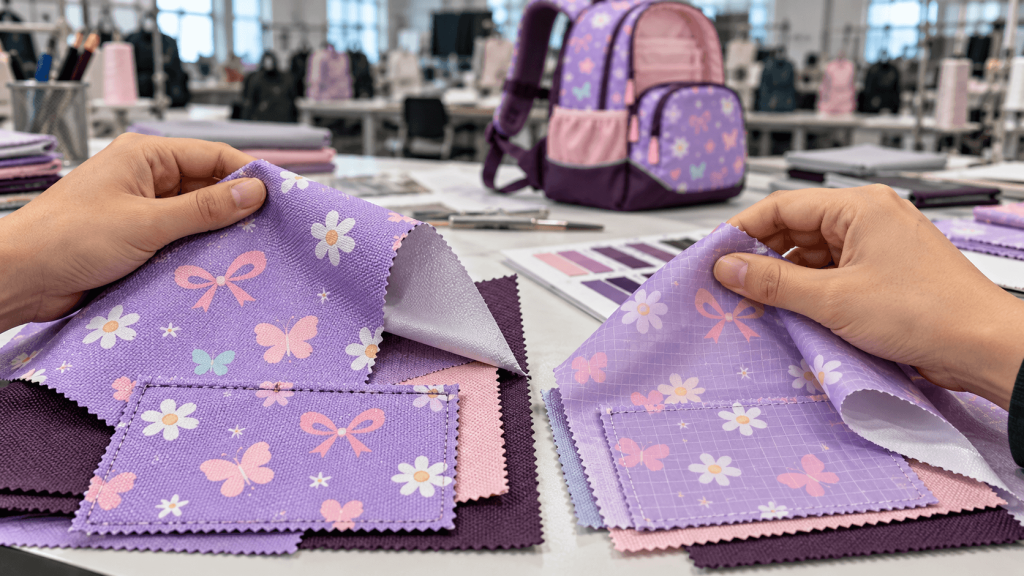
Polyester and nylon are common starting points for school backpacks, while RPET polyester and recycled nylon may be used when recycled content is part of the product requirement.
The correct material depends on more than fiber type.
Buyers should also consider:
- fabric weight or denier
- weave construction
- coating or backing
- print method
- expected daily wear
- target price
- required recycled-content documentation
A heavier fabric is not automatically better for every school backpack. For younger students in particular, unnecessary material weight can make the empty bag heavier without improving the overall construction.
For a full comparison, see our 12 common backpack materials guide.
What Should Buyers Check on a School Backpack Sample?
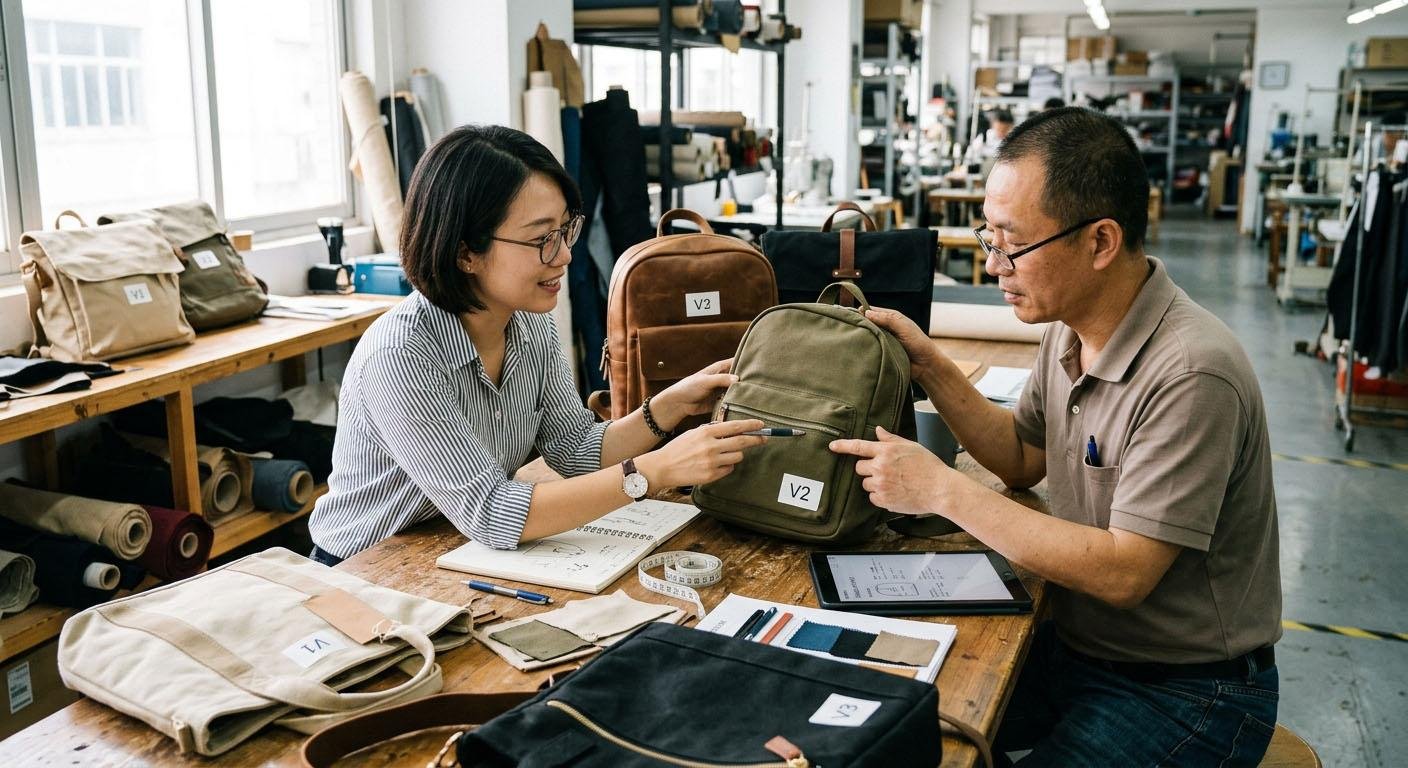
Before approving a school backpack for bulk production, test the complete product, not only the shell fabric.
Useful sample checks include:
- Shoulder-strap attachment: confirm reinforcement and sufficient overlap.
- Top handle: check how the handle is anchored inside the seam.
- Bottom and corners: review the areas that contact desks, floors and other surfaces.
- Zippers: open and close all compartments and check curved areas.
- Back panel: confirm that padding and structure suit the intended age group.
- Device compartment: test it with the actual laptop or tablet size where required.
- Loaded shape: pack realistic contents and check whether the backpack still carries correctly.
- Access: make sure the intended student can reach and operate the main openings.
- Branding: confirm logo size, position and method before bulk production.
- Color and materials: compare the sample with the approved references.
For younger students, ease of use can matter just as much as extra features. An oversized buckle, deep front pocket or stiff zipper may be acceptable to an adult but inconvenient for a child.
Choosing a School Backpack Type for a Custom Project
There is no single school backpack type that works for every student.
A preschool backpack should prioritize proportion, low weight and simple access, while a high school or college backpack may need more capacity, laptop protection, sports storage or commuting features.
For brands and buyers, the best starting point is to define the user and daily load before choosing the final backpack structure.
Developing a School or College Backpack?
If you are developing a school backpack collection, send us:
- target age group or student profile
- destination market
- required dimensions or capacity
- laptop or device size, if applicable
- school, sports or commuting functions
- reference images or drawings
- preferred materials and branding
- estimated order quantity by color
These details help us evaluate the backpack type, structure, materials and sampling requirements before production.
Contact us to discuss your custom school backpack project.

FAQ About School and College Backpack Types
Is a Bookbag the Same as a Backpack?
Often, yes.
“Bookbag” is commonly used as another name for a school backpack, although the exact meaning varies by market. When sourcing, it is better to define the actual construction, dimensions and required compartments instead of relying only on the name.
What Type of Backpack Is Best for a College Commuter?
A laptop backpack is usually a practical starting point.
Students who commute with electronics may also benefit from controlled-access pockets, organized storage and a shape that works comfortably on public transport. The correct size depends on the laptop, books and other daily items.
Does an Elementary School Backpack Need a Laptop Compartment?
Not always.
If the school requires a tablet or Chromebook, a padded device sleeve may be useful. If no device is carried, adding a heavy padded laptop section can create unnecessary weight and reduce usable space.
When Is a Rolling Backpack More Practical Than a Standard Backpack?
A rolling backpack can make sense when the student regularly carries a heavier load and moves mainly across flat surfaces.
It is less practical when the route includes stairs, uneven ground, crowded buses or locations where the backpack needs to be carried frequently.