Struggling to find unique backpacks that truly represent your brand? You’re not alone. Many brand owners feel stuck with generic options from wholesalers, which makes it hard to stand out. But what if you could work directly with a custom backpack manufacturer1to bring your vision to life?
Yes, you can absolutely buy directly from a backpack manufacturer, especially for bulk or custom orders. This approach is ideal for businesses and brand owners seeking better pricing, full customization2, and a direct line of communication. However, it almost always requires meeting a Minimum Order Quantity (MOQ).

Going direct sounds great, but it’s not just about picking up the phone. There are amazing benefits and real challenges to consider. In my years in the bag industry, I’ve seen brands thrive by making this switch, but I’ve also seen others stumble. Let’s break down what you really need to know before you dive in, so you can make the best decision for your brand.
[claim claim=”Anyone can buy a single backpack directly from any manufacturer.” istrue=”false” explanation=”Most manufacturers are set up for B2B (business-to-business) sales and have Minimum Order Quantities (MOQs), making single-unit purchases impractical.”]
[claim claim=”Buying directly from a manufacturer can significantly lower your cost per unit.” istrue=”true” explanation=”By cutting out middlemen like distributors and wholesalers, you avoid their markups, leading to better pricing and potentially higher profit margins for your brand.”]
Why Buy Directly from a Bag Manufacturer? The Benefits?
Are high costs and limited creative control holding your bag brand back? Wholesalers offer convenience, but their markups shrink your profits and their stock limits your unique vision. Going direct to the source unlocks major benefits that can accelerate your brand’s growth.
The main benefits of buying directly from a manufacturer include lower costs per unit, greater control over customization and quality, direct communication3, and access to the latest materials and techniques. This direct relationship helps you build a product that truly aligns with your brand identity.
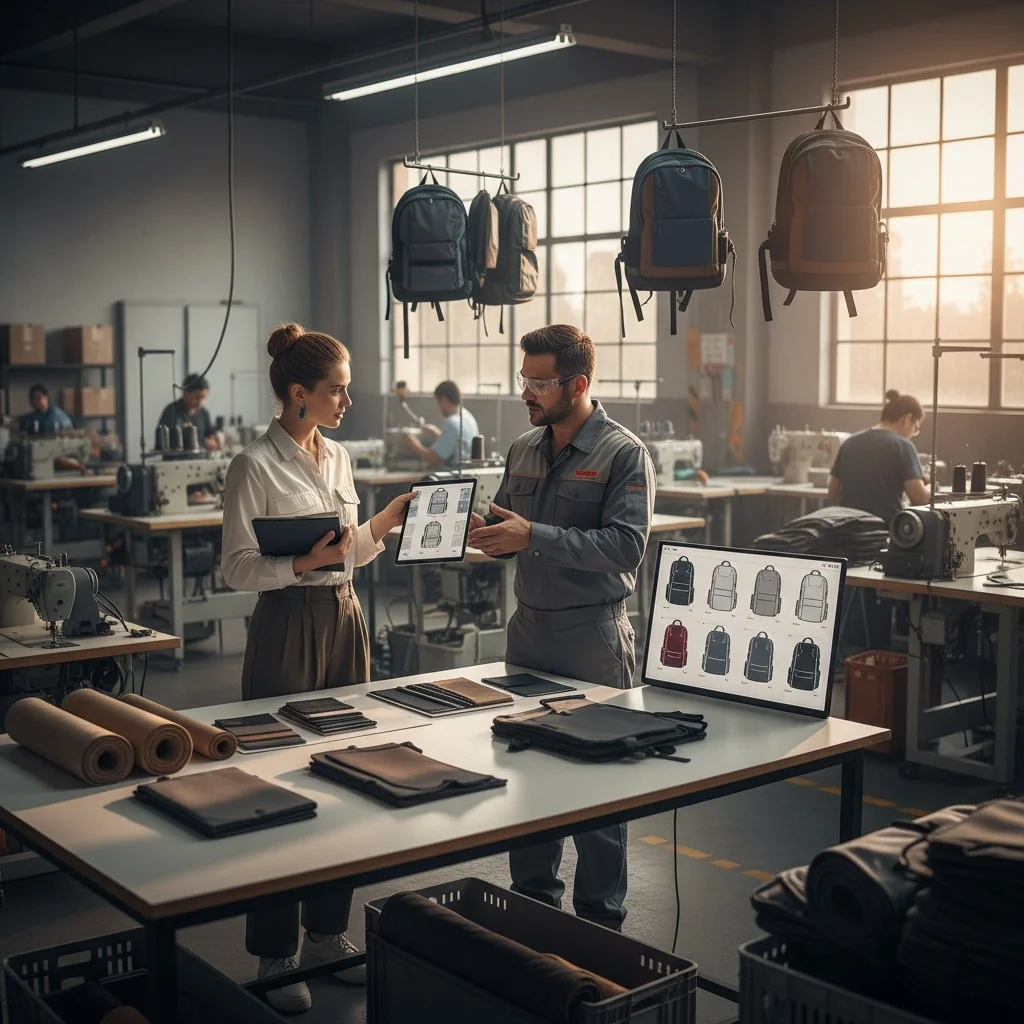
Better Pricing and Higher Margins
The most obvious advantage is cost. When you buy from a wholesaler or distributor, you’re paying for the product plus their markup. By going straight to the factory, you eliminate that extra layer. This lower per-unit cost gives you two powerful options: you can either offer more competitive retail pricing to attract customers or maintain your price point and enjoy higher profit margins. I’ve seen this simple change make a huge difference in a brand’s profitability, freeing up cash for marketing and new product development.
Unmatched Customization and Control
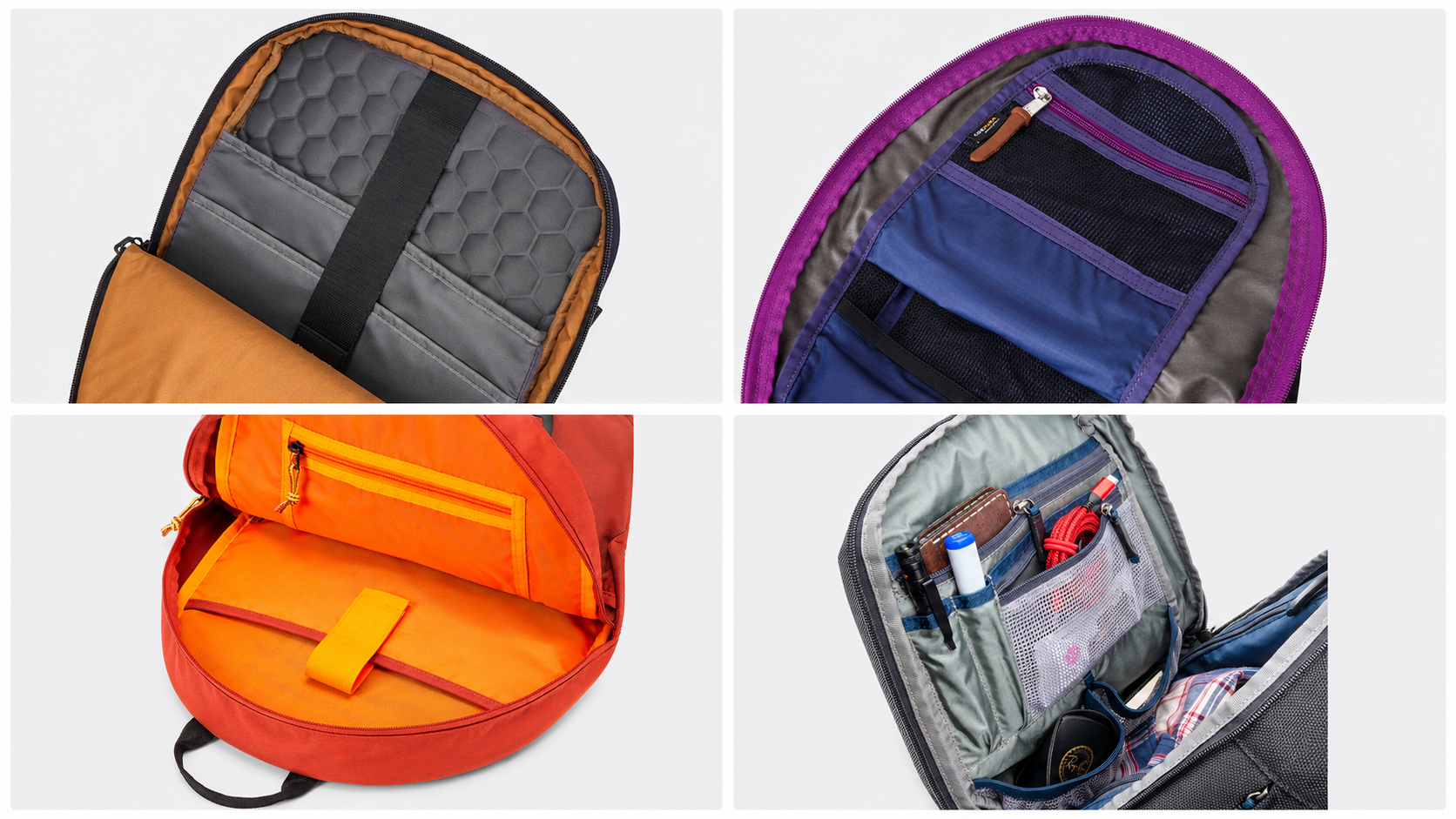
This is where the real magic happens for brand owners. Working directly with a manufacturer means you’re in the driver’s seat. You can go far beyond just adding a logo. You can specify the exact fabric, choose the zipper pulls, design the pocket layout, and even create a completely new shape. I remember working with a client who wanted a specific recycled fabric for her travel bags. No wholesaler had it, but by partnering with a factory, we sourced it and created a truly unique, sustainable line that became her bestseller.
| Feature | Buying Direct | Buying from Wholesaler |
|---|---|---|
| Cost | Lower per unit | Higher per unit (includes markup) |
| Customization | Fully customizable (OEM/ODM) | Limited to stock items |
| Communication | Direct with factory team | Through a middleman |
| MOQ | Usually higher | Often lower |
[claim claim=”Direct sourcing gives you full control over the materials used in your backpacks.” istrue=”true” explanation=”You can specify everything from the main fabric and lining to the type of webbing and thread, ensuring the final product meets your quality and brand standards.”]
[claim claim=”All manufacturers offer the same level of customization.” istrue=”false” explanation=”Manufacturing capabilities vary greatly. Some factories specialize in simple ODM modifications, while others are equipped for complex OEM projects from scratch. Always verify their expertise.”]
What Are the Challenges of Buying Directly from Manufacturers?
Worried about the hidden risks of going direct, like high order minimums or communication barriers? The dream of custom designs can quickly turn into a nightmare of logistical headaches and costly mistakes. Let’s shine a light on the common challenges so you can navigate them like a pro.
The main challenges include high Minimum Order Quantities (MOQs), complex logistics and shipping, potential communication and cultural barriers, and the need for rigorous quality control4. Overcoming these hurdles requires careful planning and finding a reliable manufacturing partner you can trust.
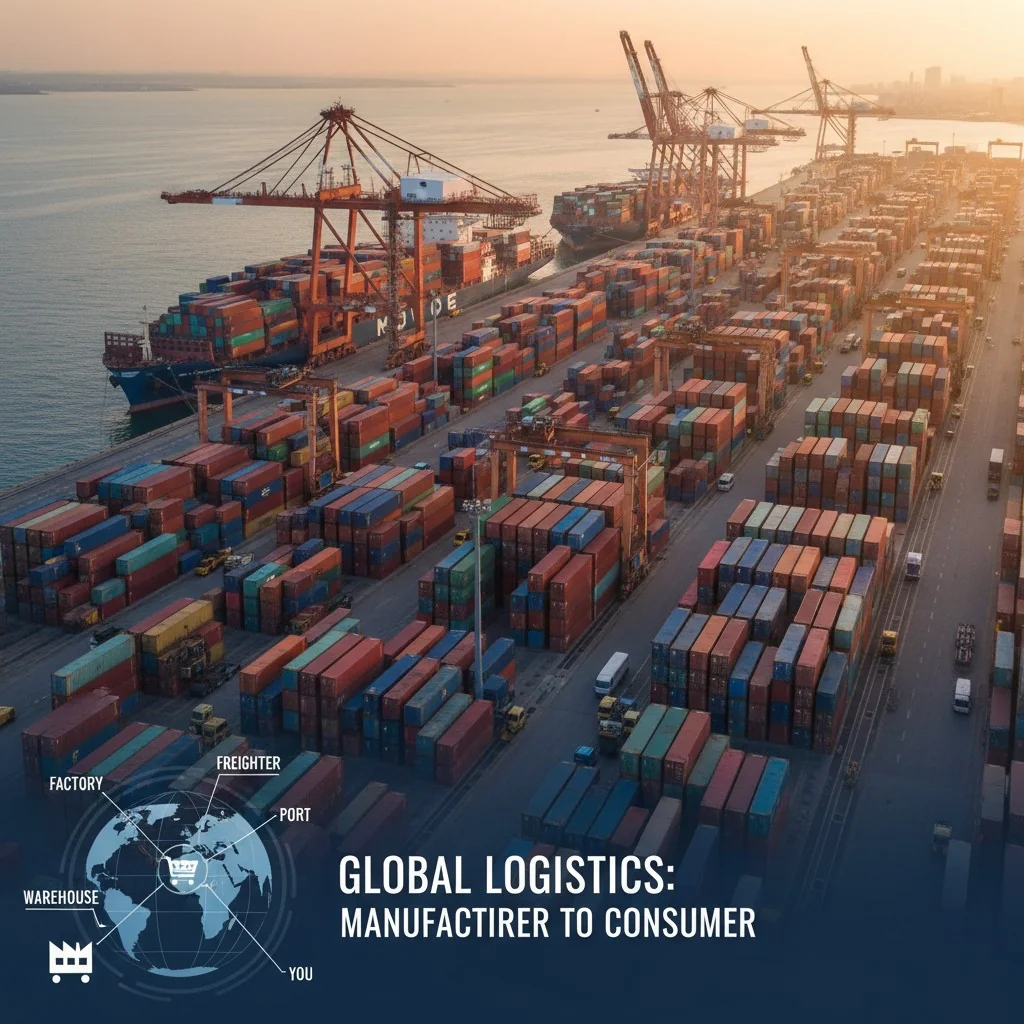
Meeting the Minimum Order Quantity (MOQ)
Manufacturers operate on volume. To set up their production lines efficiently, they require you to order a minimum number of units, known as the MOQ. This can range from a few hundred to several thousand pieces per style or color. For a new brand or a small business, this can be a significant upfront investment in both cash and inventory. It’s the first and biggest hurdle you’ll need to clear. Before you even contact a factory, you need to be realistic about whether you can meet their minimums.
Navigating Logistics and Communication
When you buy direct, you’re often dealing with international shipping, which is a world away from domestic mail. You’ll need to understand terms like FOB (Free on Board) and EXW (Ex Works), and you’ll be responsible for customs clearance, import duties, and taxes. On top of that, there can be language barriers and time zone differences. I’ve had many late-night video calls to clarify a design detail with a factory on the other side of the world. Clear, patient communication is absolutely essential.
Ensuring Quality and Timelines
With no middleman, the responsibility for quality control (QC) falls squarely on you. You can’t assume every unit will be perfect. This means you may need to hire a third-party inspection service to check the goods before they ship or even visit the factory yourself. Production can also face unexpected delays. A good manufacturer will be transparent about their timeline, but you should always build a buffer into your launch schedule just in case.
[claim claim=”MOQ stands for Minimum Order Quantity.” istrue=”true” explanation=”This is the smallest number of units a factory is willing to produce in a single production run, a standard practice in the manufacturing industry.”]
[claim claim=”All international shipping costs are paid by the manufacturer.” istrue=”false” explanation=”Shipping responsibilities are defined by Incoterms (e.g., FOB, EXW). Often, the buyer is responsible for freight, insurance, and import duties from the port of origin.”]
Should You Hire a Sourcing Agent?
Feeling overwhelmed by the thought of finding and vetting factories on your own? The process is time-consuming and full of potential pitfalls that could cost you time and money. A sourcing agent5 can be your expert on the ground, but is it the right move for your business?
Hiring a sourcing agent can be very helpful if you lack experience, time, or local contacts. They assist in finding and vetting factories, negotiating prices, and managing production. However, this service comes at a cost, usually a commission on your order value.

The Role of a Sourcing Agent
Think of a sourcing agent as your local partner. They live in the manufacturing region and have an established network of factories. Their job is to bridge the gap between you and the manufacturer. They can help you find factories that are a good fit for your product, negotiate better prices, manage communication, and oversee quality control on your behalf. For a first-timer, a good agent can be invaluable.
The Alternative: A Full-Service Manufacturer
Another path is to partner with a manufacturer that has a strong, English-speaking client management team and a transparent process. For example, at Osgoodway, we function as a direct partner, guiding our clients through the entire journey from design to delivery. This model gives you the cost benefits of buying direct and the clear communication you need, without the added expense of a third-party agent. It’s about finding a manufacturer who sees themselves as part of your team.
| Pros of a Sourcing Agent | Cons of a Sourcing Agent |
|---|---|
| Expertise & Network | Added Cost (Commission) |
| On-the-Ground Support | Less Direct Control |
| Negotiation & Vetting | Potential for Miscommunication |
| Saves Time | Finding a good agent is a challenge |
[claim claim=”Sourcing agents typically charge a percentage of the total order cost as their fee.” istrue=”true” explanation=”This commission usually ranges from 3% to 10%, depending on the agent’s services, the complexity of the order, and the total value.”]
[claim claim=”A sourcing agent guarantees a perfect production run with no issues.” istrue=”false” explanation=”While a good agent significantly mitigates risks, problems can still occur. Their value lies in helping to prevent and resolve these issues, but they cannot eliminate all potential challenges.”]
Where Can You Find Backpack Manufacturers to Buy From?
Ready to find a manufacturing partner but have no idea where to even start looking? A simple Google search brings up thousands of results, leaving you more confused than when you started. I’ll share the go-to resources that industry insiders use to find reliable factories.
You can find backpack manufacturers on B2B online marketplaces6 like Alibaba and Global Sources, by attending international trade shows, through professional networks like LinkedIn, or by using targeted supplier directories. A direct referral from a trusted industry contact is often the best method.
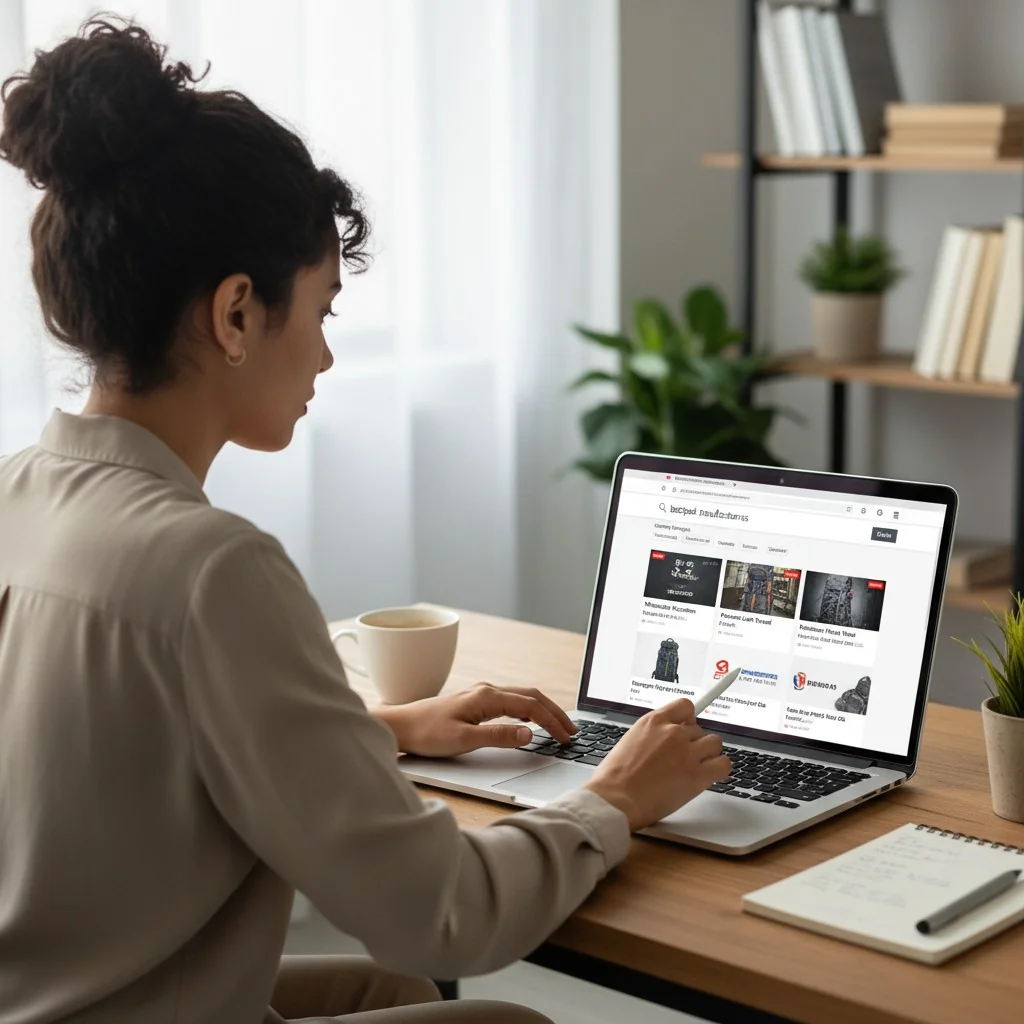
Online B2B Marketplaces
Platforms like Alibaba, Global Sources, and Made-in-China.com are massive directories of suppliers. They are a great starting point for your research. When using these sites, look for suppliers with several years of experience, positive reviews, and certifications like "Gold Supplier" or "Verified Supplier." But remember, these are just listings. You must do your own vetting. Think of them like a phone book—it gives you the number, but you have to make the call and see if it’s a good fit.
Industry Trade Shows
Attending a major trade show like the Canton Fair in China can be a game-changer. Here, you can meet dozens of manufacturers face-to-face in just a few days. You can touch and feel their sample products, which tells you a lot about their quality and capabilities. It’s an incredible way to build relationships and find partners you can trust. The ability to have a real conversation and see their work in person is invaluable.
Professional Networks and Direct Outreach
Don’t underestimate the power of your network. Use LinkedIn to search for factory owners or production managers. Join online forums and Facebook groups for e-commerce and brand owners, and ask for referrals. A recommendation from someone who has already worked with a factory is often the safest bet. And of course, you can reach out to established manufacturers directly through their websites, like ours at Osgoodway. A professional website with clear information, case studies, and client testimonials is always a great sign.
[claim claim=”The Canton Fair is one of the largest trade fairs in the world, held in Guangzhou, China.” istrue=”true” explanation=”It occurs twice a year and is a major event for sourcing a vast range of products, including bags, luggage, and textiles, directly from Chinese manufacturers.”]
[claim claim=”All suppliers on Alibaba are verified factories.” istrue=”false” explanation=”Alibaba hosts manufacturers, trading companies, and wholesalers. You must perform due diligence, such as asking for a business license and factory audit reports, to confirm you are dealing directly with a factory.”]
How to Buy Backpacks Directly from Manufacturers: A Step-by-Step Guide?
You’ve found a potential manufacturer, but what’s the next step? How do you go from an idea in your head to a finished product ready to sell? The process can seem intimidating, with technical terms and multiple stages you don’t want to mess up. Here is my simple, step-by-step guide to navigating the direct manufacturing process with confidence.
To buy directly, first prepare a detailed design brief or "tech pack." Then, contact potential manufacturers for a quote. Next, request and approve a sample. Finally, negotiate terms, place your bulk order, and arrange for quality inspection and shipping.
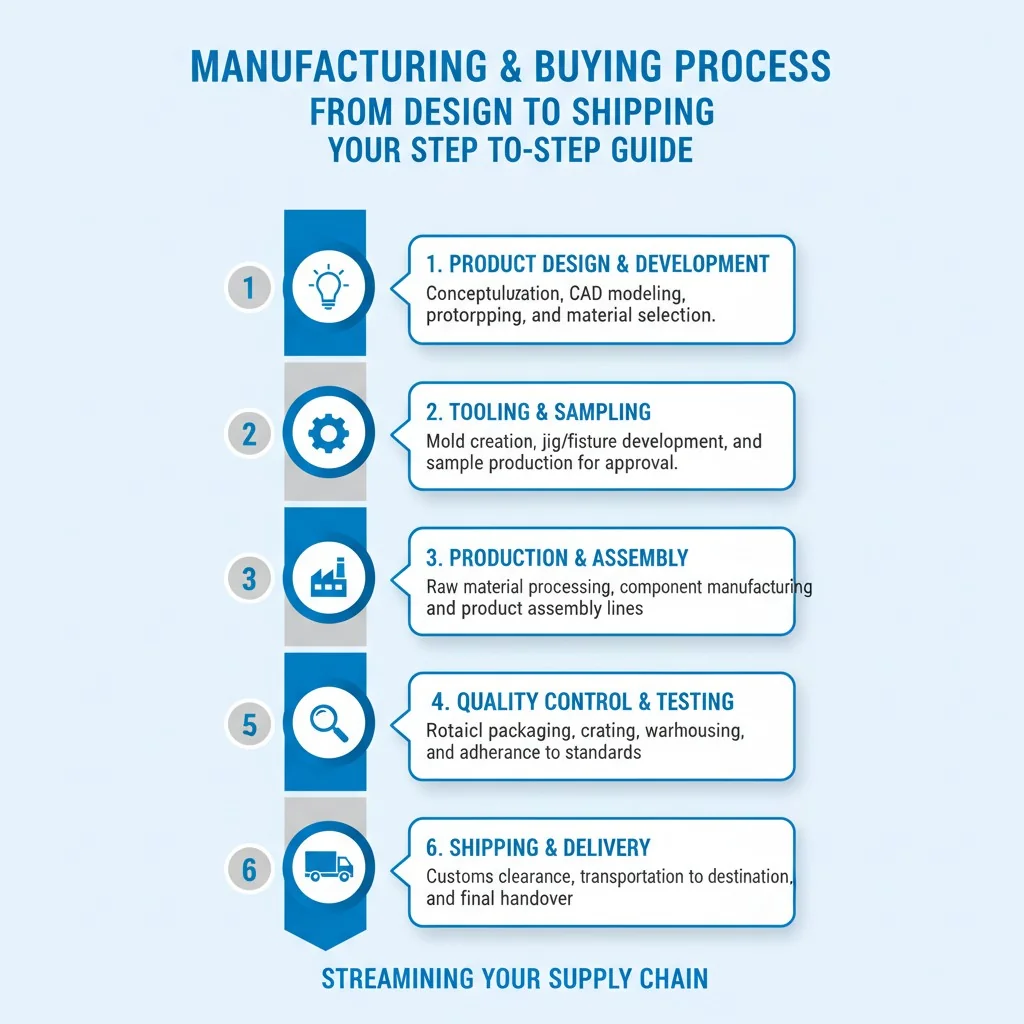
-
Prepare Your "Tech Pack"
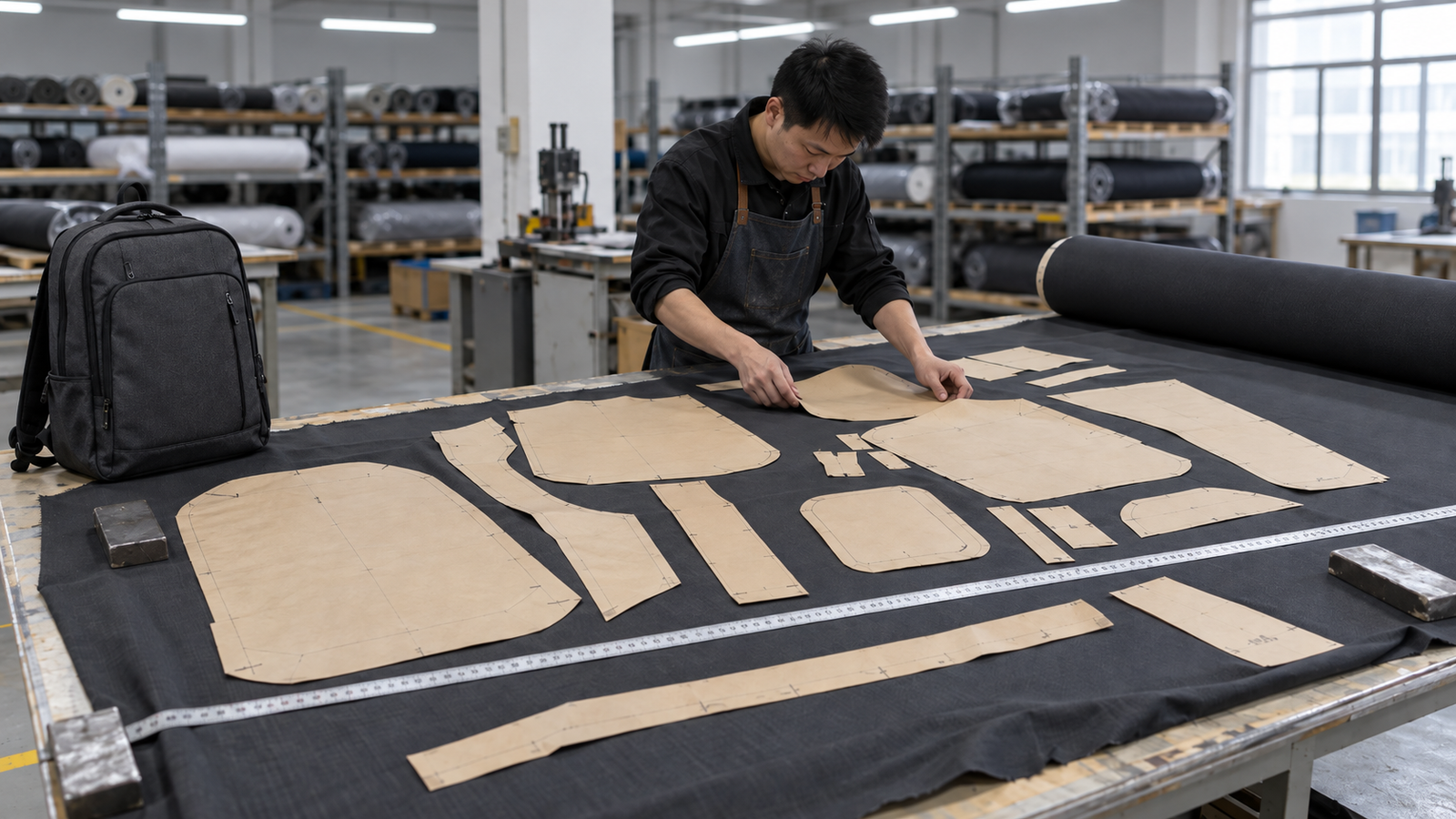
A tech pack is the blueprint for your backpack. It’s a detailed document that includes everything: dimensions, materials, color codes (like Pantone), hardware specifics, logo placement, and stitching details. The more detailed your tech pack, the more accurate your quote and sample will be. It’s the single most important tool for clear communication. -
Initial Outreach and RFQ (Request for Quotation)
Send your tech pack to a shortlist of 3-5 manufacturers. In your email, introduce your brand and ask for a quotation (RFQ). Be sure to ask for pricing at different quantities (e.g., 500, 1000, 2000 units), the cost for a sample, and their estimated production lead time. -
Sample Development and Approval
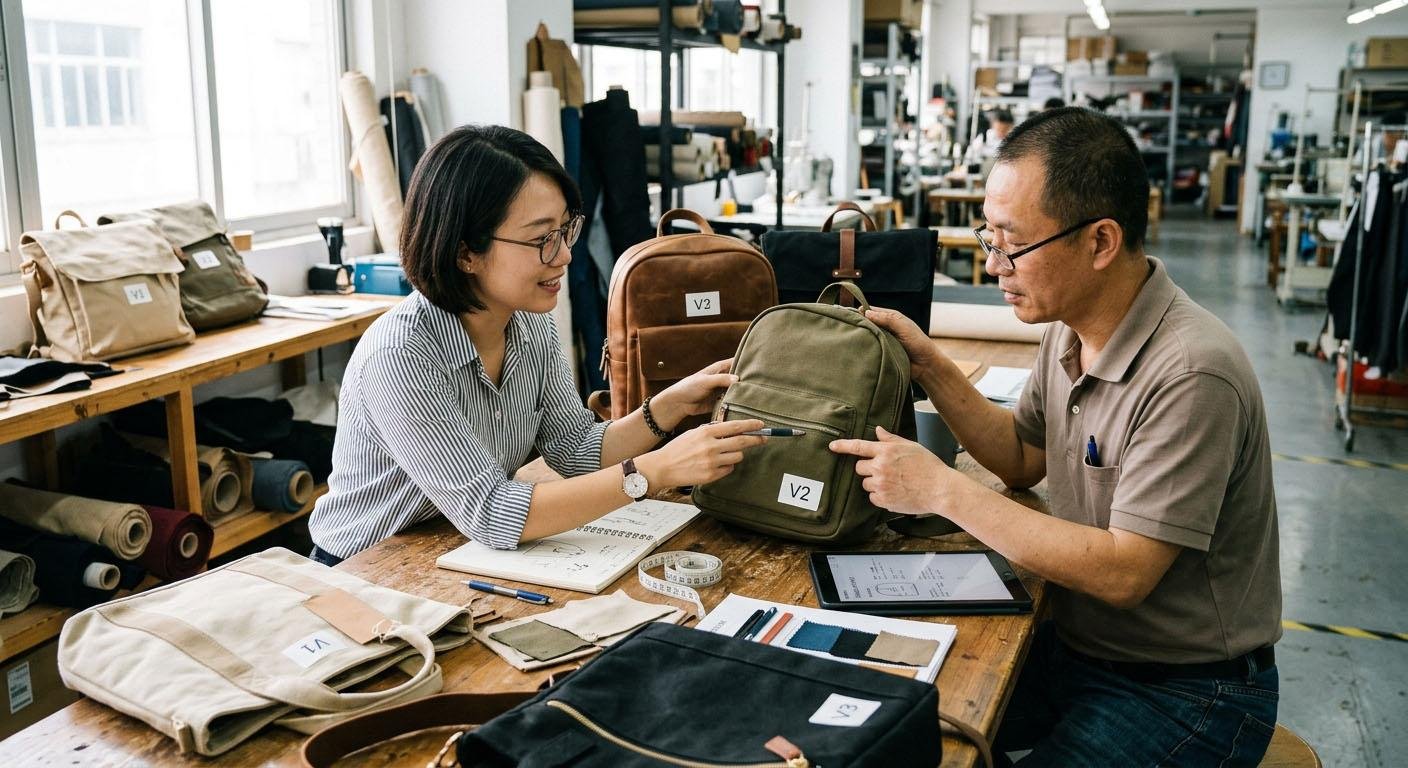
Never, ever skip the sample stage. This is your chance to physically hold the product, test its quality, and check every detail. You will likely have to pay for the sample and shipping, but it’s a small price to pay to avoid a bulk order of flawed products. Request any necessary revisions until the sample is perfect. -
Negotiation and Placing the Order
Once you approve the final sample, it’s time to place your bulk order. Negotiate the final price and payment terms (a common structure is 30% deposit upfront and 70% balance upon completion). Formalize everything in a Purchase Order (PO) that clearly outlines all specifications, costs, and timelines. -
Production, QC, and Shipping
The factory will begin mass production. During this time, plan for a pre-shipment quality control inspection. You can hire a third-party service to do this for you. Once the goods pass inspection, you’ll pay the remaining balance, and the manufacturer will prepare the order for shipping.
[claim claim=”A ‘tech pack’ is a technical document created by designers to communicate a design to a manufacturer.” istrue=”true” explanation=”It serves as a complete instruction manual, containing all the specifications needed to construct the product accurately.”]
[claim claim=”You should always choose the manufacturer with the lowest price.” istrue=”false” explanation=”The lowest price can often signal lower-quality materials, poor workmanship, or unreliable service. It’s crucial to balance cost with quality, communication, and reliability to protect your brand’s reputation.”]
Can I customize a backpack if I buy directly from the manufacturer?
Is your brand’s identity getting lost in a sea of generic, off-the-shelf products? You have a unique vision for a backpack, but wholesalers only let you slap a logo on their existing designs. Discover the incredible level of customization that becomes possible when you partner directly with a manufacturer.
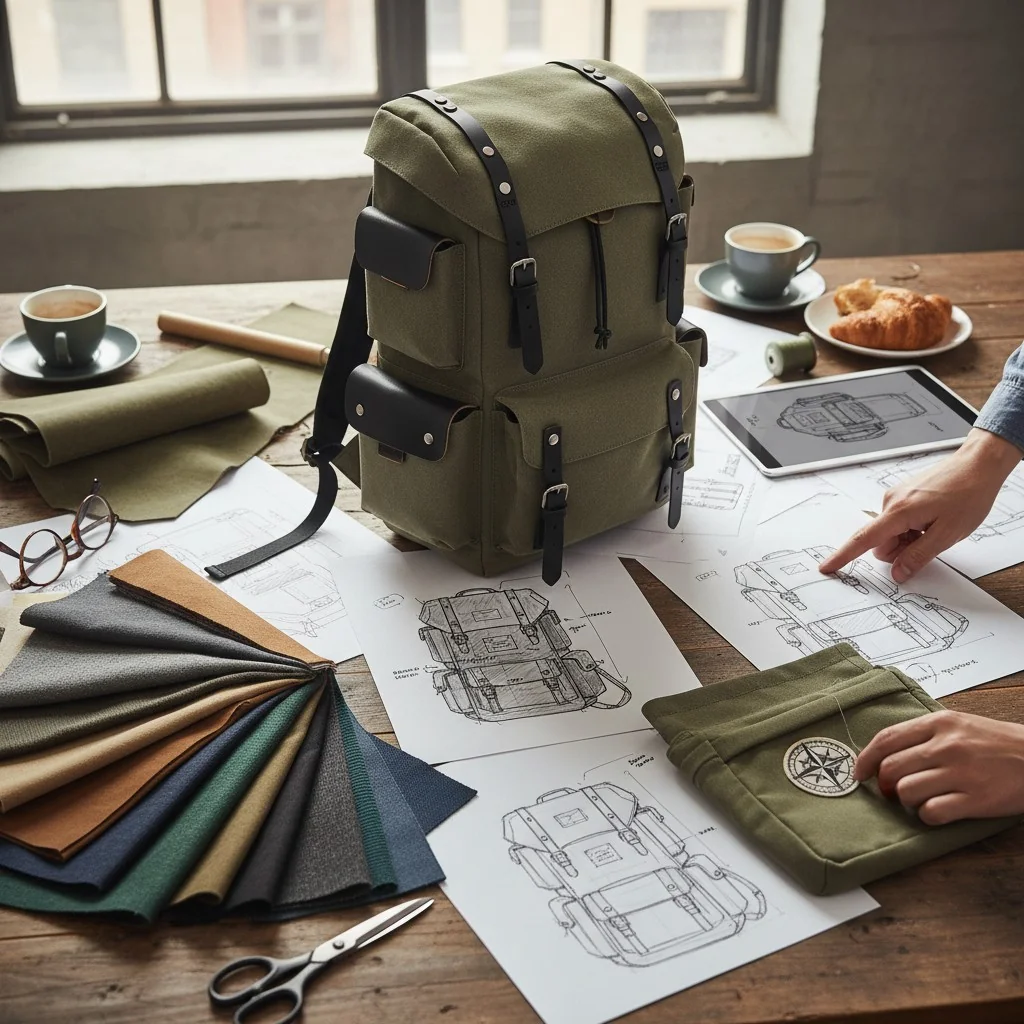
Yes, absolutely. Customization is one of the primary reasons to buy directly from a manufacturer. You can modify existing designs (ODM) or create a completely new product from scratch (OEM), controlling everything from materials and colors to features and branding.
Understanding OEM vs. ODM
These are two terms you’ll hear a lot. Understanding them is key to getting the product you want.
- OEM (Original Equipment Manufacturer): This is where you bring a completely original design to the factory. You provide the tech pack, and they build your unique product from scratch. This route offers maximum creative freedom and is perfect for brands with a strong, specific vision.
- ODM (Original Design Manufacturer): This is when you select a design from the manufacturer’s existing catalog and ask them to modify it for you. You can change the colors, add your logo, and switch out materials. This process is generally faster and less expensive than OEM, making it a great option for getting a semi-custom product to market quickly.
What Can You Customize?
When you work directly with a factory, the possibilities are vast. You’re not just sticking a logo on something. You can control nearly every aspect of the bag, including:
- Materials: Choose from canvas, nylon, polyester, sustainable options like RPET, vegan leather, and more.
- Hardware: Select specific zippers (like YKK or SBS), buckles, and clasps in various metal finishes.
- Branding: Go beyond a simple print with options like woven labels, embossed leather patches, rubber logos, or detailed embroidery.
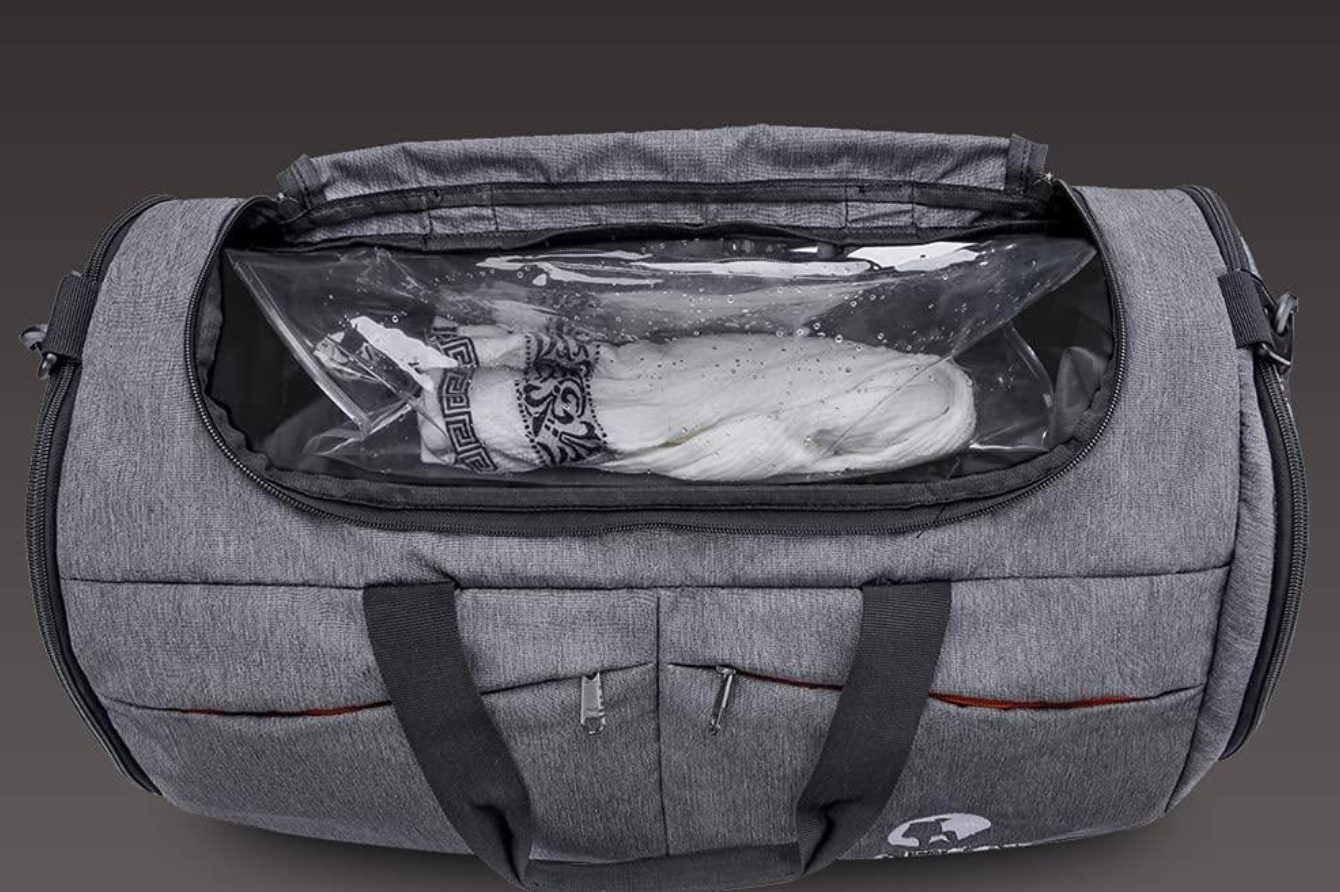
- Features: Add functional elements like padded laptop sleeves, hidden security pockets, luggage pass-through straps, or built-in USB charging ports.
- Structure: You can even alter the fundamental shape, size, and construction of the backpack.
I’ve helped clients add the smallest details, like a custom-molded zipper pull with their brand’s icon, that made a huge difference in the final product’s premium feel. That’s the power of direct partnership.
[claim claim=”OEM stands for Original Equipment Manufacturer.” istrue=”true” explanation=”In this model, a factory produces goods according to the buyer’s unique design and specifications, resulting in a product exclusive to that brand.”]
[claim claim=”All manufacturers offer both OEM and ODM services.” istrue=”false” explanation=”Many factories specialize in one or the other. It’s important to ask about their specific capabilities during the vetting process to ensure they align with your project’s needs.”]
Conclusion
Buying directly from a manufacturer offers huge benefits in cost and customization but requires careful planning. With the right knowledge and a reliable partner, it can absolutely transform your brand.
References
-
Explore how partnering with a custom backpack manufacturer can elevate your brand’s uniqueness and quality. ↩
-
Discover how product customization can enhance brand identity and customer satisfaction. ↩
-
Discover the advantages of direct communication in ensuring product quality and timely updates. ↩
-
Learn about essential quality control practices to ensure your products meet high standards. ↩
-
Find out how a sourcing agent can simplify the manufacturing process and mitigate risks. ↩
-
Explore top B2B platforms to connect with reliable manufacturers for your products. ↩