Last week, I rejected a purchase order.
A potential client from Germany sent me an RFQ (Request for Quote) for a "Heavy-duty Daypack." The problem? They wanted a 60L capacity, an aluminum internal frame1, and a target price of a student bookbag.
I had to tell them the truth: You don’t want a daypack. You want an expedition backpack, and your budget is going to break.
What is the difference between a Daypack and a Backpack?
The main difference lies in capacity and usage scenarios.A daypack is small, lightweight and frameless bag typically under 25-30 liters, designed for short trips or daily use. In contrast, a backpack is larger, holding 35–80+ liters, offering better support with padded straps and belts, and is best suited for long travel, camping, or carrying heavy loads. While all daypacks are technically backpacks, their intended use and construction costs differ significantly.
After a decade on the factory floor, I’m going to explain the real technical differences—beyond just how much stuff they can hold.
Is A Daypack Technically Just A Small Backpack?
The short answer? Yes, all daypacks are backpacks, but not all backpacks are daypacks.
In our factory, "Backpack" is the parent category. It includes everything from a child’s school bag (Bookbag) to a massive 80L hiking backpacks.
A Daypack is a specific subset of this family. It is defined not just by size, but by duration. The "Day" is literal. It is engineered for a 24-hour cycle.

Daypack vs. Backpack: Quick breakdown
| Feature | Daypack Specs | Backpack (General/Technical) |
|---|---|---|
| Capacity | 15L – 30L | 35L – 80L+ |
| Duration | < 24 Hours | Multi-day / Overnight |
| Structure | Soft / Frameless | Ranges from Soft (Bookbag) to Rigid Frame |
| Hip Belt | None or thin webbing | Padded load-bearing belt |
| Primary Goal | Organization & Speed | Volume & Weight Support |
| Best For | Work, School, Day Hikes | Camping, Travel, Heavy Loads |
How Strictly Does Liter Capacity Define the Difference?
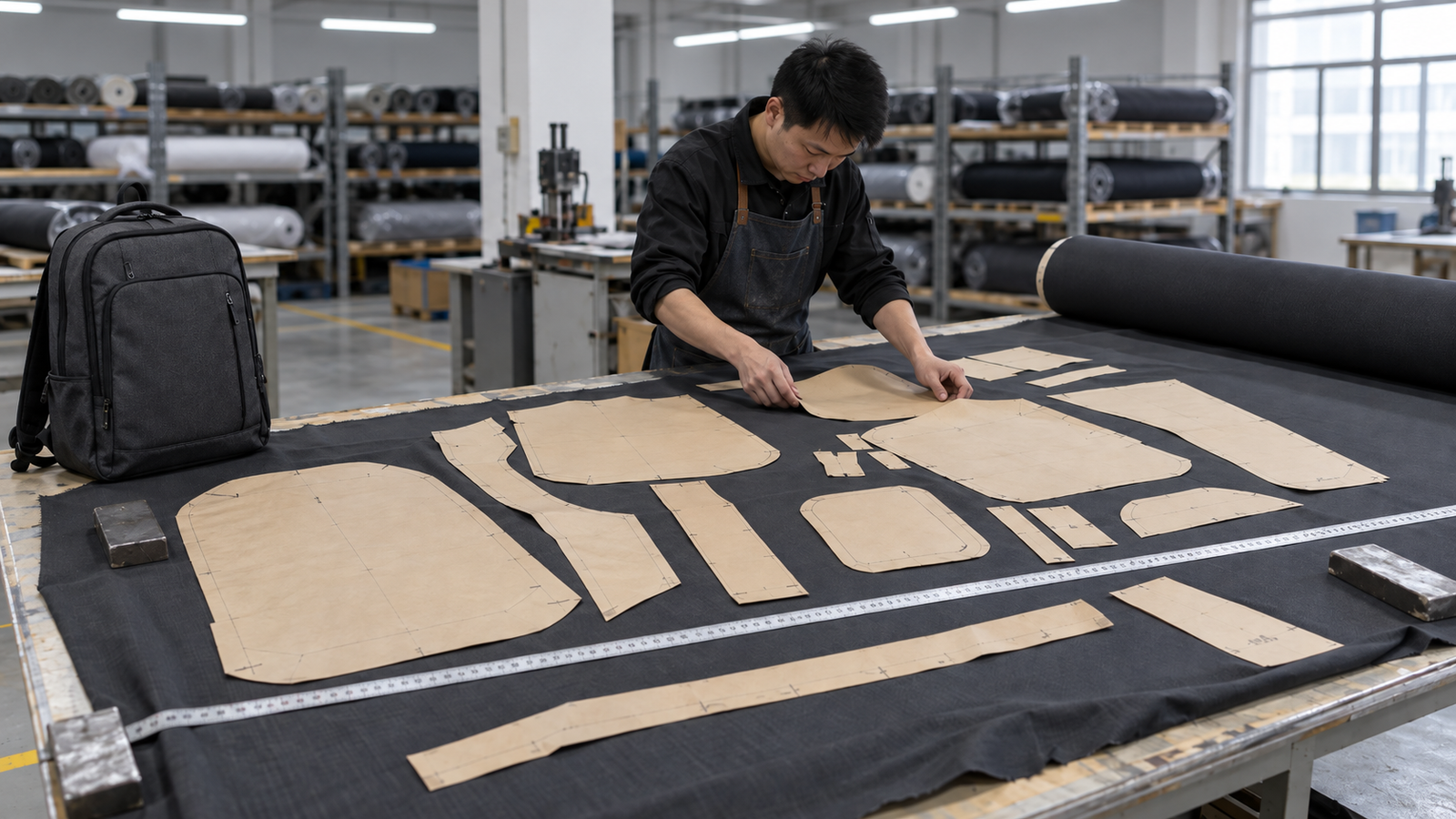
On the factory floor, physics dictates the design. We cannot just make a bag bigger without changing how it is built; otherwise, the straps will fail, and the bag will sag.
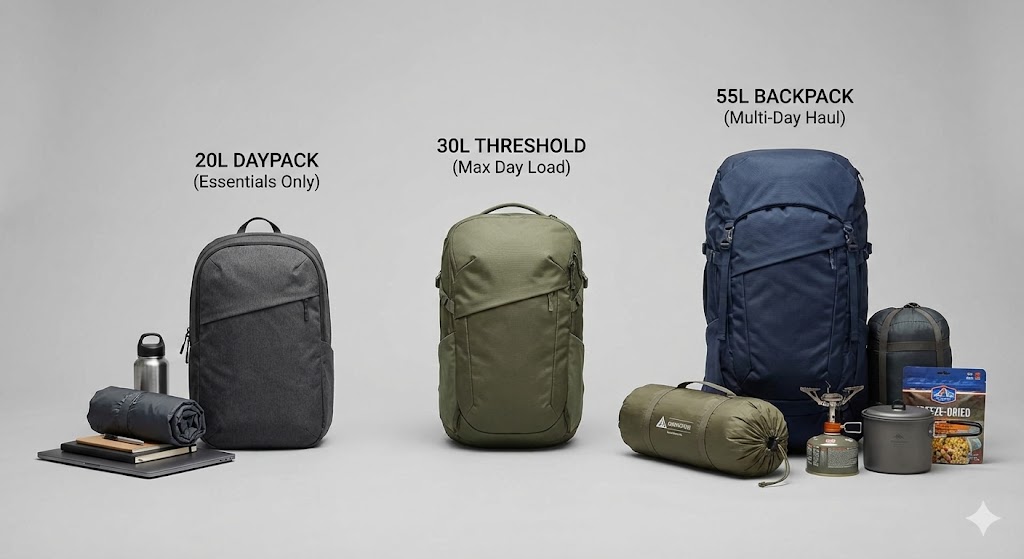
The industry dividing line is strictly 30 Liters. Bags under 30L are classified as daypacks (supported by shoulders alone). Bags over 35L are classified as heavy-duty backpacks (requiring structural frames to manage the weight).
What is the ideal capacity for a Daypack?
The standard range is 15 to 30 liters.
At this size, the bag is perfect for daily essentials—laptop, lunch, and a jacket—without needing a heavy internal frame. If we push a frameless bag beyond 30L, it loses its shape and becomes uncomfortable to wear.
- 15L – 20L: The Minimalist. Fits a tablet, water bottle, and light layer.
- 20L – 25L: The Standard. Fits a 15" laptop, files, and gym clothes.
- 26L – 30L: The Maximum. Fits heavy loads for a long day out, but pushes the limit of a soft bag.
At what point does it become a heavy-duty Backpack?
Once you cross the 35-liter threshold, you enter the "Backpack Zone."
At this volume, you are hauling gear, not just carrying it. From a manufacturing perspective, this is where we must add rigid back panels and load-bearing hip belts to prevent injury.
| Capacity | Category | Structure Required |
|---|---|---|
| < 30 Liters | Daypack | Soft / Frameless (Shoulder carry) |
| 35L – 50L | Travel Pack | PE Board + Stabilizing Belt |
| 60L – 80L+ | Expedition Hiking Backpack2 | Aluminum Stays + Load-bearing Hip Belt |
Manufacturer’s Note: If you try to make a 40L bag without the structural support of a true backpack, it will sag like a potato sack. It looks cheap and feels terrible to wear.
What Features Actually Define a Professional Daypack?
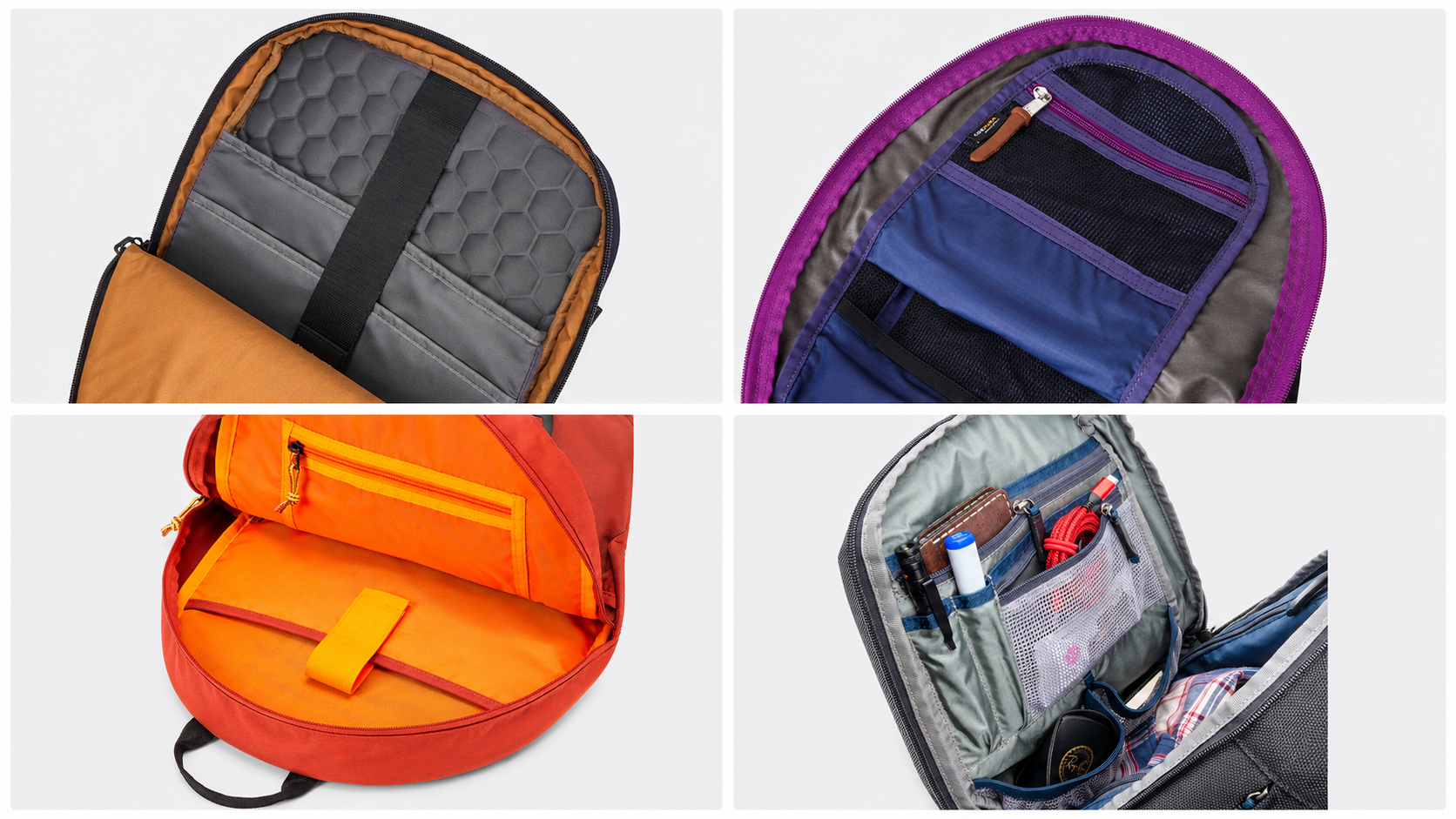
A professional daypack balances portability with high-frequency durability. It must feature a floating laptop sleeve, S-curve straps, and quick-access pockets optimized for a 24-hour usage cycle.
I’ve seen too many "lifestyle" brands fail because they prioritized looks over structural integrity. At OSGWbag, we focus on the touchpoints you use 50 times a day. If the handle rips or the laptop hits the floor, the "style" doesn’t matter.

Here is the technical checklist we use to separate professional builds from cheap promos.
What are the Non-Negotiable hardware and design wpecs?
- Floating Sleeve: Stops 1” above the bag’s base. This "cradle" prevents the laptop from hitting the concrete when dropped.
- S-Curve Straps3: Contoured foam that follows the shoulder’s natural slope—essential for comfort without a chest strap.
- X-Box Stitching:Heavy-duty reinforcement on the top handle. This is the #1 point of failure we fix in cheap designs.
- Reverse Coil Zippers: Keeps dust out of the teeth and looks sleeker for urban "pro" environments.
- Hidden "Anti-Theft" Back Pocket: For 2025, a security pocket on the back panel (against the user’s spine) is a must-have. It’s the safest place for a passport or phone and is a top-selling feature for urban commuters and travelers alike.
Expert Tip: Perform the "Drop Test." Drop the sample 2 feet onto the floor. If the laptop makes a loud "thud," the sleeve isn’t floating, and your brand’s reputation is at risk.

When to Choose a Daypack vs. a Backpack?
In my consulting sessions, I tell clients to ignore the marketing jargon and follow the "24-Hour Rule." If your customer is returning to a "home base" (house, hotel, office) at the end of the day, sell them a Daypack. If they are carrying their life for 48 hours or more, they need a Backpack.
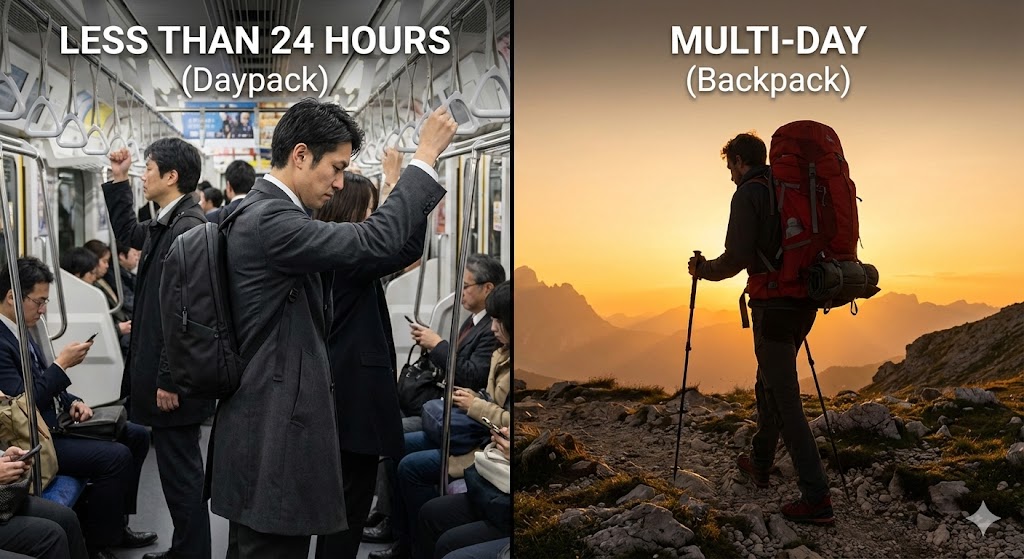
Choosing the wrong category is the #1 cause of "Product Not as Described" returns. Here is how to guide your buyers:
Use the "Daypack" (15L–30L) for:
- The Daily Commute: Optimized for a laptop, a notebook, and a tech kit.
- The Gym/Office Hybrid: Enough room for sneakers and a change of clothes without the bulk of a suitcase.
- Single-Day Hikes: For water, snacks, and a light shell.
- B2B Gift Markets: Most corporate "swag" should be daypacks—they get 300+ days of use per year.
Use the "Backpack" (35L–80L+) for:
- Digital Nomads: When the bag is the office and the closet.
- Multi-Day Travel: Requires volume for shoes, toiletries, and multiple outfits.
- Technical Outdoor: If they are carrying a tent, sleeping bag, or cooking gear, a daypack’s shoulder straps will fail them.
Expert Advice: Don’t sell a "Travel Backpack" to a "City Commuter." I’ve seen brands try this to increase the average order value4 (AOV), but the user eventually hates the bag because it’s too heavy for the subway and won’t fit under an airplane seat.
FAQ:
Can a Daypack be used as a Carry-on?
Yes, almost always. Most airline "Personal Item" limits fit a 20-25L daypack perfectly. A 40L backpack, however, will often get you flagged at the gate.
What is the "Golden Size" for a Daypack?
22 Liters. It’s the "sweet spot" that fits a 15-inch laptop, a gym kit, and a lunch box without looking bulky on a smaller frame.
Do I need a Rain Cover for a Daypack?
Generally, no. Save the cost. A good DWR (Durable Water Repellent) coating and PU backing on the fabric is enough for city rain. Rain covers on daypacks are fiddly and usually get lost.
Is "Waterproof" necessary for a daypack?
No. Unless you’re making a dry-bag, "Water-Resistant" (DWR coating) is better. Waterproof zippers are stiff and often break with daily use.
Here is the short, punchy conclusion and CTA to wrap up the post.
The Final Verdict: Match the Tool to the Time
Don’t overthink the terminology; focus on the timeline. If your user is heading out for less than 24 hours, give them a Daypack—keep it light, organized, and frameless. If they are heading out for multiple days, they need a Backpack—give them volume, structure, and a load-bearing hip belt.
In manufacturing, the worst mistake is trying to build a hybrid that does neither job well. Pick a lane, engineer for that specific load, and your customers will thank you.
Need a Manufacturer’s Eye on Your Design?
Don’t guess on your next production run. Whether you need a sleek 20L commuter daypack or a rugged 50L travel hauler, we have the factory data to ensure your design succeeds.
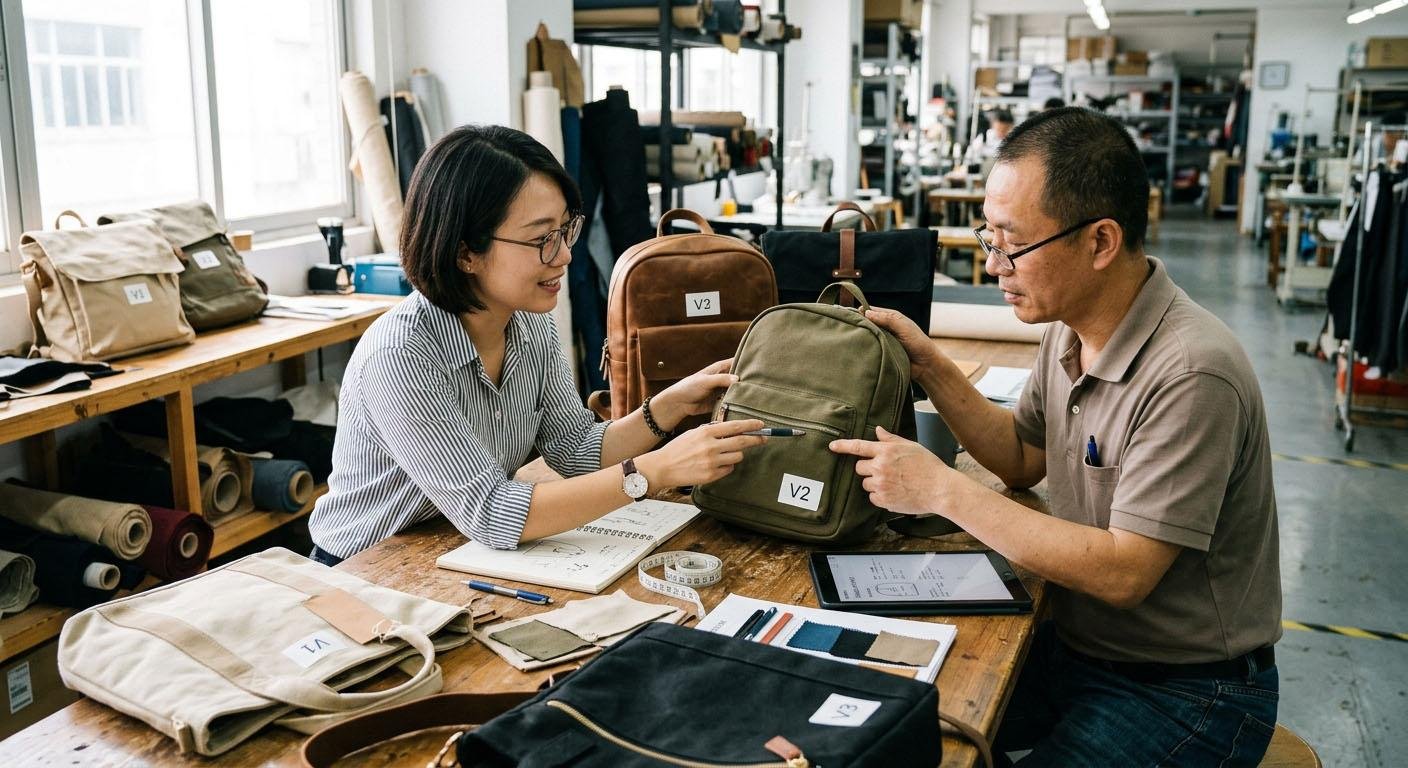
Don’t guess with your profit margin. Send me your tech pack or a simple sketch. I will review your Bill of Materials (BOM) and tell you exactly where we can trim costs without sacrificing durability.
Contact Our Factory Team – Let’s build a bag that works.
-
How internal suspension systems distribute heavy loads to the hips, increasing stability and reducing fatigue. ↩
-
Find out what are the 20 most popular hiking backpack brands in the world. ↩
-
Why ergonomic strap shapes are critical for comfort and weight distribution on frameless bags. ↩
-
A key e-commerce metric that measures the average total of every order placed with a merchant. ↩ ↩