Most "pickleball bags" on Amazon are just rebranded tennis bags with a new logo. That doesn’t cut it for the pro market. Real players know the difference between a bag that protects their $250 paddle and one that cooks it.
The essential features of a professional pickleball bag are a heavy-duty fence hook (rated for 25lbs+), a ventilated separate shoe compartment to prevent odor transfer, and thermally lined paddle pockets to protect honeycomb cores from heat delamination. For durability, professional bags must utilize at least 1680D Ballistic Nylon or Ripstop fabrics reinforced with YKK zippers to guarantee longevity under tournament travel conditions.
If you are building a brand for serious players, here is exactly how we manufacture a bag that actually performs, not just one that looks the part.
Why is the Fence Hook the Most Critical Hardware Component?
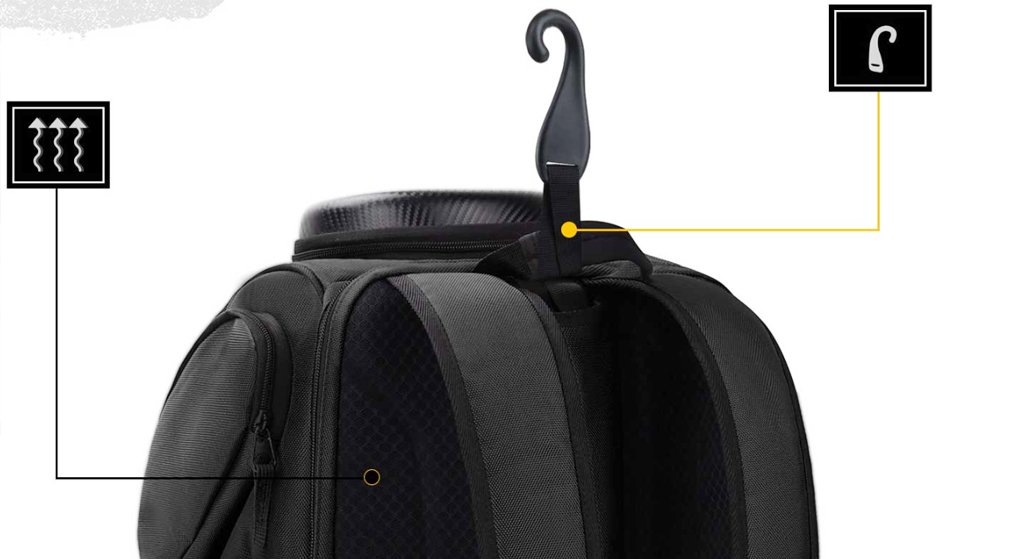
If a bag can’t hang, it’s useless. Pickleball courts are notoriously tight, and players refuse to put their $200 bags on dirty courts. However, most brands get this wrong by using standard POM (plastic) clips.
In our factory, we conducted a stress test on standard plastic hooks versus zinc-alloy carabiners. The plastic hooks often snapped under a dynamic load of 15 lbs (the weight of a fully loaded tournament bag). A professional bag must use a hideaway metal fence hook integrated into the main strap system, not just stitched into a thin layer of top fabric.
Hardware Failure Rates (Factory Testing)
| Hook Material | Static Load Limit | Failure Point | Factory Cost Difference |
|---|---|---|---|
| POM Plastic | 12 lbs | Snap at neck | Baseline |
| Aluminum Alloy | 45 lbs | Gate spring | +$0.40 |
| Zinc Alloy (Heavy Duty) | 80+ lbs | Webbing tear (Fabric fails first) | +$0.65 |
My advice: We only use Zinc Alloy. If the hook breaks, your brand’s reputation breaks with it.
Do You Really Need a Thermally Lined Paddle Compartment?
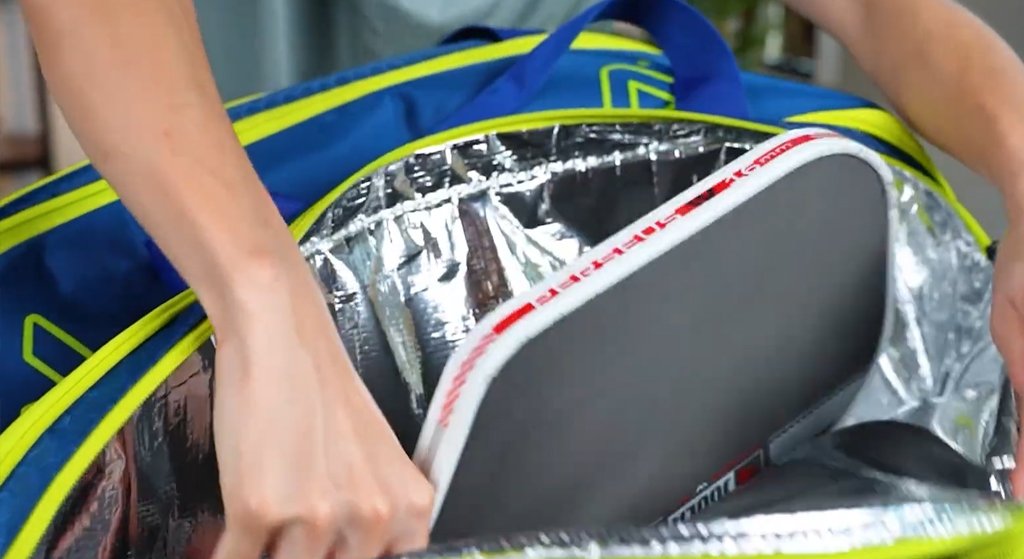
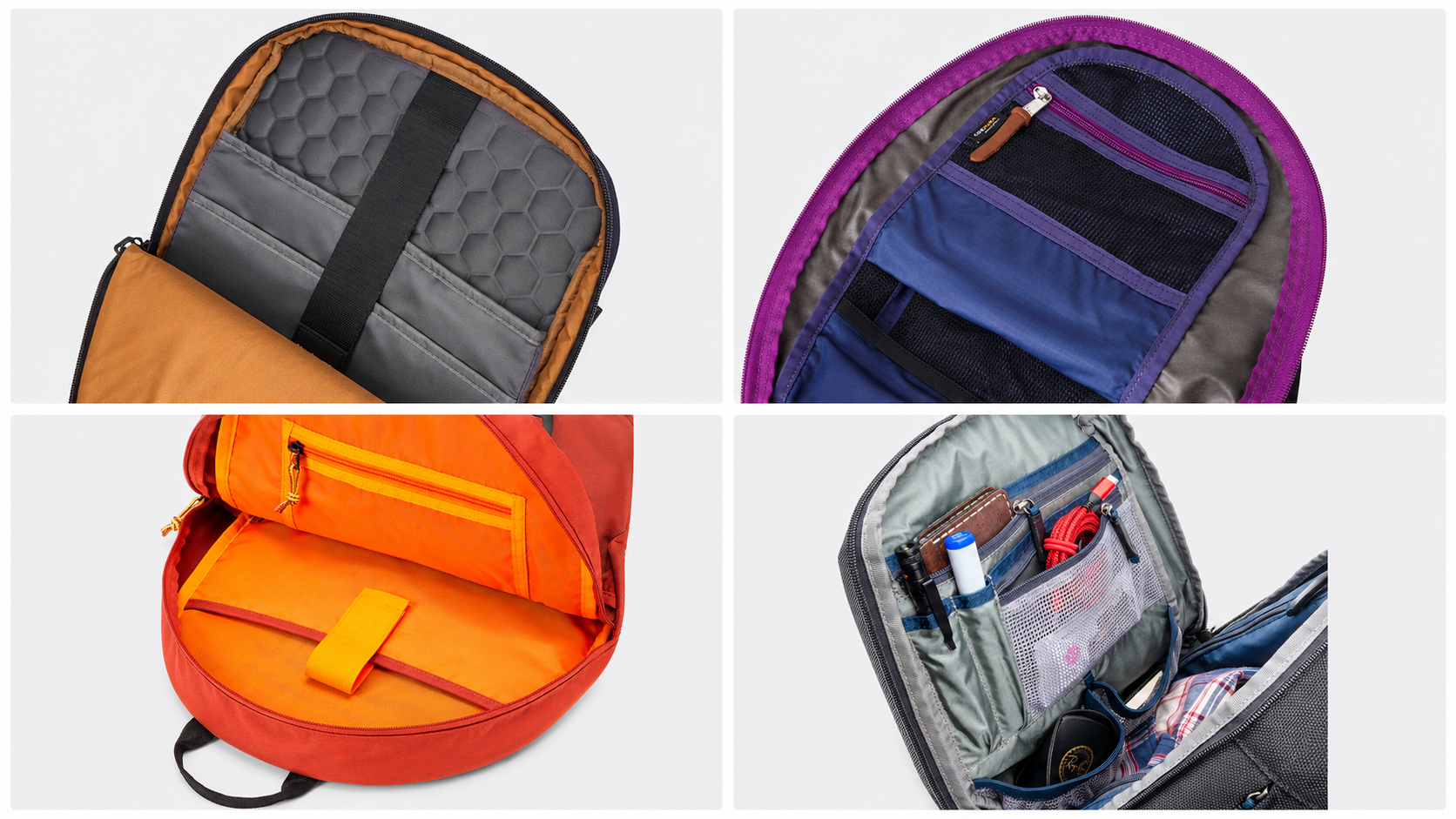
Yes, and this isn’t a gimmick. High-end pickleball paddles are made of honeycomb polymer cores and carbon fiber faces. When you leave a bag in a hot car or baking in the Florida sun, that heat causes the materials to expand at different rates. The result? Delamination—bubbles and dead spots on a $250 paddle.
Look at the JOOLA Tour Elite or the CRBN Pro Team Backpack. They don’t use the cheap smooth silver plastic found in lunch boxes; they use a structured, metallic-feeling aluminum-film thermal lining specifically engineered to protect $250 carbon paddles from delaminating in 100°F heat.
If you are sourcing bags, check the lining thickness. Cheap factories use a single layer of foil that rips with one snag of a zipper. We use a 3-layer composite that can take a beating. If your bag doesn’t protect the player’s primary asset, it’s useless.
- Aluminum-Film Thermal Lining: Rebounds radiant heat away from the gear.
- 5mm PE Foam Core: This is the critical insulation layer that actually slows heat transfer; without this, the silver liner is useless.
- Water-Resistant Outer Shell: Prevents humidity from entering the pocket, which accelerates adhesive breakdown.
Why is Aluminum-Film Thermal Lining Mandatory?
Real protection uses Aluminum-Film Thermal Lining, not standard Silver PEVA. The aluminum layer is critical for reflecting UV and infrared radiation.
| Lining Material | Tactile Feel | Best Application | Heat Reflection |
|---|---|---|---|
| Silver PEVA | Smooth, rubbery | Cooler Pockets (Waterproof for ice) | Low (Insulates only) |
| Aluminum-Film Thermal Lining | Crinkly, metallic | Paddle Pockets (Reflects heat) | High (Reflects \~95% rays) |
| Silver Spray Poly | Thin, fabric-like | Budget Bags (Decoration) | Zero (Marketing gimmick) |

Why Is a Ventilated Shoe Compartment Non-Negotiable?
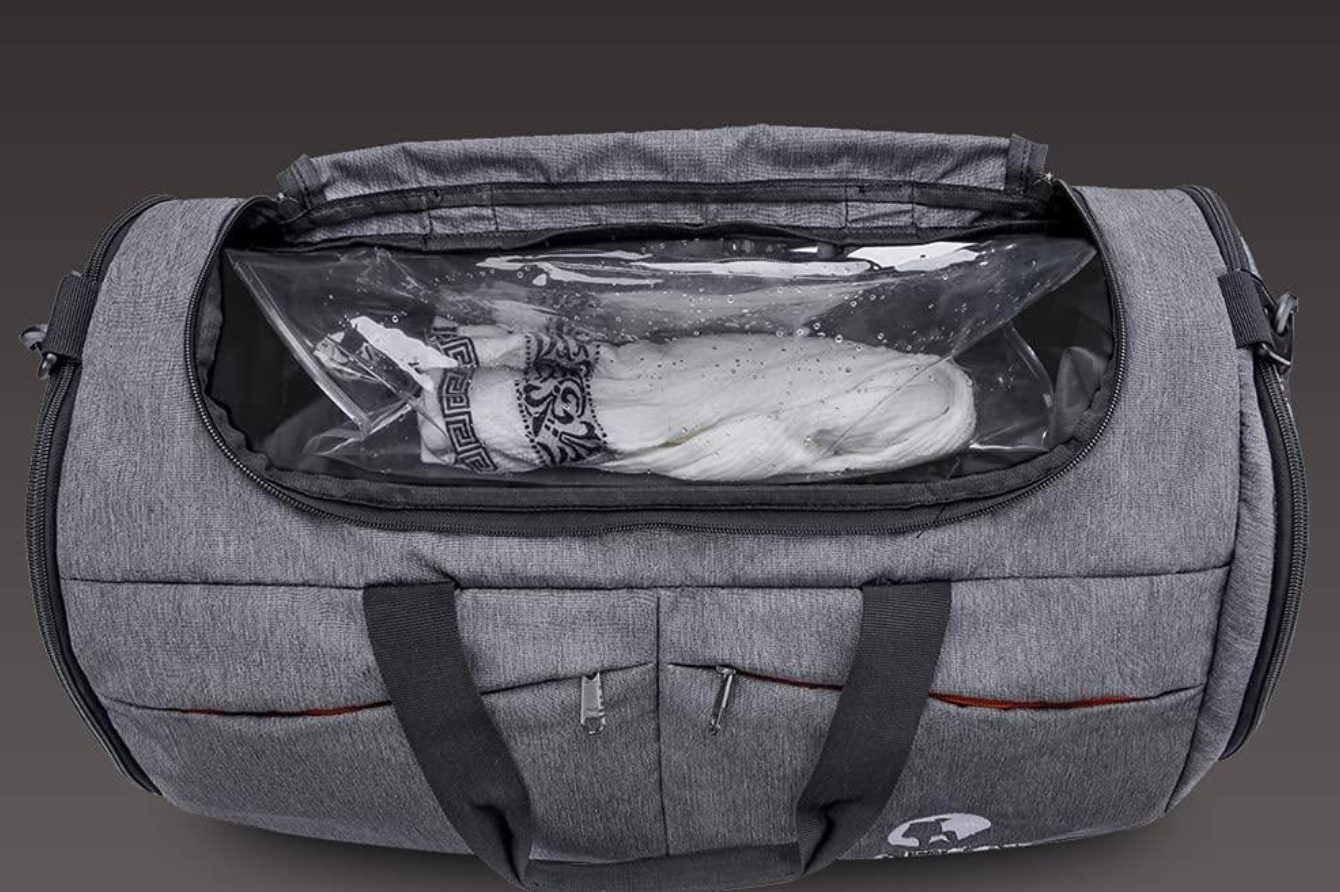
Pickleball is a sweaty sport, so players often change shoes immediately after a match. However, tossing damp, gritty court shoes into the main compartment breeds mold and makes the rest of your gear smell like a locker room.
Therefore, a ventilated compartment is mandatory to ensure airflow, preventing bacterial growth and odor transfer.
What Are the Best Ventilation Methods?
Although metal grommets are the most common design on the market, they are prone to rust and are too small to circulate enough air for soaked shoes. We suggest using laser-cut mesh windows or rubberized heavy-duty vents for proper airflow.
| Vent Type | Pros | Cons |
|---|---|---|
| Laser Cut Mesh | Maximum airflow, lightweight | Can tear if cheap mesh is used |
| Rubber Vents | Durable, modern look | Limited airflow, expensive mold cost |
| Metal Grommets | Cheap | Rusts quickly, minimal airflow |
How Fast Do Odors Permeate Without Vents?
In a sealed nylon pocket, odors permeate the main liner within 4 hours. Ventilation reduces internal humidity by 40%, preventing permanent smell transfer.
| Ventilation Type | Humidity Reduction | Odor Transfer Time | Factory Cost |
|---|---|---|---|
| Sealed Pocket | 0% (Traps Moisture) | \~4 Hours | Baseline |
| Dual Grommets | 15% | \~12 Hours | +$0.15 |
| Mesh Window | 40%+ | 24+ Hours | +$0.60 |
What Fabric Material is Best for Pickleball Bags?
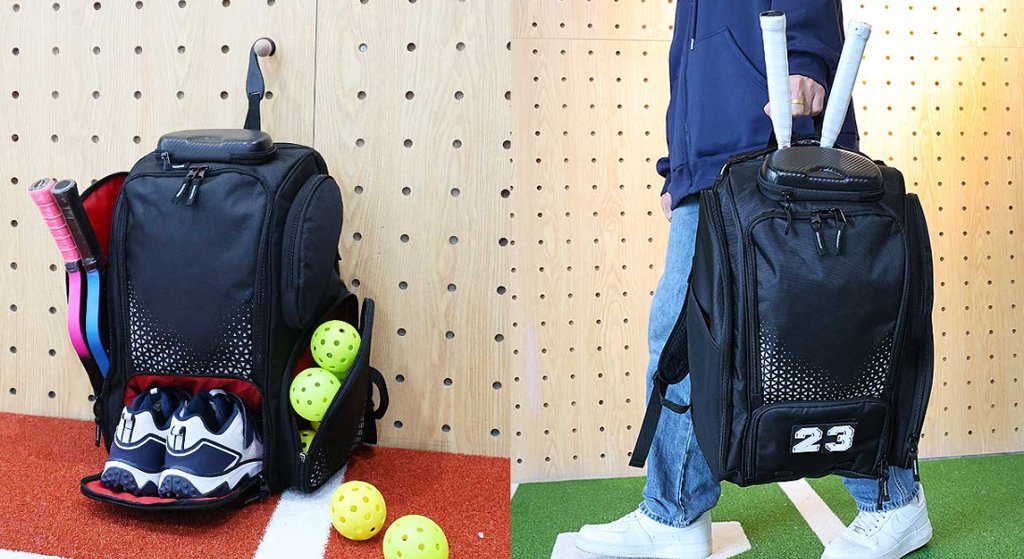
The best materials for pickleball bags are 1680D Ballistic Nylon and TPU-Coated Ripstop. These fabrics resist abrasion from asphalt courts and provide waterproof protection, unlike standard canvas or polyester.
While you will see brands marketing everything from Canvas to Vegan Leather, not all materials survive the "Asphalt Test." At our factory, we categorize materials into three tiers based on Taber Abrasion Resistance (how many rubs until the fabric breaks).
Here is the hierarchy we use when sourcing for B2B performance contracts:
Tier 1: The Professional Grade (Factory Recommended)
- 1680D Ballistic Nylon: Originally developed for flak jackets, it has superior abrasion resistance. It is heavier, but it is virtually indestructible against concrete friction.
- TPU-Coated Ripstop: Unlike cheap coatings that crack, Thermoplastic Polyurethane (TPU) acts like a rubberized shield. It is the only material that is truly "wipe-clean" when you spill electrolytes or get mud on the bag.
Tier 2: The Industry Standard (Good, Not Great)
- 600D / 900D Polyester: This is what 80% of bags on Amazon are made of. It is decent. It holds color well and is affordable. But without a heavy PVC backing, it lacks the rigidity to stand upright. It’s acceptable for a recreational player, but a pro traveler will wear through the corners.
Tier 3: The "Fashion" Traps (Avoid for Pro Gear)
- Heavy Canvas: It looks great for a retro vibe, but it is a sponge. On an outdoor court, canvas absorbs humidity, rain, and sweat. It gets heavy, stains permanently, and eventually rots. We refuse to use it for performance gear.
- Synthetic Leather (Standard PU): It looks sleek in the showroom, but it fails on the court. The rough surface of a pickleball hard court acts like sandpaper. Standard PU will scuff and peel within 6 months. Plus, it is prone to "hydrolysis" (flaking off) in humid climates.
Factory Lab Data: Abrasion Cycles to Failure
| Material Type | Abrasion Cycles (Sandpaper Test) | Water Absorption | Verdict |
|---|---|---|---|
| Cotton Canvas | 150 cycles | High (Soaks through) | Don’t Buy |
| Synthetic Leather (PU) | 400 cycles | Low | Cosmetic Only |
| 600D Polyester | 600 cycles | Medium | Entry Level |
| 1680D Ballistic Nylon | 2,500+ cycles | Low | Pro Choice |
My Insider Advice: If you want a bag that lasts 5 years, check the tag for "1680D" or "TPU Coated." Anything less is a compromise.
Why Do Zippers Fail First on Pickleball Bags?
Zippers fail because court grit acts as a grinding paste inside the coils. The fix is installing YKK #10 Reversed Coil zippers to shield teeth from abrasion.
Standard "exposed" zippers trap fine silica dust and sand between the teeth. Every time you zip, this grit acts like a saw, wearing down the nylon elements until the chain splits under load.
Our lab abrasion testing shows generic #5 zippers fail after just 500 cycles in dusty conditions. In contrast, YKK #10 Reversed Coils survive over 10,000 cycles without separation.
Which Zipper Specs Actually Last?
- YKK Brand: The global standard. Generic "no-name" sliders deform and jam within months.
- #10 Gauge: The width of the teeth. Never accept less than #8 for main compartments; #10 is ideal for high-tension areas.
- Reversed Coil: The flat side of the tape faces out, while the teeth face in. This design physically blocks dirt entry.
Zipper Specs to Order
- Main Compartment: YKK #10 RC (Racquet Coil).
- Pockets: YKK #5 or #8 Reverse Coil (for a sleek look).
- Pullers: Rubberized pullers for grip with sweaty hands.
Actionable Tip: Inspect the underside of the slider on your prototype. If it doesn’t stamp "YKK" or "SBS" explicitly, reject the sample. Unbranded zippers are the #1 cause of warranty claims.
What Ergonomic Features Make a Pickleball Bag Comfortable?
Real comfort requires High-Density EVA foam straps, an S-curve contour, and a sternum strap. These distribute the 15lb+ tournament load evenly across the chest.
Standard "schoolbag" open-cell foam collapses under weight, digging into nerves. We use compression-resistant High-Density EVA to maintain structure and physically shift weight from the shoulders to the core.
In our factory load-bearing tests, adding a sternum strap reduced perceived shoulder pressure by 30%. Without it, strap slippage increases fatigue by forcing neck muscles to compensate to keep the bag in place.
What Strap Specifications Are Mandatory for Heavy Loads?
- S-Curve Design: The straps must curve outwards to contour around the neck muscles rather than cutting straight into the traps.
- Adjustable Sternum Strap: A clip across the chest is essential to lock the load in place and prevent the bag from bouncing.
- Closed-Cell EVA Padding: Unlike cheap sponge, this dense foam resists "packing out" (flattening) after months of use.
Squeeze the shoulder straps firmly. If your fingers touch easily, the foam is too cheap. Look for firm resistance and an adjustable chest clip.
What Is the Ideal Capacity for a Tournament Pickleball Bag?
Amateurs carry two paddles. Pros carry four. They need backups for different weather conditions or if a paddle face degrades.
A professional tournament bag requires a 40-50 Liter capacity. This volume accommodates 4 paddles, 2 pairs of shoes, and clothes without overstuffing zippers.
What Fits in a Professional 45L Loadout?
- Paddle Sleeve: Holds a minimum of 2 paddles securely.
- Main Cavity: Room for 4+ extra paddles, a towel, a change of clothes, and a foam roller.
- Hydration: Insulated pockets for 32oz (1L) metal water bottles. Mesh side pockets rip too easily; we use fabric pockets with elastic expansion.
- Footwear: 2 Pairs (1 Court shoe, 1 Slide/Recovery).
Don’t design a bag that just fits the essentials. Design for the "worst-case scenario" tournament day where the player is at the courts from 8 AM to 8 PM. They practically live out of this bag.
Conclusion: Ready to Engineer a Pro-Level Bag?
If you want to sell a $40 bag, ignore everything I just wrote. But if you want to sell a $120+ professional bag that builds brand loyalty, you need thermal protection, 1680D nylon, and genuine YKK hardware.
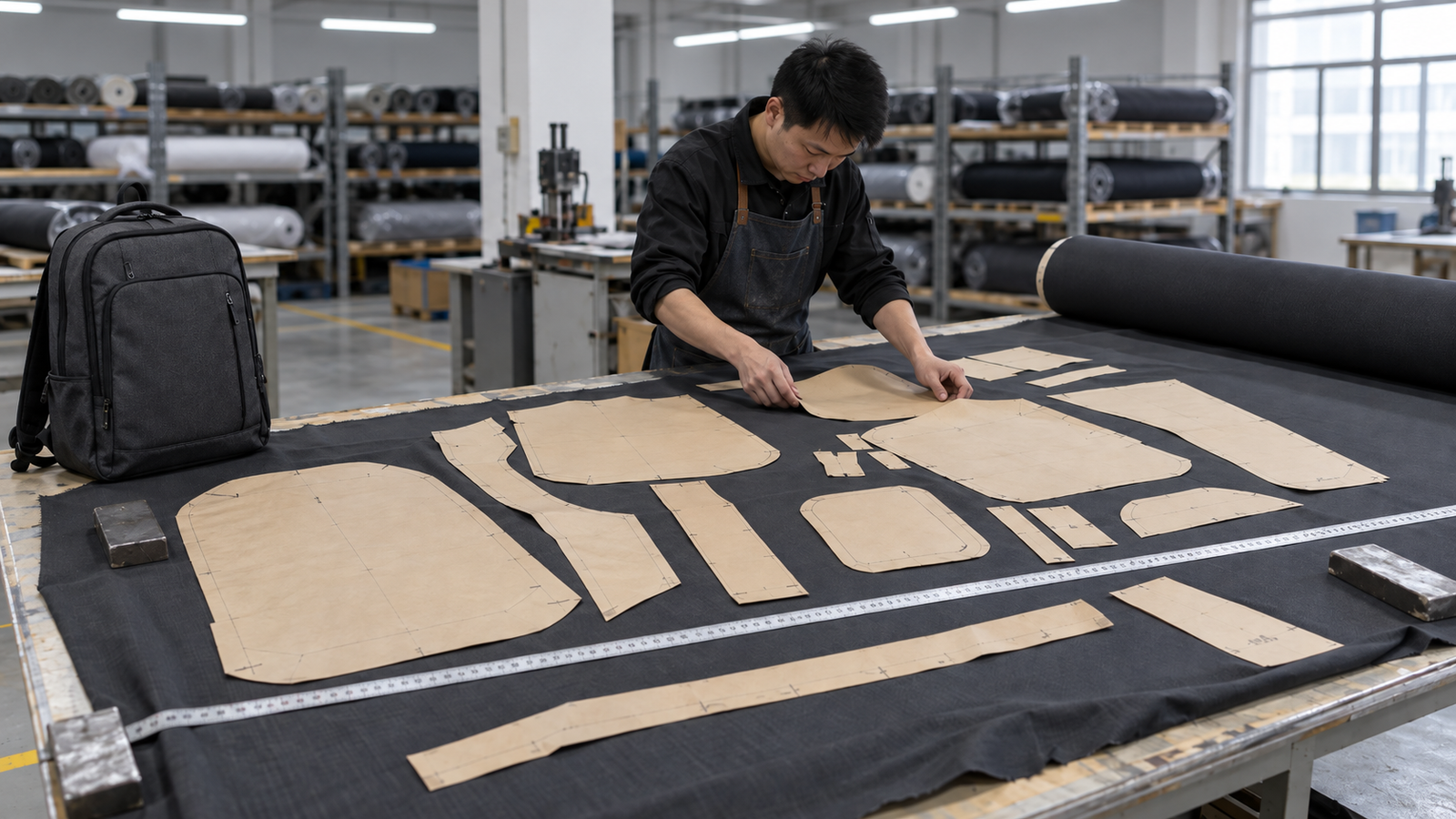
Don’t let a bad material choice ruin your brand’s reputation. Send us your Tech Pack today.
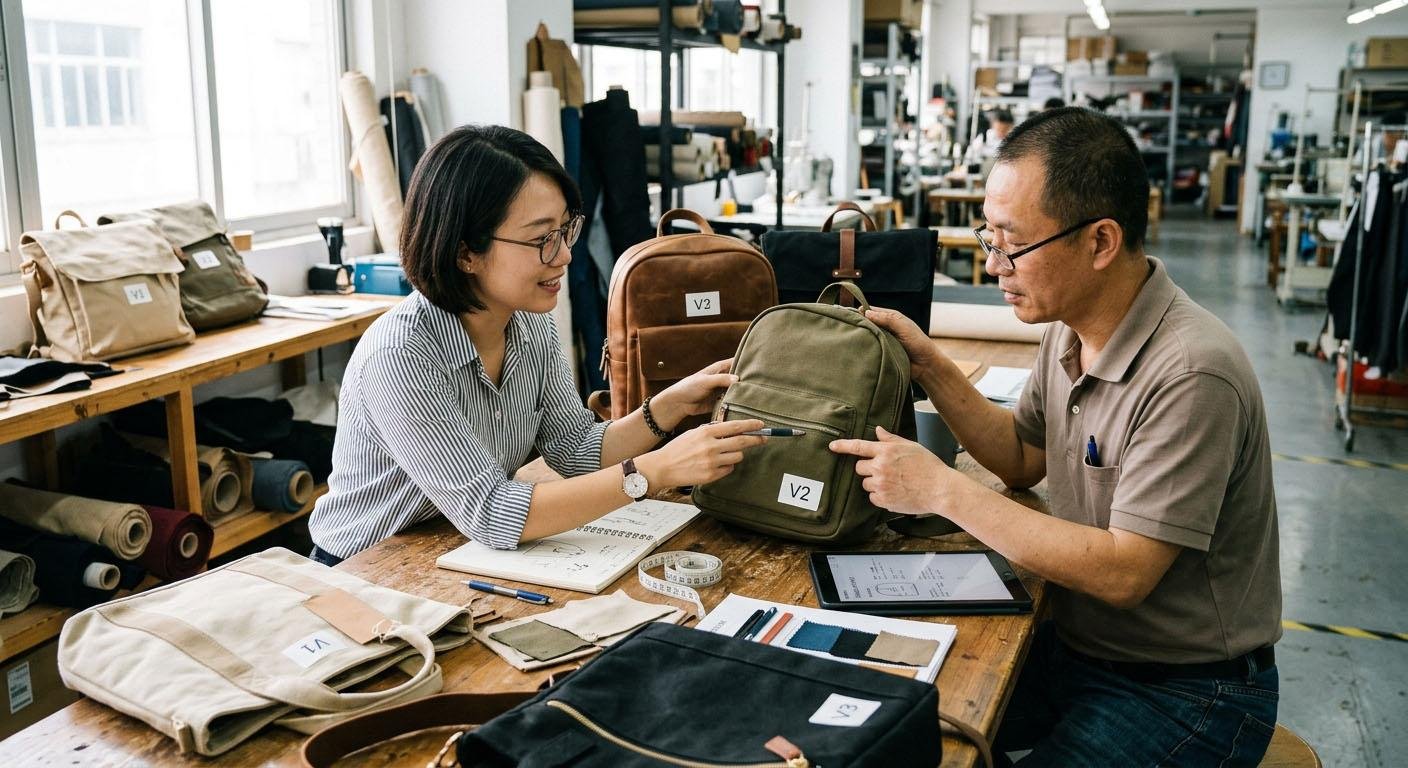
We don’t just quote prices; we refine designs. Let our team audit your specs, select the correct high-performance materials (from YKK zippers to Aluminized PE), and help you manufacture a bag that professional athletes will actually respect and love.
Expert FAQ (No Textbooks Allowed)
1. Can I just use a tennis backpack for pickleball?
Technically, yes, but I wouldn’t recommend it. Tennis bags are designed for 27-inch racquets. Pickleball paddles are roughly 16 inches. When you put a paddle in a tennis bag, it sinks to the bottom or flops around, ruining the weight distribution. We design pickleball bags with shallower, wider pockets specifically to secure the shorter paddle geometry.
2. Backpack vs. Duffel: Which is the Better Pickleball Bag Type?
Backpack. The trend is overwhelmingly shifting to backpacks (or hybrid duffels with backpack straps). They are easier to carry while biking or walking to courts and hang better on fences. Duffels are seen as "rec league" gear unless it’s a massive tournament travel bag.
3. Do I really need a separate pocket for balls?
Yes. Pickleballs are dirty and bulky. Putting them in the main compartment with clothes is a mess. We design a specific "ball gutter" or external mesh pouch to keep them accessible but separate.
4. Does the bag really need a fence hook if it stands up?
Yes. "Stand-up" bags fall over in the wind or on uneven courts. Plus, the ground is often wet or dirty. Pros hang their bags. Period. If you skip the hook, you lose the pro market.