Custom bags have become a go-to choice for businesses looking to enhance their branding, create unique products, or offer something special to customers. As an OEM/ODM bag manufacturer at Osgoodway, we understand how exciting it is to bring your custom designs to life. However, there’s a crucial aspect of custom bag production that many buyers overlook—the hidden costs.
You might already have a good understanding of how much it costs to manufacture a bag or backpack. But what about the indirect, hidden costs that can affect the final price? Procurement managers are always comparing prices, looking for the best deal without compromising on quality and reliability. While it’s tempting to focus on the obvious costs like production, raw materials, and shipping, it’s the hidden costs that often sneak up on you.
In this blog, we’ll break down the various hidden costs associated with custom bag production. By understanding these potential expenses, you can plan more effectively and avoid surprises that could derail your project.
Let’s dive into the details, so you can make smarter decisions and ensure your custom bag production goes smoothly.
The Obvious vs. Hidden Costs
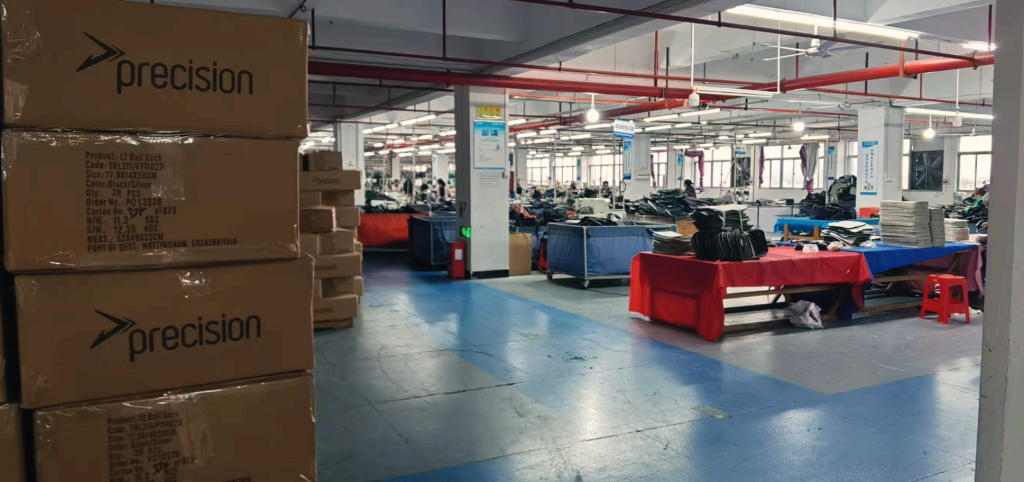
When planning a custom bag order, most buyers are familiar with the “obvious” costs. These are the expenses that everyone expects and can generally be accounted for in the early stages of the project. They are often easy to understand, calculate, and include in the budget. However, there’s a whole other category of costs that are less apparent—the hidden costs. These can sneak up during or after production, and they often require careful planning to avoid budget overruns. Let’s break down both.
Obvious Costs: What You Expect
These are the direct expenses associated with producing custom bags. They’re easy to understand and usually feature prominently in initial quotes.
- Production Costs
This is the core expense involved in manufacturing the bags. It covers everything from the cost of machinery to energy consumption during the manufacturing process. While production costs can vary depending on the complexity of the design, they are generally part of the upfront conversation. - Raw Materials Costs
Whether it’s leather, nylon, zippers, or other components, raw materials are the building blocks of your custom bags. The cost of these materials depends on factors like quality and volume. For example, premium leathers or eco-friendly materials could push the price up, while basic fabrics will keep it lower. - Labor Costs
Labor costs refer to the wages paid to the workers involved in producing the bags. These costs vary depending on the location of the factory. For instance, labor in countries with lower wage rates might be cheaper, but it’s important to balance this with factors like quality and reliability. - Shipping Costs
Once your bags are made, they need to be shipped to their destination. Shipping costs can include freight charges, insurance, and customs duties. Depending on where your manufacturer is located, shipping can be a significant cost, especially if you’re importing from overseas.
Hidden Costs: The Unexpected Expenses
While obvious costs such as raw materials and labor are easy to estimate, hidden costs are the ones that tend to surprise businesses. These costs often don’t appear in initial quotes or contracts and may not be clearly discussed at the outset. However, they can significantly affect your budget and timeline if not accounted for early in the process.
Quality Control and Inspection Fees

Quality control is paramount in ensuring your custom bags meet the highest standards. While often included in production costs, the expenses associated with quality control inspections can be underestimated or overlooked in initial quotes.
It’s crucial to remember that quality control isn’t a single, end-of-line check. It’s an ongoing process integrated throughout the entire manufacturing journey. This multi-step approach, from initial material inspection to final product testing, is essential to guarantee the final product aligns perfectly with your design specifications and functional requirements.
1). Third-Party Inspection Services
Many companies choose to hire independent third-party agencies for quality checks, such as SGS, Bureau Veritas, or Intertek. These agencies provide unbiased, expert evaluations of your custom bags, ensuring that the manufacturing process aligns with agreed-upon standards. They assess factors like material quality, stitching consistency, strength, and overall craftsmanship, offering a professional assessment that your in-house team might not be able to provide.
Third-party inspection services can vary greatly in cost depending on the depth of the inspection and the reputation of the agency. A basic inspection might only check for visible defects, while a comprehensive audit could involve in-depth assessments of manufacturing processes, materials, and adherence to international standards.
2). In-House Quality Control Teams
Some businesses prefer to handle quality control internally with a dedicated in-house team. This allows for tighter control over the production process and immediate action if problems arise during manufacturing. In-house teams are typically responsible for conducting ongoing inspections throughout production to ensure that the bags meet design specifications at every stage.
While this ensures close oversight, it does come with costs. Hiring and training a team, along with providing them with the necessary tools and resources (e.g., measuring equipment, inspection software), can add to your overall expenses. Additionally, salaries and operational costs for these teams need to be considered.
How It Affects Your Budget:
Whether you opt for third-party inspection services or maintain an in-house quality control team, the costs can add up. These inspections are not only vital for ensuring the final product meets your expectations, but they also help to prevent costly defects that could lead to returns, damage to your brand reputation, or even legal liabilities.
How to Manage:
- Plan Ahead: Discuss quality control expectations with your manufacturer from the outset. Request a detailed breakdown of the quality assurance process, including the number of inspections and the costs associated with them.
- Combine Both Approaches: Some businesses find it effective to blend third-party and in-house quality control. You can use an in-house team for ongoing, real-time checks and bring in third-party inspectors for final audits or specialized assessments.
- Negotiate Rates: For third-party services, it’s worth negotiating the scope and frequency of inspections upfront to avoid unexpected fees later on. Also, ask for bulk pricing or discounts if you plan to use the service across multiple orders.
Prototyping and Sample Production
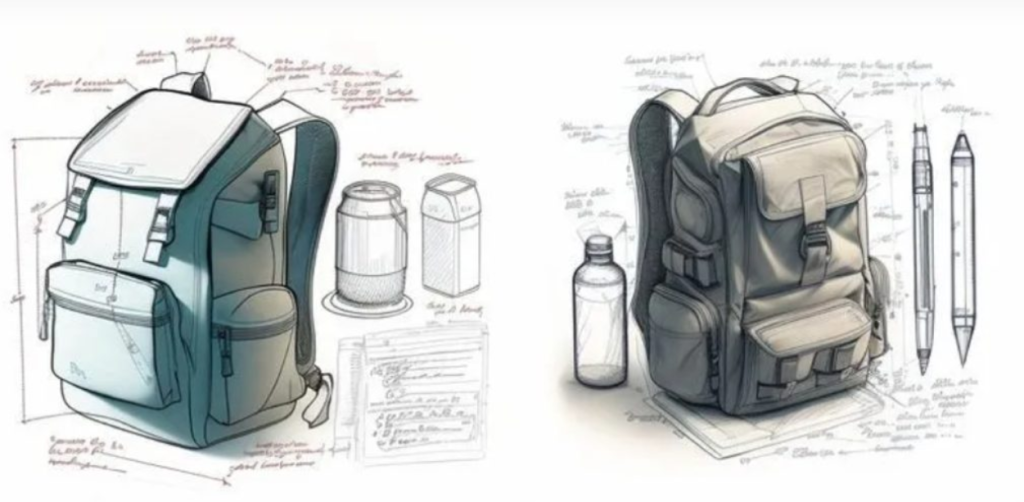
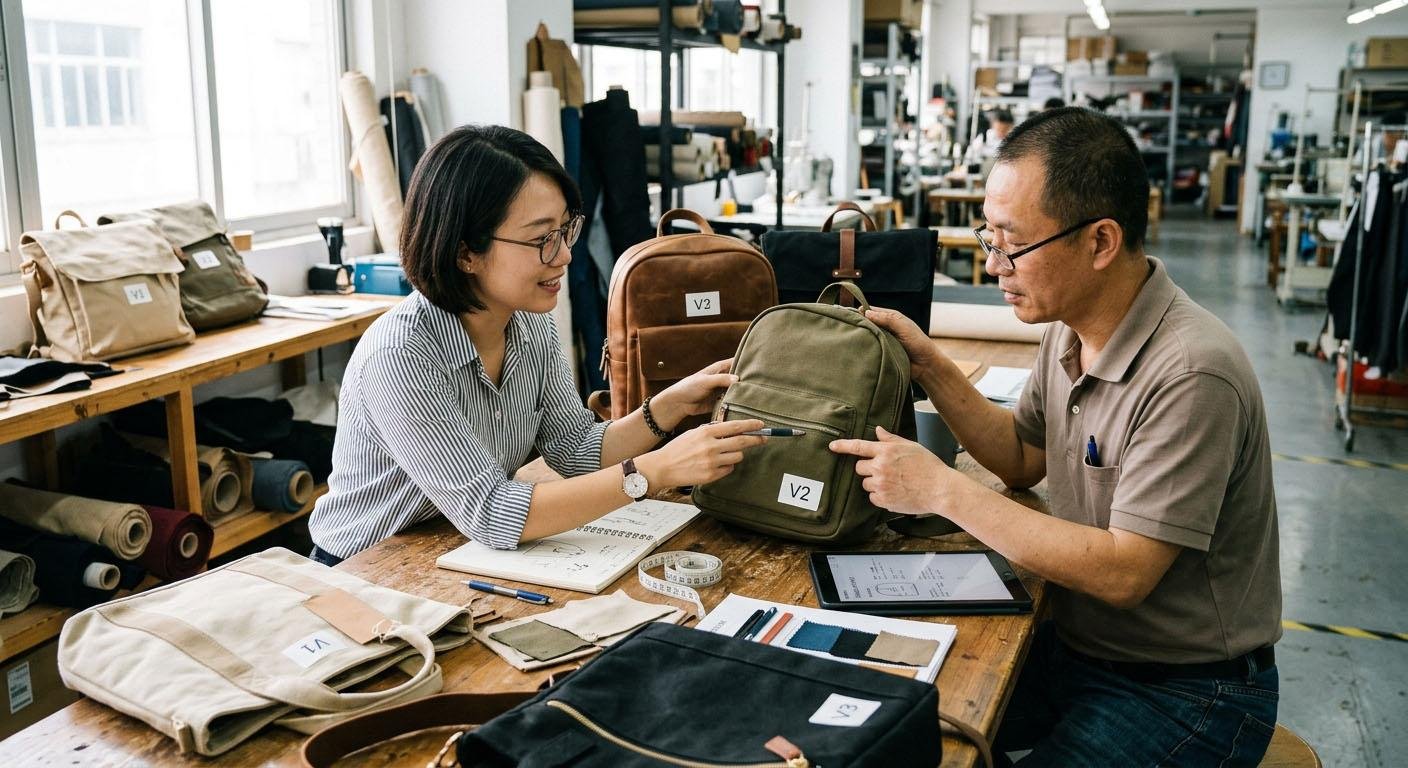
Before committing to a large order, you’ll need prototypes or samples to verify the design, functionality, and overall quality of the custom bags. This step is critical for ensuring that the final product aligns with your vision. The costs involved in prototyping can vary depending on several factors:
1). Sample Production
The cost of producing a sample often goes beyond the cost of a single bag. The manufacturer may need to adjust machines or production lines to accommodate your design, or they may need to source specific materials, which adds to the cost. You may also need to pay for labor specifically dedicated to creating and refining the sample.
2). Prototyping Revisions
After reviewing the first sample, changes are often needed to fine-tune the design. This could involve adjusting the bag’s dimensions, switching materials, or adding new features. Each revision comes with additional costs, particularly if the adjustments require new prototypes to be made or materials to be sourced.
Each round of revisions can be costly, especially if the design changes affect multiple aspects of the manufacturing process. Some manufacturers charge separately for additional prototypes or sample runs, while others may include a certain number of revisions in the initial cost.
3). Tooling and Setup Fees
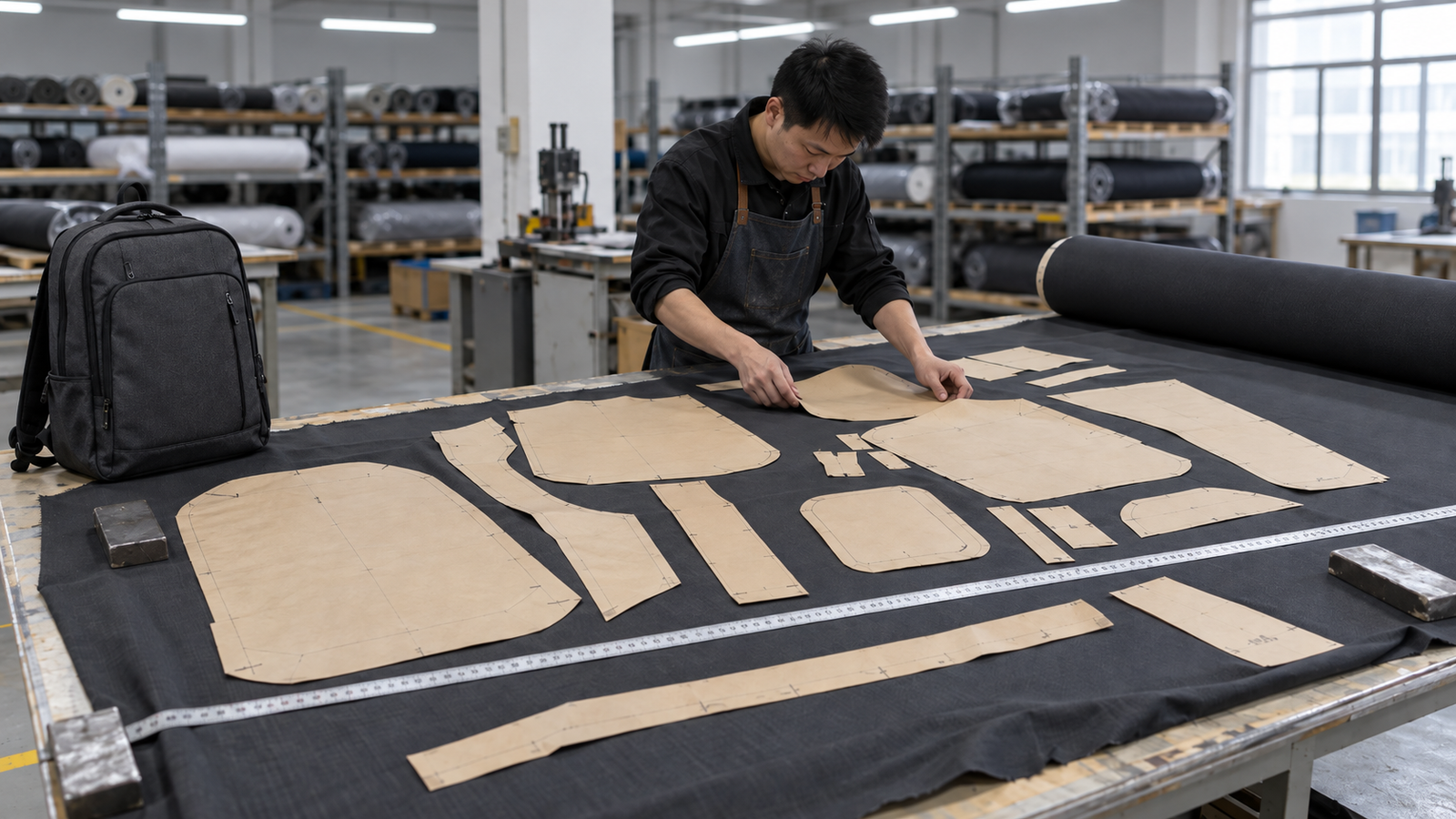
If the custom bag requires special tools or equipment (for example, custom die cuts or molds for certain shapes or designs), these setup fees can quickly add to the cost. These tools are often needed for large-scale production but must be created and tested during the prototyping phase.
How It Affects Your Budget:
Prototyping costs can quickly add up, especially if you are working with multiple revisions or need specialized tools. While the prototype phase is an essential step in ensuring the quality and functionality of your custom bags, it can be one of the more expensive stages of production. For companies with tight budgets, this hidden cost can impact the overall project budget and timelines.
How to Manage:
- Clarify Expectations Early: Have a detailed conversation with your manufacturer about the prototyping process from the very beginning. Understand how many revisions are included in the initial quote, and get clarity on any additional charges for extra samples or changes.
- Limit Design Changes: Minimize the number of revisions by ensuring your design is as detailed and finalized as possible before submitting it for prototype production. This will help reduce the costs associated with re-tooling, redesigning, and making new prototypes.
- Negotiate Bulk Discounts: If you plan to produce a large number of bags after the prototypes are approved, negotiate bulk pricing or reduced rates for sample production. Some manufacturers offer discounts on samples when a large order is confirmed.
Intellectual Property (IP) Protection
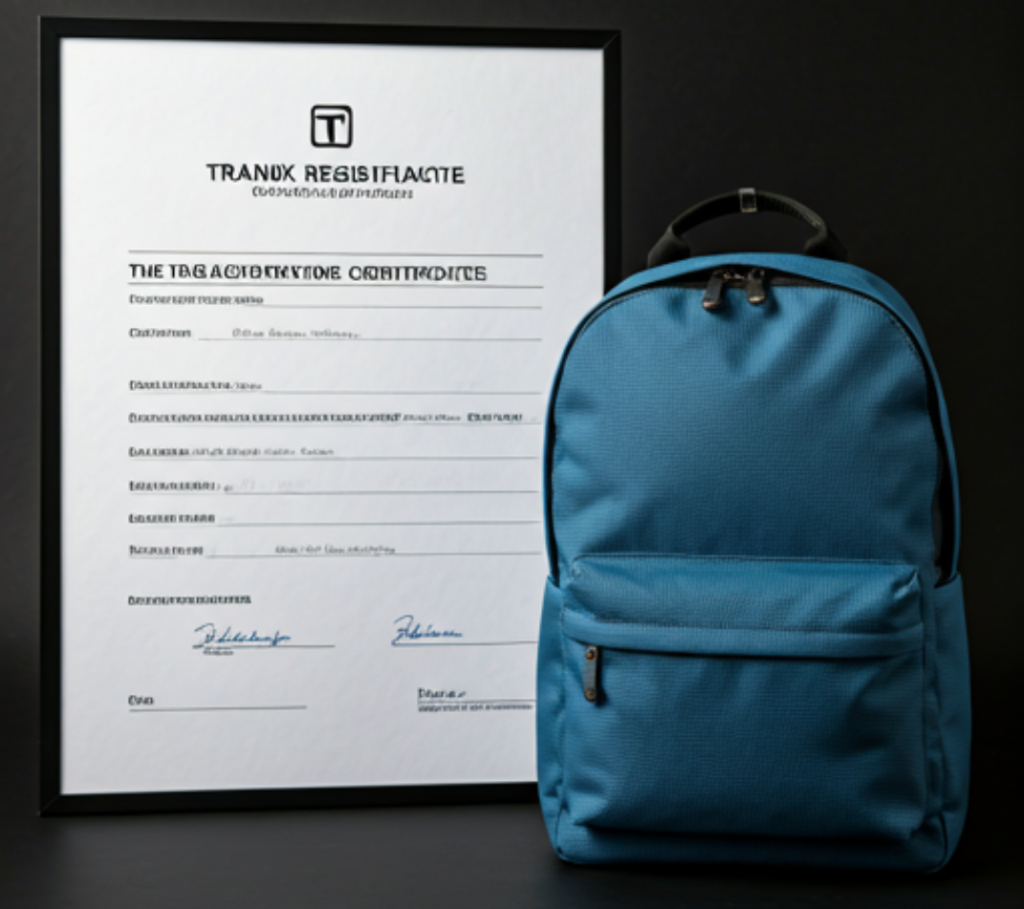
Intellectual property protection involves several steps to ensure your designs are legally protected. This can include trademarks for logos, patents for unique bag features, and copyright for specific design elements.
1) Trademark Registration
Trademark registration fees vary by country and can range from a few hundred to several thousand dollars. Additionally, legal fees for drafting the trademark application might add to the cost.
2) Patent Fees for Unique Designs
If your bag includes a novel design or innovative functionality, patenting the design can prevent competitors from copying it.Patent fees can be high, especially if international protection is required. Legal counsel and patent filing fees are significant costs to consider when planning production.
3) IP Licensing and Legal Fees
If you’re working with manufacturers or third parties who will be producing your bags, you may need legal agreements or licensing contracts to ensure that your IP remains protected throughout the production process.
If you’re working with manufacturers or third parties who will be producing your bags, you may need legal agreements or licensing contracts to ensure that your IP remains protected throughout the production process.
How It Affects Your Budget:
Securing intellectual property protection is essential, but it can be a significant hidden cost. If you are producing bags with distinctive designs or branding, failing to protect them legally could expose you to the risk of losing your competitive edge to copycats.
How to Manage:
- Plan for IP Protection: Be proactive by budgeting for IP protection from the outset. Understand what aspects of your product require protection (e.g., design, logo, features) and plan accordingly.
- Work with an IP Lawyer: Consult with an intellectual property lawyer early on to get a clear idea of what needs to be protected and the associated costs.
- Negotiate with Manufacturers: Ensure that any third-party manufacturer you work with signs non-disclosure agreements (NDAs) and has clear guidelines on respecting your IP rights.
Currency Exchange Rates and Bank Fees

In global manufacturing, the costs associated with currency exchange and banking can significantly impact the final price of your custom bags. Many buyers focus on production costs without considering the financial implications of currency conversion, especially when working with overseas manufacturers. These fees are often hidden until the payment is processed.
When buying from international manufacturers, payments typically involve currency exchange, which can fluctuate based on market rates. Additionally, bank fees may apply when transferring funds or processing payments.
1) Currency Exchange Fluctuations
Currency exchange rates can fluctuate daily, and an unfavorable rate can increase the cost of production. You may also incur a margin markup from your bank or payment processor.
2) Bank Transfer Fees
International bank fees can range from $20 to $50 per transaction, depending on the bank. Some payment processors or third-party platforms may have additional transaction fees.
How It Affects Your Budget:
Currency exchange and bank fees can add up quickly, especially when payments are made frequently or in large amounts. These hidden costs may seem minor at first but can erode your profits over time.
How to Manage:
- Consider Hedging Strategies: If you are making large payments over time, consider hedging your currency exchange risk by locking in rates or using financial instruments that mitigate fluctuation.
- Compare Payment Methods: Research different payment methods or platforms that offer lower transfer fees and more favorable exchange rates.
- Factor Fees into Your Budget: Include potential banking fees and exchange rate fluctuations as part of your overall manufacturing cost estimates.
Overhead Costs in Storage and Warehousing

Many buyers overlook the costs associated with storing inventory after production. These overhead costs can be particularly relevant when ordering large quantities or if your custom bags are not immediately distributed. While storage might not be on your manufacturer’s quote, it can significantly impact your bottom line.
Overhead costs for storage and warehousing include the fees for holding your inventory before it’s shipped out or sold. These can vary based on the length of time the goods are stored and the size of the shipment.
1) Storage Fees
When your custom bags are manufactured and ready, they may need to be stored before being shipped to your destination. Warehousing fees can vary based on the volume, duration of storage, and location of the warehouse.
Storage fees depend on the size of your order, how long it stays in the warehouse, and the type of storage facility you use (e.g., standard storage vs. climate-controlled storage).
2) Warehousing Charges
Additional costs may apply for services such as labeling, packaging, or managing your inventory. Warehousing fees for handling, packaging, and inventory management can quickly add to your overall cost, particularly if the products are stored for extended periods.
How It Affects Your Budget:
Overhead costs related to storage and warehousing can quickly add up, especially for long-term storage or large volumes. These hidden expenses may not be accounted for initially but can significantly impact your overall profit margin.
How to Manage:
- Plan Storage Ahead: Work with your manufacturer or logistics partner to plan how your products will be stored and for how long.
- Negotiate Warehouse Rates: Seek competitive pricing from warehouse providers, and consider long-term agreements to reduce storage costs.
- Factor In Storage Costs: Include storage and warehousing costs in your budgeting to ensure they don’t impact your profitability.
Compliance and Regulatory Fees
Regulatory compliance is an essential part of manufacturing, especially when importing or exporting products internationally. While these fees might not be upfront, compliance-related expenses can add a significant amount to the overall cost.
Manufacturers must comply with various local and international regulations, which can result in hidden costs:
1) Import/Export Duties and Taxes
Depending on the country where your bags are manufactured and where they are being shipped, you may need to pay import/export taxes and duties. These fees can vary widely based on the product type, country of origin, and trade agreements.
These duties and taxes can add anywhere from a few percent to over 20% of the product’s value. It’s essential to account for these fees when determining your final cost.
2) Product Certifications and Standards
Some bags may need to meet specific safety or quality certifications, especially when selling in regions like the EU or North America. Certification processes require testing, documentation, and fees.
The costs of certifications can range from a few hundred dollars to thousands, depending on the product and market. For example, certification for eco-friendly bags or compliance with specific safety standards can incur substantial costs.For example: REACH, CPSIA, OEKO-TEX Standard 100, OEKO-TEX Standard 100 etc…
More: What Essential Certifications for Backpack Exports?REACH, ISO, and More
How It Affects Your Budget:
Non-compliance with international regulations can lead to delays, fines, or even the rejection of your products. Therefore, these compliance and regulatory fees, while hidden at first, are critical to factor into your overall cost structure.
How to Manage:
- Research Regulations Early: Understand the regulatory requirements of your target market (e.g., EU, US) and factor in potential fees before production starts.
- Work with an Expert: Consider working with a customs broker or compliance expert to navigate the complexities of international trade regulations and ensure that your products meet all required standards.
Costs of Modifications and Design Changes

During the production process, there may be times when you need to make modifications or design changes to the custom bags. These changes could be based on consumer feedback, design errors, or shifting market trends. While these modifications are necessary, they often come with hidden costs that can disrupt your budget.
Design changes can impact multiple aspects of the manufacturing process, including material sourcing, production adjustments, and additional prototyping.
1)Material Changes
If you decide to change the materials used in your bags, this could affect production timelines and costs. Sourcing new materials can incur additional costs, including shipping, testing, and adjustments to production equipment.
2) Design Revisions
Modifying the design—whether it’s altering dimensions, adding new features, or changing the bag’s structure—can require significant rework and additional resources.
Design changes may require additional tooling, prototyping, or setup costs. Each modification might lead to further delays and costs, depending on how extensive the changes are.
How It Affects Your Budget:
Frequent modifications or design changes can stretch timelines and budgets. While changes are sometimes necessary to get the final product right, they can result in unexpected costs.
How to Manage:
- Finalize Your Design Early: Try to finalize the design as much as possible before production begins to minimize the number of changes needed.
- Negotiate Modifications: Ensure that any future design changes are clearly accounted for in the contract with your manufacturer, so you’re not hit with hidden fees later.
- Keep Design Modifications to a Minimum: Only make critical changes that significantly impact product quality or functionality.
Lead Time and Urgency Costs

Lead time is a critical factor in custom bag production. The time between ordering and receiving the final product can affect everything from inventory management to customer satisfaction. When lead times are shortened due to urgent orders, additional costs can arise. It’s important to factor in these costs early in the process to ensure that your budget accounts for any potential surprises.
Lead time isn’t just about the production time itself; it includes everything from material sourcing and manufacturing to quality control and shipping. Rush orders, or orders with tight deadlines, often incur additional charges for expedited production and shipping.
1). Expedited Production Costs
In many cases, when you need to receive your custom bags quicker than the usual lead time, manufacturers will charge a premium for expedited production. This can be due to overtime labor, faster material sourcing, or prioritization over other orders in the production queue.
Costs of Expedited Production
- Overtime Labor Costs: When you need your bags faster, production teams may need to work overtime, resulting in increased labor costs.
- Priority Sourcing Fees: To expedite material delivery, manufacturers may have to use premium shipping or sourcing options, which can come with added costs.
- Limited Production Capacity: Rush orders may result in fewer available slots for other orders, which can lead to higher pricing for last-minute requests.
2). Expedited Shipping and Handling
When lead times are shortened, shipping often becomes a more significant factor. Expedited shipping options, such as air freight, express delivery, or premium courier services, can significantly increase costs. Additionally, there may be handling fees for rush orders or special packaging requirements.
Costs of Expedited Shipping
- Air Freight Costs: Air shipping is often the fastest but is more expensive than sea or ground shipping.
- Special Handling Fees: To ensure that the bags are delivered on time, they may need to be handled with more care, adding to the shipping costs.
- Customs and Import Fees: Expedited shipping might also involve faster customs clearance, which can incur additional fees, especially for international shipments.
How It Affects Your Budget:
When you need to shorten the lead time, these additional costs can quickly add up. Expedited production and shipping can dramatically affect your budget, so it’s important to evaluate whether the urgency is worth the extra expense. While offering faster turnaround times may be an advantage for customer satisfaction, you need to ensure that the costs do not outweigh the benefits.
How to Manage:
- Plan Ahead: To avoid the costs of rushed orders, ensure that your order quantities and timelines are set well in advance.
- Communicate Deadlines Clearly: If deadlines are tight, discuss them early with your manufacturer and ensure that you understand any additional fees associated with expediting production or shipping.
- Negotiate Better Rates: If expedited orders are a regular part of your business, try to negotiate better rates for rush production and shipping.
Conclusion
In the world of custom bag production, the costs extend beyond the obvious expenses of raw materials, labor, and shipping. Hidden costs—such as quality control, prototyping, intellectual property protection, currency exchange, and even compliance fees—can quickly add up and throw off your budget. By understanding and planning for these potential expenses from the outset, you can avoid unpleasant surprises and keep your project on track.
As a business, it’s essential to approach custom bag manufacturing with careful foresight. Properly managing these hidden costs will ensure that your custom bags meet your expectations without blowing your budget. Whether it’s by clarifying prototyping charges, negotiating with manufacturers, or considering intellectual property protections, proactive planning can make all the difference.
Ready to bring your custom bag designs to life while staying within your budget? Start by working with an experienced OEM/ODM bag manufacturer like Osgoodway, who can guide you through every step of the process. To ensure a smooth and cost-effective experience, don’t forget to plan ahead, clarify expectations, and manage hidden costs effectively.
If you’re looking for professional assistance, reach out to us today to discuss your project, or explore our services to help bring your vision into reality. Let’s make your custom bag journey a success!