Struggling to find a manufacturer who understands your vision? A bad partnership can sink your brand with delays and poor quality. I’ll guide you to find your perfect manufacturing match.
Finding the perfect bag manufacturer involves defining your product needs, researching potential partners online and offline, and thoroughly vetting your shortlist. Key steps include requesting samples to assess quality, verifying certifications, and establishing clear communication channels1 before committing to a long-term partnership.
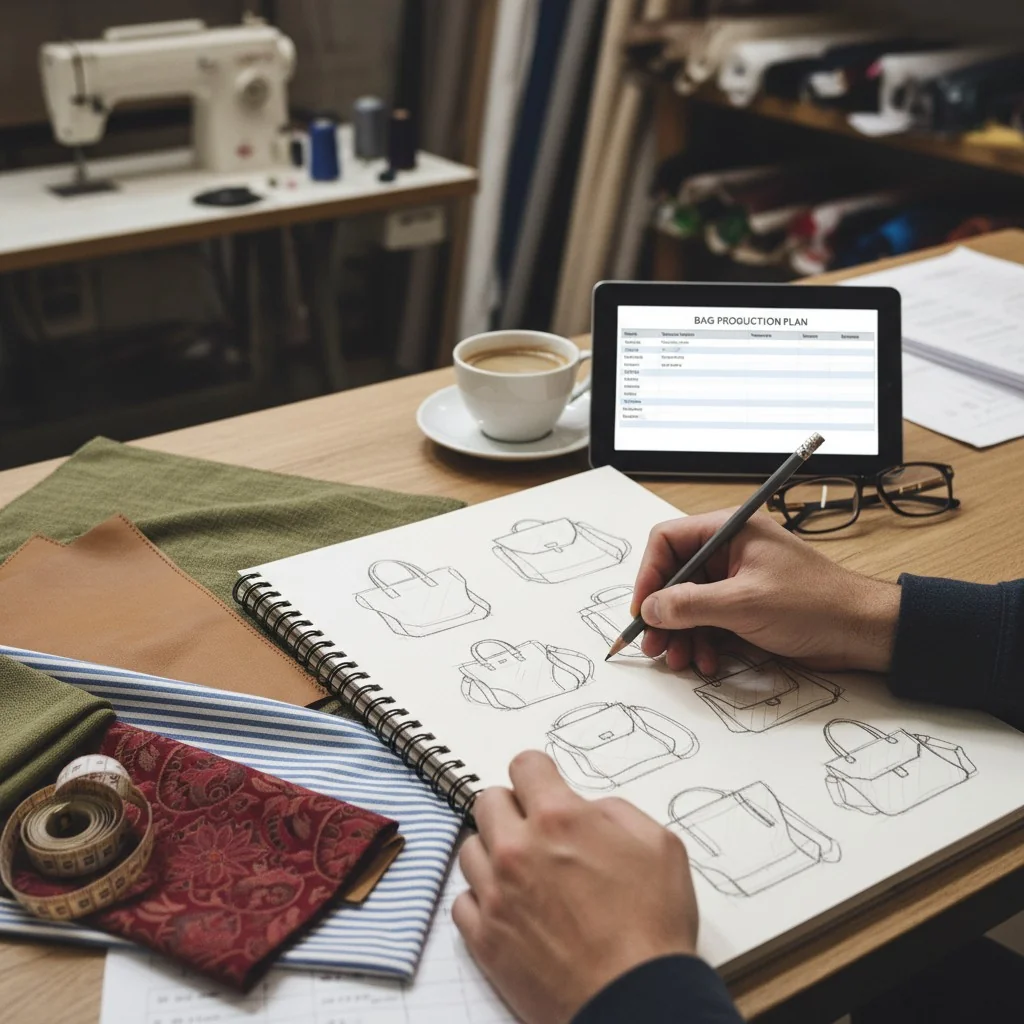
Finding the right manufacturing partner2 is one of the most important decisions you’ll make for your brand. I’ve seen firsthand how the right factory can elevate a business, and how the wrong one can cause endless headaches. It might seem like a huge task, but it’s a journey we can walk through together. Let’s break down the process so you can move forward with confidence and find a partner who will help your brand grow.
[claim claim=”Over 60% of new businesses fail due to poor supplier relationships and quality control issues.” istrue=”false” explanation=”While supplier issues are a significant challenge, this specific statistic is not verified. Business failure is complex, with cash flow problems being the most cited reason.”]
[claim claim=”A detailed ‘tech pack’ can reduce manufacturing errors by up to 50% by providing clear, unambiguous instructions to the factory.” istrue=”true” explanation=”A comprehensive tech pack minimizes misunderstandings about design, materials, and construction, leading to fewer errors and more accurate samples.”]
How Can You Find the Ideal Bag Manufacturer Step by Step?
You have a great idea for a bag, but no idea how to start the search for a maker. This uncertainty can waste time and money. Let me show you a clear, seven-step path.
A systematic approach is your best tool. Start by clearly defining your product and budget. Then, research and shortlist potential factories. Finally, you’ll vet them through samples, communication, and negotiation to build a strong, lasting partnership that brings your vision to life.
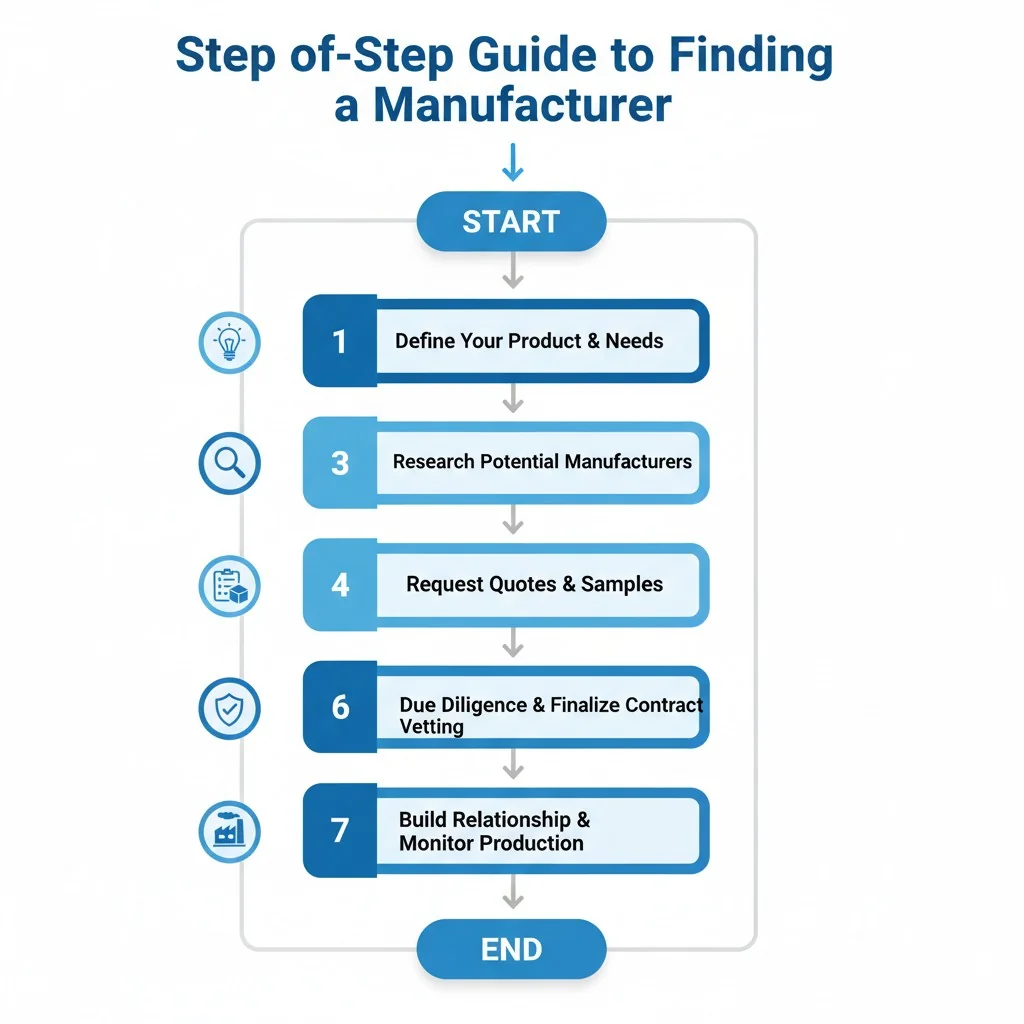
I remember working with a client who was completely overwhelmed. She had amazing designs but was stuck. We sat down and created a simple action plan, following these exact steps. It turned her anxiety into action. This process isn’t just a theory; it’s a practical roadmap that works. Let’s walk through it.
Finding the perfect bag manufacturer is crucial to ensuring that you get a high-quality product, meet production timelines, and maintain cost-efficiency.
Below is a detailed, step-by-step guide that will take you through the process of selecting the right manufacturing partner for your bags.
Step 1: Define Your Requirements
Before you start looking for a manufacturer, it’s essential to know exactly what you need. This includes the type of bag you want to create, the materials you’ll use, and the features you require.
Key Actions:
- Bag Type: Are you looking to produce backpacks, handbags, duffel bags, or custom-made bags? Define the specific product category and design style.
- Material: Specify the fabric or materials you want, such as canvas, leather, polyester, or eco-friendly options.
- Design Features: Detail any unique design elements such as zippers, handles, compartments, or logos.
- Order Volume: Determine the ideal quantity for your first order, whether it’s a small batch or large-scale production.
- Budget: Establish a rough cost per unit and total cost to help guide your search.
Having clear specifications will help you communicate effectively with potential manufacturers, ensuring they understand your exact needs.
Step 2: Conduct Preliminary Research
Once you have your requirements defined, it’s time to begin researching potential manufacturers. This step is crucial for creating a shortlist of manufacturers that could meet your needs.
Key Actions:
- Online Research: Use platforms such as Alibaba, ThomasNet, and Maker’s Row to find manufacturers with experience in producing the type of bag you want.
- Trade Shows: Attend trade shows relevant to the bag manufacturing industry to meet manufacturers face-to-face and see their products in person.
- Referrals: Ask for referrals from industry peers or suppliers who have experience working with manufacturers. Peer recommendations are often valuable in finding trustworthy manufacturers.
- Industry Directories: Search through trade associations and directories for manufacturers with certifications such as ISO, ensuring they meet industry standards.
Preliminary research helps you narrow down a broad list of potential manufacturers to those who have the necessary expertise and capabilities.
Step 3: Evaluate Shortlisted Manufacturers
After gathering a list of potential manufacturers, you need to evaluate them thoroughly to ensure they’re a good fit for your project. This evaluation is based on their experience, manufacturing capacity, and quality control processes.
Key Actions:
- Check Capabilities: Assess each manufacturer’s ability to produce the specific type of bag you need. Are they specialized in backpacks, handbags, or custom designs? Do they offer the materials and features you require?
- Location: Consider the manufacturer’s location and its impact on logistics, shipping times, and costs. Proximity may play a role in faster lead times and lower shipping expenses.
- Reviews and References: Read reviews or ask for references from previous clients to evaluate the manufacturer’s track record. This can provide insight into the quality of their products and customer service.
- Certifications: Ensure the manufacturer has necessary certifications like ISO 9001 or ethical sourcing certifications, which can provide peace of mind regarding quality and sustainability.
The goal of this step is to narrow your list to manufacturers who meet your requirements for quality, production capacity, and reliability.
Step 4: Contact Manufacturers and Request References
Now that you have a shortlist, it’s time to contact the manufacturers directly to discuss your project in more detail. Establishing clear communication early on is vital for setting expectations and understanding each manufacturer’s capabilities.
Key Actions:
- Professional Inquiry: Reach out to each manufacturer with a clear and detailed inquiry. Include information such as your desired product specifications, order quantity, timeline, and any special requirements.
- Request References: Ask for case studies or references from previous clients who have worked on similar projects. This helps verify the manufacturer’s reliability and work quality.
- Communication: Evaluate the responsiveness and professionalism of their communication. Do they address your questions clearly and promptly? Good communication is key to a successful partnership.
This step will help you assess the manufacturer’s customer service and responsiveness, which are important factors in a long-term relationship.
Step 5: Request Samples
Once you’ve communicated with the manufacturers and are satisfied with their responses, the next step is to request samples. A sample is essential for evaluating the manufacturer’s ability to produce a product that meets your expectations in terms of quality, design, and functionality.
Key Actions:
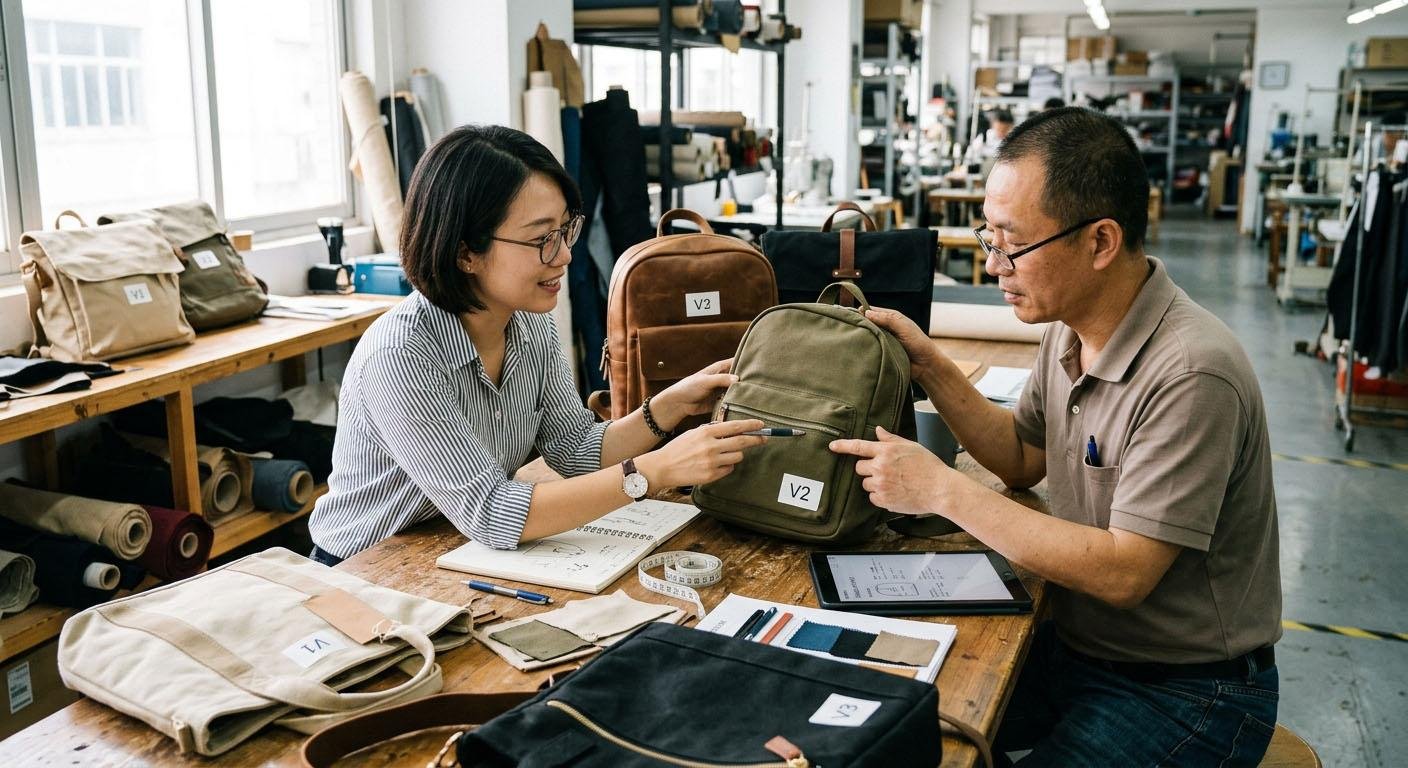
- Request a Prototype: Ask for a sample of your bag design made with the materials and features you’ve specified. The sample should closely match your final product in terms of quality, design, and accuracy.
- Evaluate Quality: Test the sample for durability, stitching quality, material finishes, and any other specific requirements you have. Ensure it meets your standards.
- Feedback: If any changes are needed, provide detailed feedback to the manufacturer, so they can make adjustments for your final order.
The sample will give you a concrete sense of what the manufacturer is capable of, and whether they can meet your standards.

Step 6: Visit the Manufacturing Facility, If Possible
If the situation allows, a visit to the manufacturer’s facility can offer valuable insights into their production process and operational standards.
Key Actions:
- On-Site Inspection: Visit the manufacturing facility to inspect their operations firsthand. Check their machinery, labor force, cleanliness, and overall production environment.
- Quality Control: Observe how they handle quality control during production. Do they have systems in place for monitoring and inspecting product quality throughout the process?
- Meet the Team: Meet with key personnel, including production managers, designers, and quality control staff. This helps establish a personal connection and ensures that you’re dealing with trustworthy professionals.
Visiting the facility in person allows you to verify everything from equipment to quality control procedures, giving you confidence in their capabilities.
Step 7: Negotiate and Establish a Long-term Partnership
Once you’re confident in the manufacturer’s abilities and products, it’s time to negotiate terms and establish a long-term partnership. This step will ensure that you’re aligned on all key aspects of the business relationship, from pricing to production timelines.
Key Actions:
- Negotiate Pricing: Discuss pricing based on your order quantity. Manufacturers may offer discounts for bulk orders, so negotiate to get the best value for your budget.
- Payment Terms: Agree on payment terms (e.g., 30% deposit upfront, 70% upon completion) and ensure transparency about any additional fees (e.g., shipping or custom duties).
- Production Timeline: Set clear expectations about production times, delivery dates, and any potential delays. Factor in holidays or peak seasons that may affect production timelines.
- Contract: Draft a contract that outlines all agreed-upon terms, including pricing, timelines, quality standards, and payment terms. Having a written agreement ensures both parties are on the same page and protects your interests.
By negotiating effectively and setting clear terms, you can establish a strong, long-term relationship with your manufacturer.
[claim claim=”You should always choose the manufacturer that offers the lowest price.” istrue=”false” explanation=”The lowest price often comes with compromises in quality, communication, or ethical standards. It’s crucial to balance cost with reliability and quality.”]
[claim claim=”Requesting a sample is a standard and essential part of the vetting process.” istrue=”true” explanation=”Samples allow you to physically inspect the manufacturer’s workmanship, material quality, and ability to follow your design specifications before placing a bulk order.”]
What Are the Different Types of Bag Manufacturers?
Feeling confused by industry jargon like OEM3, ODM, and others? Choosing the wrong type of manufacturer can limit your creative freedom or add unnecessary work to your plate. Let’s clear things up.
The main types are OEM, ODM4, and Contract Manufacturers. OEM builds your design, ODM offers pre-designed products you can brand, and Contract Manufacturers provide a wider range of services. Your choice depends on your design readiness, business size, and desired level of involvement.

Choosing the right type of partner is critical. If you’re a brand owner like Emily with a strong design vision, an OEM partner is likely your best fit. They bring your ideas to life. But if you’re looking to get to market quickly with a proven design, an ODM might be a better choice. There’s no single "best" type—only the best type for your specific needs.
Understanding Manufacturing Models
Each model offers a different level of service and requires a different level of input from you.
| Manufacturer Type | Best For | Your Role | Key Benefit |
|---|---|---|---|
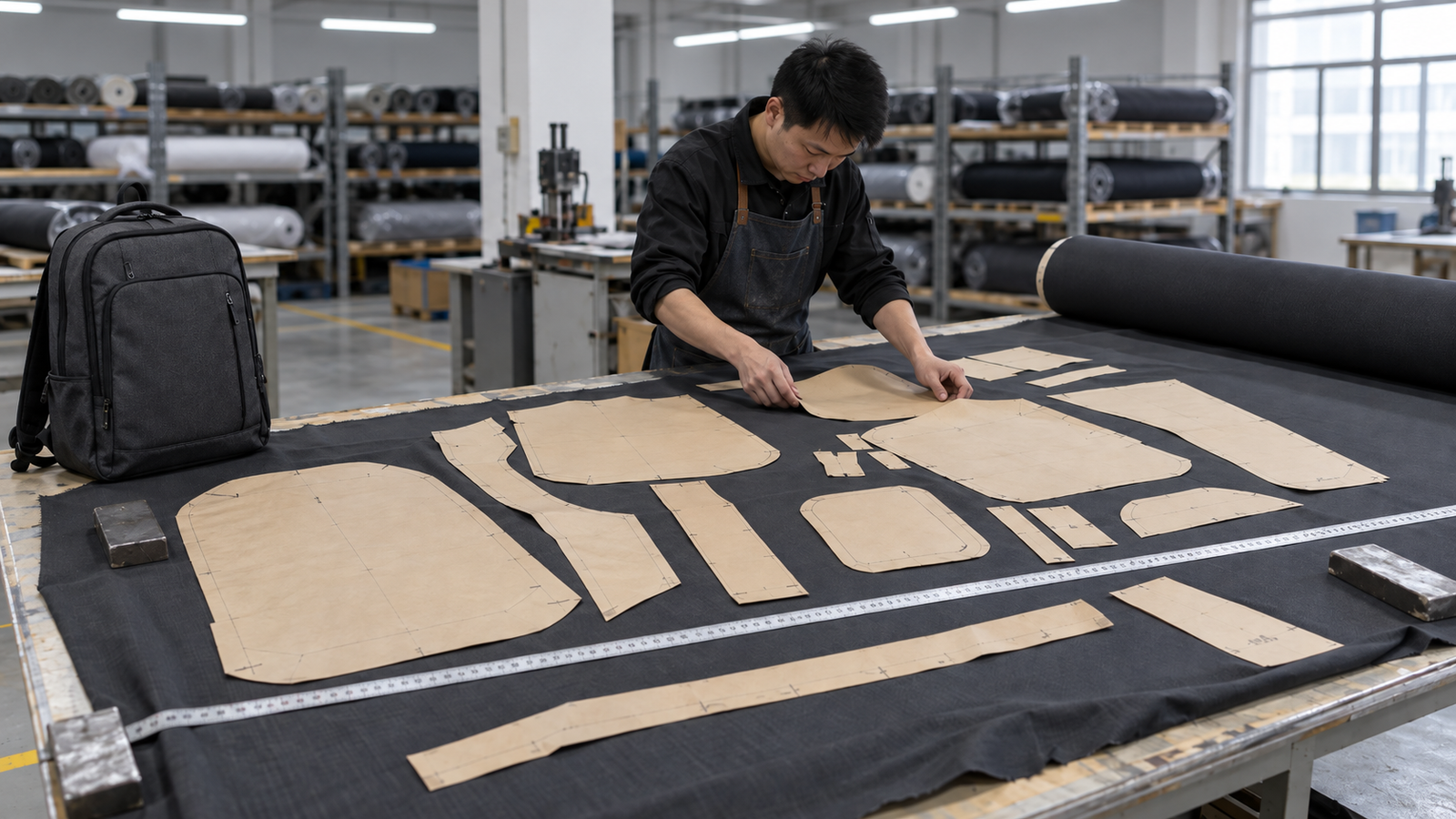
| OEM (Original Equipment Manufacturer) | Brands with unique designs. | Provide a full tech pack5. | Full creative control. |
| ODM (Original Design Manufacturer) | Brands wanting to launch quickly. | Choose and customize existing designs. | Speed to market. |
| CM (Contract Manufacturer) | Brands needing end-to-end service. | Varies; can be design, sourcing, etc. | Flexible, scalable support. |
As a brand owner, understanding these differences helps you find a partner that aligns with your business strategy, whether you prioritize total design control, speed, or a full-service partnership.
[claim claim=”ODM manufacturers own the intellectual property for the designs they offer.” istrue=”true” explanation=”With ODM, you are essentially licensing or buying a pre-existing design. The factory retains the IP for the base product, though you own the branding you add.”]
[claim claim=”All bag manufacturers offer both OEM and ODM services.” istrue=”false” explanation=”Many factories specialize in one model. For example, Osgoodway focuses on OEM services, helping brands create custom bags from their unique designs.”]
Which Online Tools and Databases Can Help You Find Manufacturers?
The internet is a huge place, and it’s easy to get lost. You could spend weeks scrolling through endless supplier lists, unsure of who is legitimate. I’ll point you to the most effective online resources.
Start with major B2B platforms like Alibaba and Global Sources for a wide selection of verified suppliers. For deeper research, use import/export databases6 like Panjiva to see who your competitors use. Specialized engines like ThomasNet are great for finding domestic producers.
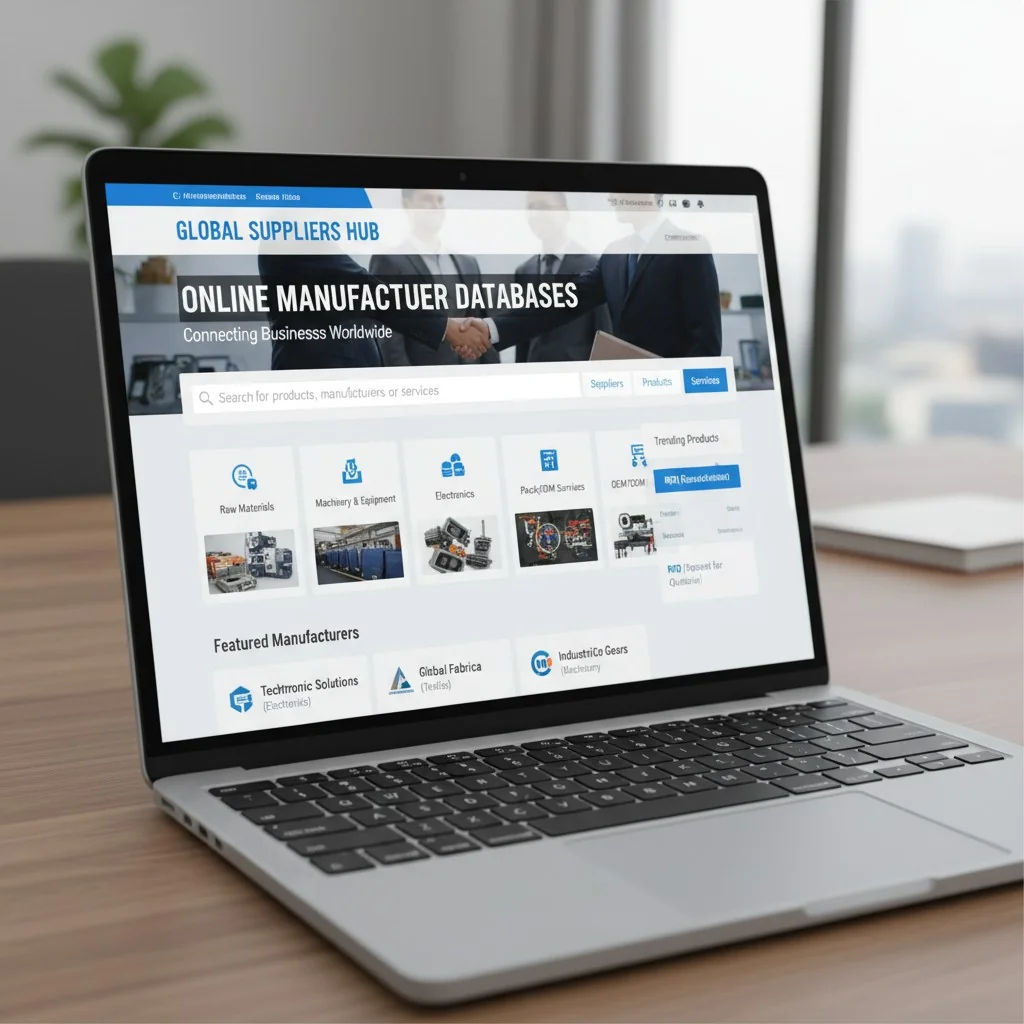
When I first started, I spent countless hours on Google. Now, I use a more targeted approach. These platforms are designed specifically for sourcing and can save you a massive amount of time. They provide tools to filter, verify, and compare manufacturers, which is a huge advantage for a small business owner. Think of them as your digital sourcing assistants.
Commercial B2B Platforms
These are the most common starting points. Sites like Alibaba and Global Sources are massive marketplaces where you can find thousands of suppliers. They often have verification systems, reviews, and direct messaging to help you connect. They are great for initial research and getting a feel for market pricing.
Import/Export Records
For a more advanced strategy, you can use databases like Panjiva or ImportGenius. These tools track shipping records. You can look up a brand you admire and see which factories they import from. This is a powerful way to find proven, high-quality manufacturers, though these services usually require a subscription.
Specialized Industrial Search Engines
If you’re looking for a manufacturer in a specific region, like the USA, sites like ThomasNet or Kompass are excellent. They are directories of industrial producers and are less focused on mass-market exports, often listing highly specialized and established factories.
[claim claim=”Alibaba’s ‘Gold Supplier’ status guarantees a manufacturer is high-quality.” istrue=”false” explanation=”‘Gold Supplier’ is a paid membership on Alibaba that verifies a company’s legal existence. It does not guarantee product quality or business ethics.”]
[claim claim=”Using import databases to find competitors’ suppliers is a common industry practice.” istrue=”true” explanation=”Analyzing public shipping data is a legitimate competitive research strategy used by many businesses to identify potential and proven manufacturing partners.”]
Where Can You Search for Bag Manufacturers Offline?
Relying only on your computer screen can be limiting. You might miss out on building real relationships and discovering partners who don’t have a big online presence. Let’s explore some powerful offline methods.
The best offline resources are industry trade shows, professional networking, and referrals. Trade shows let you meet dozens of manufacturers and see their products in person. Referrals from trusted contacts in your network can also lead you directly to reliable partners.
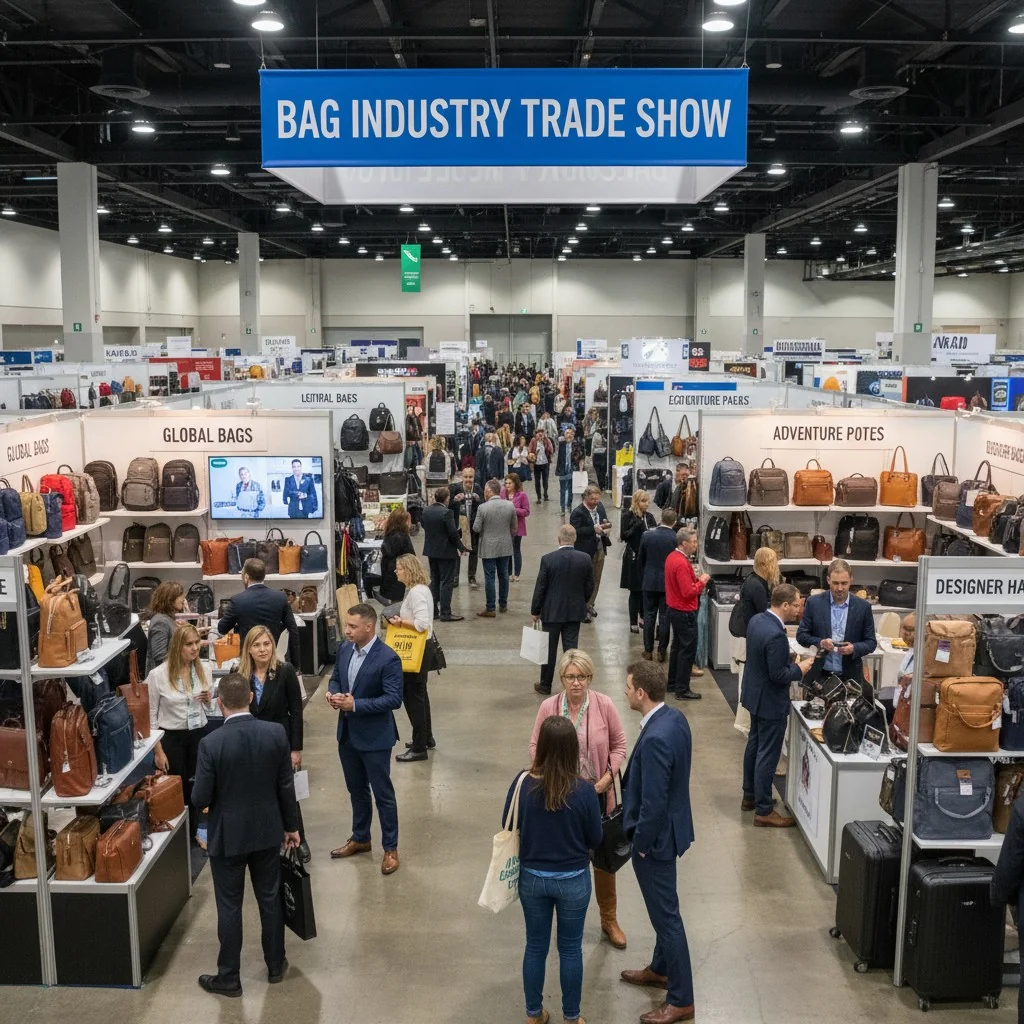
I can’t tell you how many great partnerships I’ve seen start with a simple handshake at a trade show. There’s a different energy when you can talk to someone face-to-face and touch the products they’ve made. It builds trust in a way that emails can’t. While it requires more effort and investment to travel, the payoff can be a long-term, reliable partner.
Attending Industry Trade Shows
Trade shows like the Canton Fair in China or various apparel and accessories shows in the US and Europe are invaluable. You can efficiently meet many suppliers in one place.
- Pro: See products and meet teams in person.
- Con: Can be expensive and time-consuming to attend.
Leveraging Your Network
Don’t underestimate the power of referrals. Talk to other brand owners, designers, or industry consultants. A recommendation from a trusted source is often the best lead you can get. I always tell my clients to ask around; you never know who might have the perfect connection for you.
| Method | Pros | Cons |
|---|---|---|
| Trade Shows | Meet many suppliers; see products; build relationships. | Costly (travel, tickets); can be overwhelming. |
| Referrals | Pre-vetted; high level of trust; often faster. | Limited options; depends on your network’s size. |
[claim claim=”The Canton Fair is the largest trade fair in the world.” istrue=”true” explanation=”Held biannually in Guangzhou, China, the Canton Fair is renowned for its massive scale, featuring a huge variety of industries and attracting buyers and exhibitors from all over the globe.”]
[claim claim=”You can find great manufacturers only by attending international trade shows.” istrue=”false” explanation=”While international shows are excellent, many great manufacturers, especially smaller or domestic ones, can be found at regional trade shows, through local business chambers, or via industry referrals.”]
Can Professional Sourcing Services or Agents Assist in Finding Manufacturers?
You’re busy running your brand and might not have the time or expertise for a global search. Navigating language barriers, cultural differences, and negotiations alone is a huge risk. A sourcing agent can be your expert on the ground.
Yes, sourcing agents7 and services can be extremely helpful. They handle the entire process of finding, vetting, and managing manufacturers for you. This saves you time, reduces risk, and leverages their local expertise and relationships, especially when sourcing from another country.
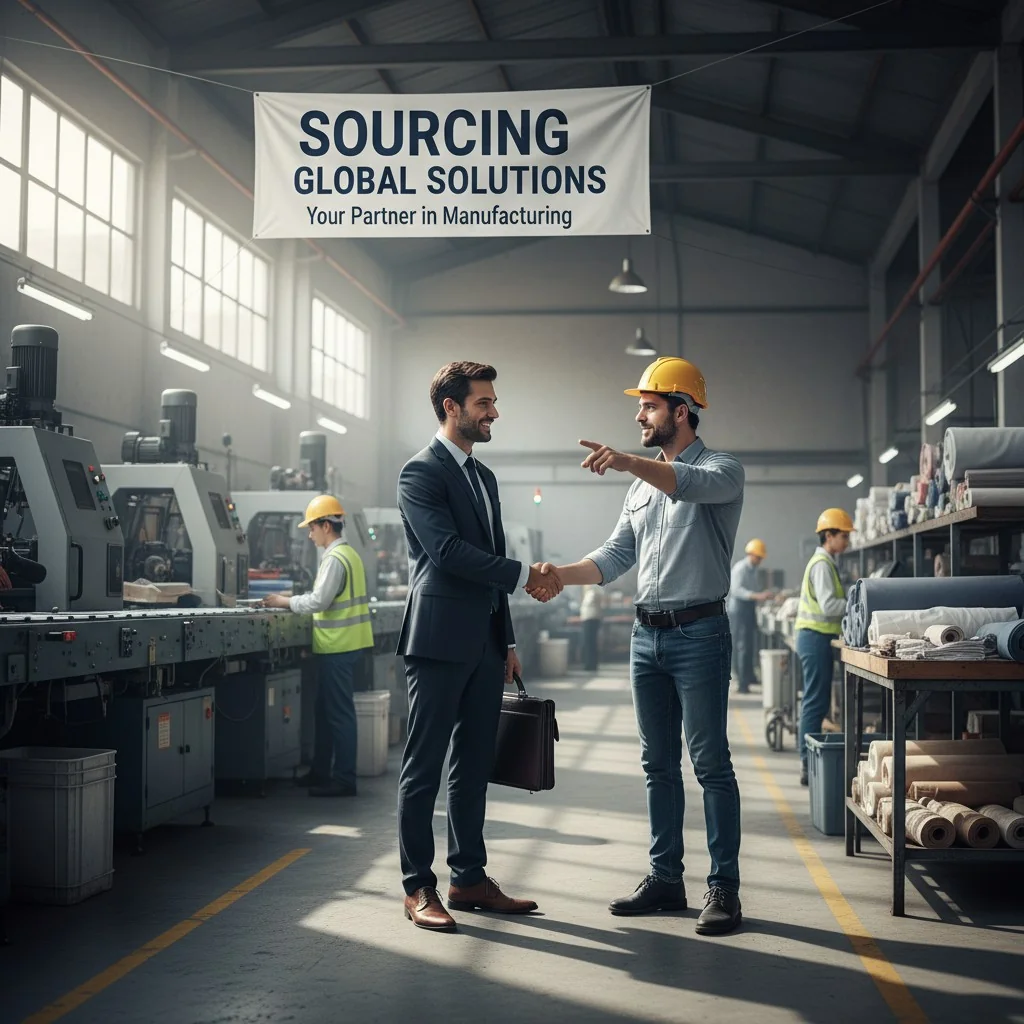
I’ve worked both directly with factories and with agents, and both have their place. For a brand owner like Emily, who is focused on design and marketing, an agent can be a game-changer. They act as your boots on the ground, handling quality control and logistics. The key is to find a transparent and trustworthy agent who truly represents your interests.
The Role of a Sourcing Agent
A good agent does more than just find a factory. They are your project manager.
- Vetting: They have a network of trusted factories and can verify new ones.
- Negotiation: They understand local pricing and can negotiate better terms.
- Communication: They bridge language and cultural gaps.
- Quality Control: They can perform inspections during production to catch issues early.
When to Use an Agent vs. Go Direct
The decision depends on your experience, resources, and comfort level.
| Use an Agent If… | Go Direct If… |
|---|---|
| You are new to sourcing. | You have experience with manufacturing. |
| You are sourcing from a new country. | You are sourcing domestically or have a team on the ground. |
| You lack the time for day-to-day management. | You want maximum control and direct communication. |
| Your order volume is still small. | You have large order volumes and more negotiating power. |
[claim claim=”Sourcing agents always work on a commission basis, taking a percentage of your order value.” istrue=”false” explanation=”While commission is a common payment structure, some agents work on a flat fee per project or a monthly retainer. It’s important to clarify payment terms upfront.”]
[claim claim=”A good sourcing agent can help you secure better pricing than you could get on your own.” istrue=”true” explanation=”Due to their established relationships, knowledge of local markets, and ability to combine orders from multiple clients, agents often have more negotiating leverage than a single small brand.”]
How Can You Verify and Assess Potential Manufacturers Effectively?
You’ve created a shortlist of potential manufacturers. This is exciting, but how do you know who to trust? Making the wrong choice at this stage can lead to production nightmares later on.
To verify a manufacturer, start by checking their business licenses and quality certifications8 (like ISO 9001). Assess them by ordering a physical sample to evaluate quality, paying close attention to their communication style, and, if possible, arranging a factory audit or video tour.

This is the most critical step. A factory can have a great website and a friendly sales rep, but the proof is in the product and the process. I always tell my clients to trust, but verify. A good manufacturer will be transparent and welcome your questions. If they are hesitant to provide documents or a sample, that’s a major red flag.
Your Verification Checklist
Use this as a guide to systematically assess each potential partner.
- Document Verification: Ask for their business registration and any quality or social compliance certifications (e.g., ISO 9001, BSCI). This confirms they are a legitimate and responsible business.
- Communication Assessment: How quickly and clearly do they respond? Do they understand your questions? Good communication is essential for a smooth partnership.
- Sample Evaluation: This is non-negotiable. Get a sample made. Check the stitching, materials, hardware, and overall construction against your tech pack.
- factory audits9: For large orders, a third-party audit or a personal visit is ideal. It gives you a clear picture of their capacity, working conditions, and quality control systems.
| Assessment Step | What to Look For | Red Flag |
|---|---|---|
| Documentation | Valid licenses, relevant certifications. | Unwillingness to share documents. |
| Communication | Clear, prompt, and professional responses. | Vague answers, long delays. |
| Sample | High-quality materials and craftsmanship. | Poor quality, doesn’t match tech pack. |
| Audit/Visit | Clean, organized, and safe facility. | Disorganized, unsafe conditions. |
[claim claim=”A factory visit is the only way to truly verify a manufacturer.” istrue=”false” explanation=”While a visit is ideal, it’s not always feasible. You can effectively verify a manufacturer through document checks, third-party audits, video calls, and thorough sample evaluation.”]
[claim claim=”BSCI (Business Social Compliance Initiative) is a certification that guarantees a factory pays fair wages.” istrue=”true” explanation=”BSCI is a leading system for improving social standards in global supply chains. An audit checks for issues like fair wages, working hours, and workplace safety, promoting ethical production.”]
Conclusion
Finding the right manufacturer is a careful process of research, vetting, and relationship-building. It is the most important foundation for building a successful and sustainable bag brand.
References
-
Effective communication is key to a successful partnership and helps prevent misunderstandings. ↩
-
Understanding the role of a manufacturing partner can help you choose the right one for your brand. ↩
-
Learning about OEM can help you decide if it’s the right manufacturing model for your unique designs. ↩
-
Exploring ODM options can speed up your time to market with pre-designed products. ↩
-
A tech pack is crucial for clear communication with manufacturers, minimizing errors and ensuring quality. ↩
-
These databases can reveal proven suppliers and enhance your competitive research. ↩
-
Sourcing agents can simplify the manufacturing process, saving you time and reducing risks. ↩
-
Knowing key certifications helps ensure you partner with reliable and compliant manufacturers. ↩
-
Factory audits help verify a manufacturer’s capabilities and working conditions, ensuring quality. ↩