Struggling to decide between an insulated bag or a hard cooler for your new product line? The wrong choice can confuse customers. Let’s find the perfect fit for your brand.
The best choice depends on your customer’s needs. Insulated bags1 are perfect for portability, style, and short-term use like daily lunches. Hard coolers are built for maximum insulation and durability, ideal for camping or multi-day trips where keeping things cold for days is essential.
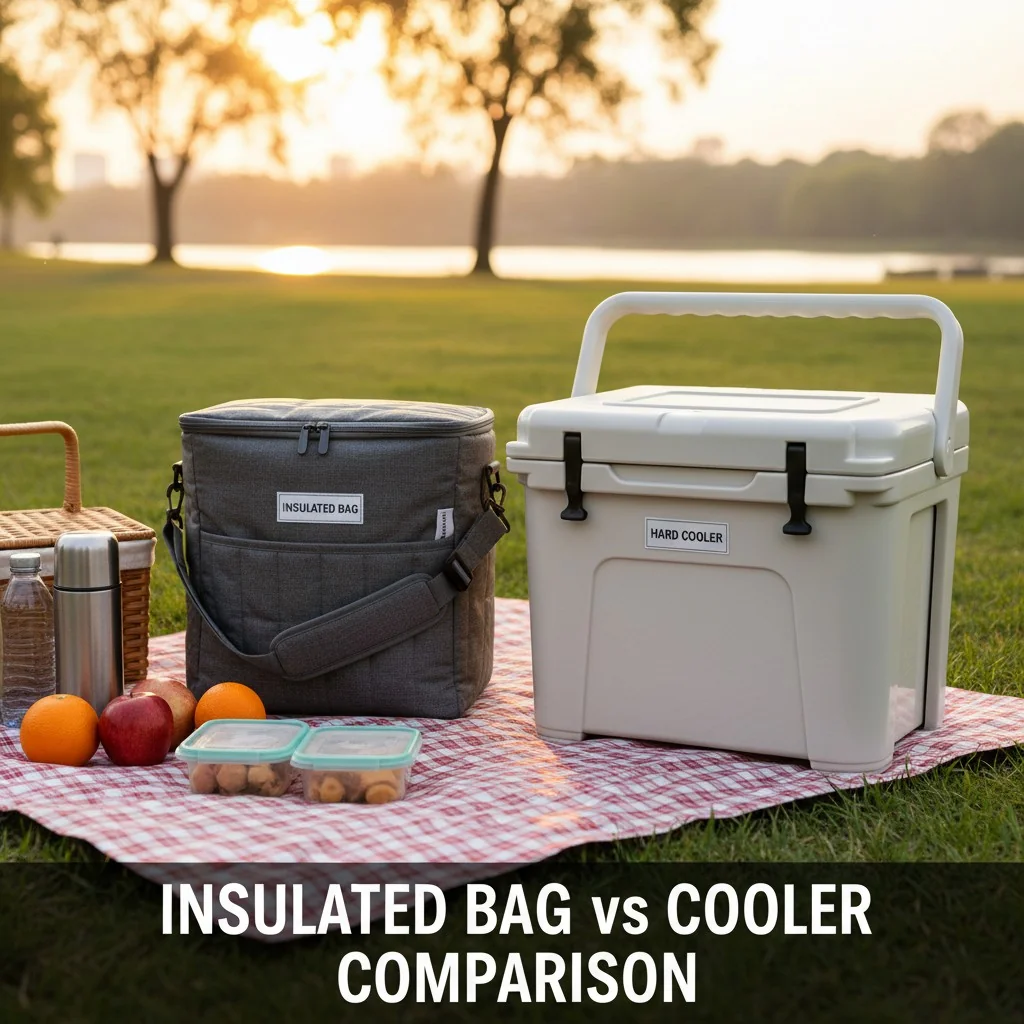
As a bag manufacturer, I’ve helped countless brand owners like you navigate this choice. It’s a critical decision that defines who your product is for and how it will be used. Are you targeting the daily commuter, the weekend adventurer, or someone in between?
Understanding the fundamental differences in design, performance, and cost is the first step. In this guide, I’ll walk you through everything you need to know to make a smart, strategic decision for your business. Let’s get started.
[claim claim=”All insulated products use the same type of foam for insulation.” istrue=”false” explanation=”Different products use various foams, like PE foam for bags and PU foam for high-end coolers, which offer different levels of insulation.”]
[claim claim=”The color of a cooler can affect its performance.” istrue=”true” explanation=”Lighter-colored coolers reflect more sunlight and absorb less heat, helping to keep the contents cold for longer, especially in direct sun.”]
What Are Insulated Bags and Coolers, and How Do They Work?
You see the word "insulated" everywhere, but what does it really mean? Choosing the wrong materials or misunderstanding the science can lead to a product that simply doesn’t work.
Insulated bags and coolers both work by slowing down heat transfer. They use layers of material to create a Thermal barrier2, trapping the initial temperature inside. This is done by combating conduction, convection, and radiation with insulating foam, airtight seals, and often a reflective liner.
What Are Insulated Bags and Coolers, and How Do They Work?
What Is Insulated Bags?
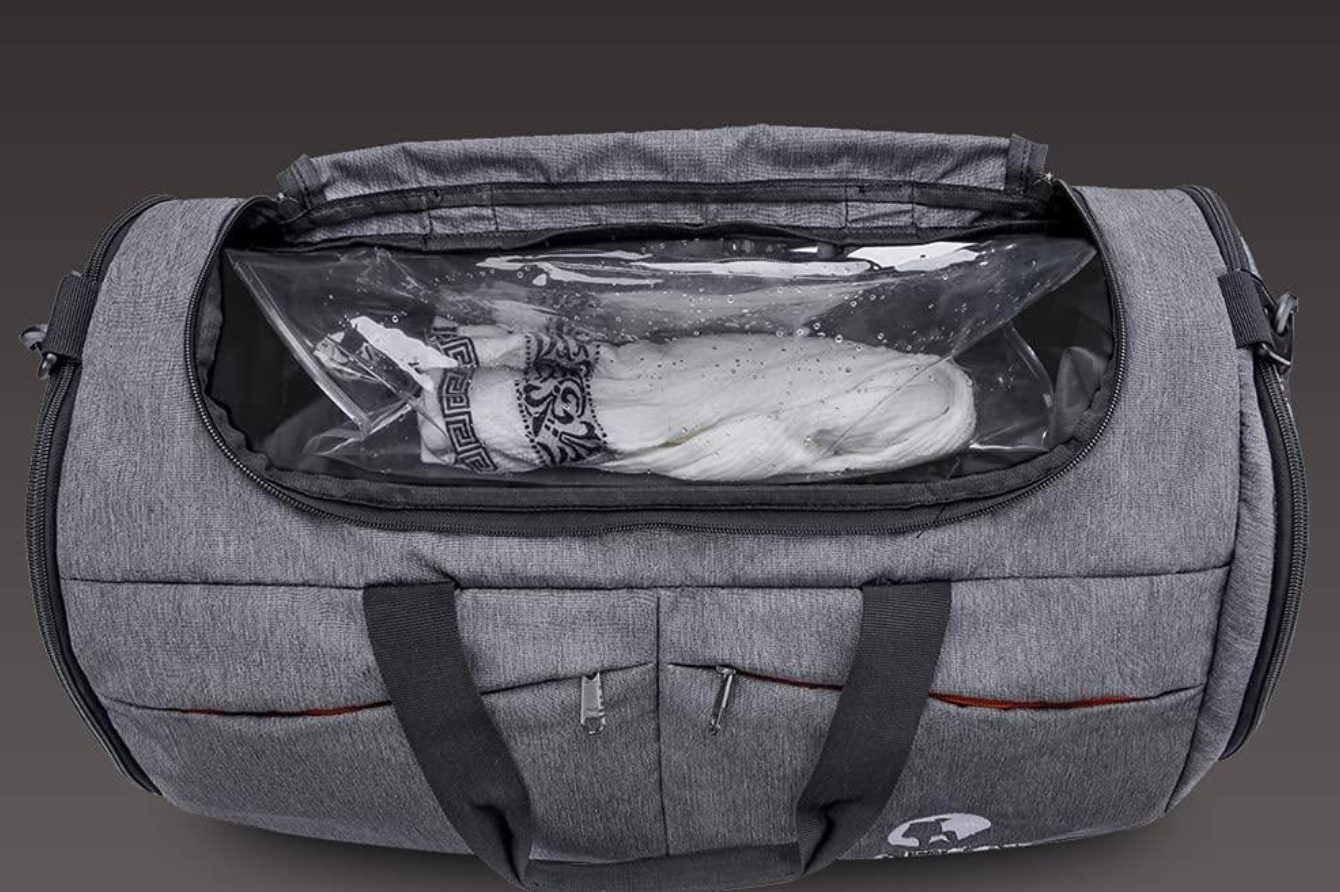
An insulated bag is a portable, flexible container designed to keep contents at a stable temperature for a period of time. These bags are commonly used for keeping food, drinks, or medications cool or warm, depending on the needs of the user. They are often made from materials like foam, reflective linings, and thick fabrics that help trap air and reduce heat transfer.
How They Work:
Insulated bags rely on thermal insulation to slow down the rate at which heat is transferred from the environment into the bag. They typically feature:
- Foam Insulation: Acts as a barrier, slowing the movement of heat.
- Reflective Linings: Reflect heat away from the interior, helping to maintain a cooler temperature.
- Thick Fabrics: These outer materials provide durability while contributing to insulation by trapping air within layers.
While not as effective as coolers for long-term temperature retention, insulated bags are excellent for short-term storage, like keeping your lunch cold during a workday or carrying groceries from the store to your car.
Materials Typically Used in Insulated Bags
| Component | Common Materials | Purpose |
|---|---|---|
| Exterior | Polyester (600D), Canvas, Nylon, rPET | Durability3, aesthetics, water resistance |
| Insulation | PE Foam, EPE Foam | Traps air to slow heat transfer |
| Liner | PEVA, Aluminum Foil, PVC | Waterproofing, easy cleaning, reflects heat |
What Is a Coolers?
A cooler is a more robust, often rigid container designed to keep items cold for extended periods. Coolers are typically made from hard plastic or foam and can range from small, personal-sized units to large, heavy-duty ones meant for multiple days of storage. They often come equipped with ice packs, built-in drainage systems, and airtight seals to maximize cooling efficiency.
How They Work:
Coolers use thermal insulation combined with ice or gel packs to maintain a low temperature. Their construction often includes:
- Thick Insulation: Both the lid and body are often lined with foam or other insulating materials to trap cold air.
- Airtight Seal: A tight seal around the lid prevents warm air from entering, helping to maintain a consistent temperature.
- Ice or Ice Packs: These are placed inside the cooler, where they absorb heat from the contents, keeping them cool for a longer period.
- Drainage System: Some coolers include a spout for draining melted ice water, which helps maintain the cooler’s efficiency.
Coolers can retain cold temperatures for hours or even days, depending on the insulation and the amount of ice or coolants used.
Types of Coolers Available
| Cooler Type | Key Features | Best For |
|---|---|---|
| Hard Cooler | Rigid plastic shell, thick insulation | Camping, fishing, multi-day trips |
| Soft Cooler | Fabric exterior, lighter than Hard coolers4 | Picnics, beach days, sporting events |
| Electric Cooler | Plugs into a car or outlet to actively cool | Road trips, RVs, long-haul trucking |
[claim claim=”A reflective liner’s main job is to keep the bag from leaking.” istrue=”false” explanation=”While many liners are waterproof, their primary thermal purpose is to reflect radiant heat, keeping the interior temperature stable.”]
[claim claim=”Air is a key component of insulation.” istrue=”true” explanation=”Insulating materials like foam work by trapping millions of tiny air pockets, which significantly slows the process of heat conduction and convection.”]
What Are the Key Design Differences Between Insulated Bags and Coolers?
They both keep things cold, but their designs are worlds apart. Picking a design that doesn’t fit your customer’s lifestyle is a fast way to get bad reviews.
The biggest differences are structure and Portability5. Insulated bags are soft, flexible, and light, designed to be carried easily. Coolers are hard, rigid, and heavy, prioritizing extreme insulation and durability over convenience. One is for carrying; the other is for hauling.
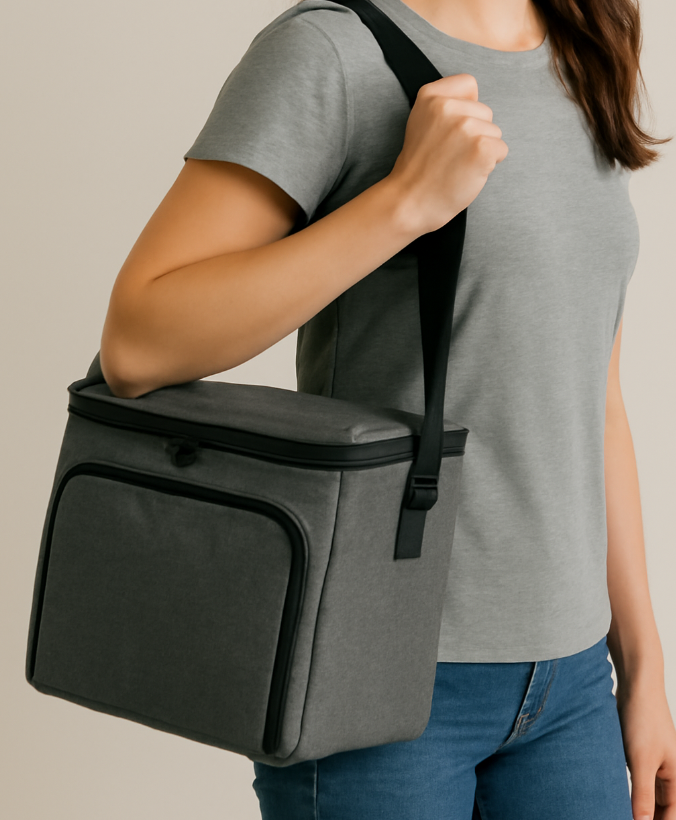
When I work with a brand, the first question I ask is about the customer’s day. Does she need to carry her lunch on a crowded subway? Or does he need to keep fish cold for three days on a boat? The answer tells us whether to go with a bag or a cooler.
An insulated bag can be folded and stored away, and we can use endless combinations of fabrics and prints to match a brand’s style. A hard cooler is all about function. It’s a fortress against heat, built with thick plastic walls and heavy-duty hardware.
Insulated Bags vs Coolers: Which Performs Better?
Performance depends entirely on the situation. For a few hours, a quality insulated bag is perfect and much more practical. For a few days, a cooler is the only option.
Insulated bags win on portability and style. They are lightweight, often have shoulder straps, and can be designed to look like a fashionable tote or backpack. Coolers win on raw insulating power and durability. Their rigid, rotomolded or injection-molded plastic construction allows for much thicker insulation (like polyurethane foam) and creates a near-perfect airtight seal, which is the secret to multi-day Ice retention6.
Hot Weather Performance Comparison
| Product | Performance in Hot Weather (above 85°F/29°C) |
|---|---|
| Insulated Bag | 2-6 hours |
| Soft Cooler | Up to 24 hours |
| Hard Cooler | 24-72+ hours |
Insulated bags excel for city use or daily routines, while coolers are essential for adventures requiring prolonged refrigeration.
[claim claim=”Hard coolers are always better than soft coolers.” istrue=”false” explanation=”‘Better’ is subjective. Hard coolers offer superior ice retention, but soft coolers are far more portable and convenient for short-term use.”]
[claim claim=”The seal of a cooler is just as important as its insulation.” istrue=”true” explanation=”A tight-fitting lid with a rubber gasket prevents air exchange (convection), which is a major cause of ice melt. A cooler with great insulation but a poor seal will not perform well.”]

How Long Can Each Keep Food and Drinks Cold or Hot?
You need to give your customers realistic expectations. Promising your bag will keep ice for a day when it only lasts a few hours is a recipe for disaster.
Generally, a standard insulated bag will keep things cool for 2 to 6 hours. This is great for a lunch or a short picnic. A high-quality hard cooler, on the other hand, can keep ice for 3 to 7 days, or even longer under ideal conditions.

Many factors change these numbers. The quality of the Insulation foam7 is huge. So is the outside temperature. How often you open the lid makes a big difference, too.
I always advise my clients to test their prototypes in real-world conditions. For example, pre-chilling your cooler and its contents overnight can add a full day to your ice life. Using block ice instead of cubed ice also helps, as it melts much slower.
For an insulated bag, its performance is perfect for its intended use—getting your food from home to the office or park safely. For a cooler, its job is to survive a long weekend in the back of a hot car. As a brand owner, you must communicate these use cases clearly in your marketing.
[claim claim=”Filling a cooler all the way with ice makes it last longer.” istrue=”false” explanation=”The ideal ice-to-contents ratio is 2:1. Too much empty air space makes ice melt faster, so it’s better to fill that space with more ice, drinks, or even towels than to leave it empty.”]
[claim claim=”Hot items will stay hot for about the same time cold items stay cold in an insulated bag.” istrue=”true” explanation=”The insulation works both ways by slowing the transfer of heat. It keeps cold in and heat out, but it also keeps heat in and cold out, maintaining the temperature of hot foods for a similar duration.”]
When deciding whether to choose an insulated bag or a cooler for your product line, consider these key factors:
When to Choose an Insulated Bag
- Ideal for short trips or daily use where portability and convenience are important. Insulated bags typically keep items fresh for up to 24 hours.
- Best for customers looking for a lightweight, foldable, and easy-to-store solution with moderate temperature retention.
- Suitable for groceries, lunches, picnics, or takeaway food requiring safe temperature maintenance but not long-term cooling.
- Cost-effective for businesses and consumers, with prices significantly lower than hard coolers.
- Environmentally friendly due to lower production energy and carbon footprint compared to hard coolers.
When to Choose a Cooler
- Perfect for multi-day trips or situations that demand strict temperature control and longer freshness—coolers can keep food cold for 5-7 days depending on insulation.
- Built with high-density insulation and durable rotomolded construction, making them highly impact-resistant and suitable for extreme conditions.
- Recommended for pharmaceuticals, high-value perishables, or outdoor activities like camping and fishing where extended cooling is critical.
- Higher upfront investment but offers greater durability and extended temperature retention.
- Less portable due to their bulk and weight but essential for long-term storage or transport of temperature-sensitive products.
Summary Table
| Factor | Insulated Bag | Cooler |
|---|---|---|
| Temperature Retention | Up to 24 hours | 5-7 days |
| Portability | Lightweight, foldable | Heavy, bulky |
| Typical Use Cases | Daily use, grocery runs, picnics | Camping, multi-day trips, pharmaceuticals |
| Durability | Moderate, flexible materials | High, rotomolded plastic |
| Cost | $30-$300, affordable | 10x higher than bags |
| Environmental Impact | Low production energy and CO2 | Higher energy and CO2 footprint |
Choosing between an insulated bag and a cooler depends on the specific needs of your product line and your customers’ use cases. For short-term, convenient cooling and portability, insulated bags are the best choice. For long-term temperature control, durability, and strict food safety, coolers are more suitable.
[claim claim=”Insulated bags are only for cold food.” istrue=”false” explanation=”Insulated bags are equally effective at keeping hot food hot for several hours, making them great for food delivery or potlucks.”]
[claim claim=”Most consumers use hard coolers for daily activities.” istrue=”false” explanation=”Due to their bulk and weight, hard coolers are typically reserved for specific events like camping or parties, not for everyday use.”]
Which Option Is More Environmentally Friendly?
For modern consumers, Sustainability8 isn’t a bonus; it’s a requirement. Making a smart, eco-conscious choice can be a powerful selling point for your brand.
Insulated bags often have a more sustainable story, especially when made from recycled materials like rPET fabric. Hard coolers are made from virgin plastics, but their extreme durability means a very long lifespan, which is another form of sustainability.

This is a topic I’m passionate about. For brand owners like Emily, highlighting sustainability is a great way to connect with customers.
With insulated bags, we can use fabrics made from recycled plastic bottles (rPET) or natural fibers like cotton and jute. This reduces waste and lowers the carbon footprint of your product.For hard coolers, the story is about longevity. A high-quality rotomolded cooler is a "buy it for life" product. It might be made of plastic, but it will last for decades, preventing dozens of cheap, disposable coolers from ending up in landfills.
The most eco-friendly choice is the one that gets used over and over again. A reusable insulated grocery bag that replaces thousands of single-use plastic bags is a huge win for the environment.
[claim claim=”All plastic coolers are bad for the environment.” istrue=”false” explanation=”While plastic production has an environmental impact, a durable, long-lasting cooler that prevents the need for frequent replacements can be a more sustainable choice than repeatedly buying cheap, disposable alternatives.”]
[claim claim=”Bags made from rPET are just as durable as those made from virgin polyester.” istrue=”true” explanation=”Recycled polyester (rPET) can be manufactured to meet the same quality and durability standards as virgin polyester, offering a sustainable alternative without compromising performance.”]
Which Is More Cost-Effective for Your Brand to Produce?
You have to create a great product, but you also have to make a profit. Understanding the production costs is essential for setting a retail price that works for you and your customers.
Insulated bags are significantly more cost-effective to produce. The materials are less expensive, and the sewing-based construction is simpler. Hard coolers, especially rotomolded ones, require very expensive molds and a complex manufacturing process, resulting in a much higher cost per unit.

Creating a great product is important, but you also need to make a profit. Understanding the production costs is essential for setting a retail price that works for both you and your customers.
Cost Comparison: Insulated Bags vs. Soft Coolers vs. Hard Coolers
Insulated bags are significantly more cost-effective to produce. The materials are less expensive, and the sewing-based construction is simpler. In contrast, hard coolers, especially rotomolded ones, require very expensive molds and a complex manufacturing process, resulting in a much higher cost per unit.
| Product | Main Costs | Customization | Minimum Order Quantity (MOQ) | Production Run Cost |
|---|---|---|---|---|
| Insulated Bags | Fabric, foam, liner, labor | Easy to customize (screen print, logos, designs) | Lower MOQ, smaller production runs possible | Low cost, flexible |
| Soft Coolers | Fabric, foam, zipper, insulation | Easy to customize (logos, designs) | Moderate MOQ, smaller production runs possible | Moderate cost, flexible |
| Hard Coolers | Mold cost (tens of thousands of dollars), materials | Difficult to customize without large investment | High MOQ, large production runs needed | High cost, inflexible |

Why Insulated Bags Are More Cost-Effective
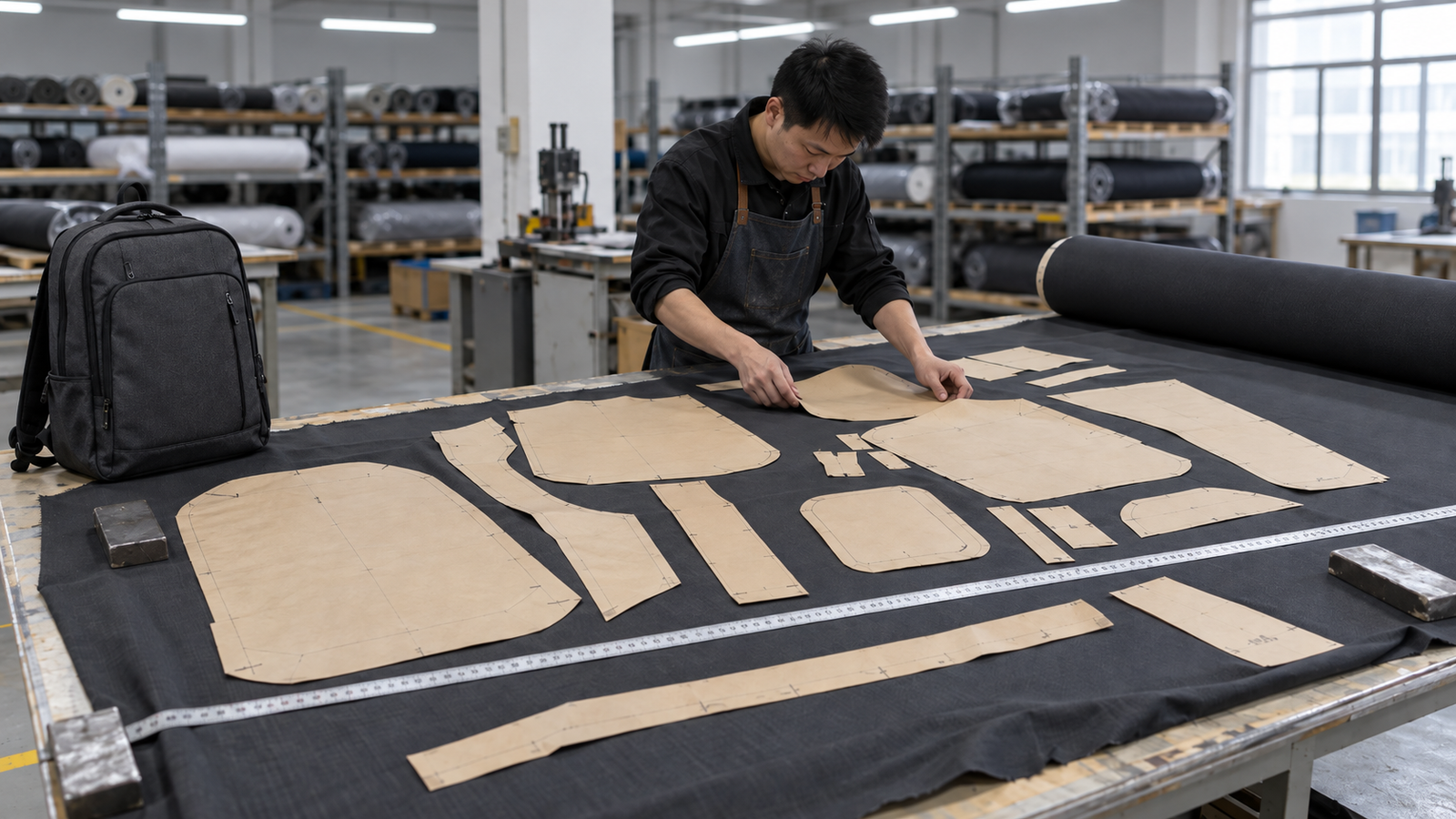
- Main costs for insulated bags: Fabric, foam, liner, labor for cutting and sewing. Customization is easy, with options for screen printing logos or fully custom patterns.
- Main costs for soft coolers: Similar to insulated bags, but includes zippers and insulation. Customization is easy and affordable.
- Main costs for hard coolers: The biggest cost is the mold, which can be tens of thousands of dollars. Customization is difficult without a huge upfront investment.
- MOQ for coolers: Custom coolers often require high MOQ due to the need to produce thousands of units to justify the mold cost.
For a new brand or smaller production runs, insulated bags and soft coolers offer a much lower barrier to entry. You can test different styles and designs without risking large amounts of capital, making your business more agile.
[claim claim=”The main cost of producing a custom hard cooler is the plastic material.” istrue=”false” explanation=”The highest upfront cost is typically the steel mold used in the injection molding or rotomolding process, which can cost tens of thousands of dollars.”]
[claim claim=”It is cheaper to add a custom logo to an insulated bag than to a hard cooler.” istrue=”true” explanation=”Printing on fabric (screen printing, heat transfer) is a standard, low-cost process. Molding a logo directly into a hard cooler requires a custom, expensive mold, making it far more costly.”]
Conclusion
The right choice comes down to your brand’s identity and your customer’s lifestyle. Insulated bags offer stylish portability, while coolers deliver rugged, long-lasting performance. Choose the one that tells your story.
References
-
Explore the advantages of insulated bags for portability and style, perfect for daily use. ↩
-
Learn about thermal barriers and how they effectively slow down heat transfer in insulated products. ↩
-
Understand the significance of durability in outdoor products like coolers for long-lasting use. ↩
-
Discover why hard coolers are essential for camping and multi-day trips with their superior insulation. ↩
-
Check out the best portable insulated bags that combine convenience and style for everyday activities. ↩
-
Get tips on maximizing ice retention in coolers for extended outdoor adventures. ↩
-
Find out about different insulation foams and their impact on the performance of coolers. ↩
-
Explore sustainable practices in the production of insulated bags and their environmental benefits. ↩