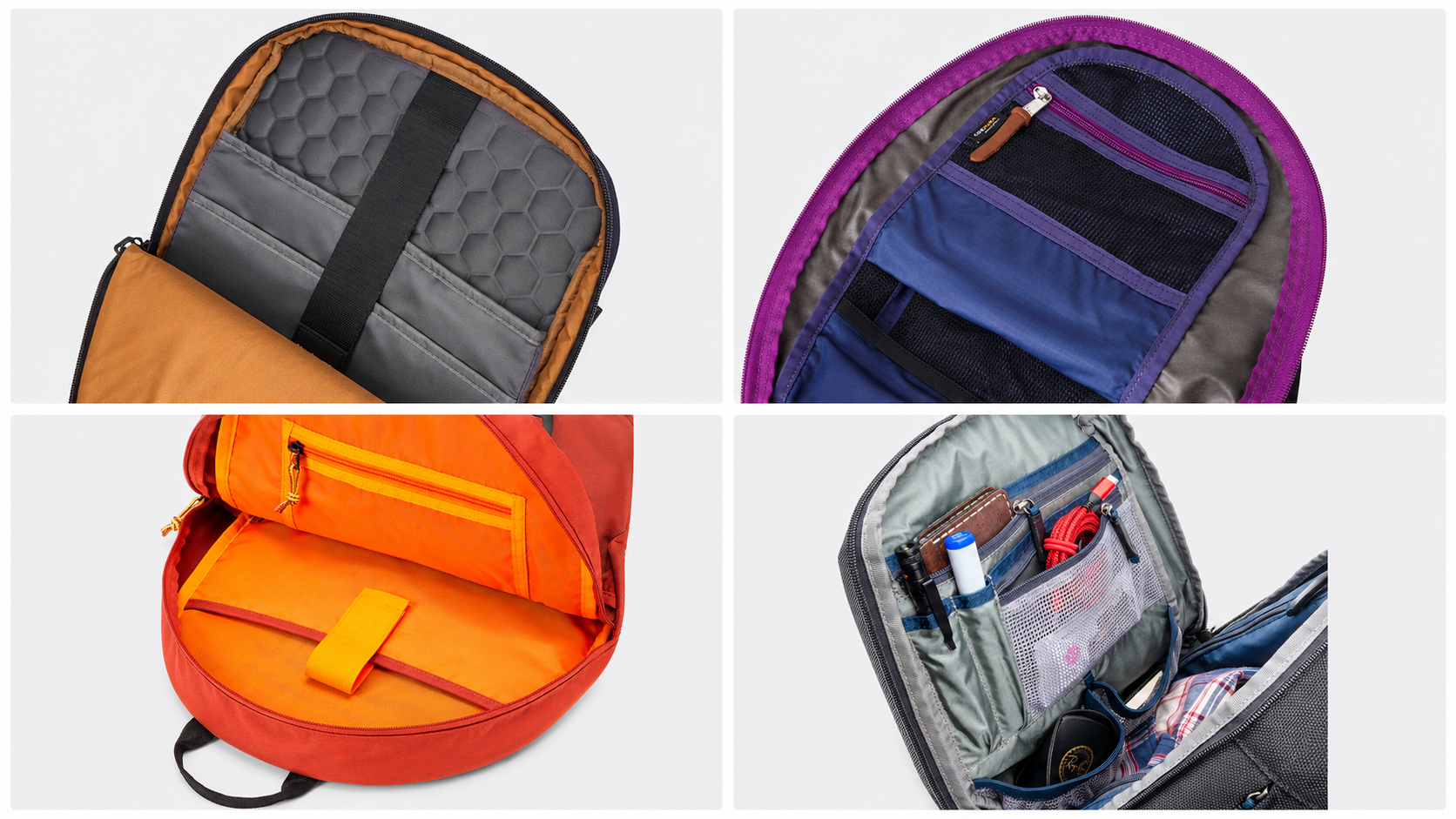
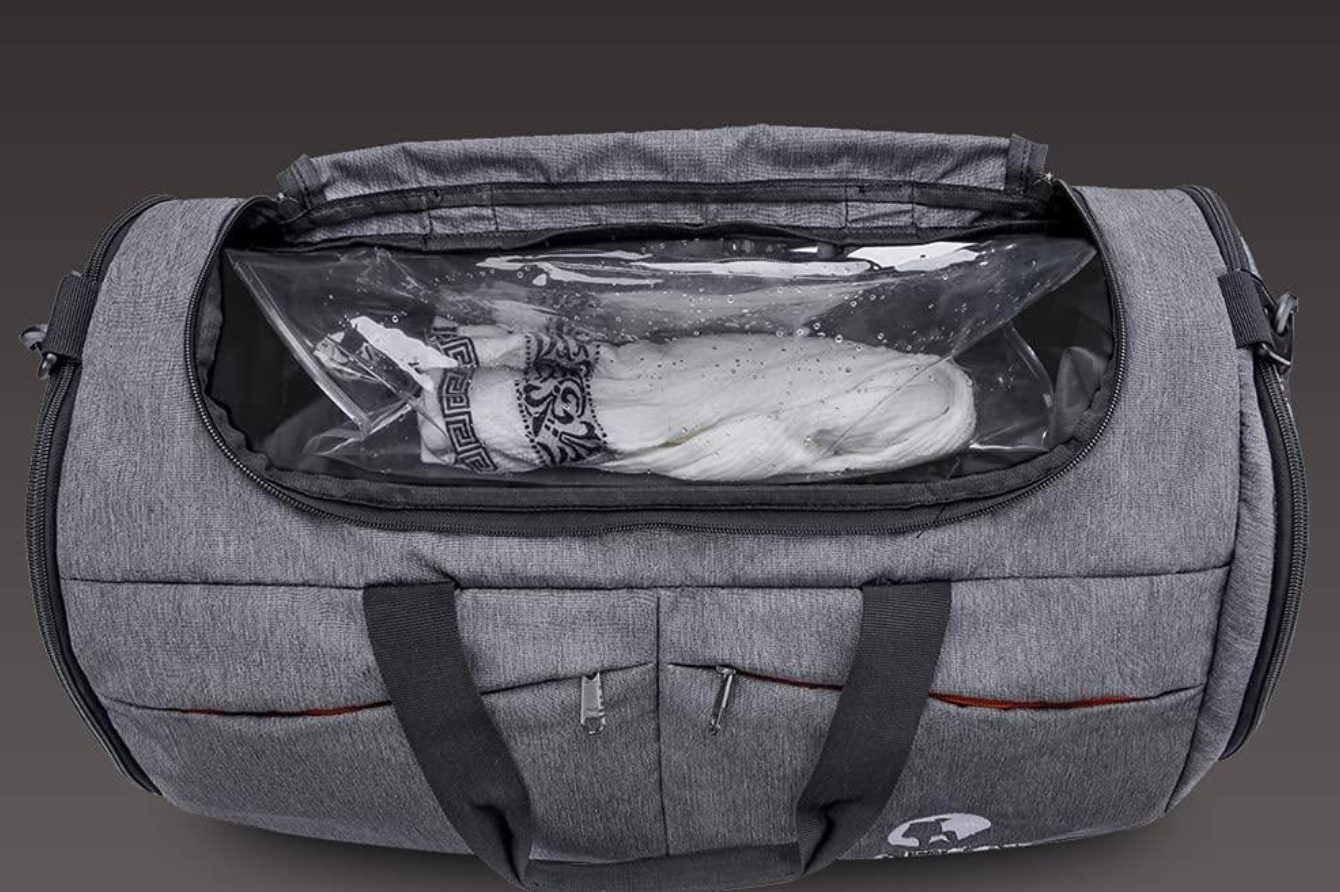
Carrying your tech feels clunky and unprofessional. Your current bag is either too bulky or doesn’t offer enough protection. You need a solution that fits your style and daily grind.
The best choice depends on your needs. Choose a backpack for comfort, capacity, and long commutes. Opt for a laptop bag for a professional look, quick access, and lighter loads. Your lifestyle, what you carry, and where you’re going are the deciding factors.

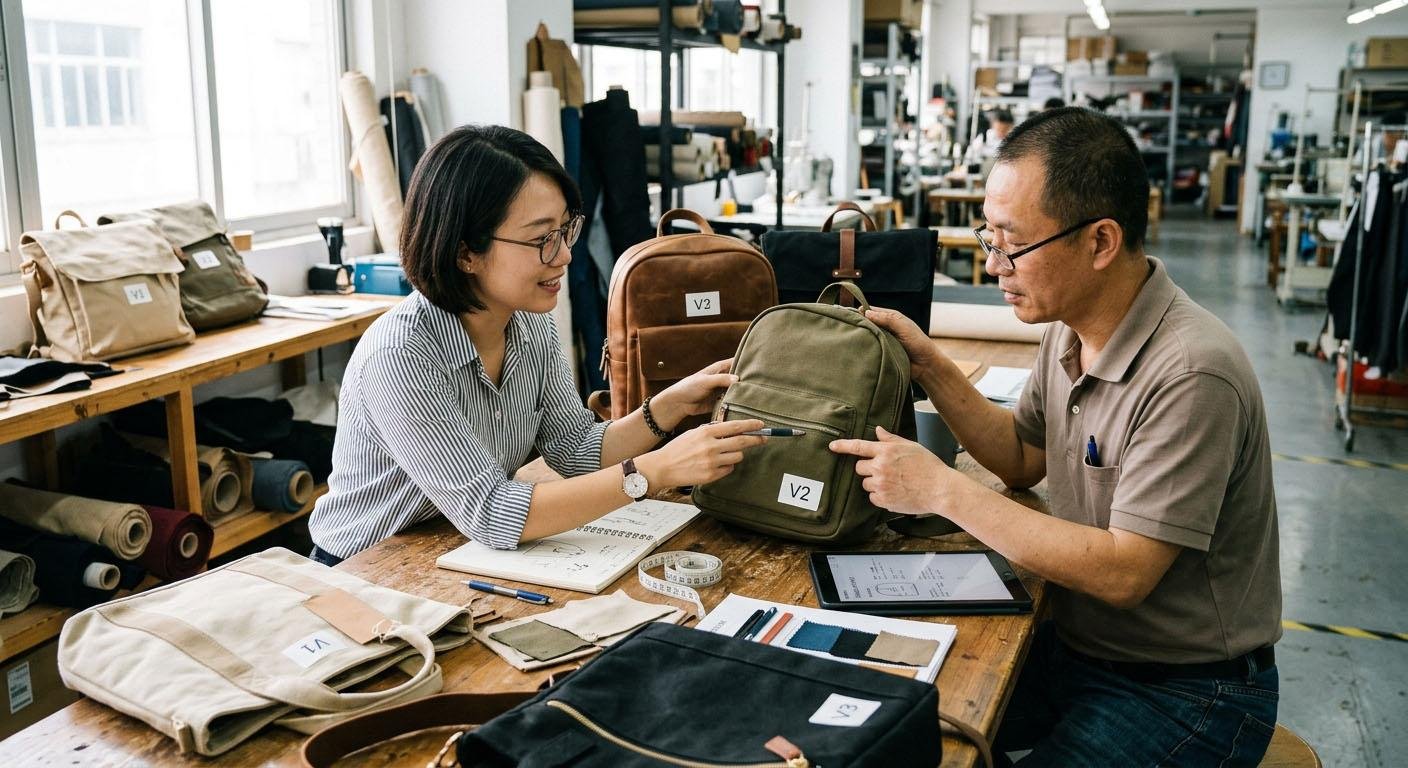
As a bag manufacturer, I’ve seen countless brands wrestle with this exact question. Deciding whether to design a new backpack or a sleek laptop bag line can define a collection’s success. The choice isn’t just about personal preference; it’s about understanding your customer’s world. Let’s break down the details so you can make a smart choice for yourself and your brand.
[claim claim=”The global backpack market is projected to grow slower than the laptop bag market due to a return to formal office environments.” istrue=”false” explanation=”The backpack market, especially smart and travel backpacks, continues to see robust growth, driven by hybrid work models, leisure travel, and their ergonomic benefits, often outpacing traditional laptop bags.”]
[claim claim=”Ergonomically designed backpacks can help prevent shoulder and back pain compared to single-strap laptop bags.” istrue=”true” explanation=”Backpacks distribute weight evenly across both shoulders and the back, reducing strain on any single point of the body, which is a key principle of ergonomics.”]
1. Market Snapshot: Understanding Industry Trends?
Struggling to know which bag style your customers actually want? The market is shifting, and picking the wrong trend can mean missed opportunities for your brand.
The market shows a rising demand for both, but for different reasons. Backpacks are becoming more accepted in professional settings due to their ergonomic benefits. Laptop bags are evolving with minimalist, tech-focused designs. Hybrid Work1 is the biggest driver, blurring the lines between casual and professional needs.
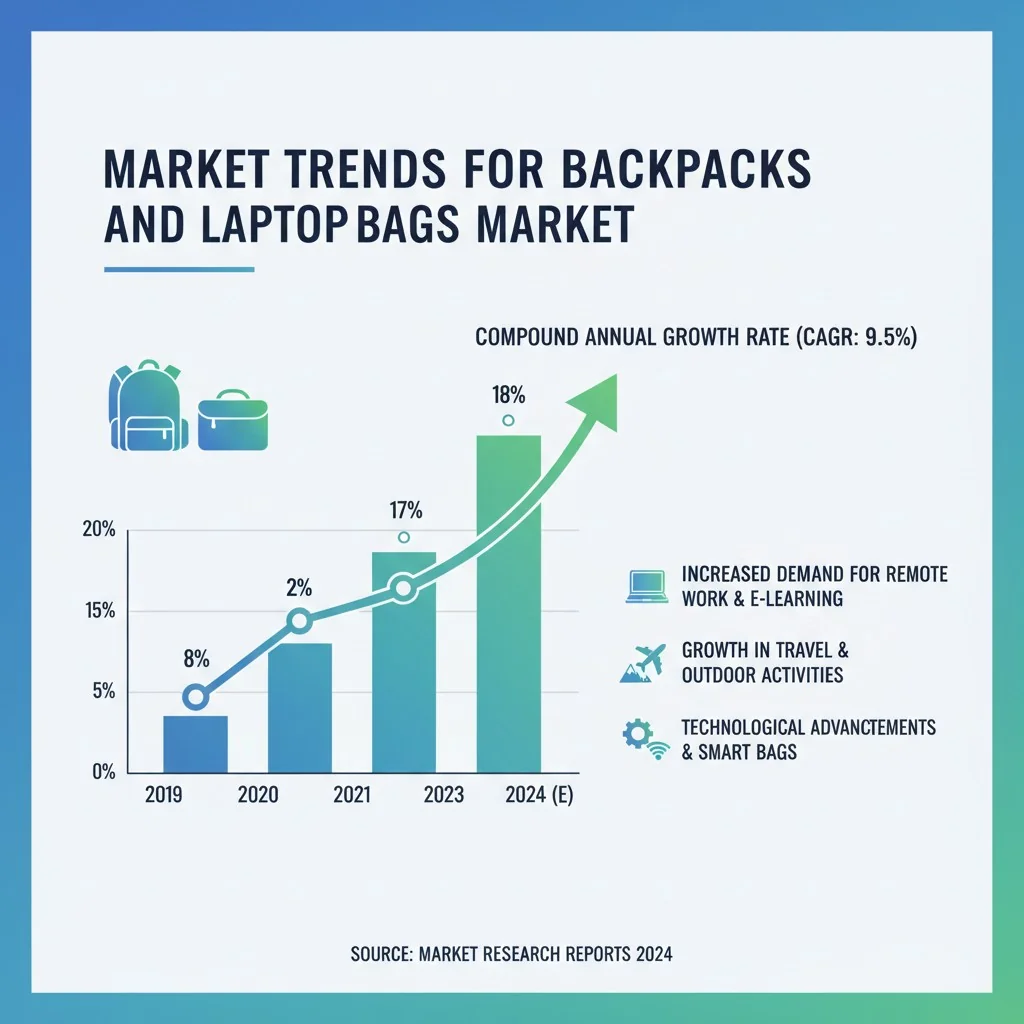
When I first started in this industry, the lines were very clear. Backpacks were for students, and briefcases or laptop bags were for professionals. Today, that’s completely changed. I work with brands that are putting premium leather and sustainable fabrics on backpacks, targeting them at executives. The rise of "bleisure" travel—mixing business with leisure—means people want one bag that does it all. For you as a brand owner, this is a huge opportunity. You can cater to the traditionalist with a classic laptop bag or innovate with a professional backpack.
Key Market Drivers
- Hybrid Work: People need bags that work for the office, home, and a coffee shop. Versatility is key.
- Tech Integration2: Customers expect dedicated, padded pockets for laptops, tablets, and power banks.
- Sustainability3: A growing number of consumers, especially younger ones, look for bags made from recycled or eco-friendly materials. This is a major selling point.
Here’s a quick look at the target demographics:
| Bag Type | Primary Demographic | Key Selling Points |
|---|---|---|
| Backpack | Millennials, Gen Z, Hybrid Workers | Comfort, Capacity, Versatility |
| Laptop Bag | Gen X, Executives, Minimalists | Professionalism, Quick Access, Sleekness |
[claim claim=”More than 60% of professionals now prefer using a backpack for their daily commute over a traditional briefcase or laptop bag.” istrue=”true” explanation=”Multiple market surveys and reports indicate a significant shift in preference towards backpacks in professional environments, citing comfort and capacity as the main reasons.”]
[claim claim=”Laptop bags are almost always made from leather.” istrue=”false” explanation=”While leather is a classic material, modern laptop bags are made from a wide variety of materials, including canvas, nylon, neoprene, and recycled fabrics to cater to different price points and style preferences.”]
2. Laptop Bag vs. Backpack: Key Differences Explained?
Confused by all the options? It’s hard to see the real differences between a high-end backpack and a modern laptop bag when they seem to do the same job.
The core difference is in design philosophy. A backpack prioritizes carrying capacity and comfort by distributing weight on two shoulders. A laptop bag prioritizes quick access and a professional profile, designed to be carried by hand or on one shoulder. Each has a distinct purpose.

I often advise new brand owners to think about the "core journey" of their target customer. Is their customer rushing through an airport or walking into a boardroom? The answer dictates the design. A backpack is built from the inside out, starting with compartments for gear. A laptop bag is often designed from the outside in, starting with a sleek, professional silhouette. Understanding this fundamental difference is the first step to choosing the right product for your brand’s collection.
Feature Breakdown
- Form Factor: Backpacks are worn on the back with two straps. Laptop bags are carried with a handle or a single shoulder strap.
- Organization: Backpacks usually have multiple large compartments for various items like clothes or books. Laptop bags are more streamlined, with pockets designed specifically for a laptop, documents, and small accessories.
Here is a simple table to highlight the main distinctions:
| Feature | Laptop Bag | Backpack |
|---|---|---|
| Primary Use | Professional settings, light carry | Daily commute, travel, heavy carry |
| Carrying Style | Handle, single shoulder strap | Two shoulder straps |
| Capacity | Limited, device-focused | High, multi-purpose |
| Appearance | Formal, sleek, professional | Casual to professional, versatile |
[claim claim=”All backpacks have a dedicated, padded laptop compartment.” istrue=”false” explanation=”While many modern backpacks designed for school or work have laptop compartments, basic, fashion, or hiking backpacks often do not include this feature as a standard.”]
[claim claim=”The first modern zippered backpack was invented in 1938.” istrue=”true” explanation=”Gerry Cunningham, an outdoor enthusiast, invented the first backpack with zippers in 1938 to make it easier to access his gear while climbing.”]
3. Which One Offers Better Protection for Your Laptop?
Worried your expensive laptop will get damaged in your bag? A simple bump or drop could lead to a costly repair, making bag protection a top priority.
Generally, a well-designed backpack offers superior all-around protection. Its structure provides more cushioning from accidental drops and bumps. However, high-quality laptop bags with dedicated padded sleeves and rigid frames can offer comparable, focused protection for the device itself. It depends on the bag’s quality.
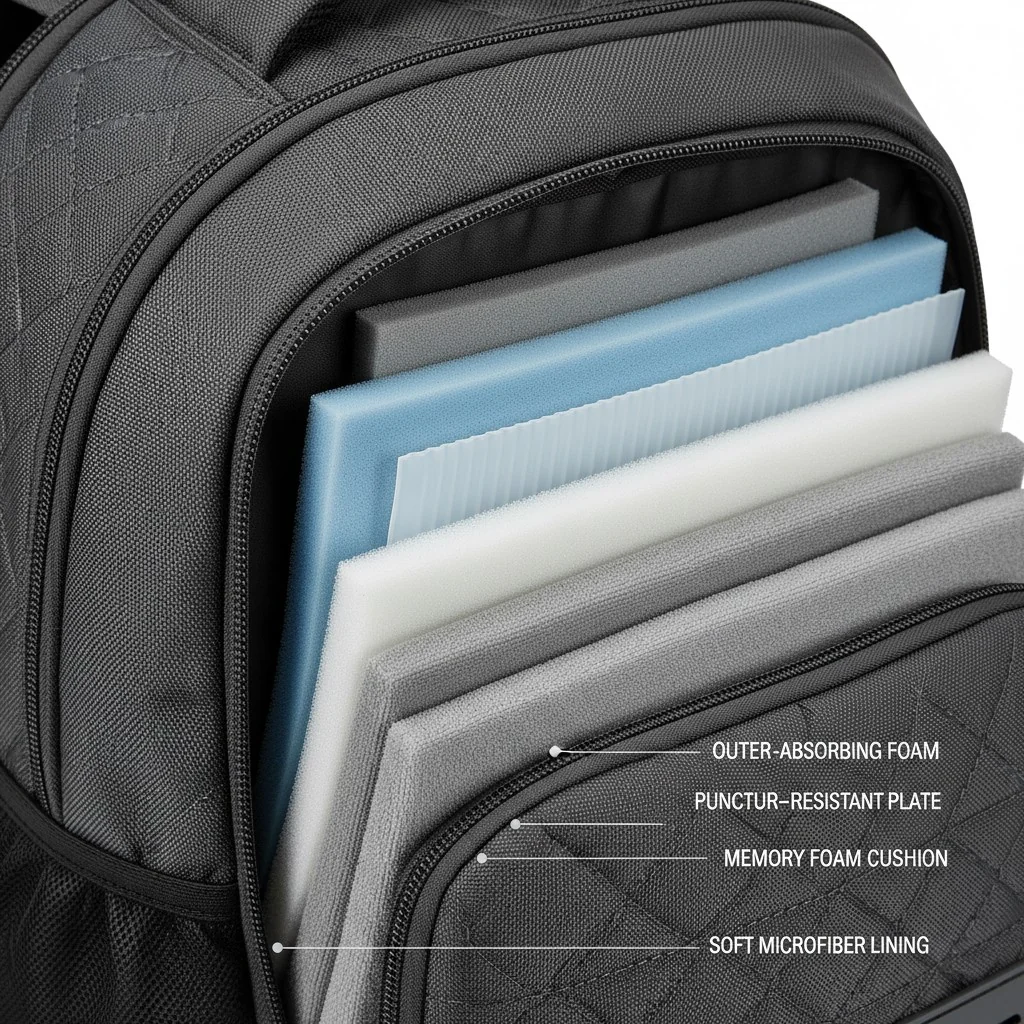
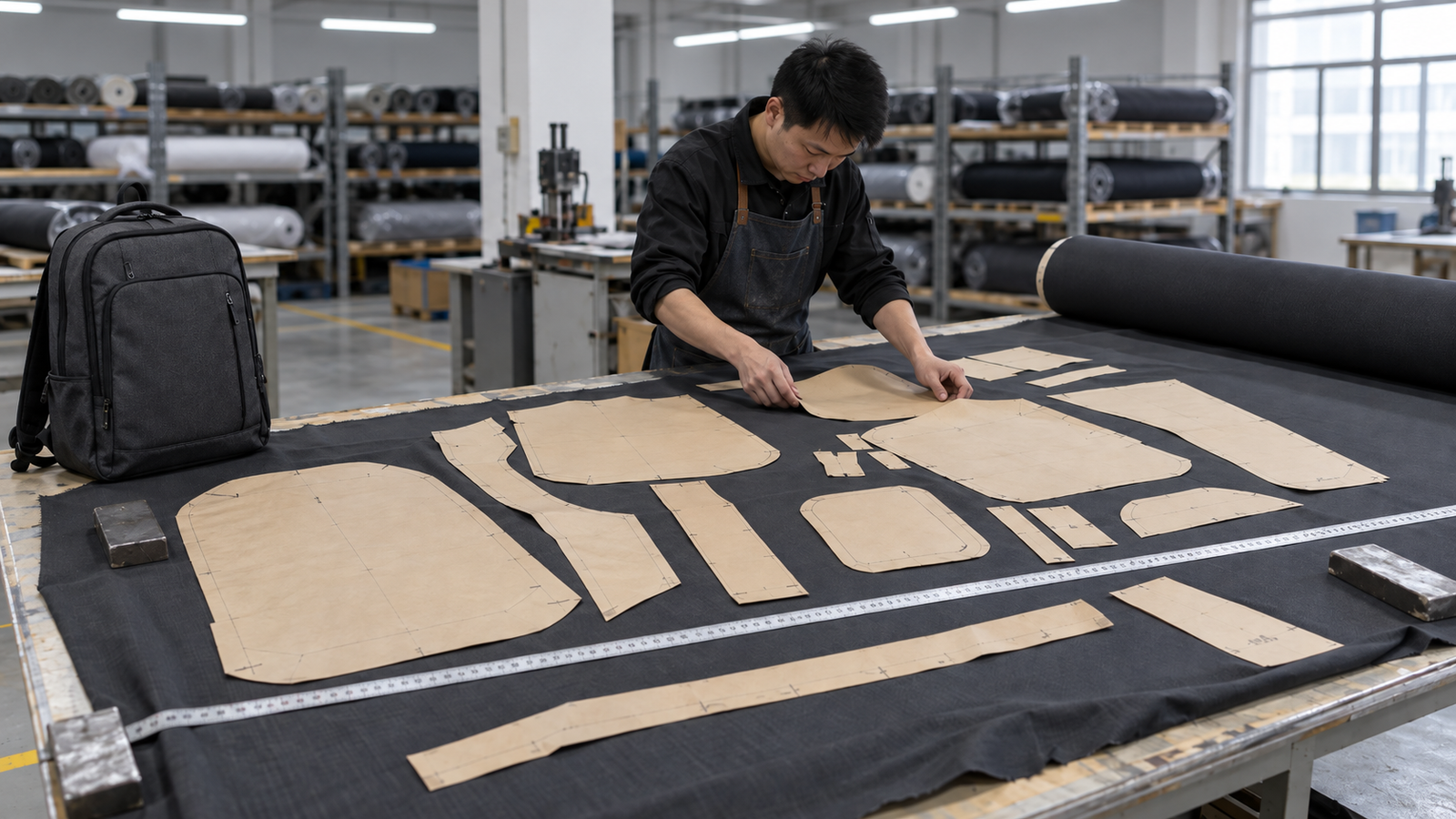
When we design bags at Osgoodway, protection is a non-negotiable element. For backpacks, we often use a "suspended" laptop sleeve. This means the sleeve is positioned slightly above the bottom of the bag, so if the backpack is dropped, the laptop’s edge doesn’t hit the ground directly. For laptop bags, we focus on high-density foam and rigid construction to protect against pressure and impact.
Elements of Protection
- Padding: Look for high-density foam. Some premium bags use air-filled pockets or fleece linings to prevent scratches.
- Structure: A backpack’s larger size and multiple compartments create natural buffer zones around the laptop. A rigid laptop bag protects against being crushed.
- Material: Water-resistant materials like ballistic nylon or coated canvas add a layer of protection against spills or rain.
Here’s how they stack up on protection features:
| Protection Feature | Backpack | Laptop Bag |
|---|---|---|
| Drop Protection | Often better due to suspended sleeves and overall bulk. | Good in high-quality models with rigid frames. |
| Crush Protection | Varies; depends on how full the bag is. | Often better due to a more rigid structure. |
| Weather Resistance | Widely available with water-resistant fabrics/rain covers. | Common, especially in bags made of nylon or leather. |
[claim claim=”A ‘suspended’ laptop sleeve offers the best protection against drops.” istrue=”true” explanation=”By keeping the laptop from touching the bottom of the bag, a suspended sleeve absorbs the shock from a vertical drop, significantly reducing the risk of damage.”]
[claim claim=”Hard-shell backpacks are heavier and offer less protection than soft-shell ones.” istrue=”false” explanation=”Hard-shell backpacks, while sometimes heavier, typically offer superior protection against impacts and crushing compared to soft-shell bags, though they may have less internal flexibility.”]
4. How to Choose Based on Comfort: Laptop Bags vs. Backpacks?
Is your bag causing you shoulder or back pain? Carrying even a light load incorrectly over a long period can lead to discomfort and strain, affecting your entire day.
For comfort, especially with heavier loads or long commutes, a backpack is the clear winner. It distributes weight evenly across your two shoulders and back, promoting better posture. A laptop bag places all the strain on one shoulder or arm, leading to fatigue.
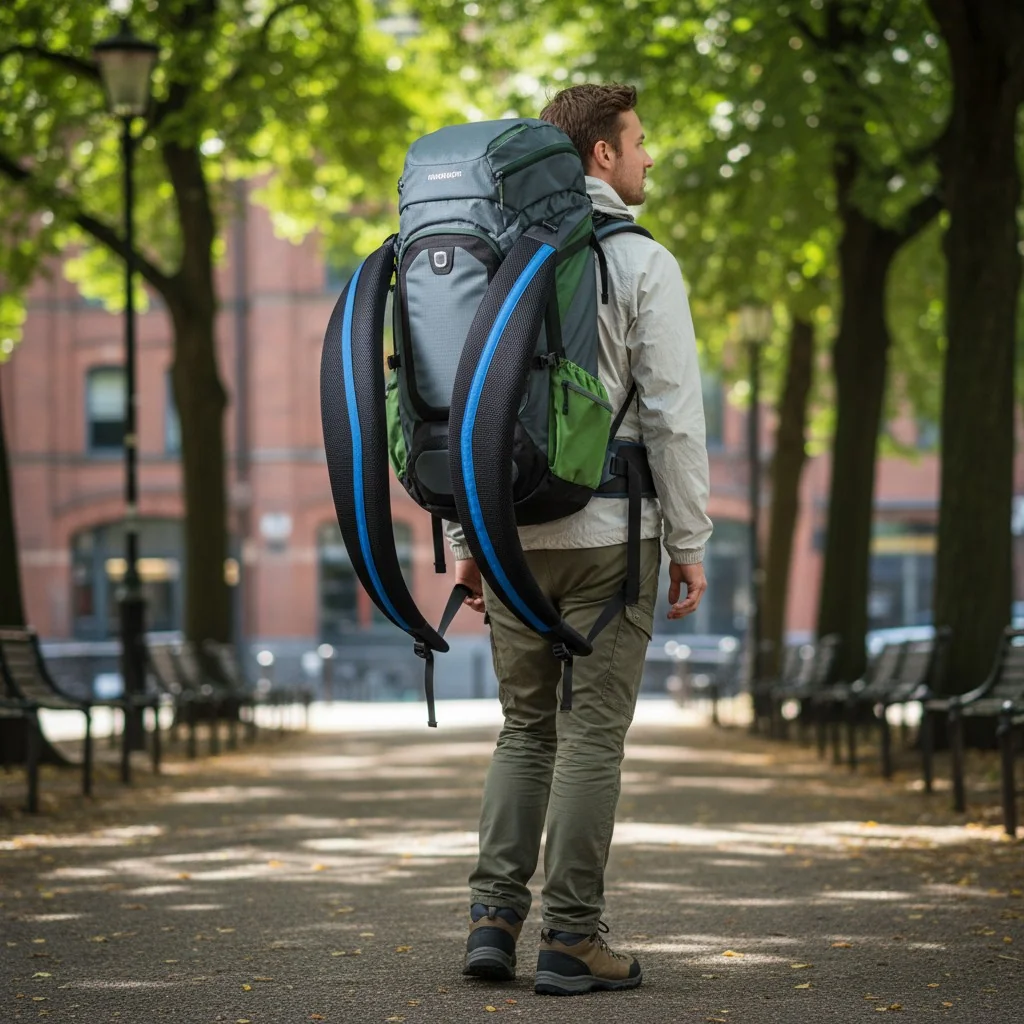
I remember a client who commuted for an hour each way by train. He used a stylish leather messenger bag but complained of constant shoulder pain. I suggested he try a professional backpack. He was hesitant at first, worried about looking unprofessional. But after a week, he was converted. The relief was immediate. This story is a perfect example for brand owners. Comfort is not just a feature; it’s a solution to a real problem your customers face.
Comfort Factors to Consider
- Weight Distribution: This is the most important factor. Two straps are always better than one for loads over a few pounds.
- Straps and Padding: Look for wide, padded, and adjustable shoulder straps. A sternum strap can also help stabilize the load.
- Back Panel: A padded and ventilated back panel on a backpack increases comfort and reduces sweating, especially if you’re walking or biking.
Here’s a direct comparison of comfort features:
| Comfort Feature | Laptop Bag | Backpack |
|---|---|---|
| Weight Distribution | Poor (concentrated on one shoulder/hand) | Excellent (spread across back and shoulders) |
| Long-Distance Carry | Not ideal; causes fatigue and strain. | Ideal; designed for mobility and endurance. |
| Ergonomics | Low | High (with features like padded straps and back panels) |
[claim claim=”Carrying a heavy bag on one shoulder can lead to long-term posture problems.” istrue=”true” explanation=”Consistently carrying an unbalanced load can cause the body to compensate, leading to muscle imbalances, spinal misalignments, and chronic pain over time.”]
[claim claim=”The ideal weight for a carried bag is 25% of your body weight.” istrue=”false” explanation=”Most health experts and chiropractors recommend that a person’s backpack should not exceed 10-15% of their body weight to avoid injury and strain.”]
5. Which Is Better for Travel, a Laptop Bag or Backpack?
Packing for a trip is stressful enough without worrying about your bag. Will it fit in the overhead bin? Is it easy to get through security? The wrong choice can complicate your journey.
For most travel, a backpack is better. It offers more capacity for essentials, is easier to carry through large airports, and many come with travel-specific features like trolley sleeves and TSA-friendly laptop compartments. A laptop bag is suitable for short, minimalist business trips.

As someone who travels frequently to meet with clients and visit factories, I’ve learned that a travel-friendly backpack is my best friend. The ability to slide it over my suitcase handle is a game-changer. It frees up my hands and takes the weight off my back. When designing bags for travel brands, a trolley sleeve is one of the first features I recommend. It’s a small detail that makes a huge difference in the travel experience.
Key Travel Features
- TSA-Friendly Design: Some backpacks have a laptop compartment that unzips to lie flat, so you don’t have to remove your laptop for security screening.
- Trolley Sleeve: A strap on the back that slides over the handle of a rolling suitcase. This is a must-have for frequent flyers.
- Capacity and Organization: Travel backpacks often have separate compartments for clothes, tech, and documents, making it easy to stay organized on the go.
Let’s compare their travel-friendliness:
| Travel Aspect | Laptop Bag | Backpack |
|---|---|---|
| Airport Navigation | Can be cumbersome to carry with other luggage. | Easy to carry, often has a trolley sleeve. |
| Security Checkpoints | Easy to access laptop. | Excellent with a lie-flat, TSA-friendly design. |
| Packing Capacity | Limited to tech and a few documents. | Can often serve as a personal item and carry-on. |
[claim claim=”A ‘TSA-friendly’ bag guarantees you won’t have to remove your laptop at security.” istrue=”false” explanation=”While ‘TSA-friendly’ designs are intended to speed up the process, the final decision always rests with the individual TSA agent, who may still require the laptop to be removed for inspection.”]
[claim claim=”Most airlines count a small laptop bag as a ‘personal item’ that doesn’t count toward carry-on limits.” istrue=”true” explanation=”Airlines typically allow one carry-on bag and one smaller personal item that can fit under the seat in front of you. A standard laptop bag or small backpack usually qualifies as a personal item.”]
6. When Should You Use a Laptop Bag vs. a Backpack for Different Routines?
You have your bag, but you’re not sure if it’s right for every situation. Using a bulky backpack for a formal meeting feels awkward, but a small laptop bag is useless for a weekend trip.
Match the bag to the occasion. Use a laptop bag for formal business meetings, client presentations, and when you have a light load. Use a backpack for daily commutes on public transit, when biking or walking, for travel, and when you need to carry more than just your tech.

I advise my clients to think in terms of "User Scenarios4." Don’t just design a bag; design it for a specific moment in someone’s life. A brand that understands this can create a more compelling product. For example, a sleek convertible backpack that can be carried like a briefcase offers the best of both worlds and solves a real dilemma for the modern professional. It’s all about anticipating the user’s needs for different parts of their day or week.
Scenario-Based Guide
- The Boardroom Executive: Heading to a high-stakes meeting. Appearance is critical. Choice: Laptop Bag. It projects professionalism and seriousness.
- The Daily Commuter: Taking the train or bus, carrying a laptop, lunch, and maybe a book. Choice: Backpack. Comfort and capacity are key.
- The Digital Nomad: Working from cafes and traveling between cities. Needs to carry their entire office. Choice: Backpack. A large, organized travel backpack is essential.
- The Quick Client Visit: A short trip across town to meet a client, only needing a laptop and a notebook. Choice: Laptop Bag. It’s quick, easy, and looks sharp.
Here’s a guide to help you choose:
| Routine / Environment | Best Choice | Why? |
|---|---|---|
| Formal Office / Client Meeting | Laptop Bag | Professional Appearance5, sleek profile. |
| Casual Office / Co-working Space | Backpack or Laptop Bag | Depends on load and personal style. |
| Daily Commute (Public Transit/Bike) | Backpack | Comfort, stability, and capacity. |
| Air Travel | Backpack | Capacity, comfort, and travel-friendly features. |
| Light Carry (Laptop + Charger) | Laptop Bag | Minimalist, quick access, and lightweight. |
[claim claim=”Convertible bags that switch between backpack and briefcase styles are often less comfortable and durable than single-purpose bags.” istrue=”true” explanation=”The complex construction required for convertible mechanisms, such as stowable straps and multiple handles, can create points of failure and may compromise the ergonomic comfort of either carrying style.”]
[claim claim=”Using a backpack in a corporate setting is always considered unprofessional.” istrue=”false” explanation=”This is an outdated view. With the rise of premium, minimalist, and leather backpacks, they are now widely accepted in most corporate environments, especially in the tech and creative industries.”]
Conclusion
Ultimately, the best bag is the one that fits your life. A backpack offers comfort and capacity, while a laptop bag provides a professional look and quick access.
References
-
Discover the impact of hybrid work on consumer preferences for backpacks and laptop bags, and how brands can adapt. ↩
-
Learn about essential features for tech-integrated bags that cater to modern consumers’ needs. ↩
-
Understand the significance of sustainable materials in bag production and how it appeals to eco-conscious consumers. ↩
-
Learn how to select the right bag for different situations by understanding user scenarios. ↩
-
Discover how the right bag can enhance your professional image in various settings. ↩