The world’s top backpack brands rely on specialized regional manufacturing hubs. Technical outdoor packs (Osprey, The North Face) generally utilize Vietnam for high-volume, labor-intensive production. Conversely, complex fashion, tactical, and "smart" bags (Sprayground, Maxpedition) rely on Southern China (Guangdong/Fujian) for its rapid-response supply chain and advanced material access. For emerging brands, sourcing from agile Chinese manufacturers often offers the best balance of technology, lower MOQs (300–500 units), and speed to market.
Here is the industry’s open secret: The names you see on the shelf—Osprey, The North Face, Herschel—rarely own the machines that stitch their products. They are marketing and design powerhouses; the actual engineering happens in contract factories thousands of miles away.
As a bag maker who has spent a decade in the trenches of the bag industry, I’m not here to tell you which bag has the best pockets. I’m here to answer a different question: "If I want to build a brand like theirs, who do I need to hire?"
If you want to launch a product that competes on the global stage, you need to stop thinking like a consumer and start thinking like a supply chain manager. Today, we are going to tear down the sourcing strategies of the "Big Players" and show you how to leverage their secrets for your own brand.
The "Big Players": Analyzing the Manufacturing Strategy of Top Brands
We look at the big brands not to copy their designs, but to understand their process. Each brand chooses a specific manufacturing location based on the type of bag they make.
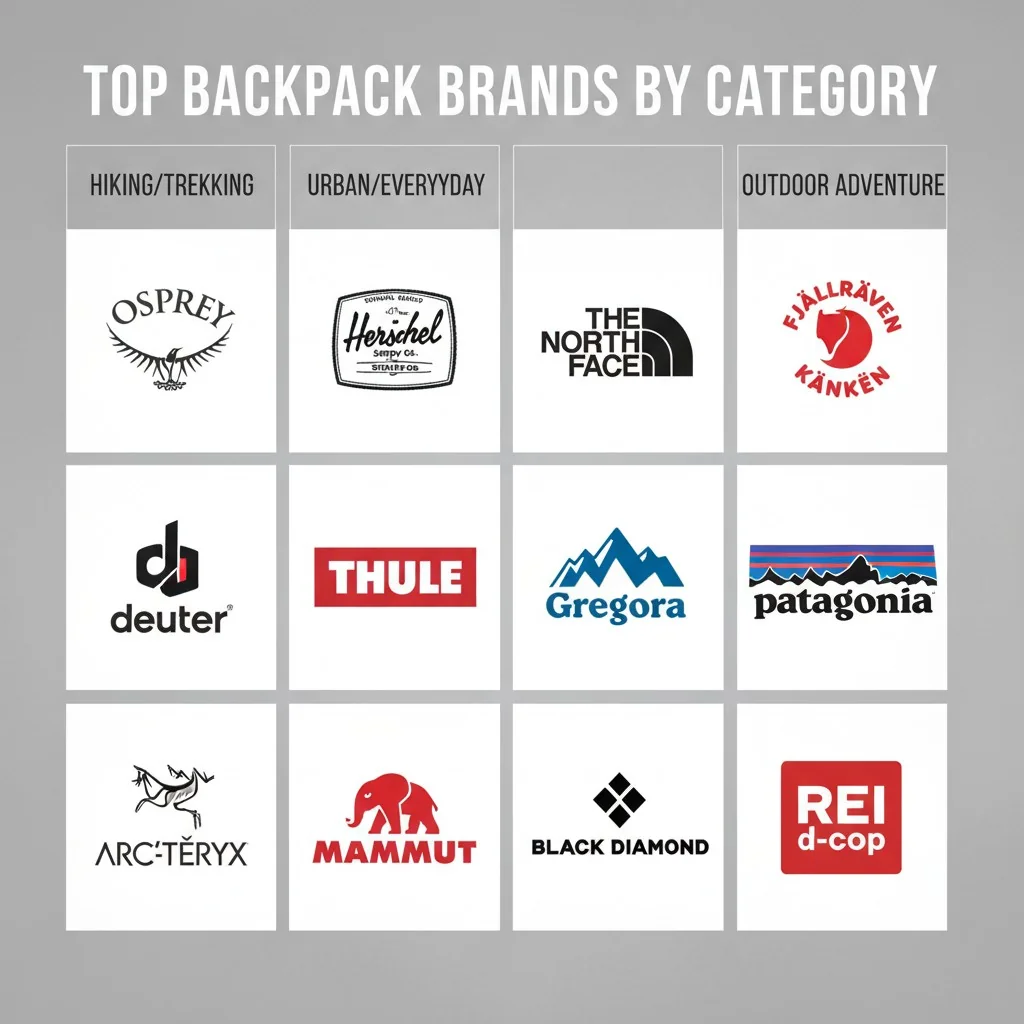
Osprey: The King of Vietnam Manufacturing
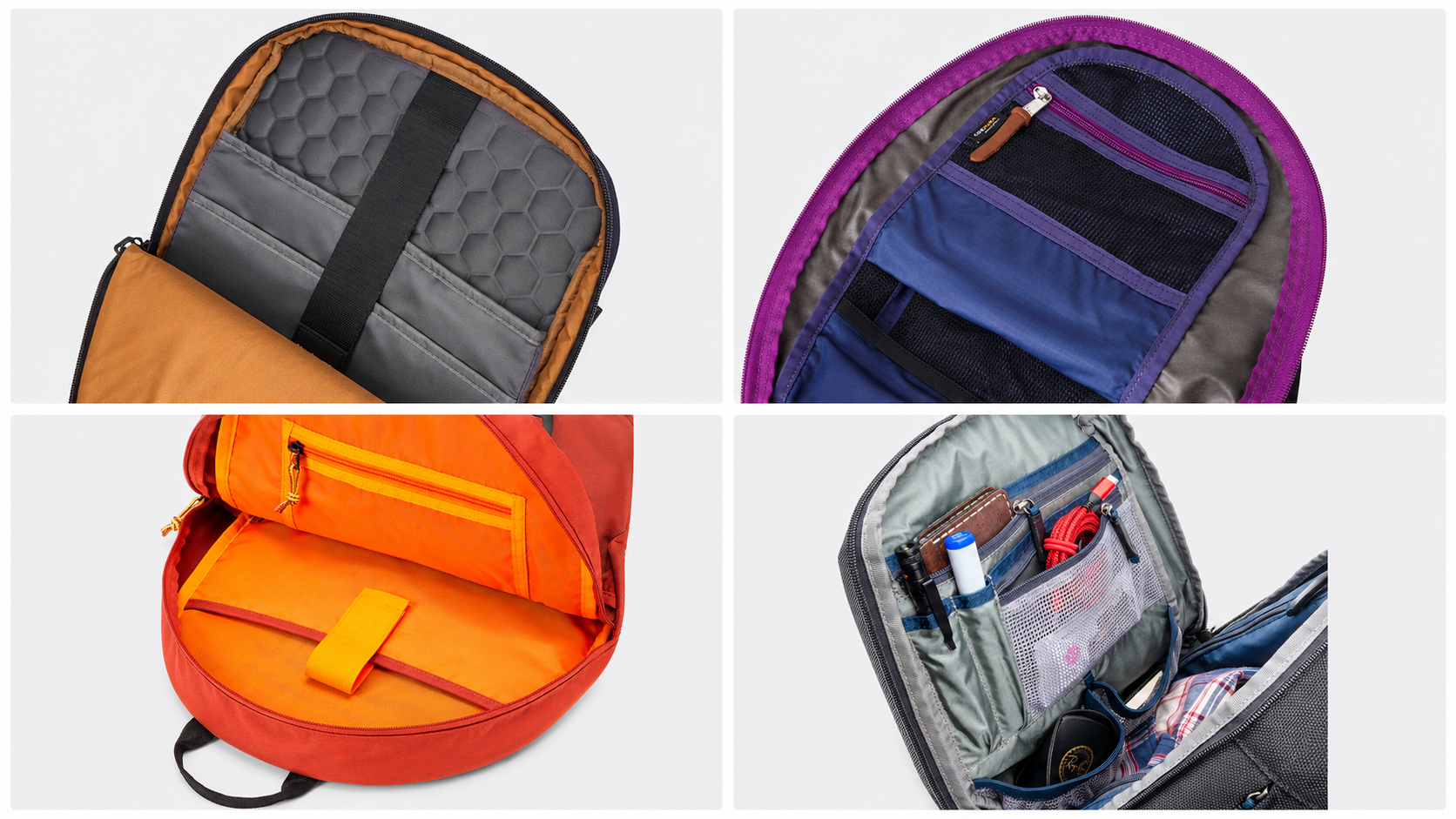
Osprey is known for incredible comfort and breathable mesh backs.The Manufacturing Reality: Osprey’s bags are notoriously complex. A single hiking pack may have over 50 distinct components.
- Decades ago, Founder Mike Pfotenhauer famously moved his family to Vietnam to oversee production personally. Why? Because when a bag is this complex, you can’t just email a design and hope for the best.
- Osprey manufactures in Vietnam because of the skilled labor force capable of handling high labor-minute products. However, they rely on massive, dedicated production lines. If your product is complex, Vietnam works, but only if you have the volume to command attention.
The North Face & Patagonia: The Vertical Supply Chain Giants
The "Mega-Factory" Approach These brands don’t just order bags; they book entire factory capacities for years. They often utilize OEM giants like Youngone Corporation.1
- These factories are vertically integrated—they often weave the fabric, dye it, and stitch it in the same industrial park.
- Do not try to use TNF’s factory. It sounds prestigious, but as a startup, you will be the "small fish." If TNF increases their order by 5%, your order gets pushed back three months. You need a "Mid-Sized Boutique Factory" that values your business.
Arc’teryx: The High-Tech "RF Welding" Standard
Advanced Technology Over Stitching Arc’teryx is famous for AC² technology—using Radio Frequency (RF) welding2 to bond fabric rather than stitching it, creating waterproof seals.
- RF Welding requires expensive tooling (molds) for every single seam. It costs roughly 3x more than traditional sewing.
- If you want the "Arc’teryx look" on a budget, use a hybrid approach. Use RF welding for the critical main body panels and traditional stitching for internal pockets. This cuts costs by 40% while maintaining the waterproof aesthetic.
Sprayground & Herschel: The Design-First Approach (Made in China)
Speed & Visual Pop These brands aren’t selling "survival" gear; they are selling fashion. Their success relies on intricate full-bleed prints, unique fabrics, and rapid SKU updates.
- This is China’s turf. Southern China (Guangdong/Fujian) has the world’s most advanced digital printing supply chain and the largest accessory market (zippers, buckles).
- If your brand relies on frequent design drops or complex prints, you cannot beat China’s speed. You can prototype a new print in 48 hours in Guangzhou; in Vietnam, that might take two weeks to import the materials.
Global Manufacturing Hubs: Where Should You Source?
When a client asks me, "Should I go to China or Vietnam?", I ask them to show me their design.
For complex, design-driven backpacks with custom hardware, China (Guangdong/Fujian) remains the superior choice due to supply chain speed. For high-volume, simpler cut-and-sew orders (5,000+ units), Vietnam offers better labor rates and tariff advantages.
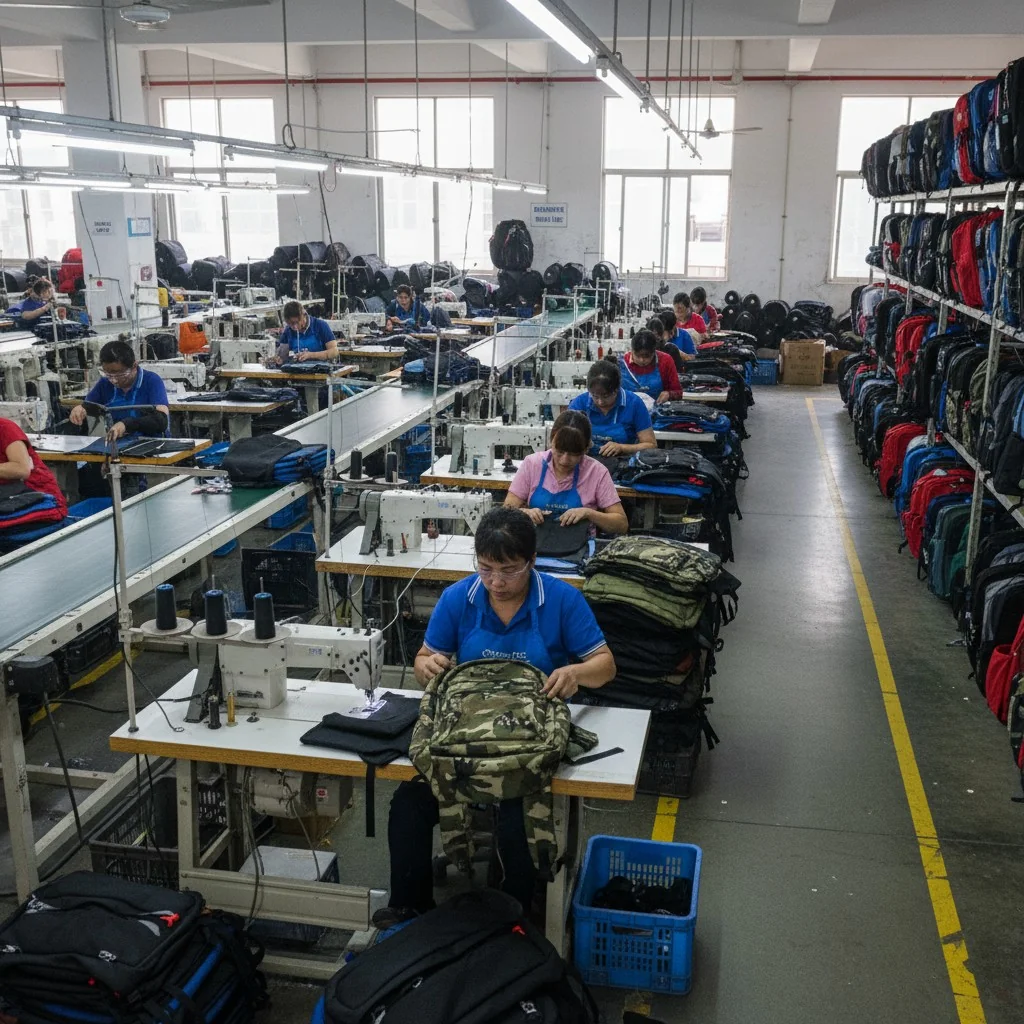
Here is the honest breakdown I use when advising B2B clients on where to place their POs (Purchase Orders).
| Hub | Best Used For… | MOQ (Min. Order) | Lead Time (Production) | Supply Chain Strength | The Pro | The Con |
|---|---|---|---|---|---|---|
| China (Guangdong / Fujian) | Complex & Fashion Bags | Flexible(300 – 500 pcs) | Fast(30 – 45 days) | 100% Local Complete ecosystem (fabric, hardware, packaging) within 50km. | Fastest speed to market; easiest for new product development (R&D). | Higher import tariffs for US market compared to SE Asia. |
| Vietnam | High Volume Outdoor | High(5,000+ pcs) | Slow(60 – 90 days) | Import Dependent Raw materials are most shipped from China, adding ~3 weeks to timeline. | Lower duty/tariff rates for Western markets; stable large-scale output. | Difficult for startups; rigidity in design changes once production starts. |
| USA / Europe | Heritage Canvas, Military Compliant | Very Low,but expensive(50 – 100 pcs) | Variable(4 – 8 weeks) | Niche / Domestic Mostly Imported Materials | "Made in USA/EU" marketing value; zero language barrier. | Labor costs are 8-10x higher; not viable for price-sensitive products. |
Sourcing Like a Pro: How to Find Your Manufacturer
You’ve decided on the location. Now, how do you find the partner? As a manufacturer, I can tell you exactly how to get the best price and service.
The biggest mistake I see new brands make is looking for "The Best Factory." There is no such thing. There is only "The Best Fit."
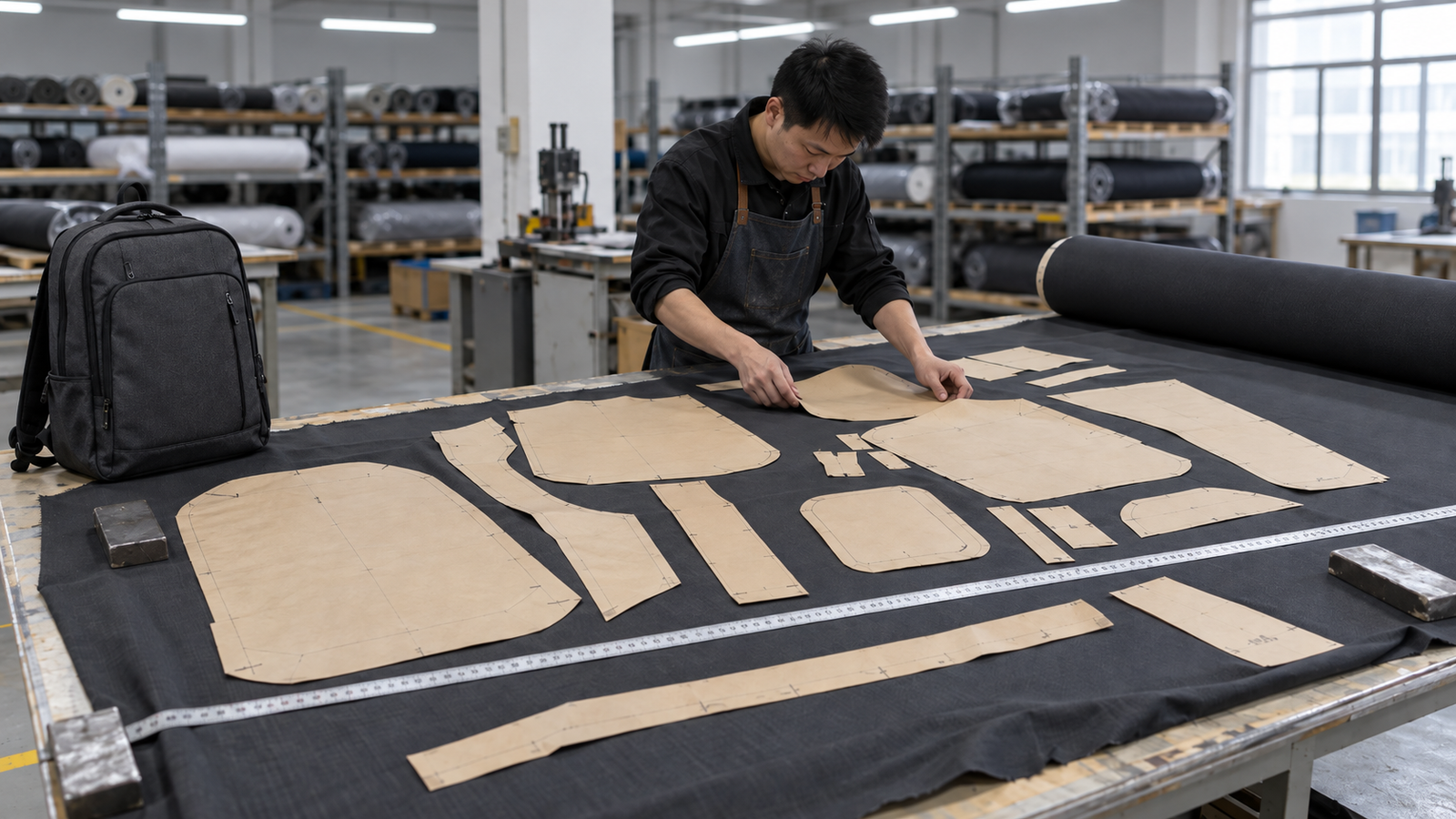
You don’t need a factory that employs 10,000 people. You need a "Middle-Market Champion." These are factories (like ours at Osgoodway) that own the same computerized Juki sewing machines[^3]and automated cutting tables as the giants, but are hungry for growth. We value a 500-piece order from a growing brand, whereas a mega-factory would consider it a nuisance.
But to work with us effectively, you need one crucial document.

The "Tech Pack" is Your Passport
If you send a photo of a backpack to a factory and ask "How much?", You are very likely to be ignored. To be taken seriously, you need a Tech Pack3—a blueprint containing measurements, bill of materials (BOM), and colorways.
- The Solution: You must have a Tech Pack—a blueprint listing materials, dimensions, and bill of materials (BOM).This document details the fabric weight (e.g., 1680D Ballistic Nylon), the zipper gauge (e.g., YKK #10), and the stitch-per-inch count.
- Pro Tip: If you don’t have one, ask the factory if they offer R&D services. (We do this daily to help clients lock in accurate pricing).
How to Spot a Bad Factory (Before You Pay)
I’ve had to rescue many clients who got burned by "Alibaba Traders" posing as factories. Here is how to spot them.
Real manufacturing is messy. It involves solving problems. If a sales rep tells you "Yes, no problem" to every single request without asking for a higher price or more time, run. They are planning to swap your materials for cheaper ones later to make up the margin.
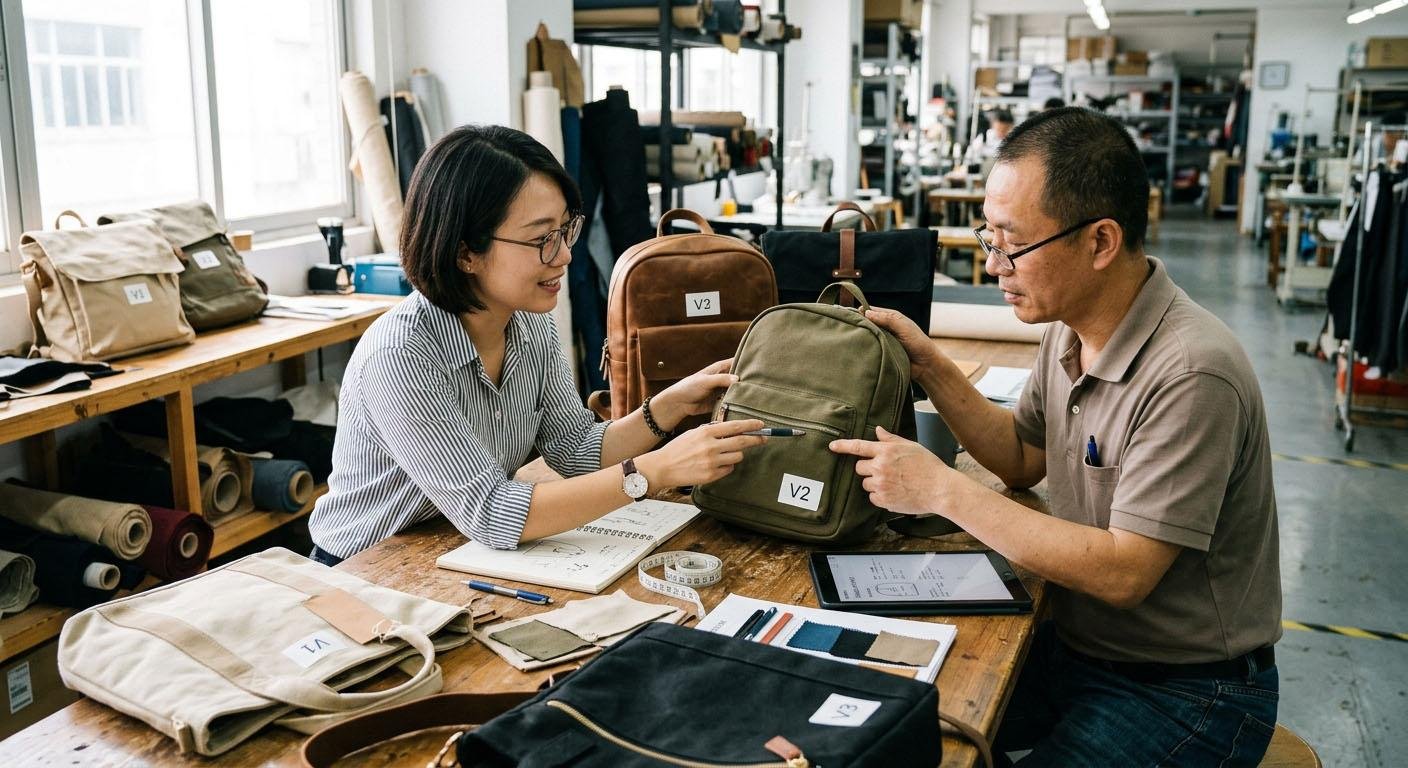
A good factory will push back. We will say, "That pocket design will tear if you put a laptop in it; let’s reinforce it."
The 3 Non-Negotiables
- Video Access: If they won’t do a live video call from the production floor, they don’t own the floor.
- The "Golden Sample" Trap: They send you a perfect sample made by a master tailor, but the mass production is garbage. Demand a "Pre-Production Sample" made on the actual assembly line.
- Transparency: Do they hide their material sources? A good partner will tell you exactly where the fabric comes from.
Conclusion: Build Your Own Legacy
You don’t need to be Osprey to have world-class manufacturing. You just need to think like them. You need a clear strategy, a detailed Tech Pack, and a manufacturing partner who understands your vision.
At Osgoodway, we specialize in bridging the gap. We combine the rapid supply chain of Chinese manufacturing with Western quality control standards.
Ready to turn your sketch into a product that rivals the top brands?
Contact Us for a Free Consultation – Let’s review your Tech Pack and discuss how we can bring your backpack line to life.
Expert FAQ (People Also Ask)
Can I find the exact factory that makes Supreme bags?
Likely not, and you shouldn’t try. Those factories work on strict exclusivity contracts. Instead, look for factories with ISO 9001 certification and wide-format digital printing capabilities. That is the technology that makes the bag, not the factory name.
Why is my sample quote so expensive ($200+) for a bag that costs $30 to make?
Because you aren’t paying for the bag; you are paying for an engineer’s time. Stopping a production line to cut patterns for one single bag takes a master technician almost a full day. That fee filters out the dreamers from the serious business owners.
Is "Cordura" worth the extra cost for my brand?
Yes, if your marketing relies on the word "Indestructible." But for general urban fashion, high-density unbranded 1000D Nylon often passes the same abrasion tests for 40% less cost. Ask us to send you a swatch comparison so you can feel the difference yourself.
How do I protect my design from being stolen by the factory?
An NNN (Non-Disclosure, Non-Use, Non-Circumvention) agreement helps, but the best protection is segmentation. Don’t let one factory make the whole product if it’s revolutionary. Or better yet, work with a partner (like us) who values a 10-year relationship over a quick counterfeit buck.
What is a realistic MOQ (Minimum Order Quantity) for a custom backpack?
Ignore the "10 pieces" ads. For a truly custom bag with specific dyed fabrics, a real factory needs 300 to 500 pieces to justify calibrating the machines. Anything less, and you are likely buying a generic stock bag with your logo printed on it.
-
Official site of a major OEM manufacturer producing gear for top global outdoor brands like The North Face. ↩
-
Technical explanation of how high-frequency electromagnetic energy bonds materials to create waterproof seals without stitching. ↩
-
Comprehensive guide on creating the blueprint document essential for accurate manufacturing and minimizing production errors. ↩