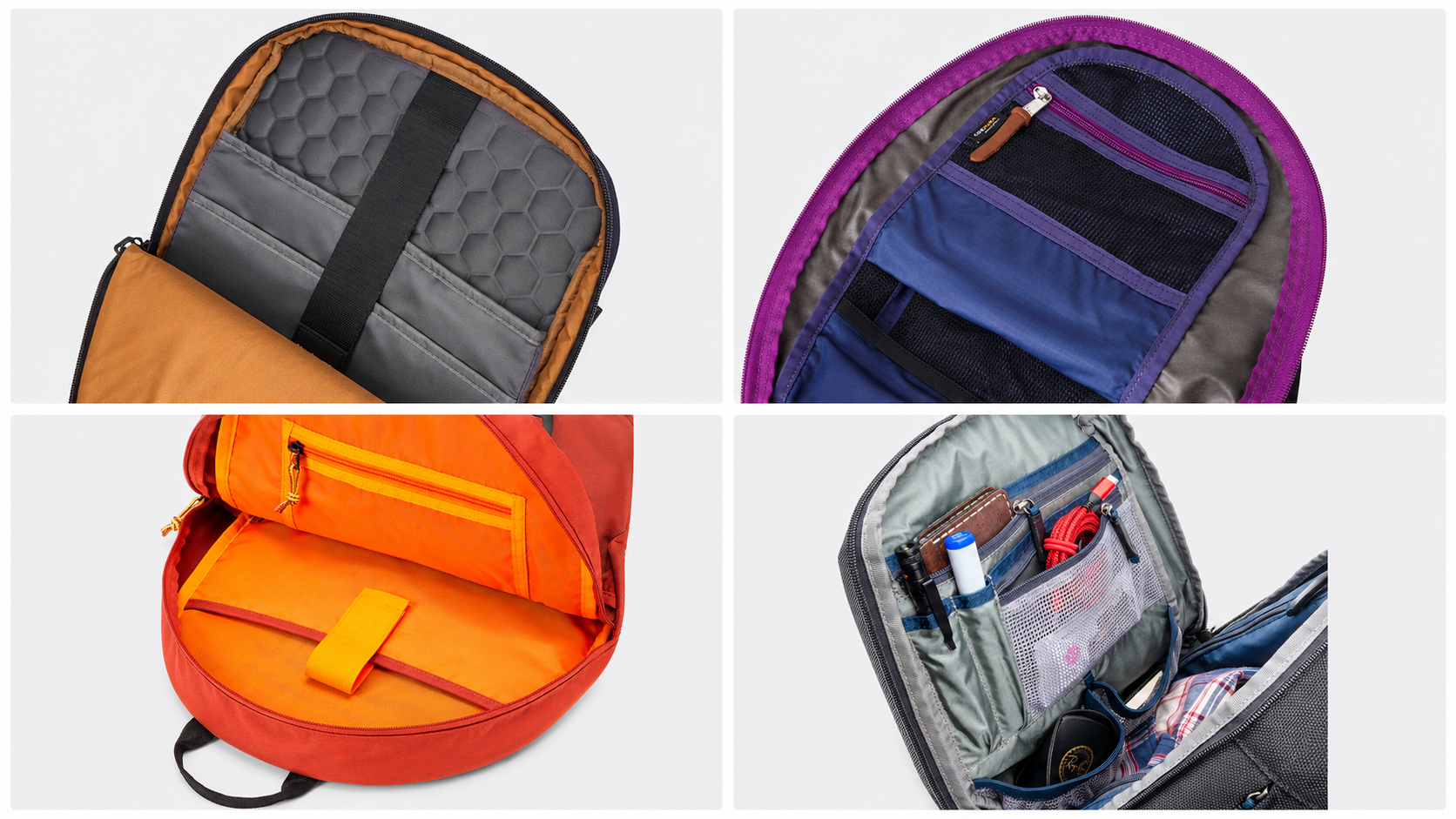
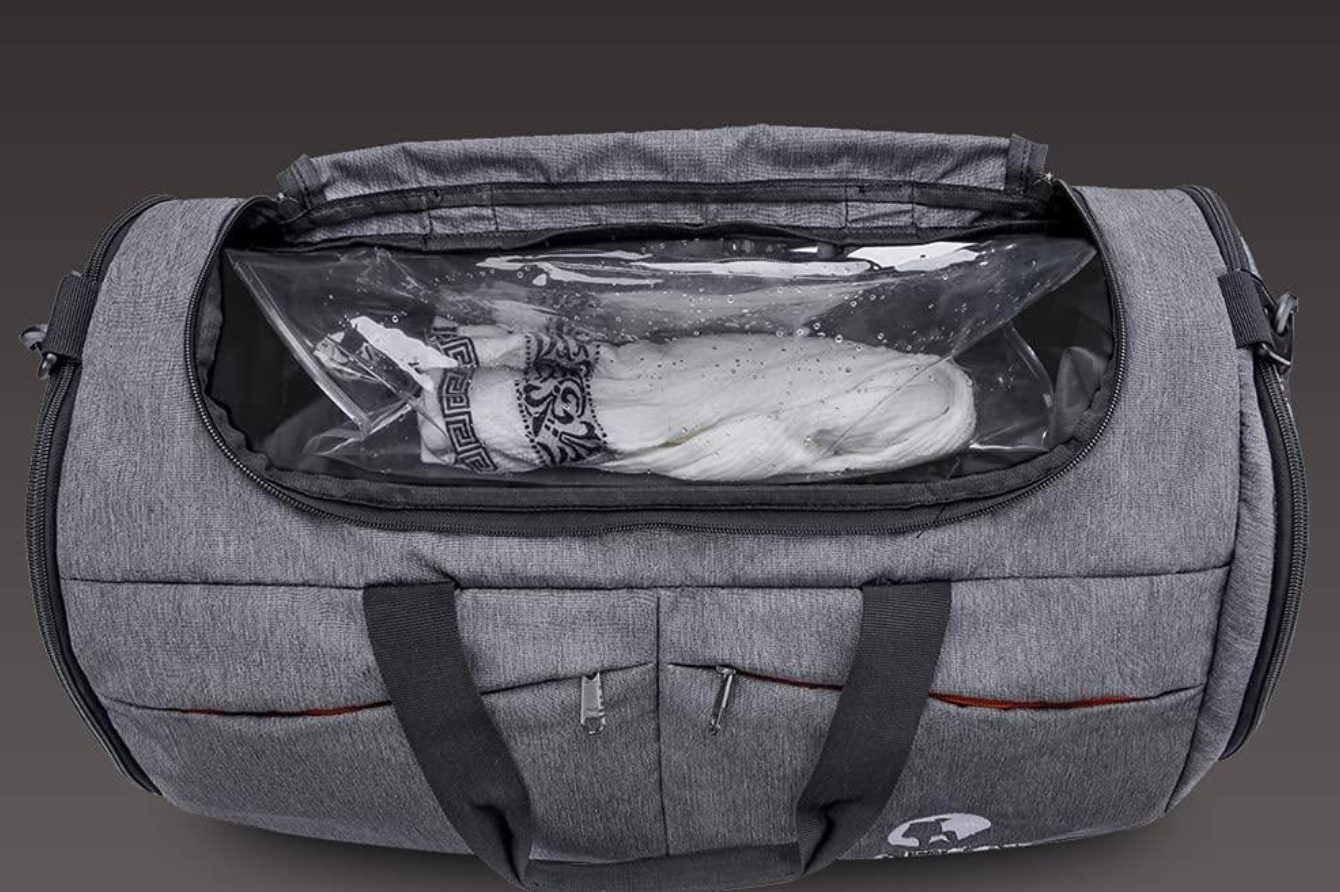
I see commuters every morning—some looking sleek and balanced, others fighting their bags like they’re wrestling a stray dog. Whether you are a B2B buyer looking for the next bestseller or a rider tired of gear failure, you need the truth, not a marketing brochure.
For bike commuters, backpacks1 offer superior ergonomics and stability for heavy loads (over 10 lbs) and long distances due to dual-shoulder weight distribution. However, messenger bags provide faster accessibility and better ventilation for short, stop-and-go city rides. The "best" choice depends entirely on load weight and commute distance.
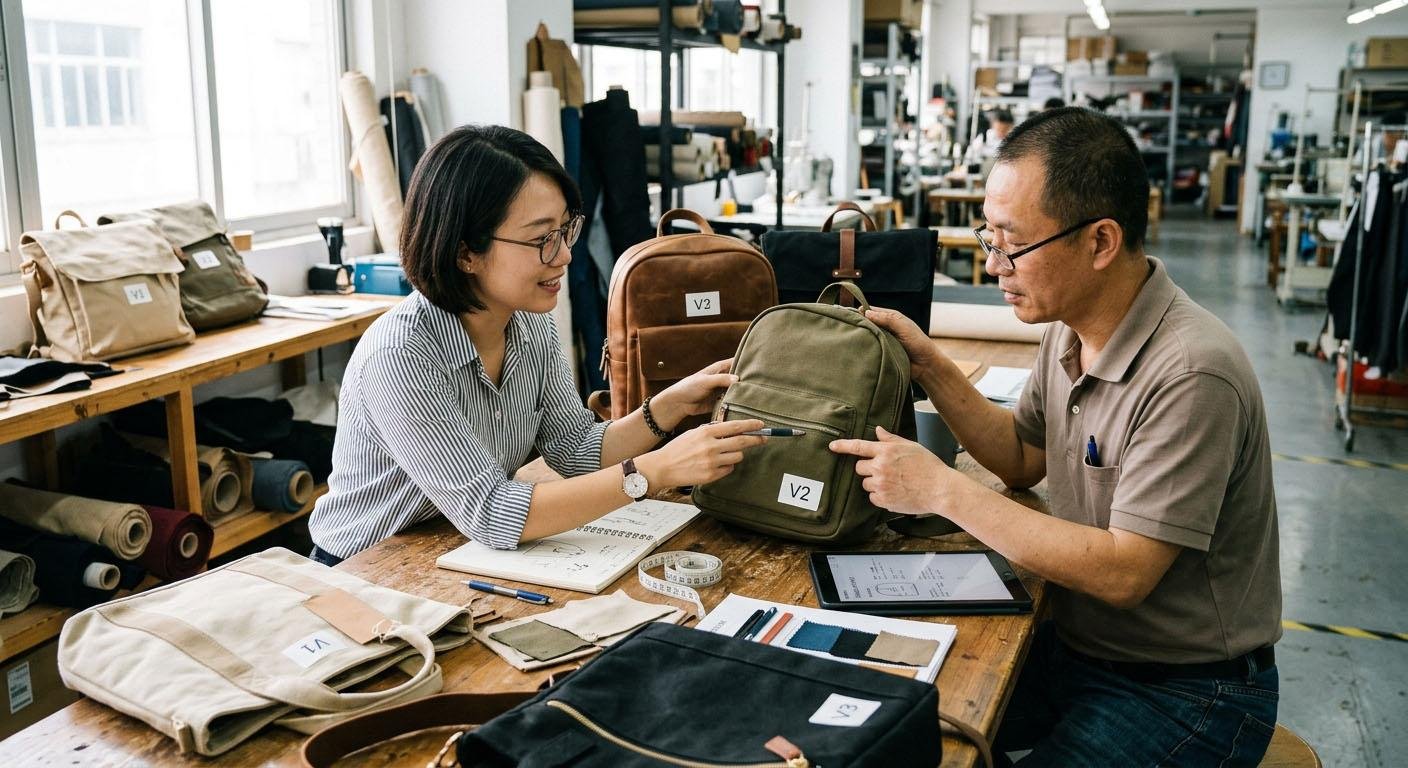
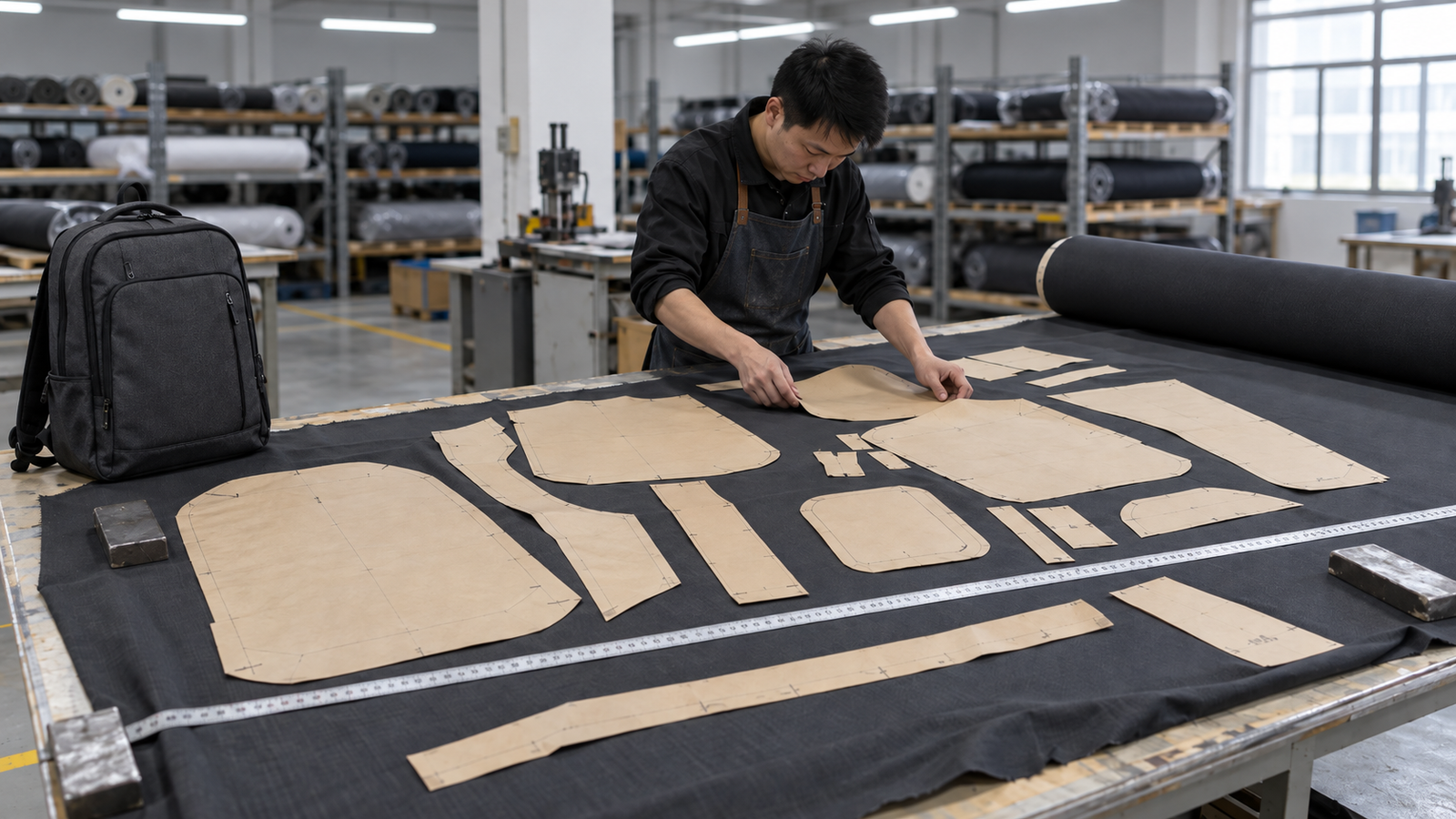
At our factory, we don’t just "make bags." We solve the physics of a moving body. Here is the breakdown of how we engineer these bags and where they actually perform.
Which Bag Style Offers Better Stability for High-Speed Riding?
Fast riding creates centrifugal force. Any bag movement throws off your line. You need gear that stays glued to your torso.
Backpacks are significantly more stable. A dual-strap system anchors the load to the rider’s center of gravity, preventing the dangerous "bag swing" common with single-strap messengers during sharp turns.
From a physics standpoint, a backpack creates a 3-point contact system (two shoulders + hips/sternum), whereas a standard messenger bag relies on a single vector of tension. Without a secondary cross-body strap (the "stabilizer"), a messenger bag will slide forward when you brake hard.
Why is a sternum strap non-negotiable for a backpack?

A sternum strap prevents shoulder straps from splaying outwards, locking the pack to your chest to stop vertical bouncing and side-to-side slippage.
- Load Distribution: It pulls the weight inward, centering the mass toward your spine for better bike handling.
- Hardware Choice: Our factory uses 20mm Duraflex buckles; they won’t snap when you’re breathing hard on a climb.
- Height Rails: Adjustable sliders are a must to ensure the strap hits the sternum and doesn’t choke the rider.
How can we engineer a solution for messenger bag instability?

We install a "Third-Leg" or cross-body stabilizer strap2 . This triangulation point eliminates the centrifugal slide that occurs during hard braking.
| Riding Scenario | Standard Messenger (No Strap) | Stabilized Messenger (With "Third-Leg") |
|---|---|---|
| Hard Braking | Bag swings forward into handlebars | Bag stays locked on lumbar |
| Sprinting (Out of Saddle) | Bag bounces against spine | Zero movement / tight fit |
| 45° Banking Turn | Center of Gravity shifts 12cm | Center of Gravity shifts 0cm |
Does A Messenger Bag Actually Reduce "Swamp Back" Compared to A Backpack?
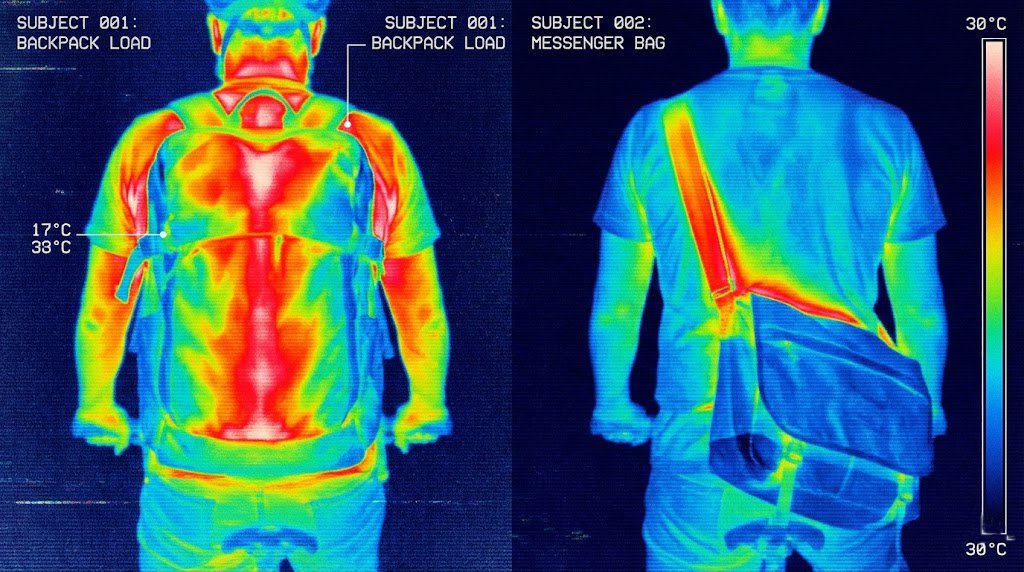
One of the biggest complaints we get in user feedback loops is heat management. Riders hate arriving at the office with a wet shirt.
Yes. Messenger bags offer superior ventilation because they hang diagonally, leaving 40% of the back exposed to airflow. Backpacks, regardless of the material, essentially act as an insulation block pressed against the spine.
A standard commuter backpack covers roughly 40% of your torso’s surface area. We try to mitigate this with "air mesh" channels, but honestly? They compress under load. A messenger bag sits diagonally, leaving one shoulder and half your back exposed to the wind. On our test rides in July, the temperature difference on the skin is noticeable.
Which backpack back panel construction provides the best ventilation?

The "Suspended Mesh" (or Trampoline) system3 is the only design that truly works. It creates a physical rigid air gap between the bag body and the rider.
- Suspended Mesh: Uses a curved frame to keep the bag 1-2 inches off the back. Unbeatable airflow.
- Molded EVA Foam: Looks technical with "air channels," but the foam eventually warms up and insulates.
- Standard Air Mesh: Often just marketing fluff. It absorbs sweat like a sponge rather than wicking it away.
How do thermal retention zones differ between the two styles?
Backpacks trap heat along the entire thoracic spine, while messenger bags primarily contact the lumbar region, allowing the critical upper back area to breathe freely.
| Feature | Backpack (Standard Foam) | Messenger Bag |
|---|---|---|
| Contact Surface | 80-90% of Back | 30-40% (Lumbar/Hip) |
| Heat Dissipation | Low (Traps body heat) | High (Natural venting) |
| Sweat Saturation | High (Soaks into shirt) | Low (Air dries sweat) |
Pro Tip: Don’t trust "breathable foam" marketing. If you want zero sweat, buy a pannier. If you must wear a bag, the Messenger wins this specific battle.
How Do Carrying Capacities Differ Between the Two for Professional Gear?

Capacity isn’t just about liters; it’s about how that volume handles heavy, dense professional gear like laptops, paperwork, and gym clothes.
Backpacks offer superior capacity for heavy, multi-category loads (25L-45L) by utilizing vertical space. Messenger bags are optimized for flat, medium loads (15L-25L) that require frequent access.
Why does the internal structure limit the messenger bag?
Messenger bags lack the rigid internal frame needed for dense cargo. Over-loading causes the bag to "banana" or sag, which creates painful pressure points on a single shoulder.
- Liner Compression: We use 210D Ripstop liners to prevent internal tearing when carrying sharp-edged folders or hardware samples.
- Expansion Gussets: Our factory designs "fold-top" messenger bags to allow for temporary over-packing.
- Protection Limits: Padding for 16-inch laptops adds weight that often exceeds the comfortable limit for a single-strap carry system.
How does load distribution change with gear density?
Backpacks allow for higher gear density because the dual straps and optional hip belt transfer weight to the pelvis. Messenger bags are strictly for high-volume, low-weight items.
- Messenger: Better for documents, wide folders, and odd-shaped items.
- Backpack: Better for stacking items (gym shoes at bottom, lunch, tech on top).
Which Design Is More Durable for Daily Manufacturing Costs?
From a manufacturing standpoint, messenger bags often have fewer failure points. They rely on flaps and buckles rather than long zipper tracks, which are the #1 component to fail in backpacks after exposure to road grit.
We track return reasons religiously. For backpacks, 40% of defects are zipper-related (blown coils or stuck sliders). Road grit acts like sandpaper on zipper teeth.
A classic messenger bag uses a flap closure with POM (Polyoxymethylene)4 buckles. Even if a buckle breaks (which is rare if you use brands like Duraflex or Woojin), it’s easily replaceable. If a main zipper on a backpack blows out, the bag is trash.
Durability scorecard
| Component | Backpack Vulnerability | Messenger Vulnerability |
|---|---|---|
| Closure | Zippers (High Fail Rate) | Buckles/Velcro (Low Fail Rate) |
| Abrasion | Bottom corners | Flap hinges |
| Waterproofing | Leaks through zippers | High (Flap covers opening) |
Are Backpacks or Messenger Bags Better for "Access on the Fly"?

Messenger bags win on accessibility. The swing-around design allows riders to access gear without dismounting, a critical feature for urban commuters who need quick access to keys, badges, or phones.
This is why bike couriers originally used them. You unclip the stabilizer, swing the bag to your chest, grab your package, and swing it back. Total time: 5 seconds.
With a backpack, you have to: Stop. Dismount one shoulder (or both). Unzip. Rummage. Zip. Re-mount. Total time: 30-45 seconds. It kills flow.
The "quick access" feature list
- Swing Access: Only possible with Messenger.
- Phone Pockets: Must be on the strap for backpacks to compete.
- U-Lock Holster: Easier to integrate on the exterior of a Messenger.
Actionable Tip: If you are building a backpack for commuters, you must include side-access zippers or shoulder strap pockets. Otherwise, the "swing factor" makes the messenger bag the clear winner for efficiency.
The Verdict: Which should you build or buy?
Don’t buy into the hype. Buy for the use case.
- Sell the Backpack if: Your target customer carries a mobile office (laptop, gym gear, lunch) and rides more than 30 minutes. (Look for suspended mesh system and a sternum strap)
- Sell the Messenger if: Your customer needs quick access, carries light loads, and wants to avoid a sweaty back.(Ensure it has a stabilizer strap)
Ready to source professional-grade commuter gear that actually survives the road? contact our product teamfor a custom B2B quote.

Deep-Dive FAQs (The Stuff Nobody Tells You)
1. Which is cheaper to manufacture?"
Generally, the Messenger bag. Less pattern complexity, fewer zippers, and easier assembly time. If you need an entry-level price point product ($40-$60 retail), start with a messenger silhouette.
2. Why do some messenger bags "flop" forward even with a stabilizer strap?
It’s usually a failure in the strap attachment point geometry. If the "third leg" is sewn too high, it doesn’t create the necessary tension across the ribcage. We test attachment angles to the degree to prevent this.
3. Does the roll-top actually matter?
Yes. Zippers are the first thing to fail on any bag (sand + grit = death). A roll-top has no moving parts to break. For longevity, roll-top wins.
4. Can I machine wash my TPU commuter bag?
Never. The heat and agitation can delaminate the TPU coating. Use lukewarm water, a soft brush, and mild soap. Treat it like a piece of precision gear, not a pair of socks.
5. Does "Made in Cordura" always mean it’s better?
Cordura is a great brand, but "Brand X" high-tenacity nylon with a superior TPU lamination will outperform a basic Cordura with a cheap PVC backer every single time. Look at the coating specs, not just the brand tag.
Footnotes
-
10 Best Bike Commuter Backpacks, Tested ↩
-
Explore authoritative definitions and latest developments about cross-body strap of messenger bag. ↩
-
The Suspended Mesh system is crucial for ventilation and comfort. Discover how it can improve your riding experience. ↩
-
Technical data on Polyoxymethylene (POM) showing its high stiffness and resistance to wear in fasteners ↩