80% of digital nomads buy the wrong backpack because they focus on volume instead of access. A poorly chosen bag ruins your travel workflow.
For digital nomads, a clamshell backpack is better for urban tech-heavy setups due to 180-degree flat packing and fast TSA access. Top-loading backpacks are better for outdoor-leaning nomads who need weather resistance and expandable storage for bulky gear.
At Osgoodway, we manufacture millions of these bags for global B2B clients. Forget the marketing fluff; here is the raw, unfiltered truth straight from our production lines and material testing labs.
Why are top-loading backpacks the ultimate choice for adventure-bound digital nomads?

At Osgoodway, we see brands constantly push tech bags, but rugged nomads still demand the classic top-loader design.
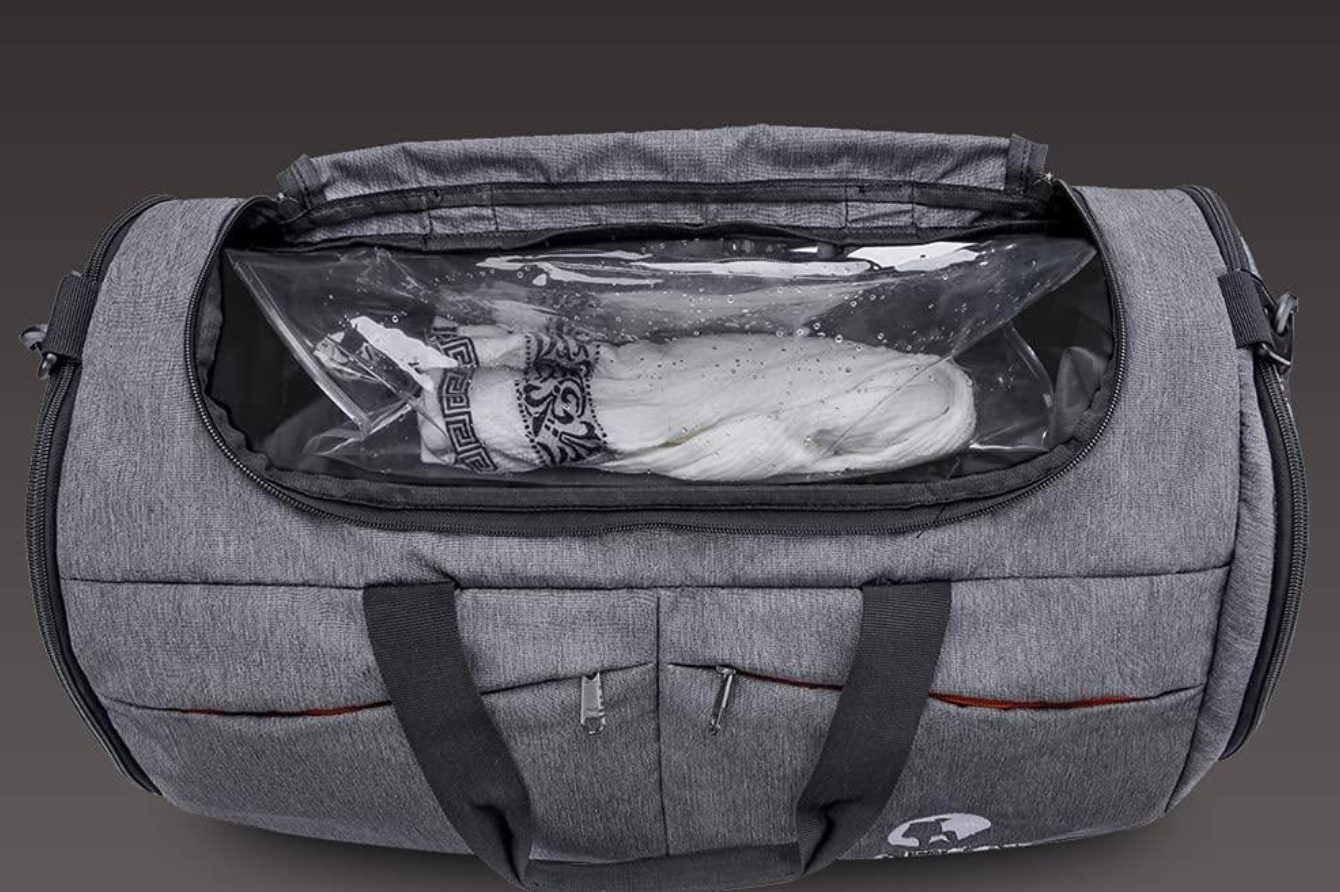
A top-loading backpack features a single top-entry point secured with a drawstring, buckle, lid or roll-top, often used for hiking and minimalist travel. This structure maximizes weather resistance, allows massive vertical expansion for bulky gear, and provides superior anti-theft security against pickpockets in crowded transit hubs.
What are the real-world trade-offs of top-loading for nomads?
While it offers superior rain protection and expands to fit extra jackets, finding items at the bottom is a nightmare. It creates a ‘black hole’ effect.
Pros:
- Weather Resistance: The top lid and drawstring closure naturally block rain without relying on expensive waterproof zippers.
- Expandability: The soft top allows you to overstuff the bag with a last-minute jacket or trekking gear.
- High Security: Pickpockets cannot easily reach the bottom of your bag in crowded city transit systems.
Cons:
- The "Black Hole" Flaw: You must pull everything out just to reach a hard drive buried at the base.
Ideal User:
Nomads heading to remote areas, prioritizing outdoor clothing and survival gear over multiple laptops.
Why do top-loading backpacks last longer?
Top-loaders are structurally simpler to produce. The load-bearing focus shifts entirely to the base and shoulder straps, drastically reducing main zipper failures and simplifying quality control.
| Component | Osgoodway Material Suggestion | Factory QC Reasoning |
|---|---|---|
| Main Body Fabric | Lightweight Cordura or Ripstop Nylon | Provides extreme tear-resistance while keeping the factory sewing process efficient. |
| Weatherproofing | Internal PU Coating + External DWR | Eliminates the need for stiff, prone-to-breakage aquaguard zippers on the main compartment. |
| Stress Points | Reinforced Base Panel | Handles 25kg+ loads securely because gravity pulls weight away from the top opening. |
Factory Secret: Don’t waste your manufacturing budget on waterproof main zippers. Invest in double-layering the Cordura base panel where 90% of wear occurs.
Are clamshell backpacks better for urban tech nomads?

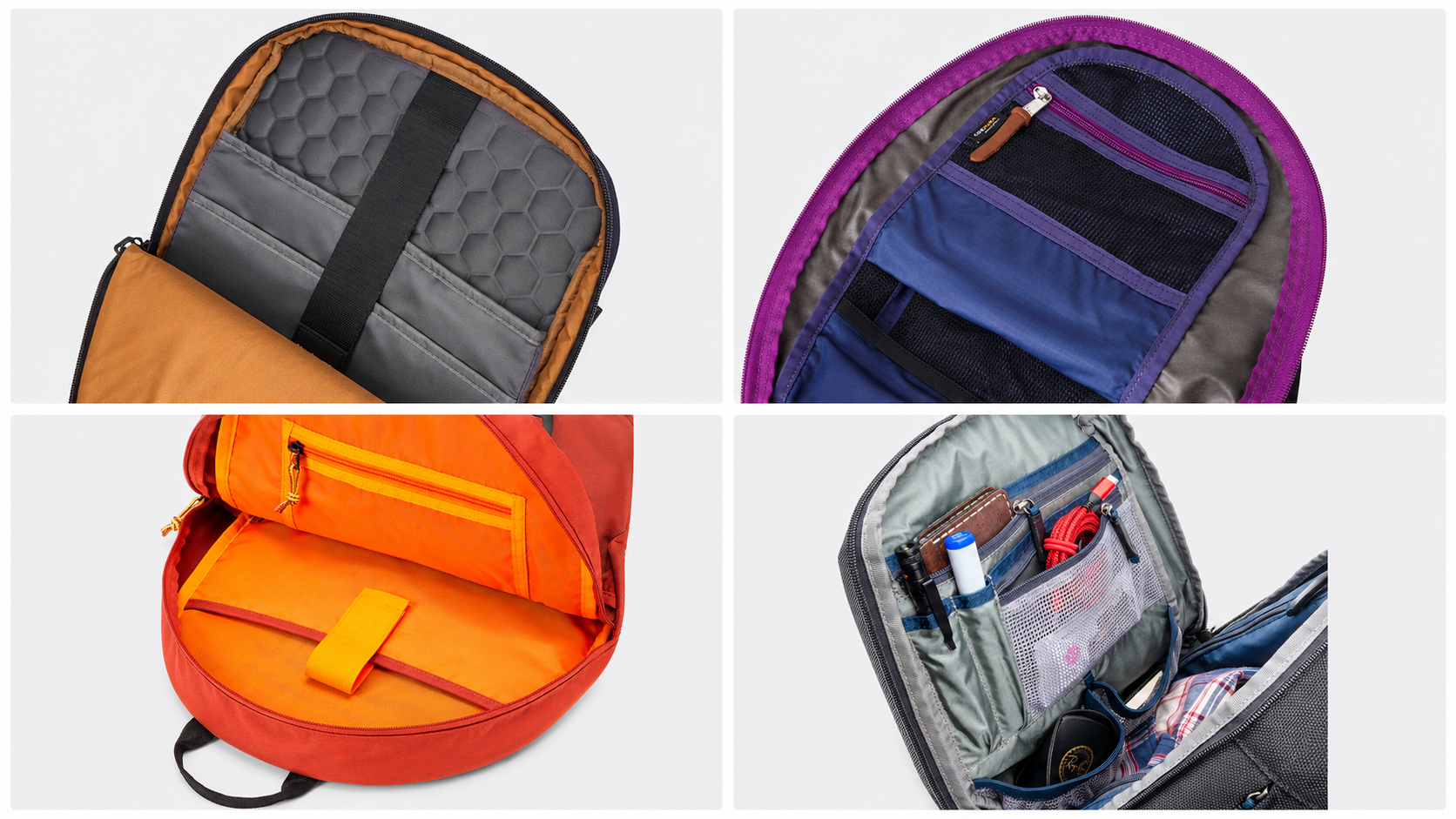
Yes, a clamshell backpack features a continuous zipper that opens 180 degrees flat like a suitcase. It provides instant visibility, extreme modular organization for tech accessories, and lightning-fast TSA laptop retrieval, making it the top choice for urban digital nomads.
Unlike top-loaders, clamshells transfer outward pressure entirely to the zippers. Our cyclic testing proves a 30L bag needs 2mm EVA foam and YKK #10 zippers to hit 10,000 cycles without structural failure.
What are the daily pros and cons of using a clamshell backpack?
While clamshells offer unmatched 180-degree packing logic and rapid TSA access, their rigid structure adds weight and requires flat surfaces to fully open.
- Suitcase-Level Packing: The 180-degree flat opening allows for extreme modular organization using mesh pockets, tech pouches, and packing cubes.
- Lightning-Fast TSA: Grabbing a laptop, mouse, or drone at airport security or a cramped cafe takes seconds.
- The Weight Penalty: Internal structural panels make these bags noticeably heavier than soft top-loaders.
- Space Constraints: You cannot easily open a fully stuffed clamshell while it is sitting upright under a cramped airplane seat; the zippers will bind.
- Ideal User: The "city nomad" hopping between global airports, co-working spaces, and urban cafes with heavy electronic gear.
Why are clamshell backpacks so expensive to manufacture?
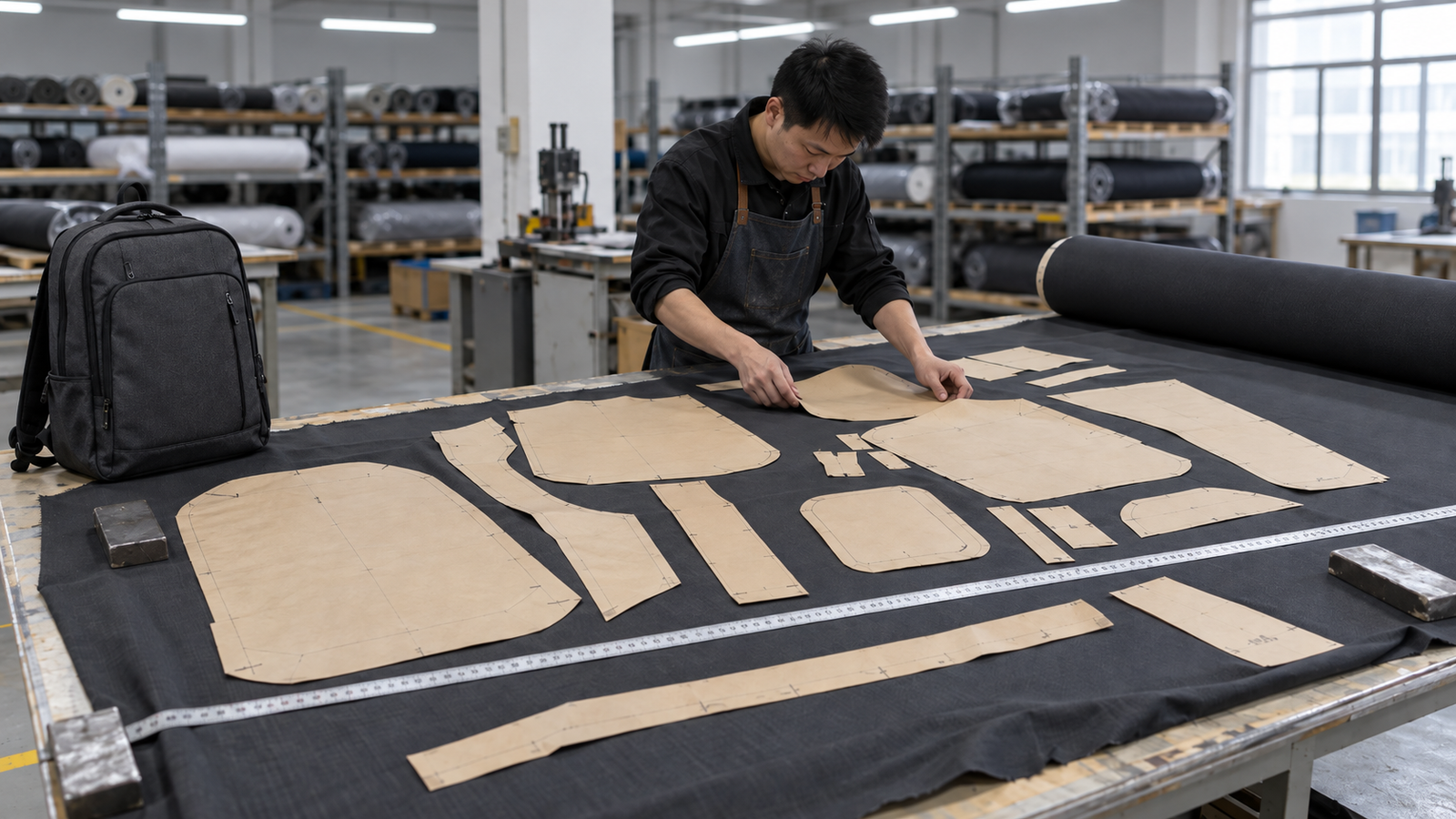
Clamshells require massive zipper paths and rigid panels to prevent collapsing. Labor-intensive sewing at the bottom corners heavily drives up production costs.
| Component | Osgoodway Standard | Manufacturing Challenge & QC |
|---|---|---|
| Main Zipper | YKK #10 RC (Reverse Coil) | 180-degree paths put extreme outward tension on the corners. Cheap zippers will inevitably derail and fail. |
| Structural Support | EVA Foam + PE Board | Required to keep the bag’s sidewalls from collapsing when fully opened, adding both material cost and weight. |
| Corner Stitching | Low-speed, high-precision | The binding process around the gusset corners directly impacts lifespan. Fast, sloppy sewing here causes 80% of factory defects. |
Factory Secret: Never let a supplier use a #8 nylon zipper on a clamshell main compartment to save pennies. Specify YKK #10 RC or your brand’s return rate will skyrocket.
Top-loading vs. clamshell: Which backpack wins the ultimate showdown?
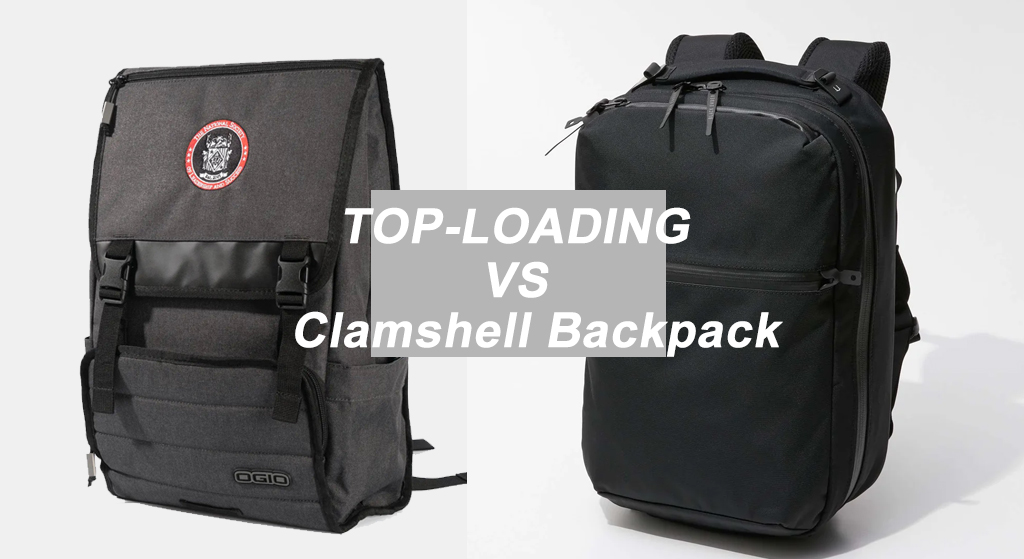
Forget Reddit debates. I look at our factory’s RMA reports and BOM costs. Here is the raw truth from the assembly line.
Clamshells win for urban nomads needing 180-degree flat-packing and instant tech access. Top-loaders win for off-grid travelers demanding expandability, extreme weatherproofing, and seam durability. Your choice depends entirely on whether you carry fragile electronics or bulky outdoor gear.
How do these backpack styles compare in daily use and production?
| Metric | Clamshell | Top-Loading | Osgoodway Factory Insight |
|---|---|---|---|
| Packing Efficiency | High (180° visual access) | Low (Blind digging) | Clamshells save users time but add 6 minutes to our assembly line. |
| Tech Protection | Excellent (Rigid compartments) | Moderate (Base impacts) | We mandate 2mm EVA foam sidewalls to prevent clamshell collapse. |
| Weatherproofing | Moderate (Exposed zipper path) | Excellent (Top lid & cinch) | Top-loaders pass our factory water-spray tests 40% faster. |
| Manufacturing Cost | $$$(Long zippers, rigid panels) | $$ (Simple tube construction) | YKK #10 RC zippers on clamshells increase unit cost by $1.20. |
| Target Audience | Urban tech workers & creators | Off-grid adventure travelers | Brands must align SKU design strictly with the user’s environment. |
Factory Secret: Never let a supplier use standard spun polyester thread on clamshell corners. We strictly use bonded nylon thread. Otherwise, that 180-degree tension will rip the seams in months.

How can backpack brands build the ultimate digital nomad hybrid?
Brands lose money forcing buyers to choose. At Osgoodway, the hybrid pack is our most requested B2B prototype right now.
Merge a clamshell main compartment with top-loading quick-access tech pockets. This hybrid solves TSA bottlenecks and protects passports in a scratch-resistant top pod.
What manufacturing details make or break a nomad backpack?
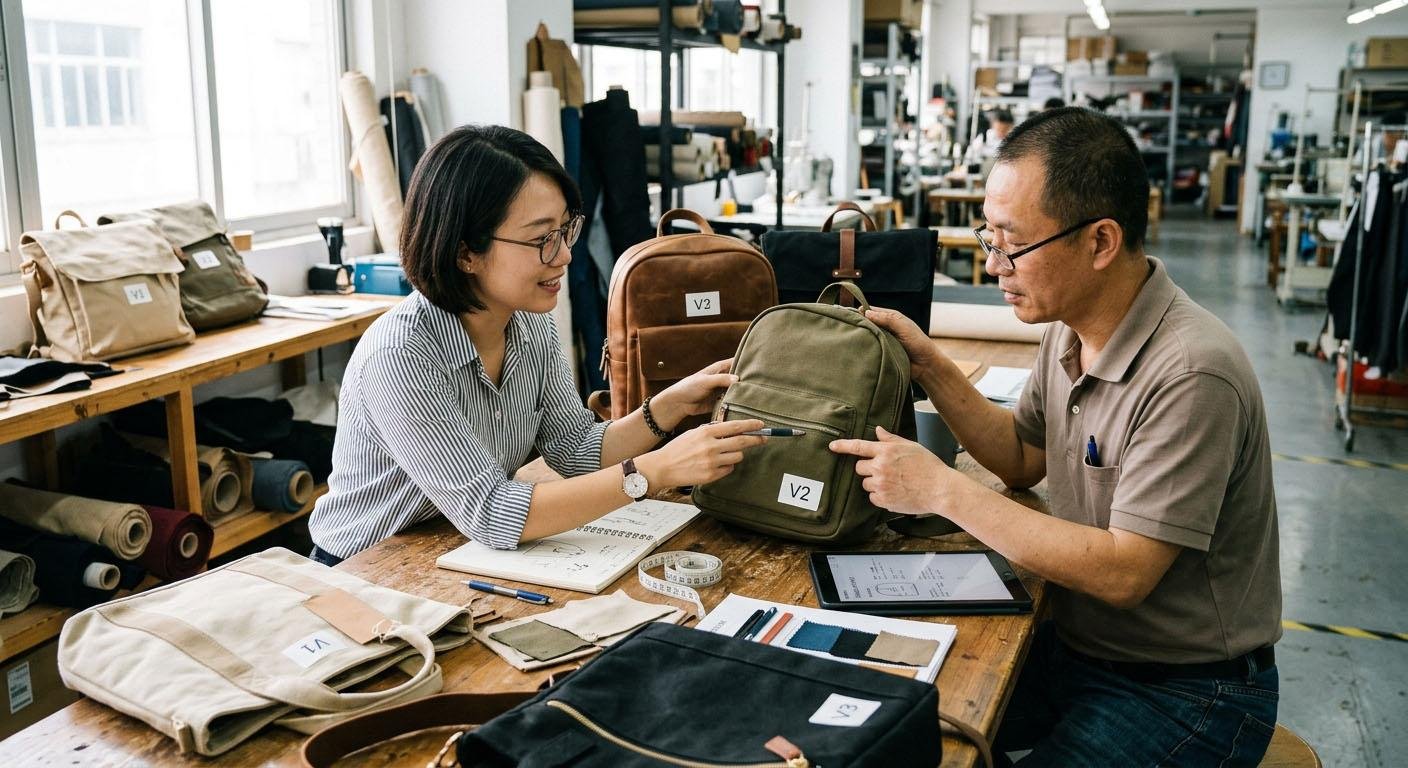
When auditing a factory, buyers must ruthlessly verify the factory’s prototyping capability for a true suspended laptop sleeve and their strict zipper testing standards.
- The 2cm Suspension Rule: The laptop sleeve must float exactly 2cm above the bag’s base. If a factory sews it flush to the bottom, your customer’s MacBook shatters on the first drop.
- Strict Zipper Standards: Don’t accept verbal promises. Demand lab proof of 10,000 cyclic pulls on the main clamshell compartment using a loaded dummy.
- Top Pod Materials: The quick-access cavity must use genuine tricot or microfiber lining, not cheap spun polyester, to protect delicate camera lenses and sunglasses.
How do we control costs on hybrid manufacturing?
Adding quick-access pods and clamshell zippers increases sewing complexity. At Osgoodway, we mitigate these BOM costs without sacrificing structural integrity.
| Component | Factory Cost-Saving Strategy | Production Impact |
|---|---|---|
| Main Zipper | Use YKK #10 RC combined with fabric storm flaps | Saves $2 per bag compared to using stiff Aquaguard zippers. |
| Internal Organization | Laser-cut Hypalon instead of sewn mesh pockets | Cuts labor time by 4 minutes on the sewing line. |
| Back Panel | Share existing 3D EVA molds across SKUs | Eliminates $1,500-$3,000 in new tooling fees. |
| Laptop Sleeve | Standardize the 2cm suspension foam cutouts | Cuts 3 minutes of manual labor time per unit. |
The Final Verdict from the Factory Floor
Stop searching for the "perfect" backpack. Bag design is a game of calculated trade-offs.
For consumers: Buy a clamshell if you prioritize tech efficiency and airport speed. Stick to a classic top-loader if you face harsh climates and pack bulky outdoor gear.
Ready to Manufacture Your Next Bestseller?
Stop burning cash on failed prototypes. If you need a manufacturing partner who strictly controls BOM costs and ensures your gear survives the drop test, let’s talk.
Send your Tech Pack to Osgoodway. We’ll engineer your next flagship backpack.
👉 Start Custom Production with Osgoodway