Here is the brutal truth: The "China vs. Vietnam" debate isn’t a popularity contest. It’s a math problem involving tariffs, lead times, and complexity. If you are a B2B buyer looking for the "perfect" country, stop. It doesn’t exist. There is only the right country for your specific volume and design specs.
If you need complex technical bags, quick turnaround times (30-45 days), and low MOQs, or intricate hardware customization, stay in China and eat the tariff. If you are running high-volume, simple cut-and-sew orders (10k+ units) for the US market and can tolerate a 60-day lead time, move to Vietnam immediately to dodge the Section 301 duties.
Is Vietnam Really Cheaper Than China for Bag Manufacturing in 2026?

Vietnam offers lower labor costs (approx. $320/month vs. China’s $650+) and significant duty savings (0% vs. 25%+ Section 301 tariffs). However, total landed cost often equalizes for orders under 5,000 units due to imported materials.
While labor is roughly 50% cheaper in Vietnam, labor only accounts for about 20-30% of a bag’s FOB price. The real kicker is the supply chain. Vietnam still imports about 60-70% of its raw materials (fabrics, buckles, zippers) from China. Shipping those materials from Guangdong to our facility in Dong Nai adds logistics costs that eat up the labor savings on smaller orders.
The Proof is in the PO:
We recently costed a standard 600D Polyester Laptop Backpack for a US client.
- China FOB: $8.50 (Lead time: 45 days) -> Landed Duty Paid: ~$11.50
- Vietnam FOB: $8.90 (Lead time: 75 days) -> Landed Duty Free: ~$9.80
- Verdict: Vietnam saved money only because of the Section 301 tariffs 1, not the factory price.
What are the hidden costs in Vietnam?
- Logistics for Materials: You pay to ship fabric from China to Vietnam.
- Expat Management: We have to fly Chinese technicians to Vietnam to fix machines.
- Longer QC Loops: Mistakes take longer to catch and correct.
Actionable Tip:Do the math on "Total Landed Cost2," not just FOB price. If your order volume is under 3,000 pieces, stay in China. The tariff savings usually won’t outweigh the logistical headaches and higher material freight costs.
Can Vietnam Match China’s Lead Times for Custom Backpacks?
No. China consistently outperforms Vietnam on lead times, averaging 35-45 days versus Vietnam’s 60-90 days. This gap exists because 80% of bag components are still produced in China and must be shipped to Vietnam before assembly begins.
In China, if we run out of #8 YKK zipper sliders, I send a driver to the local material market, and he’s back in 2 hours. In Vietnam, if we run out, we are halting the line for 10 days while we fly components in from Guangzhou or Taiwan. This "supply chain lag" is the single biggest frustration for my clients who demand speed.
Comparison: The speed reality
China has a vertical supply chain3; Vietnam has a horizontal one.
| Stage of Production | China Timeline (Avg) | Vietnam Timeline (Avg) |
|---|---|---|
| Material Sourcing | 3-7 Days (Local) | 15-25 Days (Imported) |
| Counter Sample | 7-10 Days | 14-21 Days |
| Mass Production | 30-45 Days | 45-60 Days |
| Total Turnaround | ~45-55 Days | ~75-90 Days |
Actionable Tip: Never plan a "rush order" in Vietnam. If you need goods in your warehouse for a holiday launch in 4 months, produce in China. Only move "Replenishment" (ongoing stock) orders to Vietnam where speed is less critical.
Which Country Handles Complex Technical Bags Better?
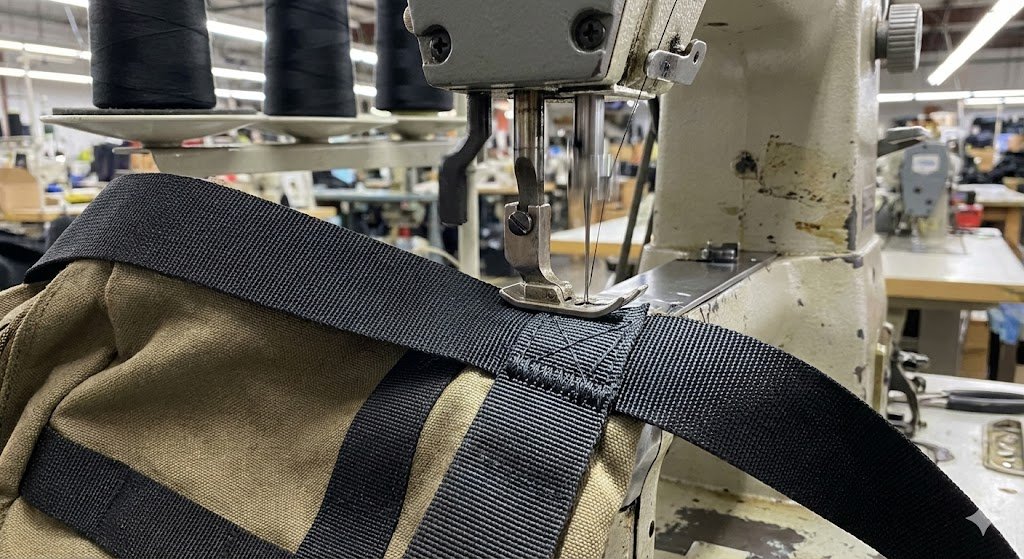
China wins on complexity; Vietnam wins on consistency for simple silhouettes.
Our factory in Quanzhou is staffed by sewers with 15+ years of experience. They know how to handle tricky curves on a rigid EVA shell without bunching. In Vietnam, the workforce is younger. They are fantastic at straight lines and high speed (great for tote bags or basic school packs), but when we moved a complex tactical vest line there last year, we struggled.
Real World Failure:
We tried producing a complex camera bag with movable dividers in our Vietnam facility. The rejection rate hit 12% (compared to 1.5% in China) because the workers struggled with the multi-layer padding alignment. We had to ship the semi-finished goods back to China to fix them. A nightmare.
Complexity capability matrix
- China: Best for Tactical gear, waterproof welded bags, complex hiking packs, luggage.
- Vietnam: Best for School backpacks, simple duffels, tote bags, promotional items.
Actionable Tip: Assess your Tech Pack’s difficulty level. If your bag has more than 50 distinct pattern pieces or requires laser cutting and high-frequency welding, keep it in China. The defect rate in Vietnam will destroy your margin.
What Is the Minimum Order Quantity (MOQ)4reality?
China factories often accept MOQs as low as 300-500 units per color. Vietnam is built for giants, often demanding 5,000+ units per color to justify the setup costs and material import logistics.
Vietnam is set up to feed the giants—Nike, Decathlon, Adidas. Those lines are massive beasts designed to run the same style for months. Stopping a line of 60 workers to re-thread machines and change tooling for a small order destroys their efficiency KPIs. They physically cannot afford the downtime for small batches.
MOQ expectations by region
If you ask for 500 pieces in Vietnam, most factories will either ghost you or quote you a price so high it’s a polite "go away."
| Bag Type | China MOQ Per Color (Flexible) | Vietnam MOQ Per Color (Strict) |
|---|---|---|
| Simple Tote / Shopper | 500 pcs | 10,000+ pcs |
| Standard Backpack | 500 pcs | 5,000+ pcs |
| Complex Tech Bag | 300 pcs | N/A (Often Refused) |
Why does Vietnam demand higher volume?
It comes down to logistics and inertia
Think about it: To make your bags in Vietnam, they first have to buy the fabric in China.
- Logistics Math: Import materials from China. 5,000 units fill a cost-efficient 20ft container; 500 units force expensive LCL shipping that eats your tariff savings.
- Line Inertia: Large Vietnamese plants run 50+ person sewing lines; stopping that "machine" to change thread colors for a small order kills their daily output.
Does Vietnam Require Long-Term Contract Commitments for Production?

Yes. Unlike China’s flexible spot-buy model, most Tier-1 and Tier-2 Vietnamese bag factories demand "Capacity Booking" agreements, often requiring a 6–12 month rolling forecast or a 1-year volume commitment to guarantee your production slot.
Production lines in Vietnam are a finite resource dominated by global giants (Nike, Decathlon). Factories refuse to keep lines open for sporadic, unpredictible orders. They require "Program Business"—consistent, monthly volume that keeps workers fed and machines running without gaps. If you can’t fill the line, they will replace you with someone who can.
The Consequence of Poor Planning: We lost a production slot in Dong Nai for a 15,000-pack order simply because the client delayed their Q3 forecast by just 5 days. The factory immediately allocated that entire month’s capacity to a sportswear giant who had a standing annual volume contract. We were pushed to the back of the queue, delaying delivery by 8 weeks.
How do China and Vietnam compare on order commitment?
| Metric | China (Guangdong/Fujian/Zhejiang) | Vietnam (HCMC/Northern Zones) |
|---|---|---|
| Contract Duration | Per-order or seasonal | 12-month rolling commitment |
| Forecast Requirement | 3 months (soft) | 6-12 months (binding) |
| Slot Guarantee | Flexible "First-come" | Strict "Capacity Reservation" |
| Exit Flexibility | High | Low (Subject to penalties) |
Actionable Tip: Prepare a "Rolling Forecast" before you even quote. If you cannot show the factory a credible plan for the next 6-9 months of orders, you will be deprioritized. Treat your factory slot like a prime real estate lease—use it or lose it.
Can Vietnam Match China’s Raw Material Speed?
No. Vietnam imports ~70% of its textiles and hardware from China, adding 15-20 days to your lead time.
The "Dirt Road" Problem: Your factory is in Vietnam, but your zipper, buckles, and 600D Nylon are sitting in a warehouse in Guangzhou. Vietnam’s domestic support industry is growing, but it cannot match China’s vertical integration. If you need a custom-dyed Pantone #19-4052 Classic Blue cordura, it’s coming from China.
The Logistics Drag:
Every buckle and yard of fabric has to cross the border. This adds shipping time, customs clearance (often unpredictable), and the risk of border bottlenecks. I once had a production line in Haiphong stalled for 8 days because a truckload of zipper sliders got stuck at the Pingxiang border gate. In China, that delivery would have been an overnight courier.
- Fabric Sourcing: China (Domestic, 2 days) vs. Vietnam (Imported, 14-21 days)
- Custom Hardware: China (Mold in 7 days) vs. Vietnam (Mold in 25 days or Outsourced)
Use "Nominated Suppliers" carefully. If you produce in Vietnam, try to use materials that are stocked locally in Vietnam (which is a limited list) or plan for a 3-week buffer just for material arrival.
How Do 2026 Tariffs and the "Rule of Origin" Change Your Manufacturing Math?
Navigating the US-China trade war isn’t just about picking a cheaper country; it’s about ensuring your "Made in Vietnam" label actually holds up under a US Customs (CBP) microscope.
Vietnam remains the ultimate "Tariff Shield5," offering a 25–30% duty saving over China, but this advantage evaporates—and turns into a 40% penalty—if you fail to prove "Substantial Transformation6" via the local cutting of fabric.
Is the "China + 1" strategy still the best play for 2026?
Yes, most savvy B2B buyers now use a 70/30 capacity split: 70% in China for complex "Hero Products" and 30% in Vietnam for high-volume, tariff-sensitive "Entry Level" items. * Risk Mitigation: This split protects you from total supply chain collapse if a new trade war escalation or regional pandemic hits.
- Cost Optimization: Keep your high-margin, innovative designs where the technical expertise is (China) while slashing duties on your price-competitive "workhorse" SKUs (Vietnam).
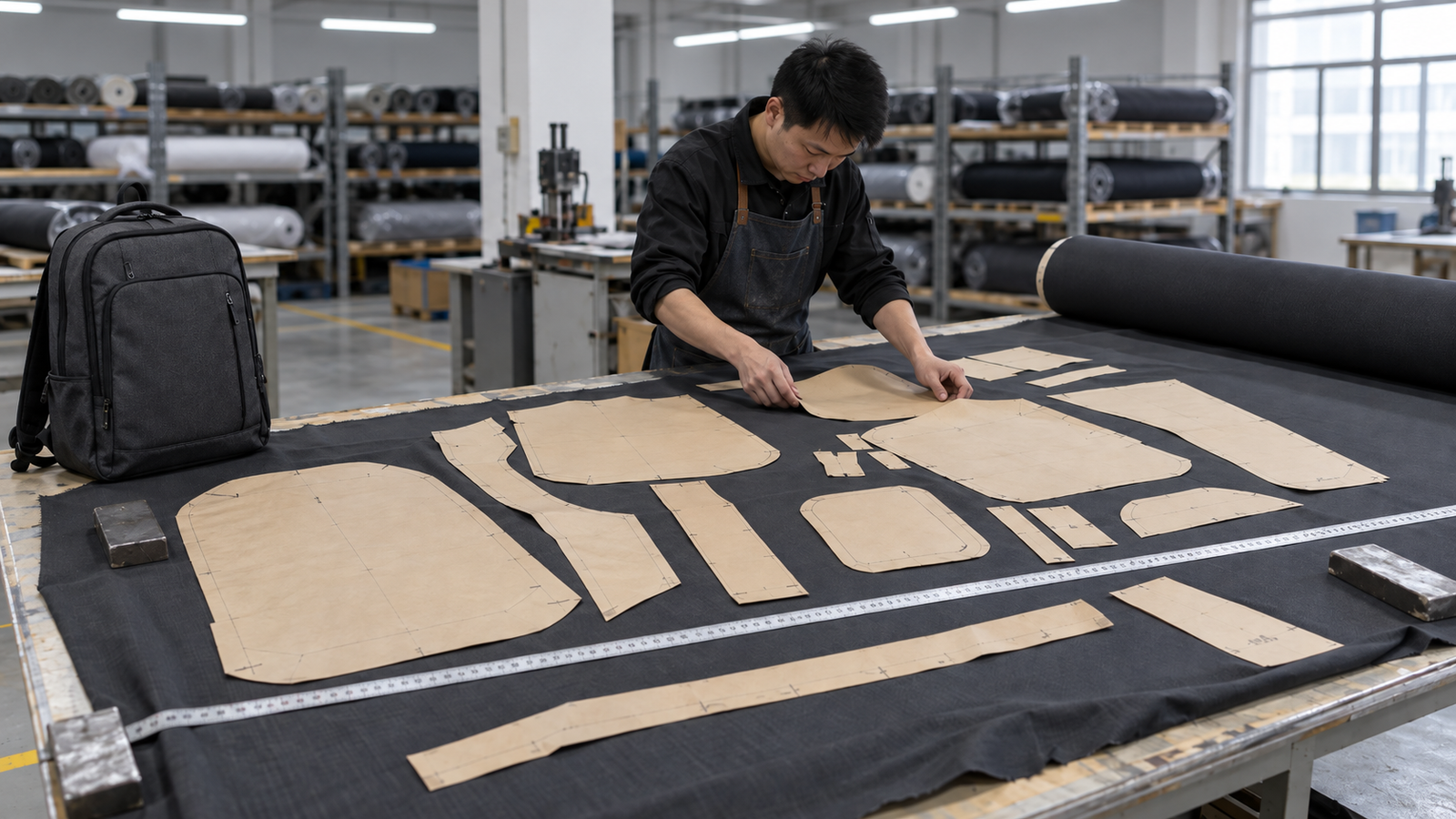
- The "Kitting" Trap: CBP is aggressive in 2026. If you import pre-cut panels from China and only sew them in Vietnam, it’s considered transshipment fraud. You must perform the "Cut-Make-Trim" (CMT) process locally.

What are the hidden risks of shifting to Vietnam?
The primary risk is the "Transshipment Penalty," where a 40% duty is slapped on goods that CBP determines did not undergo significant manufacturing in the declared country of origin.
| Risk Factor | 2026 Reality Check |
|---|---|
| CBP Audits | Highly aggressive; "Final Assembly Only" in Vietnam will result in cargo seizure. |
| Substantial Transformation | You must prove the fabric was cut and significantly changed in Vietnam to get a legal CO. |
| Fake Labels | Avoid "shadow factories" that just swap tags; the False Claims Act fines can bankrupt a brand. |
| Documentation | You need traceable cutting room logs and English-language material invoices for every shipment. |
Actionable Tip: Never accept a "kitting" setup where pre-cut fabric arrives from China. To stay safe, physically audit your Vietnam factory7‘s cutting room to ensure the fabric rolls are being processed on-site before they hit the sewing lines.
Conclusion: Stop Chasing Flags, Start Chasing Fit
The "China vs. Vietnam" debate isn’t about politics; it’s about your business maturity.
- Stay in China if you are building a brand, need complex technical gear, or rely on speed (under 45 days). The agility of the Chinese supply chain is the only thing that will save you during launch.
- Move to Vietnam only when you have "Program Business"—stable designs, volume over 5,000 units, and a 6-month rolling forecast. If you move too early, the logistics costs and lack of flexibility will kill your margin faster than any tariff could.
We are a specialized manufacturer based in Fujian for a reason. We don’t chase the "cheap needle" race to the bottom. We focus on complexity, speed, and engineering precision that emerging markets simply cannot match yet.
Ready for a Supply Chain Reality Check?
I don’t want your order if I can’t deliver it perfectly.
Send me your Tech Pack. I will review your volume and specs today and give you a blunt, honest assessment:
- If your bag belongs in Vietnam for cost reasons, I will tell you to look elsewhere.
- If your bag requires the technical skill and speed we offer in China, I will show you how we can execute it better than anyone else.
Deep Dive FAQ (Expert Edition)
1. Is "Made in Vietnam" quality higher than "Made in China"?
Absolutely not. This is a myth. In fact, initial quality from Vietnam is often lower because the skill base is less mature. China has 30 years of manufacturing muscle memory. Vietnam is catching up, but for intricate detail work, China still holds the crown.
2.Will the US remove Section 301 tariffs on China bags soon?
Don’t bet your business on politics. As of 2026, supply chain diversification is the standard. Even if tariffs drop, the risk of "putting all your eggs in one basket" remains. We advise clients to diversify for security, not just tax breaks.
3. Can I just buy the bag in China and ship it from Vietnam to avoid tax?
Do not do this. That is called "Transshipment" or illegal origin fraud. US Customs (CBP) uses sophisticated tracking. If caught, you face massive fines and your goods will be seized. To label "Made in Vietnam," a "Substantial Transformation" must occur in Vietnam (cutting, sewing, assembly).
4. Why are prices in Vietnam rising so fast?
Basic supply and demand. Every company in the world tried to move to Vietnam at the same time. Industrial real estate prices in Ho Chi Minh City have skyrocketed, and there is a labor shortage. The "cheap Vietnam" of 2018 is gone.
5. Is my Intellectual Property (IP) safer in Vietnam?
Marginally. Vietnam has different laws, but remember: if your materials come from China, your design is already exposed to the Chinese supply chain. The best IP protection is speed to market and a trusted factory partner, not a geography.
Footnotes
-
View the official 2026 Section 301 tariff updates to understand duty rates for goods imported from China. ↩
-
Use this guide to calculate all costs from the point of origin to the final delivery destination. ↩
-
Learn how vertical integration improves quality control and lead times by keeping production stages in-house. ↩
-
Knowing MOQ requirements helps businesses plan their production and avoid unnecessary costs when sourcing. ↩
-
Exploring Vietnam’s role as a Tariff Shield can reveal significant savings and strategic advantages for businesses. ↩
-
Understand the legal criteria for "Substantial Transformation" required to accurately determine a product’s country of origin. ↩
-
A structured guide on performing on-site audits to ensure supplier compliance and operational reliability in manufacturing. ↩