Struggling to name your new bag collection? The wrong term can confuse customers and hurt your brand’s visibility. Let’s clear up the confusion and find the perfect name for your product.
A waist bag1 is a small pouch worn on a strap around the hips or waist. It’s most commonly called a fanny pack, bum bag, belt bag, or hip pack. The best name often depends on your target audience, regional dialect, and the bag’s specific style.
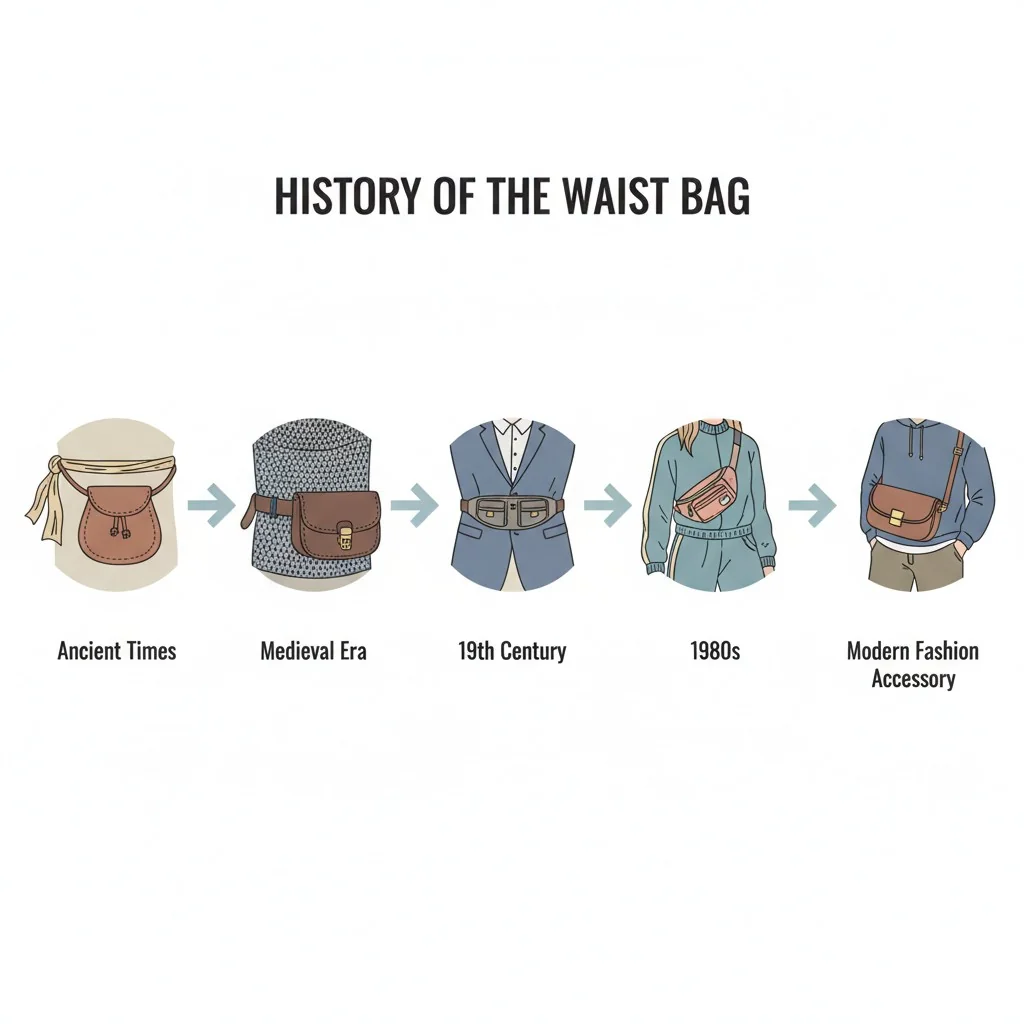
You’ve probably noticed this versatile bag called by many different names. As a bag manufacturer, I’ve seen firsthand how confusing this can be for brand owners. A client once came to me completely stuck on whether to label her new design a "fanny pack2" or a "belt bag," worried that the wrong choice would make her brand seem dated.
This is a common challenge, but understanding where these names come from is the first step to solving it. The bag’s long history and journey from pure function to high fashion is the reason for its many identities. Let’s explore what each name means and how you can use them to your advantage.
[claim claim=”The term ‘fanny pack’ was first trademarked in 1962 by an Australian woman named Melba Stone.” istrue=”true” explanation=”Melba Stone is widely credited with inventing the modern fanny pack, inspired by kangaroo pouches.”]
[claim claim=”All waist bags are designed to be waterproof.” istrue=”false” explanation=”Water resistance depends on the material. While many outdoor-focused packs use waterproof nylon or coated fabrics, fashion-oriented bags made of leather or canvas are typically not waterproof.”]
What Is a Waist Bag?
Defining your product seems simple, right? But with waist bags, the various names can create confusion for your customers and even your suppliers. Let’s break down the core features and common names.
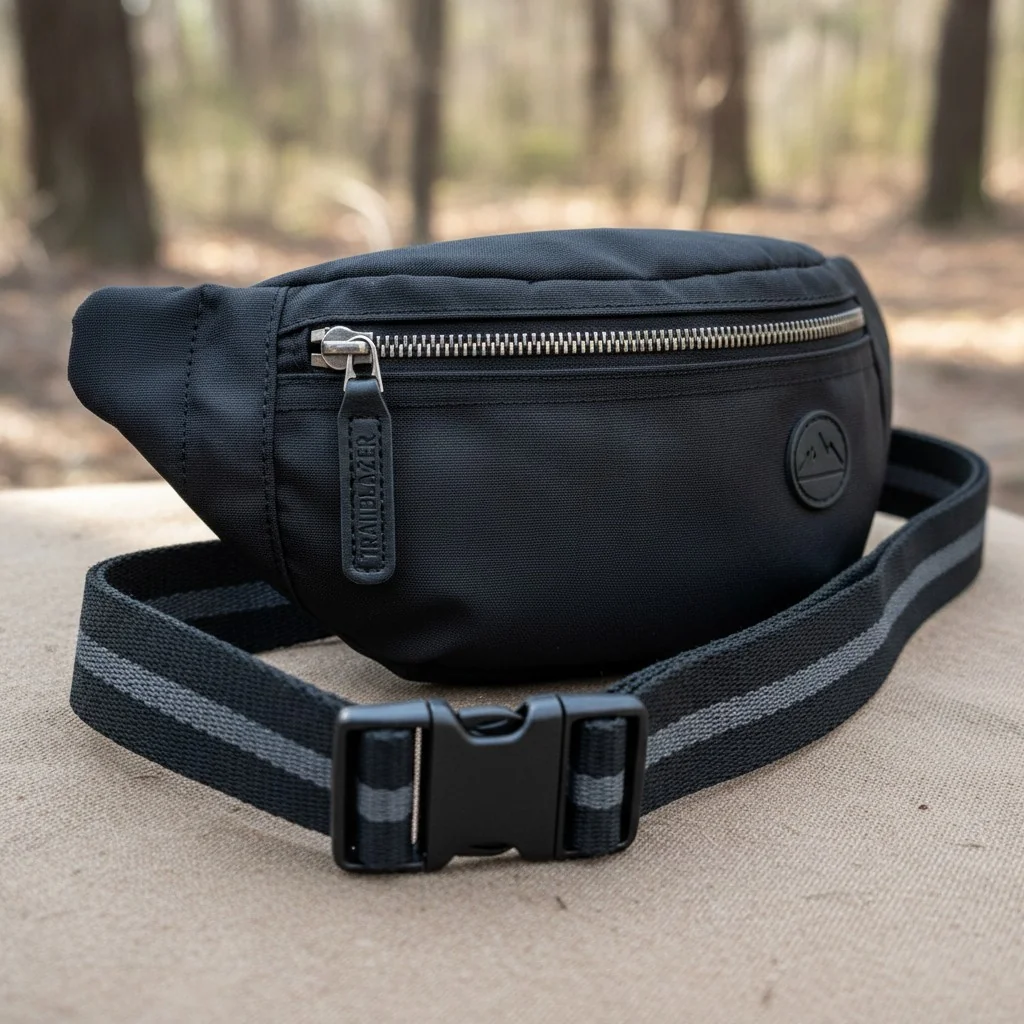
A waist bag is a compact pouch attached to a strap, designed to be worn around the waist or hips. Its key purpose is to hold essentials hands-free. The name changes based on history and location, but the core design remains the same.
When I work with new brand owners like Emily, the first thing we clarify is the terminology. It’s not just about words; it’s about market positioning. Understanding these names is crucial before you even think about design or marketing.
Defining the Waist Bag
At its core, a waist bag is defined by its function: a small, wearable storage solution. It consists of a pouch and an adjustable belt, secured with a buckle. The magic is in its simplicity and convenience.
Common Names and Their Connotations
The name you use signals a lot about your brand. Here’s a quick breakdown based on keyword data and my industry experience:
| Name | Common Connotation | Primary User/Region |
|---|---|---|
| Fanny Pack | Retro, casual, sometimes seen as kitschy or dated. | Primarily North America. Associated with tourists and 80s/90s fashion. |
| bum bag3 | Casual, everyday use. The direct equivalent of "fanny pack". | Primarily UK, Australia, and other Commonwealth countries. |
| belt bag4 | Fashion-forward, chic, modern, often more structured. | Global fashion market. Used by luxury brands and style influencers. |
| hip pack5 | Sporty, outdoorsy, functional. | Outdoor and athletic communities. Emphasizes being worn on the hips. |
Choosing the right name is your first marketing decision.
[claim claim=”The term ‘bum bag’ is the preferred term in the United States.” istrue=”false” explanation=”In the United States, ‘fanny pack’ is the most traditional and widely recognized term, while ‘bum bag’ is the standard term in the United Kingdom and Australia.”]
[claim claim=”The resurgence of waist bags in the 2010s was heavily driven by high-fashion brands rebranding them as ‘belt bags’.” istrue=”true” explanation=”Luxury brands like Gucci and Louis Vuitton released high-end ‘belt bags,’ which helped shed the dated image of the ‘fanny pack’ and made them a status symbol.”]
What Are the Different Types of Waist Bags Available?
You want to offer a unique and diverse collection. But just changing colors isn’t enough to capture different customer segments. Let’s explore the distinct styles of waist bags to inspire your line.
Waist bags range from sporty nylon packs for hiking to chic leather belt bags for a night out. Other popular styles include minimalist running belts for athletes and larger, multi-pocket travel packs for tourists.
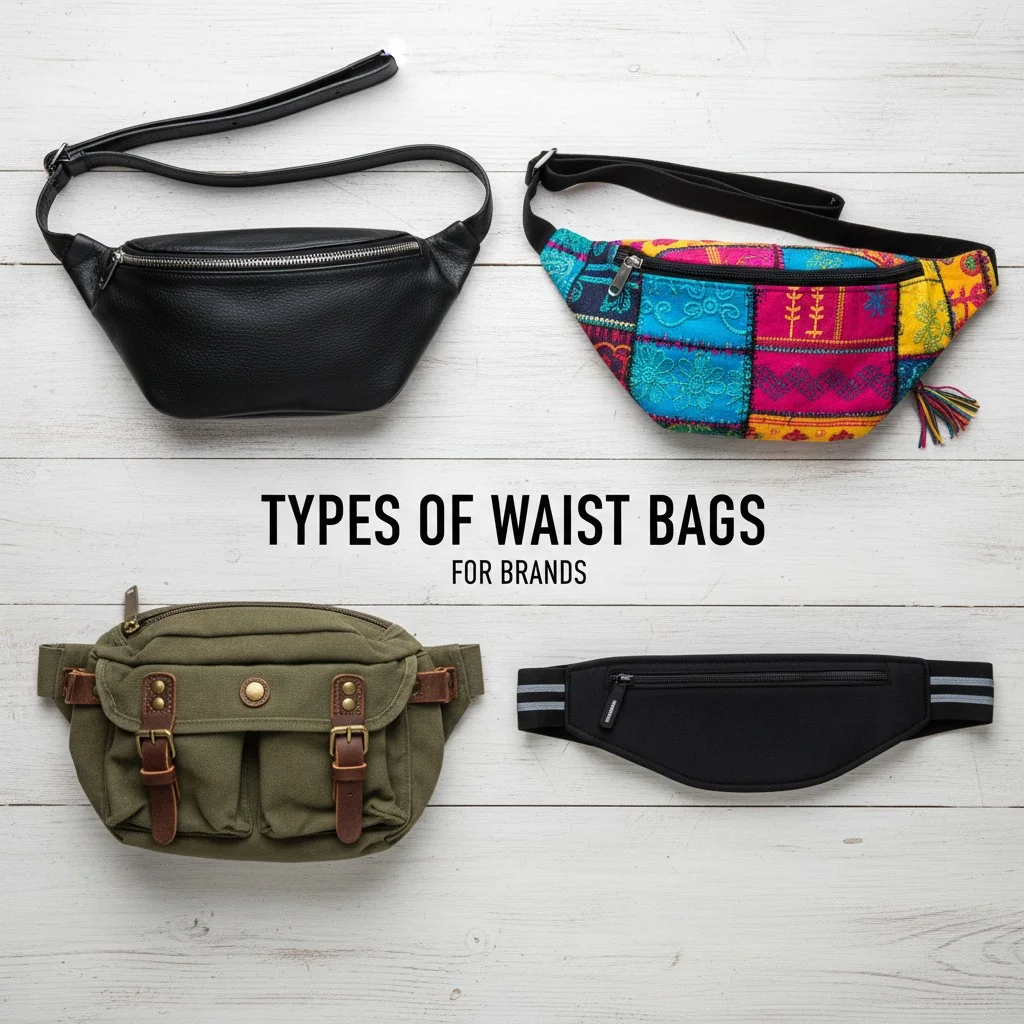
When I consult with brands, we often start by identifying which niche they want to serve. You can’t be everything to everyone. A brand targeting outdoor adventurers will need a very different bag than one targeting high-fashion consumers. The materials, hardware, and feature set for a "hip pack" are completely different from a "belt bag." Let’s break down the main categories I discuss with my clients.
1. The Sporty Hip Pack
Designed for action, these bags prioritize function. They are typically made from durable, lightweight, and often water-resistant materials6 like nylon or ripstop. Key features include multiple zippered compartments, breathable mesh backing, and sometimes even a water bottle holder. This is the go-to style for hikers, cyclists, and runners.
2. The Fashion Belt Bag
This category is all about style. The "belt bag" is the fashion world’s answer to the fanny pack. These are often made from premium materials like genuine or vegan leather, suede, or jacquard fabric. The focus is on aesthetics—sleek silhouettes, high-quality hardware (like polished metal buckles), and brand logos. They are smaller and designed to complement an outfit rather than carry a lot of gear.
3. The Everyday Fanny Pack
This is the classic, versatile option. It balances style and function, making it perfect for daily errands, concerts, or casual outings. Materials are usually durable like canvas, corduroy, or polyester. They have enough room for a phone, wallet, and keys, offering convenience without the bulk of a purse or backpack.
[claim claim=”Leather is the best material for all types of waist bags.” istrue=”false” explanation=”While leather is great for fashion-focused belt bags, it’s heavy, not water-resistant, and requires maintenance, making it unsuitable for sporty or outdoor hip packs where nylon or polyester are superior.”]
[claim claim=”The global fanny pack market size was valued at over USD 100 million in 2020 and is expected to grow.” istrue=”true” explanation=”Market research reports indicate a steady growth for the waist bag market, driven by trends in travel, outdoor activities, and athleisure fashion.”]
Who is the Ideal Customer for a Waist Bag?
You need to know exactly who you’re selling to. A one-size-fits-all marketing approach rarely connects with customers. Let’s identify the key groups of people who love and use waist bags.
Waist bags are for almost everyone. Travelers and festival-goers love them for hands-free security. fashion-forward7 individuals use them as statement pieces. Athletes, parents, and busy commuters also find them incredibly practical for daily life.

I always tell my clients, "Don’t just sell a bag; solve a problem for a specific person." When you can picture your ideal customer, you can design a product they will actually buy. For example, I worked with a brand that wanted to create a waist bag for new moms. We designed it with an easy-to-clean lining and a dedicated pocket for wipes. It was a huge success because it met a specific need. Let’s look at a few key customer profiles.
The Traveler
For travelers, security and accessibility are everything. A waist bag, worn across the chest or tightly on the waist, keeps passports, cash, and phones safe from pickpockets while leaving hands free for luggage or a camera.
The Fashion Enthusiast
This customer sees the waist bag (or "belt bag") as an accessory that completes their look. They are drawn to unique materials, brand names, and trendy shapes. They might wear it to cinch a dress or over a blazer.

The Outdoor Adventurer
This user needs performance. They look for durability, water resistance, and smart storage. Their "hip pack" must be comfortable for long periods and hold essentials like snacks, a small first-aid kit, and a phone securely during activities like hiking or biking.
The Busy Parent
Parents need to be hands-free. A waist bag allows them to carry their own essentials plus a few for the kids (like snacks or wipes) while still being able to hold a child’s hand or push a stroller.
[claim claim=”Waist bags are only popular with younger generations like Gen Z.” istrue=”false” explanation=”While popular with Gen Z, waist bags are also widely used by Millennials for fashion and travel, Gen X for practicality and nostalgia, and even Baby Boomers for travel and activities like gardening.”]
[claim claim=”The trend of wearing a waist bag slung across the chest is known as the ‘cross-body’ or ‘sling’ style.” istrue=”true” explanation=”This way of wearing the bag became popular in streetwear and fashion as it offers both security and easy access while being a style statement.”]
What Makes Waist Bags a Must-Have for Travel and the Outdoors?
Travelers and adventurers are always looking for practical gear. A bulky backpack can be insecure and get in the way. Discover why the compact waist bag is often the better solution.
Waist bags are perfect for travel and outdoor activities because they provide secure, hands-free convenience. They allow quick access to essentials like your phone, passport, and keys without you having to stop and remove a large bag.

I’ve traveled extensively for work, visiting factories and meeting clients, and a waist bag is my non-negotiable travel companion. In a crowded market or a busy airport, I don’t want to worry about a backpack on my back. I need my passport, phone, and wallet secure and right where I can see them. This personal experience is something I share with brands who are developing travel-focused lines. The benefits are clear and simple.
1. Unmatched Security
This is the biggest advantage. When worn on the front of your body or across your chest, a waist bag keeps your most valuable items in your line of sight and physically close to you. This drastically reduces the risk of theft, giving you peace of mind in crowded tourist spots.
2. Effortless Accessibility
There’s no need to stop, swing a backpack to the ground, and rummage through it just to grab your phone for a photo or pull out your ticket. With a waist bag, your essentials are organized and available with a simple zip.
3. Superior Comfort and Freedom
A waist bag distributes a small amount of weight around your core, which is much more ergonomic than hanging a heavy purse off one shoulder. It leaves your hands and arms completely free, whether you’re navigating a trail, taking photos, or holding onto public transport. It also reduces the "sweaty back" syndrome that comes with wearing a backpack in warm climates.
[claim claim=”A waist bag can hold as much as a standard backpack.” istrue=”false” explanation=”Waist bags are designed for carrying only essentials and typically have a capacity of 1-5 liters, whereas daypacks start around 15-20 liters.”]
[claim claim=”Many modern travel waist bags include RFID-blocking technology.” istrue=”true” explanation=”To protect against electronic theft, many manufacturers incorporate RFID-blocking material into the lining of their waist bags to safeguard credit cards and passports.”]
Should Your Waist Bag Designs Differ for Men and Women?
You’re designing a new line of waist bags and face a common question: create separate styles for men and women, or go unisex? Let’s look at the market trends and design considerations.
While many waist bags are unisex, some differences can appeal to specific genders. Men’s styles often have larger capacities, neutral colors, and rugged materials. Women’s designs may be smaller, use fashion-forward materials, and feature more decorative details.

This is a topic that comes up often. A few years ago, the lines were very clear. I had clients requesting "masculine" designs with lots of webbing and "feminine" ones with delicate chains. Today, the market has shifted dramatically. While there’s still a place for gender-specific designs, the real opportunity is in unisex styles that focus on aesthetic and function rather than gender.
The Case for Unisex Design
The most successful modern waist bags are often unisex. The focus has shifted to the bag’s style category:
- Minimalist: Clean lines, neutral colors (black, grey, navy), and simple branding appeal to everyone.
- Streetwear: Bold logos, bright colors, and unique materials are worn by all genders.
- Outdoor/Functional: A rugged hip pack in olive green or coyote brown is judged on its performance, not who it’s for.
By designing for an aesthetic instead of a gender, you broaden your potential customer base significantly.
When to Consider Gender-Specific Designs
There are still times when gendered design makes sense.
- Sizing: A very petite woman might find a standard "men’s" bag too bulky, and a larger man might find a small "fashion" belt bag impractical. Offering different sizes is always a good idea.
- High Fashion: In the luxury market, "belt bags" are often designed to complement specific men’s or women’s ready-to-wear collections, with more distinct styling.
My advice to most brands? Start with a strong unisex core collection and then consider adding variations in size or material if your customer data shows a demand for it.
[claim claim=”Men do not wear waist bags.” istrue=”false” explanation=”The men’s bag market is growing rapidly. Waist bags, often called sling bags or hip packs, are extremely popular among men for their practicality and style, especially in streetwear and outdoor fashion.”]
[claim claim=”Unisex products can have higher profit margins for a new brand.” istrue=”true” explanation=”Developing a single unisex product line reduces design, manufacturing, and inventory costs compared to creating separate men’s and women’s lines, allowing for better economies of scale.”]
Why Are Younger Shoppers Saying ‘Belt Bag’ Instead of ‘Fanny Pack’?
You want your brand to connect with younger, trend-conscious shoppers. Using an outdated term like "fanny pack" can make your brand seem out of touch. Here’s why the language is shifting.
Younger consumers prefer "belt bag" and "waist pack" because these names escape the dated, touristy image of the ’80s "fanny pack." The new terms sound more modern, stylish, and align with high-fashion and streetwear trends.
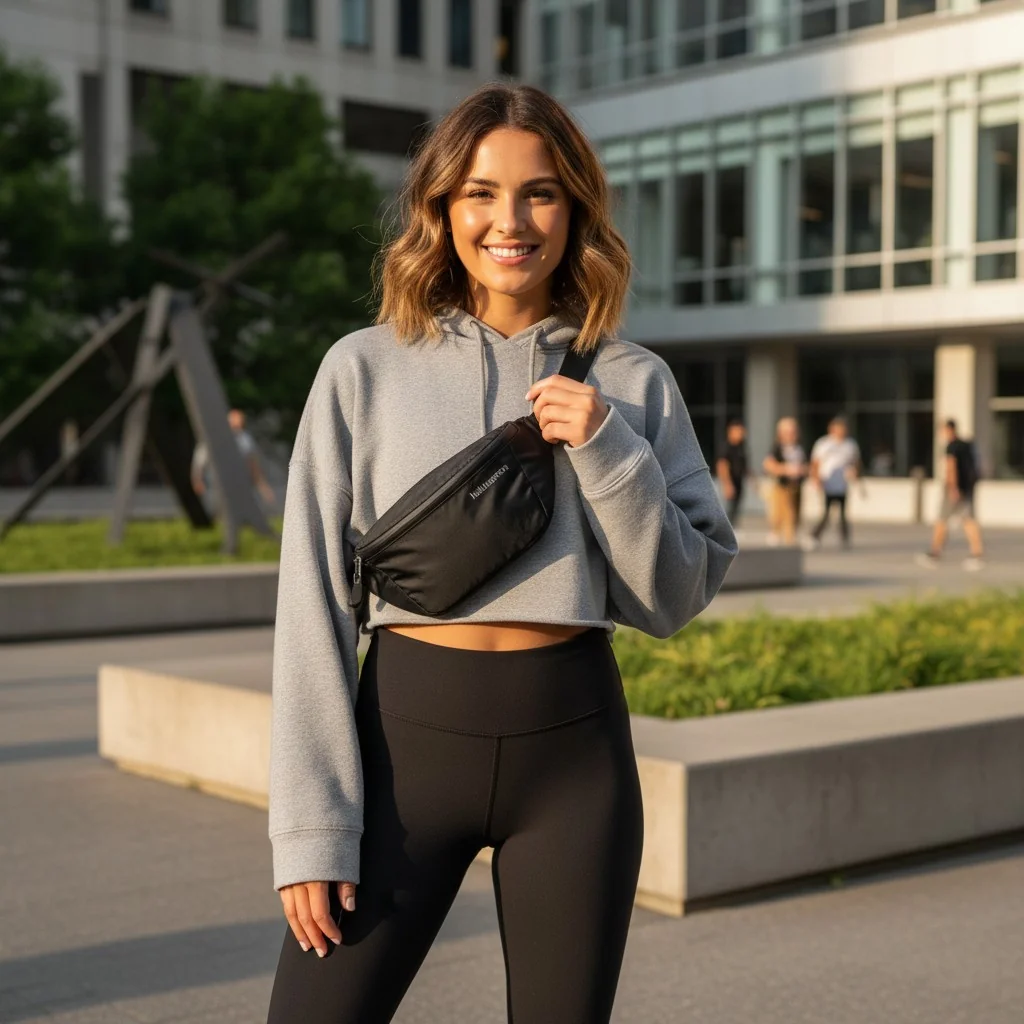
Language is powerful in branding. I saw this happen in real-time. For years, the "fanny pack" was a pop-culture joke. Then, luxury brands put them on the runway, but they didn’t call them fanny packs. They called them "belt bags." Streetwear brands called them "sling packs." This was a deliberate rebranding to make an old product feel new and desirable again. For a brand owner like Emily, understanding this shift is key to marketing.
The "Fanny Pack" Stigma
For many Millennials and Gen Z, the term "fanny pack" brings to mind images of their parents on vacation in the 90s—think bright neon, bulky shapes, and a purely practical, unstylish function. It was the uniform of tourists and dads. While retro trends have brought it back ironically, the name itself still carries that baggage.
The Rise of the "Belt Bag"
"Belt bag" was the term adopted by the fashion industry. It sounds more elegant and intentional. It positions the bag as an accessory, like a belt, meant to be integrated into an outfit. When brands like Gucci and Prada sell a $1,500 version, they call it a belt bag. This aspirational language trickles down to the mass market.

"Waist Pack" and "Hip Pack" as Neutral Ground
"Waist pack" and "hip pack" are functional, neutral alternatives. They describe what the product is and where it’s worn without the negative or high-fashion connotations. Brands in the outdoor and athleisure space, like Patagonia or Lululemon (with its iconic "Everywhere Belt Bag"), use these terms to sound modern and performance-oriented.
[claim claim=”Lululemon’s ‘Everywhere Belt Bag’ is one of the most popular products in the world.” istrue=”true” explanation=”The Lululemon Everywhere Belt Bag went viral on social media platforms like TikTok, consistently selling out and becoming a massive commercial success that solidified the ‘belt bag’ term in popular culture.”]
[claim claim=”The word ‘fanny’ has an offensive meaning in the UK and other countries.” istrue=”true” explanation=”In British, Australian, and other Commonwealth English, ‘fanny’ is a vulgar slang term for female genitalia, which is why ‘bum bag’ is the preferred term in those regions.”]
How Can You Name Your Waist Bags to Maximize Sales and SEO?
You’ve designed the perfect bag. But if customers can’t find it online, it won’t sell. Let’s build a smart naming strategy that uses the right keywords to boost your visibility and sales.
To maximize visibility, use a modern primary name like "Belt Bag" or "Waist Pack" in your product title. Then, include synonyms like "fanny pack" and "crossbody" in your product descriptions, tags, and backend keywords for the widest SEO reach.
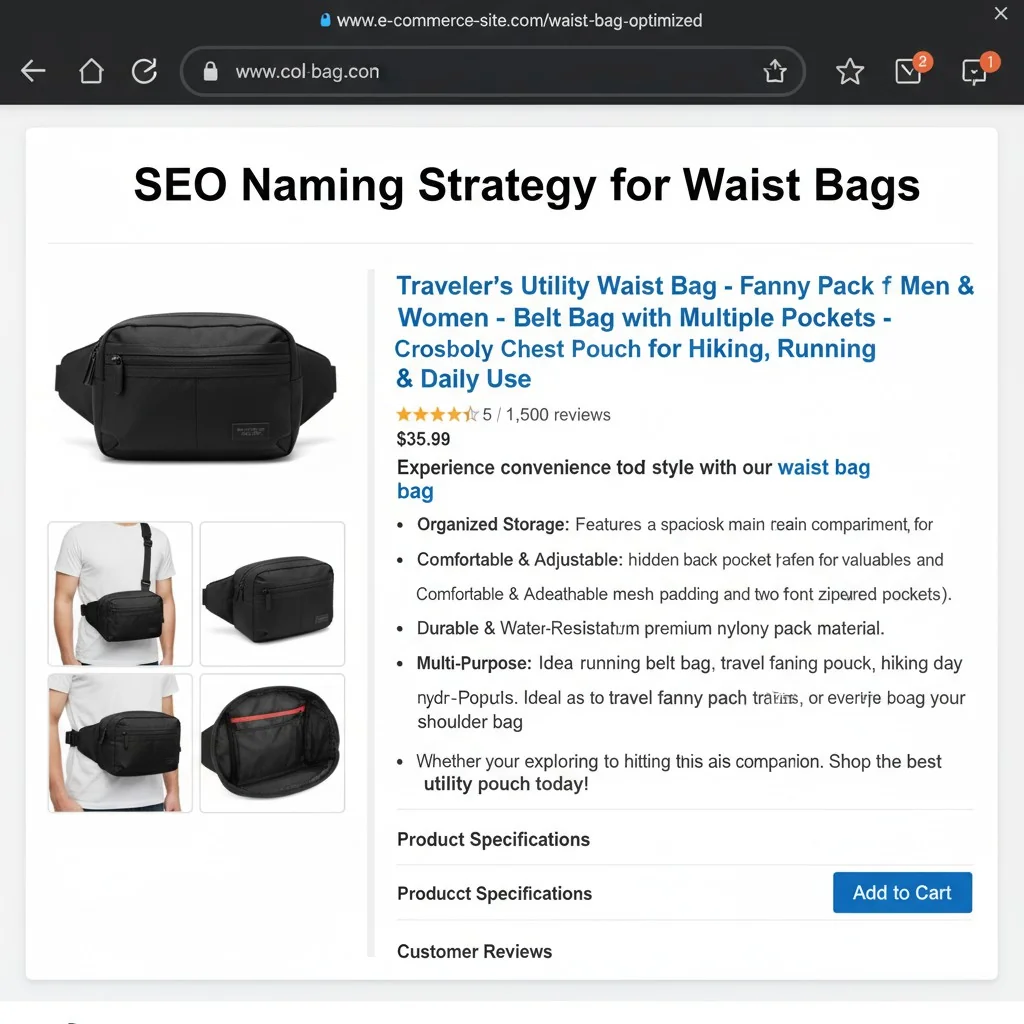
This is where we turn knowledge into profit. I tell all my clients that your product name is your most important piece of marketing copy. It has to appeal to your target customer and the search engine algorithms on Google, Amazon, or Shopify. You need to speak both human and computer. Here is the simple, three-step strategy I recommend.
1. Pick a Primary Name for Your Brand
First, choose the main term that best fits your brand’s identity.
- High Fashion/Boutique: Use Belt Bag. It sounds premium and stylish.
- Outdoor/Athletic: Use Waist Pack or Hip Pack. It sounds functional and durable.
- Casual/Everyday/Retro: Fanny Pack can work if you are intentionally leaning into a vintage or playful vibe.
Your primary name goes in the product title. Example: "The ‘City Stroll’ Belt Bag".
2. Use Synonyms for SEO
Your customer might be searching for "fanny pack for travel" even if you call it a "belt bag." You need to capture that traffic. Use the other names in your product description and keyword tags.
Here’s an example of how to structure it:
- Product Title: The Nomad Travel Waist Pack
- Product Description: "Stay organized on the go with the Nomad Travel Waist Pack. This versatile belt bag is the perfect fanny pack for any adventure. Wear it as a crossbody sling bag for extra security…"
3. Be Descriptive
Don’t just stop at the category name. Give your bag a unique product name ("The Nomad," "The City Stroll") and use descriptive adjectives. Think about what your customer is searching for: "Small Black Leather Belt Bag," "Waterproof Hiking Hip Pack." These longer phrases, or "long-tail keywords8," are less competitive and convert at a higher rate.
Keyword Research Data
| Keyword | Global Monthly Searches (2023) | Average CPC (USD) | Competition Level |
|---|---|---|---|
| fanny pack | 74,000 | 0.35 | Medium |
| waist bag | 50,000 | 0.42 | Medium-High |
| bum bag | 32,000 | 0.28 | Low |
| belt bag | 58,000 | 0.50 | High |
| hip pack | 22,000 | 0.30 | Low-Medium |
[claim claim=”Including keywords in your product title has no effect on search ranking.” istrue=”false” explanation=”Product titles are one of the most heavily weighted factors for search algorithms on e-commerce platforms like Amazon and search engines like Google. Including relevant keywords is critical for visibility.”]
[claim claim=”Using multiple synonyms for a product can confuse search engines.” istrue=”false” explanation=”Modern search engines are smart enough to understand synonyms (e.g., that ‘fanny pack’ and ‘belt bag’ are related). Using them helps you rank for a wider variety of search queries.”]
Conclusion
Choosing the right name for your waist bag is a critical business decision. By understanding the history, types, and modern terms, you can connect with your audience and optimize for success.
References
-
Understanding the definition and uses of waist bags can help you choose the right style for your needs. ↩
-
Exploring the evolution of the term ‘fanny pack’ reveals its cultural significance and modern alternatives. ↩
-
Understanding the term ‘bum bag’ can help you navigate regional differences in bag terminology. ↩
-
Discover the unique features of belt bags that make them a fashionable choice for modern consumers. ↩
-
Learn how hip packs enhance convenience and comfort during outdoor adventures. ↩
-
Discover the best materials for waist bags that offer durability and protection against the elements. ↩
-
Explore tips on how to incorporate waist bags into trendy outfits for a chic look. ↩
-
Learn how using long-tail keywords can enhance your product visibility and attract targeted customers. ↩