When you search for “What is a hiking backpack?” you’re likely looking for more than just a definition. You probably want to understand the key differences between a hiking backpack and regular backpacks, how to pick the best one for your needs, and why it’s essential for outdoor activities like hiking, trekking, or camping.
In this blog, I’m here to help solve those questions. I’ll explain what a hiking backpack is, guide you on how to choose the right one for your adventure, and highlight why a good hiking pack can make all the difference in your outdoor experience.
Let’s dive into what makes a hiking backpack stand out and why it’s so crucial for your comfort and performance on the trails.
What is a Hiking Backpack?

A hiking backpack is specifically designed to support outdoor activities such as day trips,hiking, trekking, and camping. Unlike regular backpacks, which may prioritize style or casual use, hiking backpacks focus on functionality, comfort, and durability.
Typically,Hiking backpacks range from 20 to 80 liters, depending on the type of hike you are planning.These backpacks focus on carrying the essentials, like water, snacks, a rain jacket, and other lightweight gear.
A hiking backpack isn’t just a simple sack—it’s a carefully designed piece of gear that improves comfort, load distribution, and accessibility while you’re out on the trail. Whether you’re tackling a local nature walk or a more challenging mountain hike, the right hiking backpack can make your experience more enjoyable by keeping everything you need organized and easily accessible.
What Are the Key Design Features of Hiking Backpacks?
Choosing the right hiking backpack can be overwhelming due to the variety of features available. You may struggle to identify which ones will best suit your needs. The design features of your backpack play a significant role in ensuring comfort, ease, and convenience on the trail. Whether you’re an experienced hiker or a beginner, understanding these features is crucial for a more enjoyable outdoor experience.
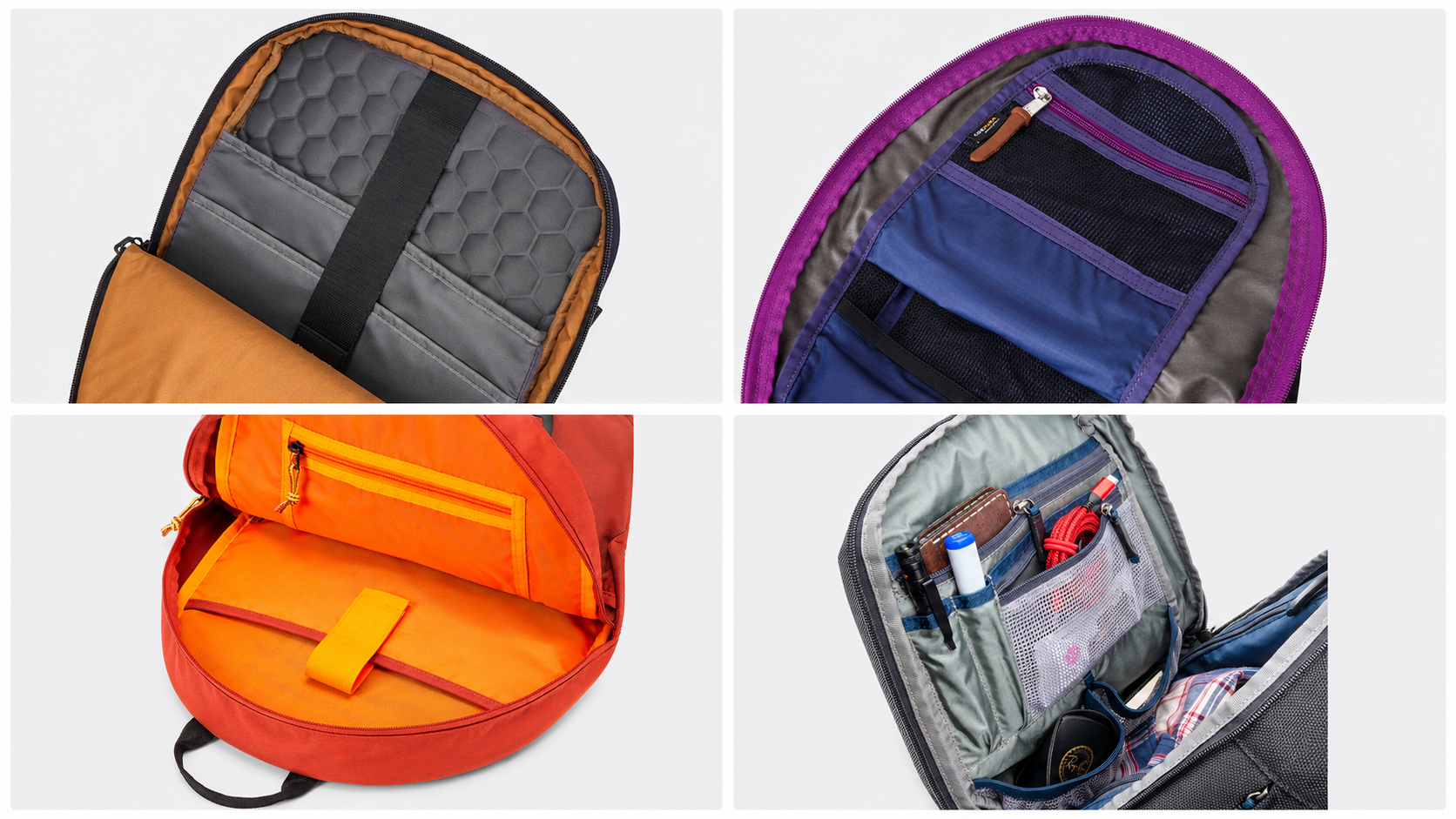
Hiking backpacks come with essential design features that enhance comfort, storage, and convenience. Key features include front mesh pockets, ergonomic shoulder straps, hipbelts, hydration systems, and durable waterproofing. Each of these elements ensures better weight distribution, quick access to gear, and overall ease of use during your hike.
Understanding how these features work together will help you make an informed decision on the best hiking backpack for your next adventure. Ready to learn more about each key design feature? Let’s dive in!
Waterproofing
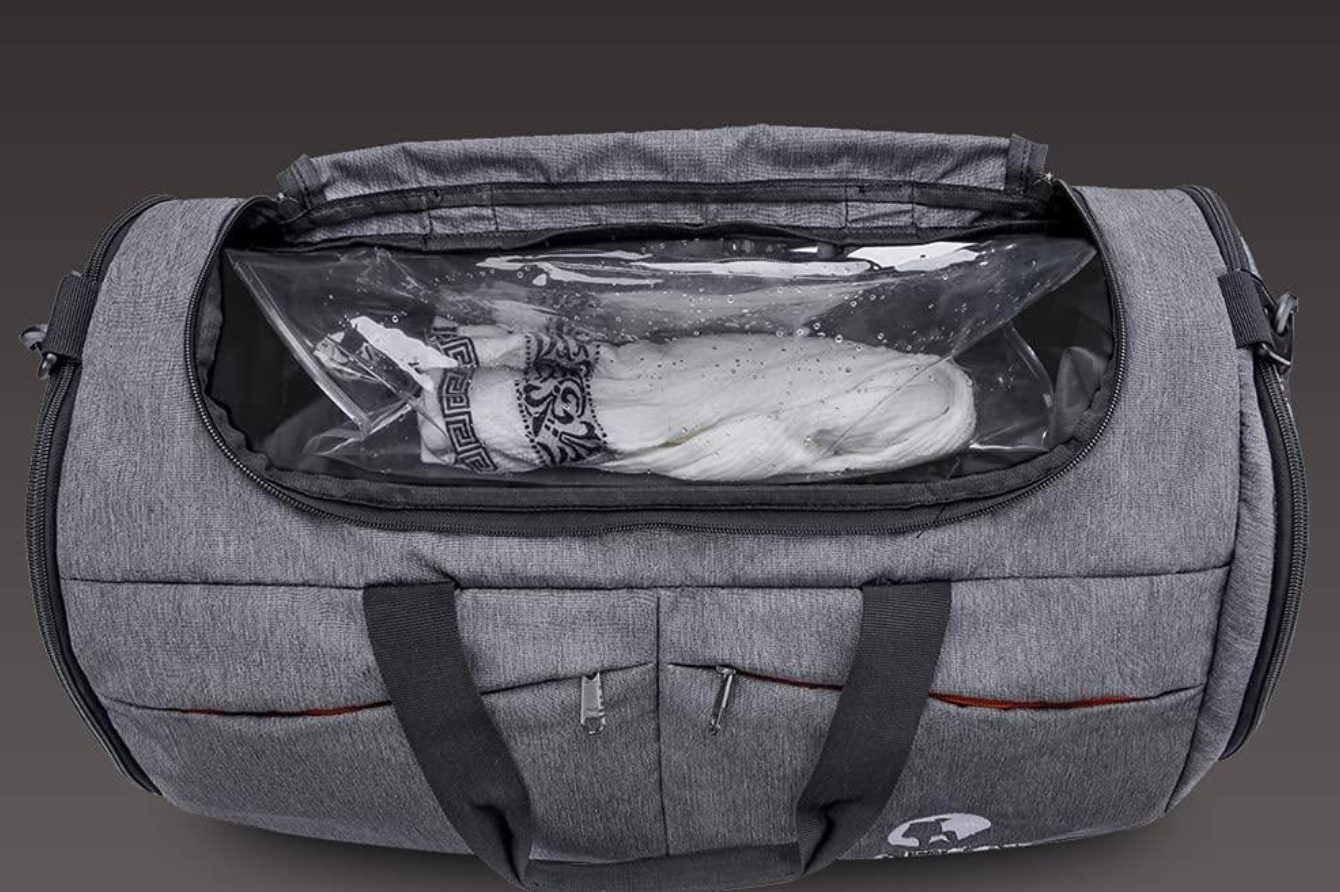
Although no backpack is fully waterproof, many hiking backpacks are designed with water-resistant materials. However, to ensure the protection of sensitive items like electronics or clothing, it’s advisable to use waterproof stuff sacks or plastic bags inside your pack.
Front Mesh or Stretch Pocket

A large front mesh or stretch pocket is a valuable feature for storing items that you need quick access to, such as a rain jacket, snacks, or a water purifier. It’s also perfect for airing out wet gear, preventing moisture buildup inside your pack.
Main Compartment Design
The main compartment is where most of your gear will be stored, and a simple top-loading design works best for ease of access and efficient packing. This allows you to place larger items like a tent or sleeping bag at the bottom, while keeping the weight distribution balanced. Avoid excessive compartments and zippers, as they can add unnecessary weight and complexity.
Reflective Elements
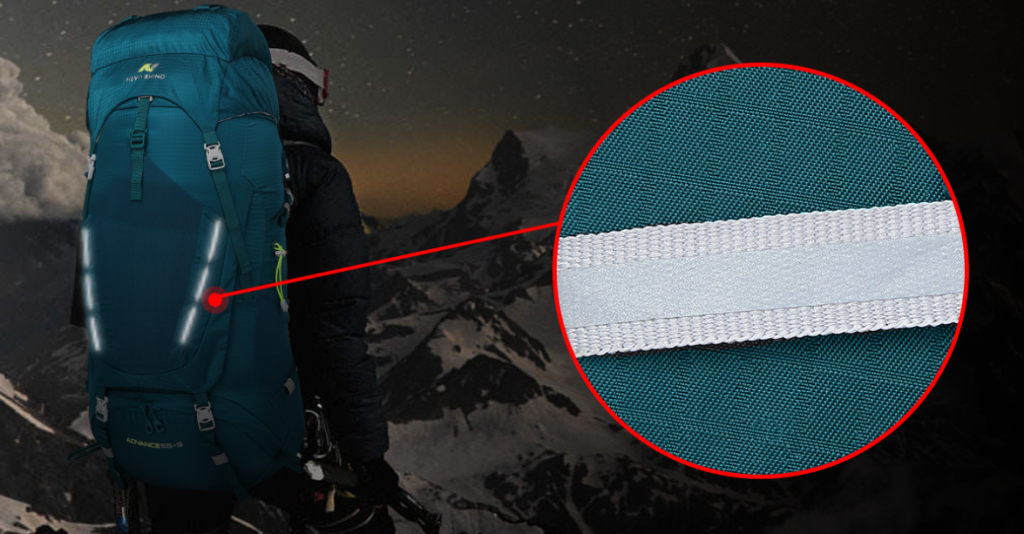
For safety, especially on trails with limited visibility, reflective patches or strips can help make you more visible to others. This is an important feature if you’re hiking in low-light conditions, such as during early mornings, late evenings, or in areas with a lot of traffic.
Hipbelt
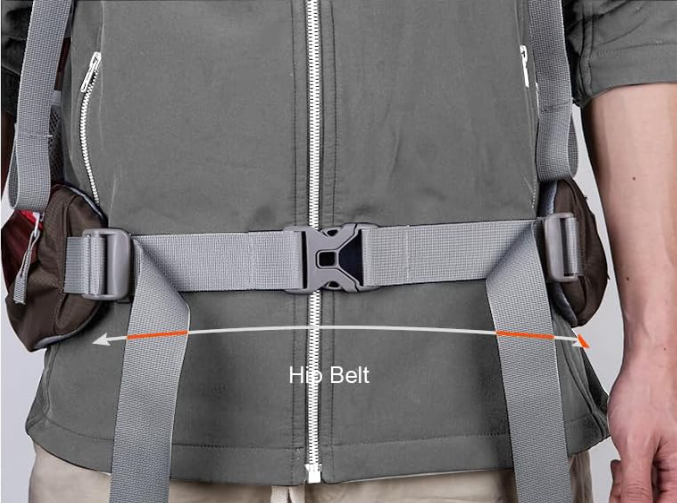
A well-designed hipbelt is essential for comfort during long hikes. It transfers much of the pack’s weight to your hips, reducing strain on your shoulders. A good hipbelt should stay in place and provide ample padding to ensure comfort during long trips. It should also be adjustable to fit your body size.
Shoulder Straps
The shoulder straps carry a significant portion of the pack’s weight, so they need to be padded and positioned well to avoid pressure points or chafing. A proper fit ensures the weight is evenly distributed across your shoulders, which enhances comfort over long distances.
Hipbelt Pockets

Hipbelt pockets are a great addition for storing small, frequently accessed items like snacks, sunscreen, or a phone. These pockets allow you to keep essential items within reach without having to take off your pack.
Shoulder Pouches
Shoulder pouches, often attached to the straps, are useful for easy access to small items like a camera or phone while on the move. While not always included, they are a convenient addition if you want quick access to your gear without taking off your pack.
Water Bottle Holsters

Having easy access to water is crucial while hiking, so a good water bottle holster is an important feature. Holsters should allow you to grab your water bottle without removing your pack, making it easier to stay hydrated on the trail.
Ventilation System

A good ventilation system, such as a mesh back panel or air channels, helps improve airflow between your back and the backpack. This feature reduces sweat buildup and discomfort, especially on long hikes in warm weather. It can make a huge difference in maintaining comfort and keeping you cool.
Rain Covers

While many hiking backpacks are made from water-resistant materials, adding a rain cover is a good precaution to protect your gear in case of heavy rain. These covers are usually lightweight and can be stored in a small pocket when not in use.
Hydration Ports

If you prefer using a hydration bladder, look for a backpack with a hydration port and sleeve. This feature allows you to easily carry and access water without having to stop and remove your pack.
Sternum Strap

A sternum strap connects the shoulder straps across your chest, helping to stabilize the pack and provide extra security. It’s especially helpful during rough terrain or when carrying heavier loads, as it helps reduce shoulder fatigue.
Load Lifter Straps
Load lifter straps are useful for adjusting the top of the backpack and transferring some of the load off your shoulders and onto the chest. While not necessary for lighter loads, they can be a valuable feature if you’re carrying heavier gear.
Trekking Pole and Ice Axe Loops
If you plan to carry trekking poles or ice axes, look for a backpack that includes loops for these items. They allow you to securely attach your poles or tools to the outside of the pack when not in use, keeping your hands free.
Sleeping Bag Compartment
Some hiking backpacks feature a dedicated compartment at the bottom for your sleeping bag. This not only helps with organization but also allows you to keep bulky items separate from your other gear, making it easier to access everything you need during your hike.
Emergency Whistle

Incorporating a built-in emergency whistle on the sternum strap or elsewhere on the backpack is a small but potentially life-saving feature. If you get lost or need to signal for help, a whistle can make a big difference.
Adjustable Harness

An adjustable harness allows for a customizable fit, especially for those with different torso lengths. This feature ensures that the backpack can be tailored to fit a wide range of body types, improving both comfort and efficiency.
External Attachment Points

Additional loops or attachment points on the outside of the backpack provide versatility for carrying extra gear like trekking poles, an ice axe, or even a tent. These external points allow you to balance your gear and make the most of your backpack’s available space.
These design features, when combined effectively, can drastically improve your hiking experience by enhancing comfort, accessibility, and organization during your outdoor adventures.
What Are the Different Types of Hiking Backpacks?

Hiking backpacks come in various types, each designed to cater to specific needs and activities. Understanding these differences can help you choose the right backpack for your outdoor adventures.
The different types of hiking backpacks include daypacks, ultra-light daypacks, overnight backpacks, trekking backpacks, mid-range backpacks, multi-day backpacks, and hydration packs, each with a distinct capacity and purpose.
Here’s a breakdown:
Daypacks (10-30 liters)
Daypacks are compact and lightweight, perfect for short, single-day hikes. With a capacity of 10 to 30 liters, they allow you to carry essential items like water, snacks, a jacket, and a small first aid kit. These backpacks are designed for minimal gear and maximum comfort, ensuring that you don’t feel weighed down on a short hike.
Ultra-Light Daypacks
For those looking to cut weight even further, ultra-light daypacks are a great choice. These packs usually have a smaller capacity (around 10-20 liters) and are constructed with lighter materials to reduce overall weight. Ideal for minimalist hikers or those with limited gear, ultra-light daypacks are perfect for quick excursions.
Overnight Backpacks (30-50 liters)
If you’re planning a one or two-night camping trip, overnight backpacks are ideal. These medium-sized backpacks offer enough space (30 to 50 liters) for your sleeping bag, tent, extra clothing, and food. They provide a balance of capacity and comfort, making them suitable for short camping excursions where you’re carrying more than just a day’s worth of gear.
Mid-Range Backpacks (40-60 liters)
Mid-range backpacks strike a balance between lightweight daypacks and large multi-day trekking packs. With capacities ranging from 40 to 60 liters, they offer enough space for additional gear, making them great for weekend trips, longer hikes, or lightweight multi-day treks. These backpacks typically offer more features like extra compartments, better load distribution, and additional straps for managing heavier loads. They’re perfect for hikers who need more room but don’t want to carry the weight of a larger pack.
Trekking Backpacks (50+ liters)
Larger than mid-range backpacks, trekking backpacks are designed for longer, more demanding trips. These packs have a capacity of 50 liters or more and are built to carry heavy loads. They’re perfect for multi-day treks, providing ample space for all your gear, including a sleeping bag, cooking equipment, extra clothing, and food for extended wilderness stays. Trekking backpacks also often include features for better load management, such as adjustable frames and ventilation systems.
Multi-Day Backpacks (60+ liters)
Multi-day backpacks are the largest option available and are designed for extended trips in the wilderness. With capacities starting from 60 liters, these backpacks are built to carry everything you need for several days or weeks in the backcountry. They are equipped with advanced features for load management, stability, and comfort over long distances, and they offer ample space for your gear, including tents, cooking equipment, and provisions for multiple days.
Each type of hiking backpack serves a unique purpose based on the duration of your trip and the specific activities you plan to undertake. By understanding these options, you can select a backpack that best meets your needs on the trail.
Here’s a table summarizing the weight, capacity, and maximum load for different types of hiking backpacks with the weights presented in kilograms only:
| Type of Backpack | Capacity (Liters) | Weight (Kilograms) | Max Load (Kilograms) |
|---|---|---|---|
| Daypack | 10 – 30 | 0.3 – 0.6 | Up to 5 – 10 |
| Ultra-Light Daypack | 15 – 25 | 0.2 – 0.5 | Up to 5 |
| Overnight Backpack | 30 – 50 | 1.0 – 1.5 | Up to 15 – 20 |
| Mid-Range Backpack | 40 – 70 | 1.5 – 2.5 | Up to 20 – 25 |
| Trekking Backpack | 50 – 100 | 2.5 – 4.5 | Up to 25 – 30 |
| Multi-Day Backpack | 60 – 120 | 2.0 – 4.0 | Up to 30 – 40 |
Notes:
- Capacity: Indicates the volume the backpack can hold, measured in liters.
- Weight: Refers to the weight of the backpack itself.
- Max Load: Represents the maximum recommended weight that can be comfortably carried in the backpack, ensuring safety and comfort during hikes.
How to Choose a Hiking Backpack?

When choosing a hiking backpack, consider factors such as capacity, comfort, fit, weight, features, and intended use. Here’s a breakdown of what to focus on:
Consider the Length of Your Hike
The first step in selecting a backpack is to determine how long your hike will be. For day hikes, a pack with a capacity of 10 to 25 liters is generally sufficient. This size allows for carrying essentials like water, snacks, and a light jacket. If you’re planning an overnight trip, look for a medium-sized backpack ranging from 30 to 50 liters, which can accommodate additional gear such as a sleeping bag and cooking equipment. For multi-day treks, opt for larger packs with capacities of 50 liters or more to ensure you have enough space for all your necessities.
Assess Your Gear and Load
Before purchasing a backpack, consider the type and amount of gear you typically carry. If you tend to pack heavier items or have specialized equipment, you may need a sturdier pack with robust frame and supportive features. It’s advisable to weigh your gear beforehand and choose a backpack that can comfortably hold it while maintaining balance.
Fit and Comfort

A proper fit is crucial for comfort during your hike. Backpacks come in various sizes to accommodate different torso lengths, so it’s important to try on several options to find the best fit for your body shape. Look for adjustable shoulder straps, hip belts, and chest straps that allow you to customize the fit. A well-fitted backpack should feel secure without being overly tight or restrictive.
Weight
The weight of the backpack itself is an important consideration. Lighter packs can help reduce overall load, especially on long hikes where every ounce counts. However, be mindful that ultra-light options may compromise on features or durability. Balance is key; choose a pack that is lightweight yet sturdy enough to carry your gear comfortably.
Frame Type
There are two main types of frames: internal and external. Internal frame packs are more common today and provide better weight distribution and stability, making them ideal for hiking on varied terrain. External frame packs may offer more storage options but are less popular among modern hikers due to their bulkiness.

Material and Weather Resistance
Consider the materials used in the construction of the backpack. Most hiking backpacks are made from durable fabrics like nylon or polyester, often treated with waterproof coatings to protect your gear from rain and moisture. Ensure that the pack you choose can withstand the conditions you expect to encounter on your hikes.

Essential Features
Look for specific features that enhance functionality based on your needs. These may include hydration reservoir compatibility for easy access to water, ventilation systems for breathability, compression straps for load stabilization, and multiple pockets for organization. Additionally, consider attachment points for gear like trekking poles or sleeping bags.
What is the Difference Between a Hiking Backpack and a Regular Backpack?
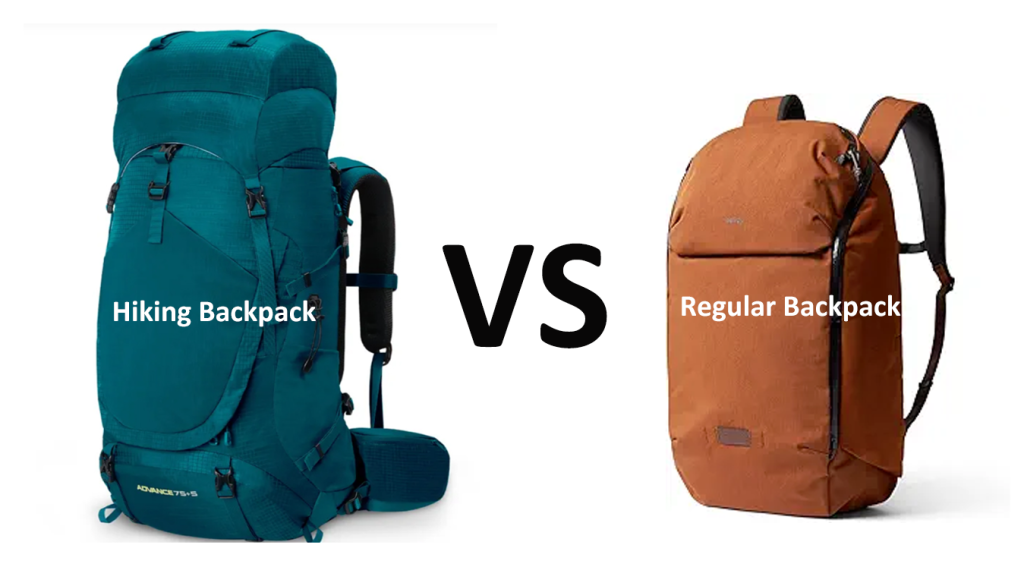
The main difference is that hiking backpacks are designed with specific features to support outdoor activities, offering better weight distribution, durability, and functionality for extended trips. Unlike regular backpacks, which are built for everyday use, hiking backpacks include specialized compartments, weather-resistant materials, and adjustable straps to ensure comfort and efficiency on the trail.
Before we dive in, let’s take a quick look at the table below:
The key differences between hiking backpacks and regular backpacks:
| Feature | Hiking Backpack | Regular Backpack |
|---|---|---|
| Weight Distribution | Adjustable hip belts for even weight distribution | Limited support, primarily shoulder straps |
| Stability Features | Sternum straps to prevent shifting | Rarely includes sternum straps |
| Organization and Pockets | Multiple specialized pockets (e.g., water bottle pockets, hip belt pockets) | Typically one large compartment with limited organization |
| Compression Straps | Yes, for load stabilization | Usually not included |
| Durability | Made from tougher, weather-resistant materials | Generally made from lighter materials, less durable |
| Weather Resistance | Often includes waterproof coatings | Limited weatherproofing |
| Specialized Features | Hydration reservoir sleeves, ventilation systems, gear attachment points | Minimal specialized features |
Weight Distribution
One of the most notable differences is how weight is distributed. Hiking backpacks are equipped with adjustable hip belts that help evenly distribute weight across your shoulders, hips, and back. This feature is essential for carrying heavier loads comfortably over long distances. In contrast, regular backpacks often lack this support, leading to discomfort during extended use.
Stability Features
Hiking backpacks typically include stability features such as sternum straps. These straps help keep the pack from shifting while navigating uneven terrain, providing added security during hikes. While some regular backpacks may have sternum straps, they are not as common or as robust as those found on hiking packs.
Organization and Pockets
When it comes to organization, hiking backpacks excel with multiple pockets and compartments designed for specific gear. They often feature mesh water bottle pockets, hip belt pockets for snacks or small items, and additional compartments for organizing gear efficiently. Regular backpacks usually have a large main compartment with limited organizational options, making it harder to access items quickly.
Compression Straps
Another key feature of hiking backpacks is the inclusion of compression straps. These straps help stabilize the load by adjusting the volume of the pack, preventing gear from shifting around inside and maintaining balance on the trail. Regular backpacks may not have this feature, which can lead to an unsteady load.
Durability and Weather Resistance
Hiking backpacks are designed with durability in mind, often made from tougher materials that can withstand harsh outdoor conditions. They frequently include weather-resistant coatings to protect against rain and moisture. Regular backpacks may not offer the same level of durability or weatherproofing, making them less suitable for outdoor adventures.
Specialized Features
Many hiking backpacks come with additional specialized features such as hydration reservoir sleeves for easy access to water while on the move, ventilation systems to reduce sweating, and reinforced areas for attaching gear like trekking poles. These features enhance functionality specifically for hiking scenarios, which regular backpacks typically lack.
While both hiking backpacks and regular backpacks serve the purpose of carrying items, hiking backpacks are specifically designed to provide comfort, stability, organization, and durability tailored for outdoor activities. If you plan to spend time on the trails, investing in a quality hiking backpack will significantly improve your experience and comfort level during your adventures.
Are There Specific Materials That Make Hiking Backpacks More Durable?

Durability is crucial when choosing a hiking backpack, as it needs to withstand the elements, rough terrains, and heavy loads. The right materials can significantly extend the life of your backpack and ensure it performs well throughout your outdoor adventures.
Yes, there are several materials specifically designed to enhance the durability of hiking backpacks. These materials are engineered to resist wear and tear, offer water resistance, and withstand the demands of harsh outdoor conditions.
Ripstop Nylon

Ripstop nylon is one of the most common materials used in hiking backpacks due to its exceptional durability and resistance to tearing. The fabric is woven in a pattern that prevents small tears from spreading, making it highly resistant to abrasion. Ripstop nylon is also lightweight and water-resistant, providing a good balance of durability and performance.
- Why it’s used: Ripstop nylon is often used in high-stress areas, such as the bottom and sides of hiking backpacks, where abrasion is most likely to occur. It ensures the pack can withstand rough handling and exposure to rugged trails.
Cordura® Fabric

Cordura® fabric is known for its exceptional abrasion resistance and high tensile strength, making it ideal for outdoor gear. It’s made from nylon or polyester fibers and is often treated to be water-resistant or even waterproof. Cordura is typically used in areas that require extra durability, such as the backpack’s base and bottom.
- Why it’s used: Cordura is designed to resist punctures, tears, and scuffs. Its high resilience makes it perfect for trekking backpacks that are exposed to heavy use over long periods.
Polyester
Polyester is another common material used in hiking backpacks. It’s known for its lightweight properties, resistance to stretching and shrinking, and quick-drying capabilities. While not as tough as ripstop nylon or Cordura, polyester is still a durable material, especially when treated with water-resistant coatings.
- Why it’s used: Polyester is often used in lighter backpacks or as an additional layer in conjunction with other more robust materials. It provides excellent versatility and moisture-wicking properties, making it suitable for shorter hikes or daypacks.
Dyneema®
Dyneema® (also known as Ultra High Molecular Weight Polyethylene, or UHMWPE) is one of the strongest and lightest fibers available. It’s tear-resistant, waterproof, and extremely durable. This material is typically used in high-performance backpacks, particularly those designed for ultra-light hiking or long-distance treks.
- Why it’s used: Dyneema is often used for the external fabric of premium backpacks, as its superior strength-to-weight ratio makes it ideal for minimizing pack weight while maintaining exceptional durability.
Waterproof Coatings (DWR & TPU Coatings)


Waterproof coatings such as DWR (Durable Water Repellent) and TPU (Thermoplastic Polyurethane) are often applied to backpack fabrics to enhance their resistance to water and harsh weather conditions.
- DWR (Durable Water Repellent): DWR is a water-repellent finish applied to fabrics, making them resistant to water penetration. It causes water to bead up and roll off the fabric’s surface, helping to protect the contents inside your pack. DWR coatings are typically applied to nylon and polyester fabrics, providing good water resistance during light rain or drizzle. However, DWR can wear off over time and may require reapplication.
- TPU (Thermoplastic Polyurethane): TPU is a more robust and long-lasting waterproof coating compared to DWR. It offers excellent waterproofing capabilities and is highly durable in extreme weather conditions. TPU coatings are commonly used in high-performance backpacks and are ideal for harsh weather and water exposure. Unlike DWR, TPU doesn’t wear off as easily and provides long-term water resistance.
- Why it’s used: These coatings help enhance water resistance, making backpacks more suited for wet conditions and improving durability against water damage.
PVC and TPU Panels
Some hiking backpacks also feature PVC (Polyvinyl Chloride) or TPU panels on the base or in high-wear areas. These materials are tough, flexible, and offer waterproof protection. PVC and TPU are more resistant to punctures and abrasions than traditional fabrics, making them a great choice for backpacks that will encounter rough terrain.
- Why it’s used: PVC and TPU panels are ideal for creating abrasion-resistant and waterproof areas of the pack, particularly in the base or along seams.
Leather Reinforcements
While not as commonly used in modern backpacks, leather reinforcements can add durability to areas of high stress, such as the bottom of the pack or along the straps. Leather is incredibly durable and can increase the lifespan of the backpack, although it tends to add weight and may not be as breathable as synthetic materials.
- Why it’s used: Leather reinforcements provide durability in areas that are subjected to frequent wear and tear.
Aluminum Frames

For added durability and support, many hiking backpacks include an aluminum frame. This frame provides extra stability, helps distribute the weight more evenly across the back, and reduces the risk of the pack sagging or losing its shape over time.
- Why it’s used: Aluminum frames are lightweight, strong, and corrosion-resistant. They add durability to the structure of the backpack, ensuring it performs well under heavy loads and strenuous hiking conditions.
FAQs
What size hiking backpack do I need?
The size of your hiking backpack depends on the length and type of your hike. For day hikes, a pack with a capacity of 10 to 30 liters is typically sufficient to carry essentials like water, snacks, and a light jacket. If you plan to camp overnight, look for a medium-sized backpack ranging from 30 to 50 liters, which can accommodate additional gear such as a sleeping bag and cooking equipment. For multi-day treks, opt for larger packs with capacities of 50 liters or more to ensure you have enough space for all your necessities.
How do I properly fit a hiking backpack?
A proper fit is crucial for comfort during your hike. Start by measuring your torso length from the bony protrusion at the base of your neck to the top of your hip bones. This measurement will help you choose a backpack that matches your torso size. Once you have the pack on, adjust the shoulder straps so they sit comfortably on your shoulders without digging in. The hip belt should rest on your hips, not your waist, to effectively transfer weight. Finally, load the pack with some weight and walk around to ensure it feels secure and balanced without shifting excessively.
What features should I look for in a hiking backpack?
When selecting a hiking backpack, consider essential features that enhance functionality. Look for an adjustable suspension system with padded shoulder straps and hip belts to ensure a customized fit. Multiple pockets allow for better organization of gear, with quick-access outer pockets being particularly useful for items you need on the trail. Hydration reservoir compatibility is also important for easy access to water while hiking. Additionally, ventilation systems can help reduce sweating, and compression straps are beneficial for stabilizing the load.
How do I clean and maintain my hiking backpack?
Proper care can extend the lifespan of your hiking backpack. After each hike, empty the pack and shake it out to remove dirt and debris. For light cleaning, use a damp cloth to wipe down the exterior. For more thorough cleaning, fill a bathtub with lukewarm water and mild soap, then gently scrub the pack by hand. Avoid machine washing or drying as it can damage the materials. After cleaning, hang your pack upside down in a dry place away from direct sunlight to prevent mold growth and UV damage.
Can I use a regular backpack for hiking?
While you can use a regular backpack for short hikes or casual outings, it may not provide the comfort or functionality needed for longer treks. Regular backpacks typically lack features such as proper weight distribution systems (like hip belts and sternum straps) that are essential for carrying heavier loads comfortably over long distances. They also often do not offer durability against weather elements or specialized compartments for gear organization that hiking backpacks provide.
What materials are best for hiking backpacks?
Hiking backpacks are often made from durable materials that withstand harsh conditions. Nylon is known for its strength and lightweight properties, making it ideal for outdoor use. Ripstop nylon adds extra tear resistance due to its reinforced grid pattern. Polyester offers good durability at an affordable price and is resistant to fading from UV exposure. Dyneema is an ultra-strong yet lightweight fabric favored by ultralight backpackers due to its exceptional strength-to-weight ratio. These materials enhance durability while ensuring that your gear remains protected during outdoor adventures.
Conclusion
Choosing the right hiking backpack is crucial for a comfortable and efficient outdoor adventure. Whether you’re going on a short day hike or a multi-day trek, selecting the right material, size, and features can make a big difference in your experience. By understanding the key design elements, types of backpacks, and materials available, you can make an informed decision that suits your needs.
Looking for the perfect hiking backpack? As an experienced OEM/ODM bag manufacturer, we at OSGOODWAY can help you design and create custom backpacks that meet your exact specifications. Visit us today and let’s bring your ideal hiking backpack to life!