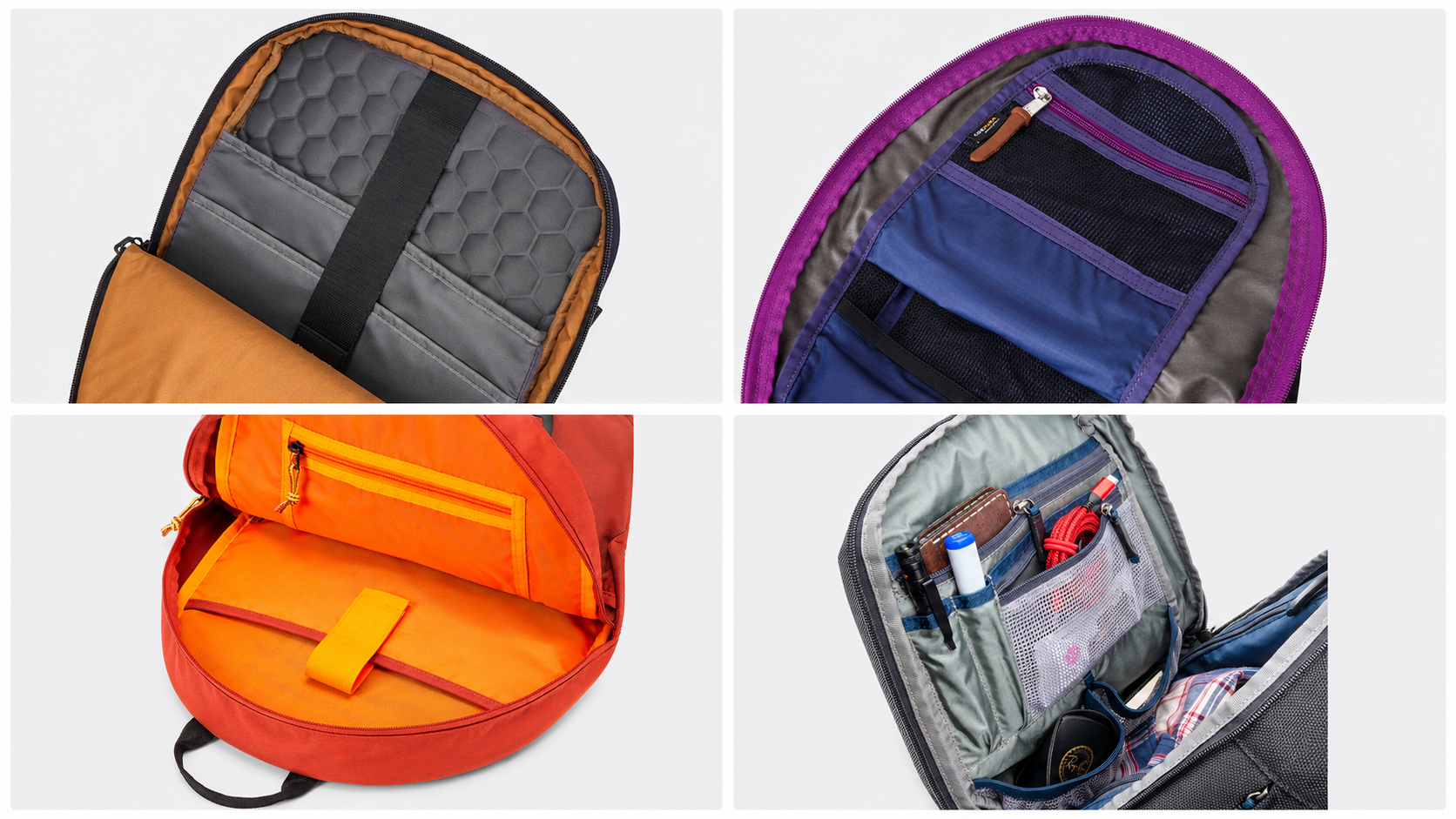
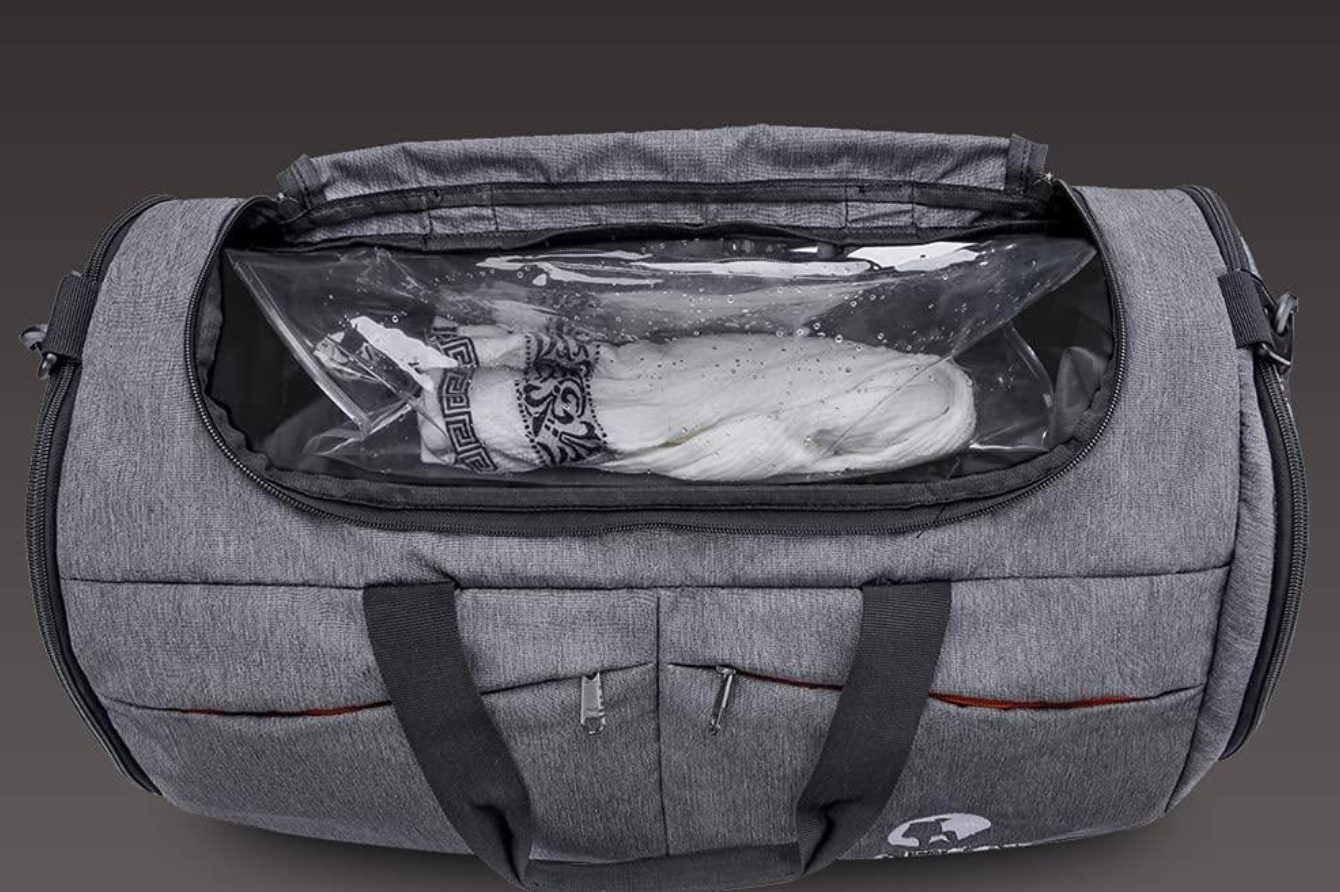
Struggling to find a product that feels both timeless and on-trend? quilted bags1 offer that perfect blend of luxury, comfort, and durability that customers consistently seek in a competitive market.
A quilted bag is a type of bag made from fabric that has been stitched through multiple layers, creating a distinct padded and textured pattern. This technique adds structure, durability, and a sophisticated visual appeal, making it a popular choice for everything from luxury handbags2 to practical totes.
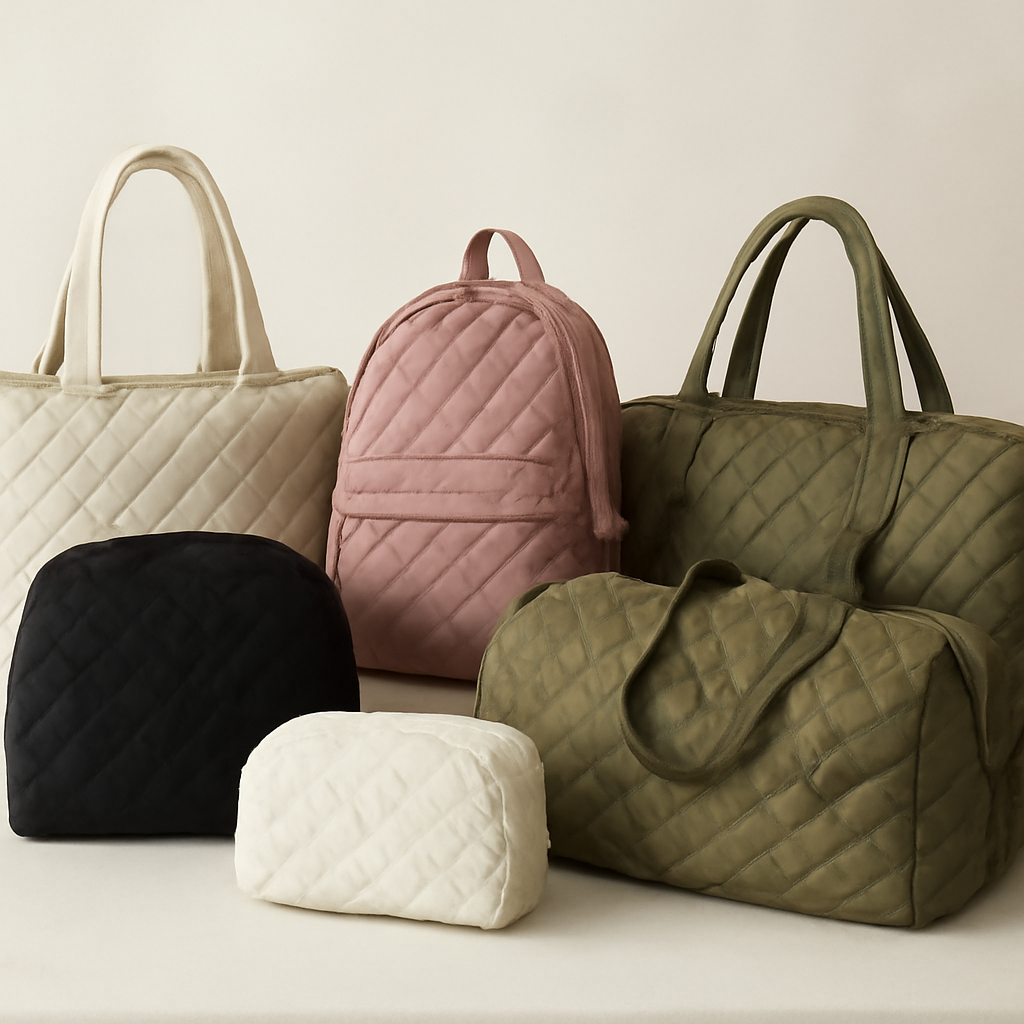
When I first started in the bag industry, I saw quilted bags as just one specific, classic style. But as I worked with designers and manufacturers, I realized how deep this category truly is.
The materials, the stitching patterns3, and the bag shapes all come together to create endless possibilities. For a brand owner like you, understanding these details is the key to unlocking a product line that stands out. Let’s explore what makes these bags a smart addition to any collection.
[claim claim=”The first quilted handbag was created by Coco Chanel in 1955.” istrue=”true” explanation=”The Chanel 2.55, introduced in February 1955, is widely credited as the first iconic quilted handbag for women, popularizing the style globally.”]
[claim claim=”All quilted bags are made from leather.” istrue=”false” explanation=”Quilted bags are made from a wide variety of materials, including nylon, polyester, cotton, velvet, and sustainable fabrics, not just leather.”]
What Exactly Is a Quilted Bag and How Is It Made?
You see quilted bags everywhere, but do you really know what makes them special? Understanding the manufacturing process4 is key to sourcing high-quality products and communicating their value to your customers.
A quilted bag is created by stitching together at least two layers of fabric with a layer of padding, known as batting, in between. This quilting process creates the signature textured, puffy look and adds structure.
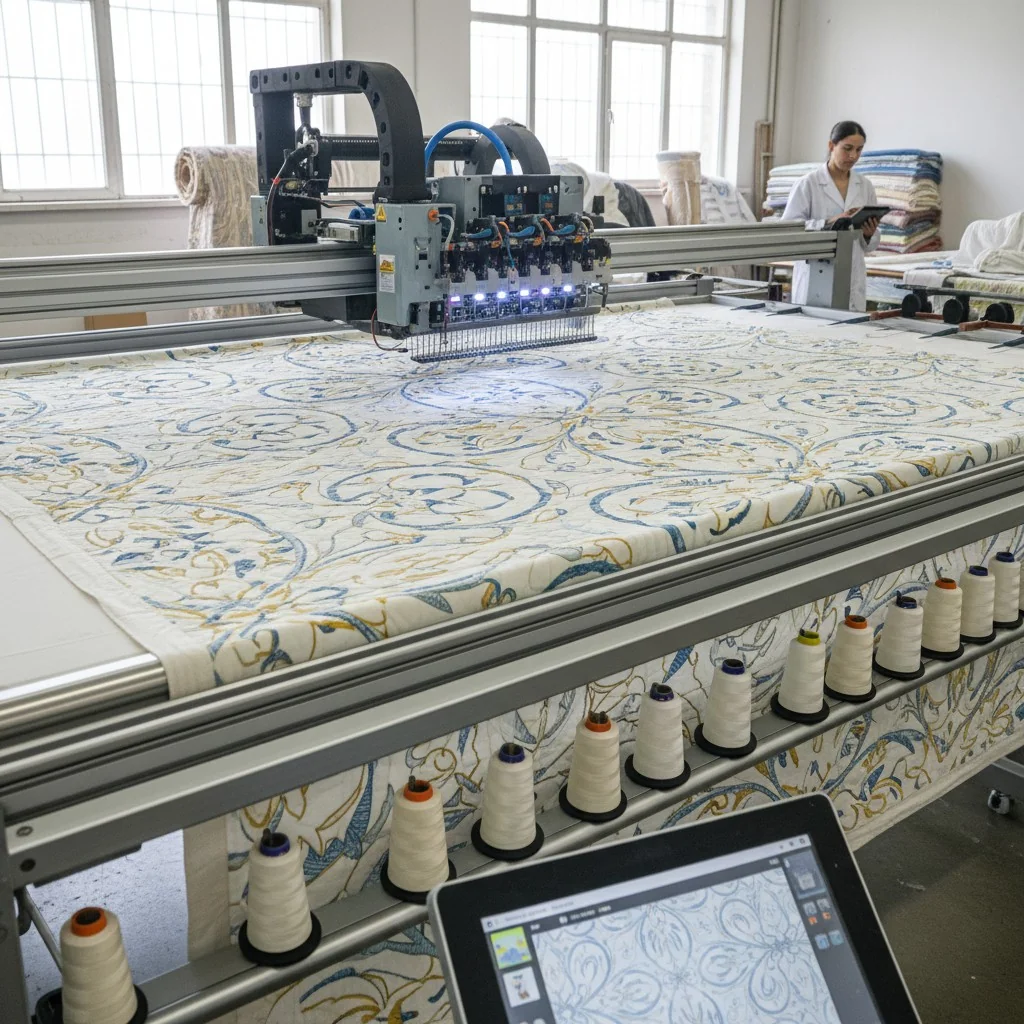
At its core, making a quilted bag is like making a sandwich. You have a top layer of fabric (the pretty part), a middle layer of batting for that cushioned feel, and a bottom layer of fabric for lining and support. The magic happens when these layers are stitched together.
In my experience working with factories, the precision of this step is what separates a cheap bag from a premium one. A well-made quilted bag has even, tight stitching that not only looks good but also holds everything securely in place for years.
The Modern Quilting Process
While traditional quilting was done by hand, today’s manufacturing relies on advanced technology. Computer-controlled quilting machines handle the stitching with incredible speed and precision.
This ensures that every bag has a consistent pattern and quality, which is crucial for brand owners who need uniformity across thousands of units. This technology allows for complex geometric or custom logo patterns that would be nearly impossible to replicate by hand at scale, giving brands a unique edge.
| Method | Pros | Cons |
|---|---|---|
| Manual Quilting | Unique, artisanal feel | Inconsistent, slow, expensive for mass production |
| Automated Quilting | Precise, fast, consistent, scalable | Lacks the "handmade" touch, high initial investment |
[claim claim=”The batting inside a quilted bag is always made of cotton.” istrue=”false” explanation=”Batting can be made from various materials, including cotton, polyester, wool, or bamboo, each offering different levels of loft, weight, and insulation.”]
[claim claim=”Computer-controlled quilting machines can stitch patterns based on digital CAD files.” istrue=”true” explanation=”Modern quilting machines use computer-aided design (CAD) to execute intricate and precise stitching patterns, allowing for high levels of customization and consistency.”]
What Popular Types of Quilted Bags: From Classic to Modern Designs?
Thinking "quilted bag" just means one classic handbag style? Limiting your product line to a single design means missing out on huge market segments and diverse customer needs5. Let’s explore the variety.
Quilted bags come in many forms beyond the classic handbag. You can find quilted totes, backpacks, crossbody bags, travel duffels, and even smaller accessories like makeup bags and laptop sleeves, catering to diverse lifestyles.
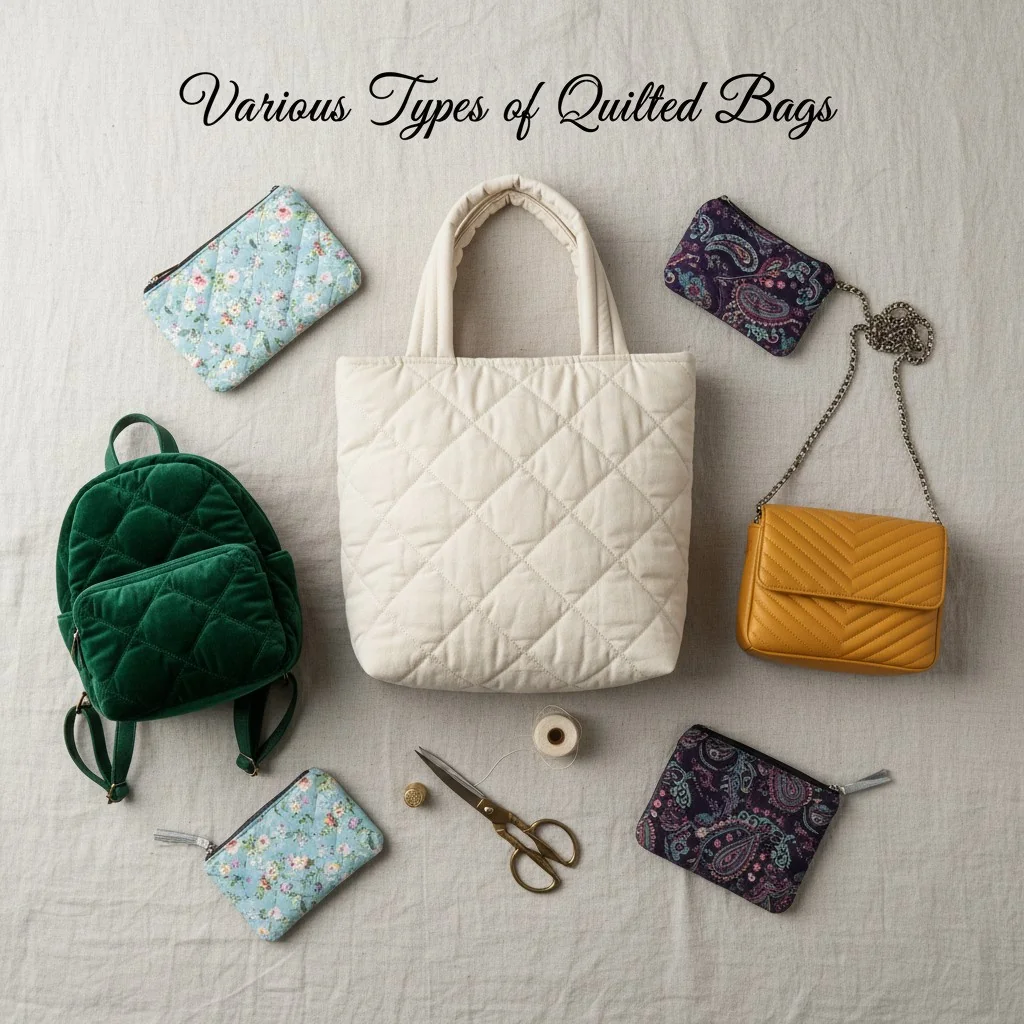
The beauty of quilting is its versatility. The same technique can be applied to almost any bag silhouette, instantly elevating it. When I work with clients, we often brainstorm how to apply quilting to their existing bestsellers or to new shapes that target specific customer profiles.
A quilted finish can transform a simple backpack into a chic commuter bag or a standard duffel into a stylish weekender. It’s a fantastic way to expand a product line without starting from scratch. The key is to match the right bag type with your target customer’s daily life.
Matching Quilted Styles to Customer Needs
Think about who you’re selling to. A young professional needs a different bag than a frequent traveler or a busy parent. Offering a range of quilted styles allows you to meet these different needs while maintaining a cohesive brand aesthetic.
| Bag Type | Primary Use Case | Target Customer |
|---|---|---|
| Quilted Tote Bag | Daily errands, work, carrying a laptop | The busy professional or stylish parent |
| quilted backpack6 | Commuting, travel, hands-free carrying | The student or modern urban commuter |
| Quilted Crossbody Bag | Social outings, shopping, travel | The on-the-go individual who values convenience |
| Quilted Travel Duffel | Weekend trips, gym, carry-on luggage | The frequent traveler or fitness enthusiast |
| Quilted Accessories | Organizing makeup, tech, essentials | Anyone looking for stylish organization |
[claim claim=”Quilted backpacks were first designed for hikers.” istrue=”false” explanation=”While padded backpacks exist for hiking, the trend of *fashion* quilted backpacks is a relatively recent development, focusing on style and urban use rather than rugged outdoor performance.”]
[claim claim=”Quilted tote bags are one of the most popular and versatile styles on the market.” istrue=”true” explanation=”Their large capacity, stylish appearance, and comfortable feel make quilted totes a consistent bestseller for work, travel, and everyday use.”]
What Materials Are Commonly Used in Quilted Bags?
Does the fabric of a quilted bag really make a difference? Absolutely. Choosing the wrong material can lead to poor durability, a cheap feel, and unhappy customers, damaging your brand’s reputation.
Common materials for quilted bags include durable nylon and polyester, classic cotton, luxurious leather, and soft velvet or suede. The choice of fabric significantly impacts the bag’s look, feel, durability, and price point.
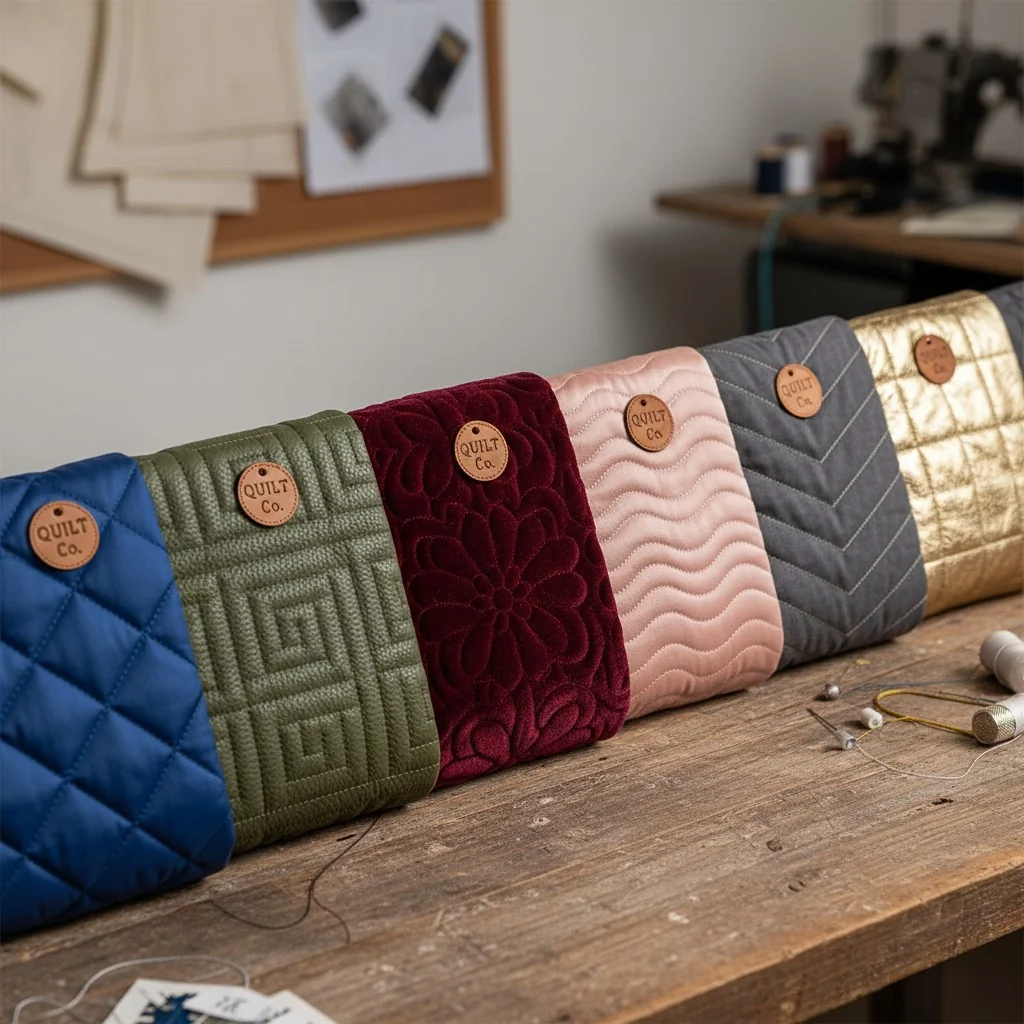
The material you choose tells a story about your brand. When I consult with e-commerce sellers like Madison, we always start with the target market. Are you aiming for a luxury feel or everyday practicality? A high-fashion brand might choose supple leather or rich velvet to convey opulence. In contrast, a brand focused on travel or lifestyle goods would likely lean towards lightweight, water-resistant nylon or polyester. And for brands targeting eco-conscious consumers, using recycled and sustainable fabrics7 is a powerful statement that aligns with their values. The fabric is the foundation of the bag’s identity.
Fabric Choice and Brand Positioning
Your material selection directly influences how customers perceive your product’s quality and price. It’s a strategic decision that should align with your overall brand message. For example, using a recycled polyester not only appeals to sustainable shoppers but also provides the durability needed for an everyday bag.
| Material | Key Characteristics | Best For… |
|---|---|---|
| Leather | Luxurious, highly durable, develops a patina | Premium fashion brands, investment pieces |
| Nylon/Polyester | Lightweight, water-resistant, affordable, durable | Everyday bags, travel gear, backpacks |
| Cotton | Breathable, versatile, casual, easy to print on | Totes, casual bags, cosmetic pouches |
| Velvet/Suede | Soft, rich texture, luxurious appearance | Evening bags, special occasion pieces |
| Recycled Fabrics | Eco-friendly, innovative, durable | Sustainable and modern lifestyle brands |
[claim claim=”Nylon is a naturally occurring fiber.” istrue=”false” explanation=”Nylon is a synthetic polymer, first produced in the 1930s. It is not a natural fiber like cotton or wool.”]
[claim claim=”Recycled polyester (rPET) is often made from plastic water bottles.” istrue=”true” explanation=”rPET is a popular sustainable fabric made by melting down existing PET plastic, most commonly from post-consumer water bottles, and re-spinning it into new polyester fiber.”]
How Do Quilting Techniques Affect the Bag’s Style and Durability?
Do you think all quilting patterns are just for looks? The stitching pattern is not just decorative; it’s fundamental to the bag’s structure, feel, and overall lifespan. It’s a detail your customers will notice.
Quilting techniques like diamond, channel, or geometric stitching create the bag’s texture and define its style. The density and type of stitching also reinforce the fabric, adding significant strength and durability to the final product.

From a manufacturing standpoint, the quilting pattern is where art meets engineering. A simple, elegant diamond stitch is a timeless choice that evenly distributes stress across the fabric, making the bag very durable. I’ve seen modern brands get creative with unique geometric or even custom logo stitching to make their products stand out. The tighter and more complex the stitching, the more stable the internal padding becomes, preventing it from shifting or clumping over time. This directly translates to a higher-quality product that holds its shape and looks great for longer.
Stitching for Style and Strength
The choice of quilting pattern is a balance between aesthetics and function. A classic pattern can signal luxury, while a modern one can feel fresh and innovative. Both, however, contribute to the bag’s structural integrity.
| Quilting Technique | Visual Style | Durability Impact |
|---|---|---|
| Diamond Quilting | Classic, elegant, luxurious | High: Distributes stress evenly across the surface. |
| Channel (Linear) | Modern, clean, minimalist | Good: Provides strong reinforcement along the stitch lines. |
| Geometric/Abstract | Contemporary, bold, unique | Varies: Depends on stitch density; can be very strong. |
| Woven/Filled | Textured, intricate, dimensional | Very High: Dense stitching adds significant structure and stability. |
[claim claim=”The distance between stitches does not affect a quilted bag’s durability.” istrue=”false” explanation=”Closer, denser stitching provides greater strength, prevents the internal batting from shifting, and increases the overall durability and lifespan of the bag.”]
[claim claim=”Diamond quilting is often associated with luxury fashion because of its use by high-end brands.” istrue=”true” explanation=”Iconic fashion houses like Chanel have used diamond quilting for decades, cementing its association with classic luxury and timeless style.”]

How Quilted Tote Bags Are Made: From Design to Production?
Ever wonder how a simple idea becomes a finished quilted tote bag? Knowing the production steps helps you communicate better with manufacturers and manage your project timelines effectively. It demystifies the process.
Making a quilted tote involves several key stages: design and pattern making, material sourcing, quilting the fabric panels, cutting the pieces, assembling and sewing the bag, and finally, quality control before shipping.

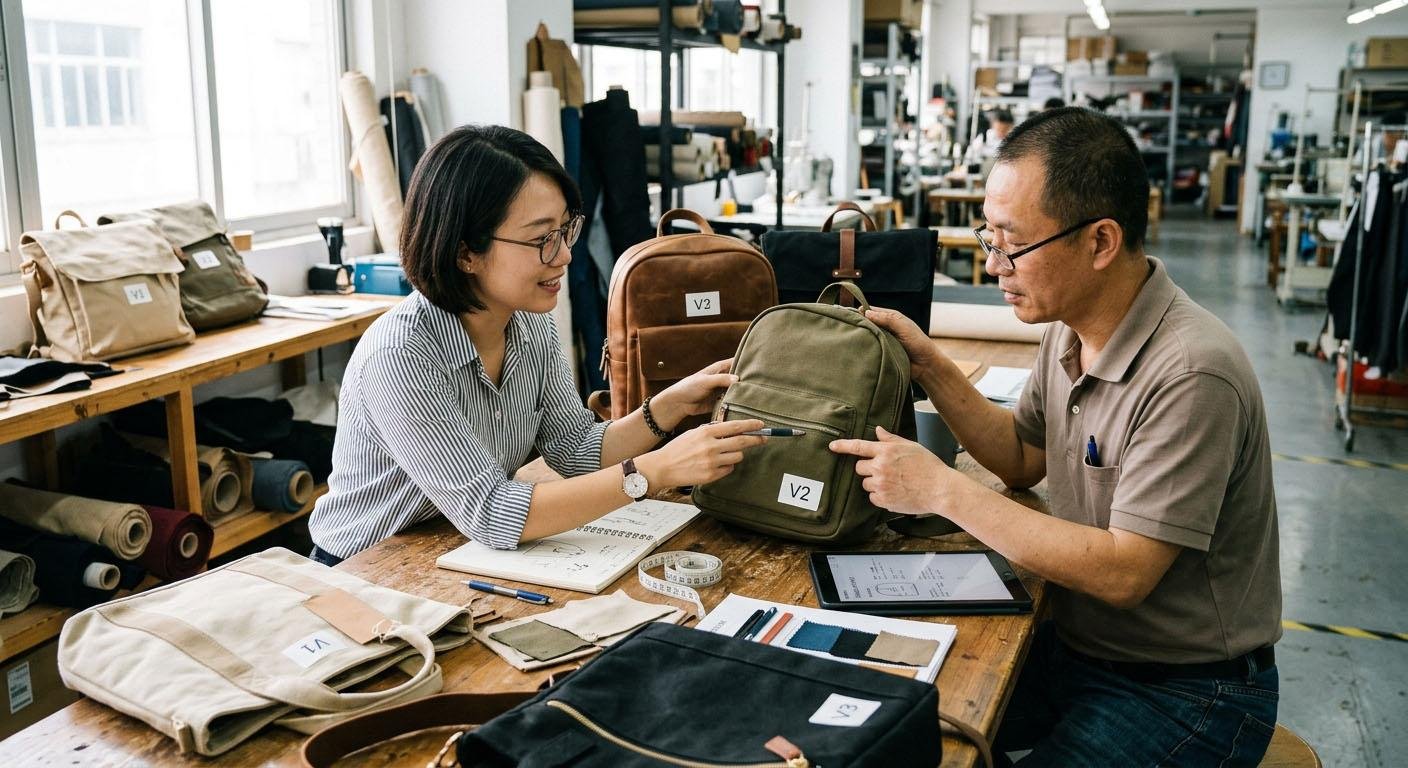
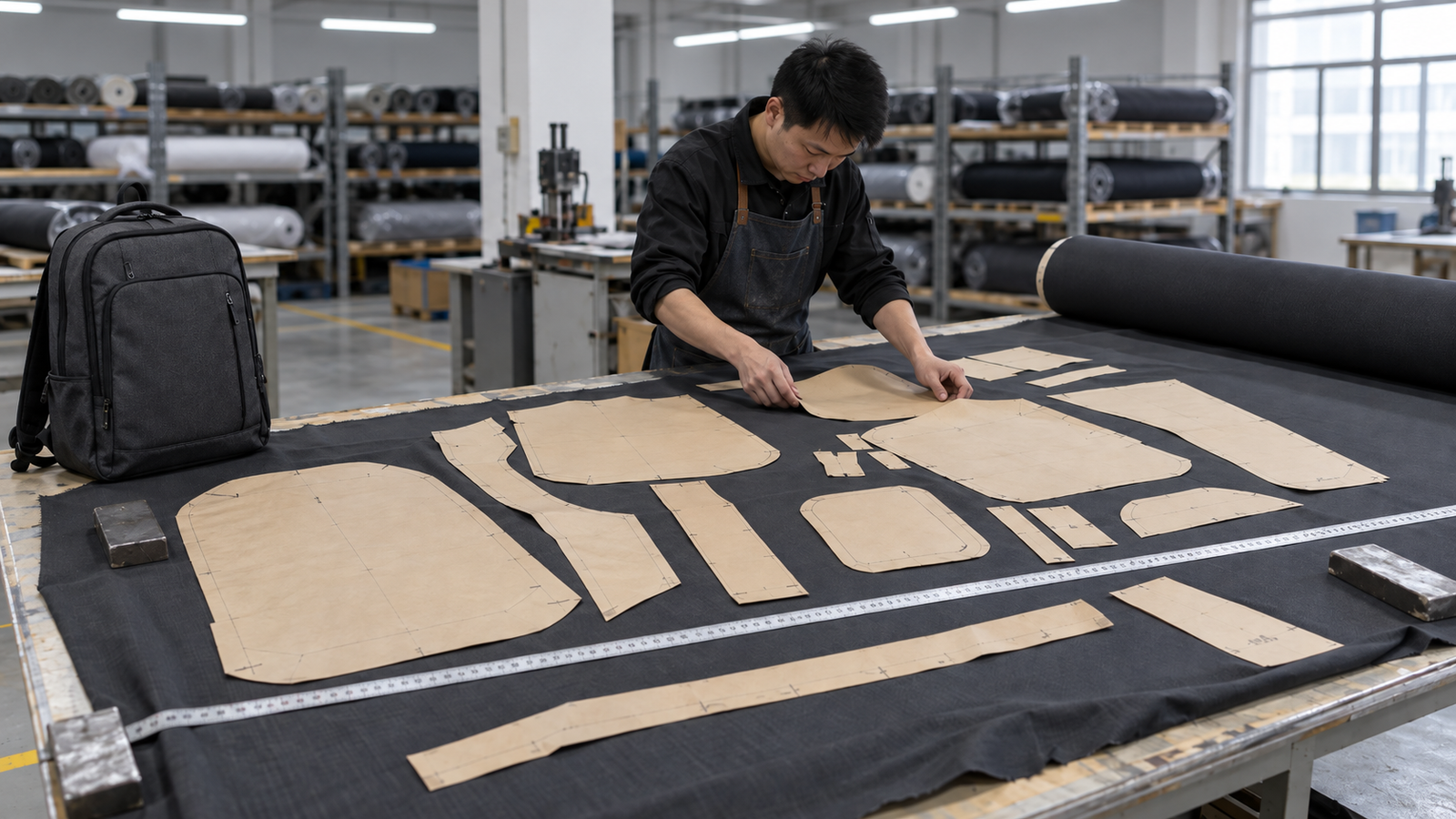
As a manufacturer, this is where we bring a client’s vision to life. It all starts with a design, often a simple sketch or a detailed tech pack. From there, we create a prototype to get the dimensions and details just right. Once the design is approved, we move to large-scale production. First, we quilt large sheets of the chosen fabric. Then, these quilted panels are precisely cut into the shapes needed for the bag’s body, base, and straps. The most hands-on part is assembly, where skilled workers stitch everything together, adding zippers, pockets, and hardware. It’s a multi-step process that requires both technology and human skill.
The 5 Key Manufacturing Stages
For brand owners, understanding this workflow is crucial for planning. Each stage has its own timeline and requires clear communication to ensure the final product matches your expectations. A good manufacturing partner will guide you through each step.
| Stage | Key Action | Why It’s Important |
|---|---|---|
| 1. Design & Prototyping | Create the blueprint and a sample bag. | Ensures the final product’s design and function are perfect. |
| 2. Material Quilting | Stitch the fabric, batting, and backing together. | Creates the core quilted material for the entire production run. |
| 3. Panel Cutting | Cut the quilted fabric into pattern pieces. | Precision here guarantees every bag is the correct size and shape. |
| 4. Assembly & Finishing | Sew the pieces, add hardware and lining. | This is where the bag takes its final, three-dimensional form. |
| 5. Quality Control | Inspect every bag for flaws and consistency. | Guarantees a high-quality product that protects your brand’s reputation. |
[claim claim=”All parts of a quilted bag are assembled by a single machine.” istrue=”false” explanation=”Bag assembly is a complex process involving multiple steps and different machines for cutting, sewing, and hardware attachment, often with significant hands-on work by skilled operators.”]
[claim claim=”A ‘tech pack’ is a crucial document in bag manufacturing.” istrue=”true” explanation=”A technical pack, or tech pack, is a detailed blueprint created by a designer that includes all specifications—materials, dimensions, colors, hardware, stitching—needed for a manufacturer to produce a product accurately.”]
Why Are Quilted Bags So Popular in Fashion Today?
Is the quilted bag just another passing trend? Investing in a style that might fade could be a costly mistake for your business. You need a product with proven, lasting appeal.
Quilted bags are popular because they blend timeless elegance with modern functionality. Their textured appearance adds a touch of luxury, while the padded construction offers durability and protection for belongings, making them both stylish and practical.
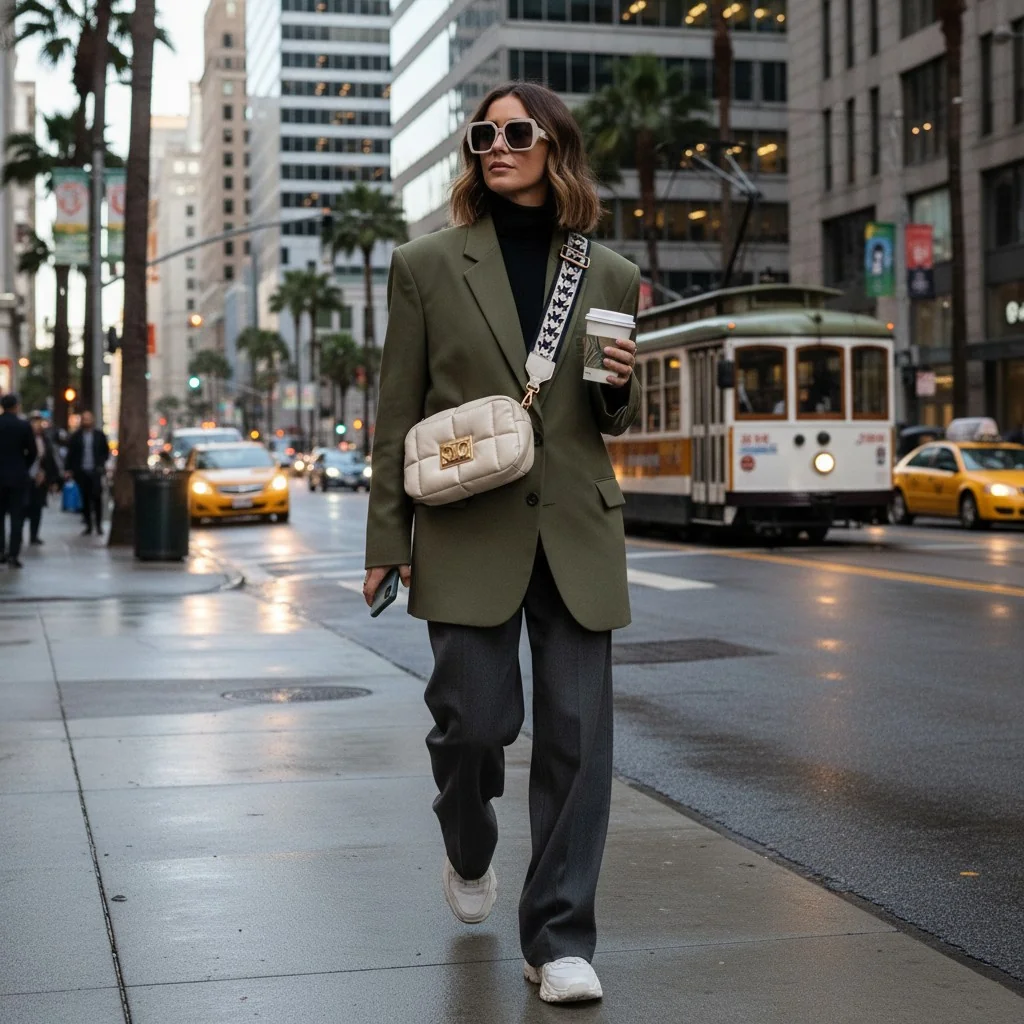
The staying power of quilted bags comes down to a simple formula: they look good, and they work well. I’ve seen this trend cycle through fashion for years, and it never truly goes away. Why? Because it solves multiple problems for the consumer. The quilting adds a visual and tactile richness that makes a bag feel more expensive and special.
At the same time, that same quilting provides a light, protective cushion for electronics, glasses, and other daily essentials. This combination of luxury, style, and practicality is rare. It’s not just a trend; it’s a smart design solution that resonates with a broad audience.
The Pillars of Popularity
For a brand, the consistent popularity of quilted bags means a more stable investment. You’re not just buying into a fleeting fad but a proven category with deep roots and a modern appeal.
| Reason for Popularity | Benefit for Brands | Benefit for Consumers |
|---|---|---|
| Timeless Appeal | Stable demand, less risk of trends fading. | A long-lasting investment piece that won’t go out of style. |
| Versatility | Ability to cater to multiple customer segments. | A bag for every occasion, from work to weekend. |
| Function & Durability | Fewer returns, better brand reputation. | A reliable bag that protects belongings and lasts for years. |
| Sensory Texture | A unique selling proposition that stands out. | A stylish and comfortable accessory that feels good to use. |
Quilted bags come in various styles, materials, and price ranges. The durability of these bags is often enhanced by reinforced stitching, ensuring they last longer. Below is a table that outlines some popular types of quilted bags, their top materials, average price ranges, and the regions where they are most popular:
| Bag Type | Top Material Used | Avg. Price Range | Popular Regions |
|---|---|---|---|
| Quilted Tote | Cotton Canvas | $20 – $100 | US, Europe |
| Quilted Handbag | Leather | $200 – $5000 | Global |
| Quilted Crossbody | PU / Leather | $40 – $500 | Asia, Europe |
| Quilted Backpack | Nylon / Polyester | $30 – $150 | US, EU, APAC |
| Quilted Travel Bag | Mixed Materials | $50 – $300 | Global |
[claim claim=”The popularity of quilted bags is a new trend from the last five years.” istrue=”false” explanation=”While they are currently very popular, quilted bags have been a fashion staple for over 60 years, consistently reappearing as a symbol of classic and practical style.”]
[claim claim=”The padded nature of quilted bags offers some protection for electronic devices.” istrue=”true” explanation=”The batting layer in quilted construction provides a light cushion that can help protect items like phones, tablets, and laptops from minor bumps and scratches.”]
How to Choose the Right Quilted Bag for Your Brand?
Choosing the right quilted bag for your brand is an essential step in creating a product line that resonates with your target audience. The right quilted bag not only enhances your brand’s image but also meets the functional and aesthetic preferences of your customers. Here’s a simple guide to help you make the best choice for your brand.
1. Understand Your Brand’s Identity and Audience
Before choosing a quilted bag, you need to define your brand’s identity. Is your brand luxury-focused, casual, or eco-friendly? Understanding your audience’s needs and preferences will help guide your fabric and design choices.
| Brand Type | Target Audience | Bag Style |
|---|---|---|
| Luxury | High-end consumers | Leather quilted bags with intricate stitching |
| Casual | Young, active individuals | Cotton or nylon quilted bags with simple designs |
| Eco-friendly | Environmentally conscious buyers | Recycled or organic cotton quilted bags |
For example:
- Luxury brands may want high-end, leather quilted bags that convey elegance and sophistication.
- Casual brands might lean toward cotton or nylon bags that are practical, affordable, and easy to maintain.
- Eco-friendly brands may prefer organic cotton or recycled materials to align with their sustainability values.

2. Choose the Right Fabric for Your Brand
The fabric of your quilted bag is one of the most important decisions you’ll make. It impacts the bag’s feel, durability, and overall style. Different fabrics are suited for different brand types:
- Leather: Perfect for luxury brands due to its durability and timeless elegance. Leather quilted bags are often associated with high-end, premium products.
- Cotton: A great choice for eco-friendly or casual brands. Cotton is soft, breathable, and easier to care for than other materials.
- Nylon/Polyester: These materials are lightweight, water-resistant, and ideal for travel or outdoor brands. They offer practicality without compromising style.
3. Focus on Functionality and Purpose
When choosing the right quilted bag, think about how the bag will be used. The bag’s functionality plays a significant role in how it appeals to your target audience. Below is a table that showcases different bag types for various purposes, helping you decide which type best suits the needs of your target audience.
| Purpose | Bag Type | Key Features |
|---|---|---|
| Everyday Use | Totes, Crossbody bags | Lightweight, spacious, easy to carry |
| Travel/Utility | Backpacks, Duffel bags | Multiple compartments, water-resistant materials |
| Luxury/Special Occasions | Evening bags, Clutch bags | Premium fabrics, elegant design |
4. Select a Quilted Pattern That Matches Your Brand’s Style
The quilting pattern adds texture and personality to the bag. There are many options to choose from, and the pattern you select should align with your brand’s aesthetic.
- Diamond Quilting: A classic and elegant pattern often used by luxury brands. It offers a timeless, sophisticated look.
- Chevron Quilting: A modern, bold design that is great for trendy, fashion-forward brands.
- Geometric Quilting: A unique, artistic pattern that works well for creative or artistic brands.
The pattern you choose should reflect your brand’s identity and the vibe you want to convey to your customers.
5. Consider Your Pricing and Material Sourcing
Pricing is another key factor in choosing the right quilted bag. Ensure that the materials and manufacturing process align with your pricing strategy.
- High-end brands will focus on using premium fabrics like leather, which will naturally drive up the price.
- Affordable brands may want to opt for cotton or nylon, which are more budget-friendly yet still functional and stylish.
Also, consider ethical sourcing if your brand emphasizes sustainability. Using recycled materials or ethically sourced fabrics can appeal to eco-conscious consumers and enhance your brand’s reputation.
6. Don’t Forget About the Details: Hardware and Finishes
The hardware and finishes of your quilted bag can elevate its overall look. Pay attention to the zippers, clasps, straps, and stitching. High-quality metal hardware (gold, silver, or matte finishes) can make your quilted bag look more premium.
- Luxury brands may choose gold or silver-tone hardware to complement their high-end leather bags.
- Casual brands may use durable plastic or matte finishes for a more understated look.
A well-chosen finish can make all the difference in how the bag is perceived by customers.
Conclusion
Quilted bags combine style, durability, and versatility, with designs ranging from classic luxury to modern, eco-friendly options. The fabric, quilting technique, and design all contribute to the bag’s overall appeal and functionality. Whether you’re after a timeless quilted handbag or a practical tote, there’s a perfect option for every need.
If you’re looking to create custom quilted bags that reflect your brand or personal style, Osgoodway is here to help. Visit our website to learn more about our custom design services and start crafting your perfect quilted bag today.
References
-
Explore the advantages of quilted bags, including their durability and timeless appeal, which make them a staple in fashion. ↩
-
Examine the role of quilted bags in the luxury handbag market, highlighting their elegance and desirability. ↩
-
Explore how different stitching patterns affect the style and durability of quilted bags, adding unique character. ↩
-
Understanding the manufacturing process of quilted bags can help you appreciate their quality and craftsmanship. ↩
-
Discover how quilted bags cater to various lifestyles and preferences, making them a smart choice for brands. ↩
-
Find out why quilted backpacks are gaining popularity for their style and practicality in everyday use. ↩
-
Investigate the advantages of sustainable fabrics in quilted bags, appealing to eco-conscious consumers. ↩