Have you ever found yourself confused about whether to choose a backpack or a rucksack for your next adventure? Many people use these terms interchangeably, but they refer to different types of bags that serve distinct purposes. Understanding the differences can enhance your travel experience.
The primary difference between a backpack and a rucksack lies in their design and intended use. A backpack is typically lighter, more versatile, and suited for everyday activities like school or commuting. In contrast, a rucksack is designed for rugged outdoor use, offering greater durability and storage capacity for hiking or camping gear.
Discovering the right bag for your needs can significantly improve your comfort and organization. Let’s explore the unique features, advantages, and best use cases for each type of bag!
What Is a Backpack?
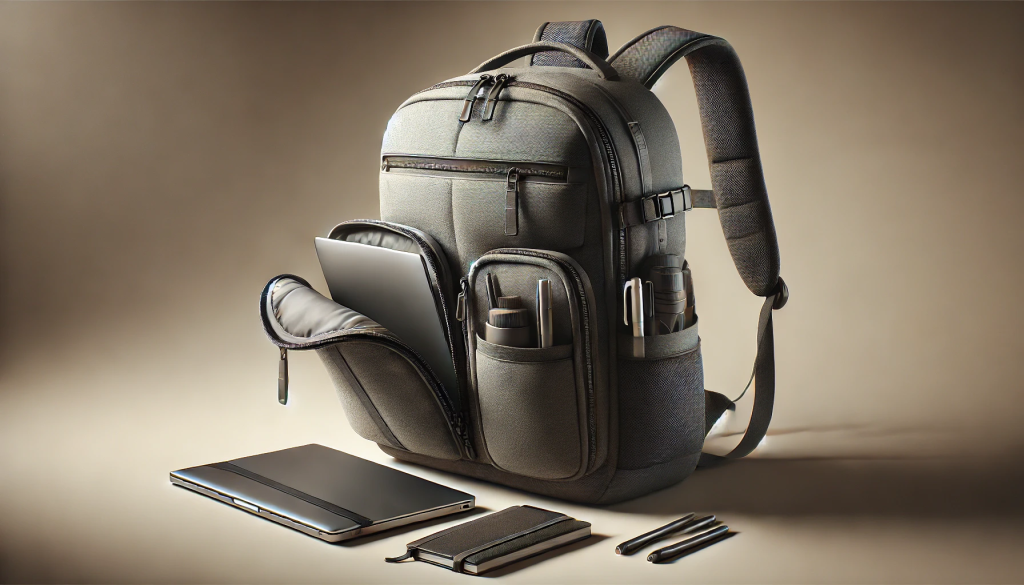
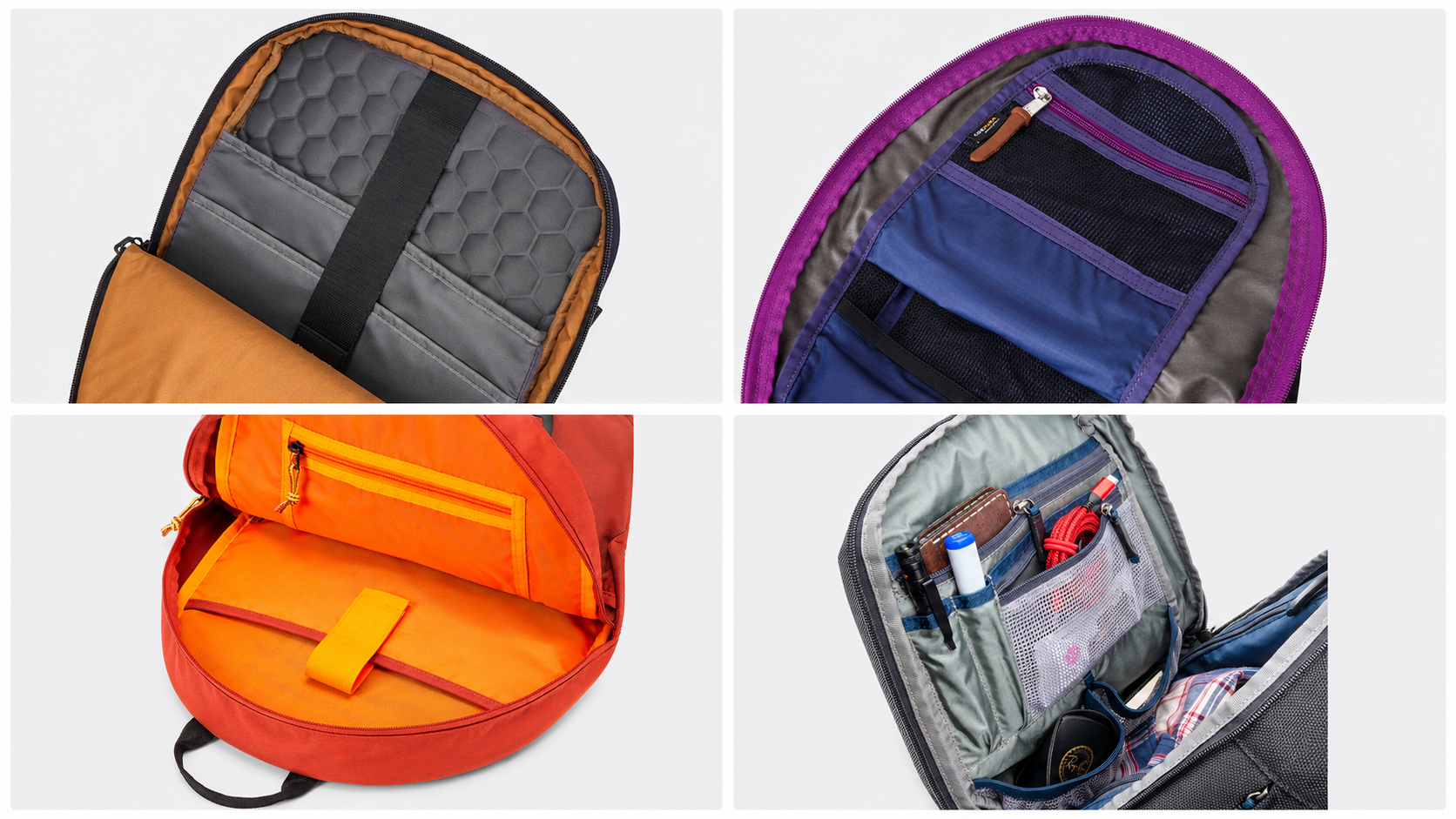
A backpack is a type of bag worn on the back with two shoulder straps, designed for comfort and versatility. Backpacks usually feature a large main compartment with a zippered closure, multiple internal and external pockets for easy organization, and sometimes additional compartments specifically designed for laptops, tablets, or other electronics. They’re built for balanced weight distribution, making them comfortable for a wide range of users and purposes.
1.1 Unique Features
Backpacks are designed with several unique features that enhance their functionality:
- Zippers: Most backpacks have zippers for easy access to the main compartment, allowing users to quickly retrieve items without digging through the bag.
- Main Compartments: They often include multiple compartments for organization, which can help keep items sorted and easily accessible.
- Padded Straps: Many backpacks feature padded shoulder straps for added comfort during prolonged use, making them ideal for carrying heavier loads.
- Ventilation: Some backpacks come with ventilated back panels that allow airflow between the bag and the wearer’s back, reducing sweat buildup during hot weather or strenuous activities.
- Adjustable Straps: Many models include adjustable straps that allow users to customize the fit for maximum comfort.
1.2 When to Use a Backpack
Backpacks are popular for a wide variety of uses because they cater to different needs. Here are a few common examples:
- Daily Commuting: Many backpacks are designed with office-friendly features like padded laptop sleeves, pen holders, and charger compartments. They’re comfortable enough for long commutes, whether on foot or by public transit.
- School and Study: Student backpacks often emphasize durability and organization, featuring multiple compartments for books, notebooks, and personal items. They’re also available in an endless array of colors, patterns, and designs to fit a student’s style.
- Travel and Day Trips: Compact, lightweight backpacks are perfect for day trips or city sightseeing, offering enough storage for essentials without weighing down the traveler. Larger travel backpacks may even come with anti-theft features or lockable zippers for added security.
- Outdoor Activities: Specialized hiking backpacks come with added features such as water-resistant fabric, hydration reservoirs, and breathable padding, tailored for outdoor enthusiasts who want a reliable bag for day hikes or weekend adventures.
1.3 Variations and Specialized Backpacks:
In addition to the typical daypack, there are many specialized backpacks designed for specific purposes:
Laptop Backpacks: Designed to protect and organize electronics, these backpacks feature dedicated compartments for laptops, tablets, and chargers.

Hiking Backpacks: Built for durability and comfort over long distances, these backpacks often come with hydration systems, adjustable straps, and external loops for carrying hiking poles or other gear.
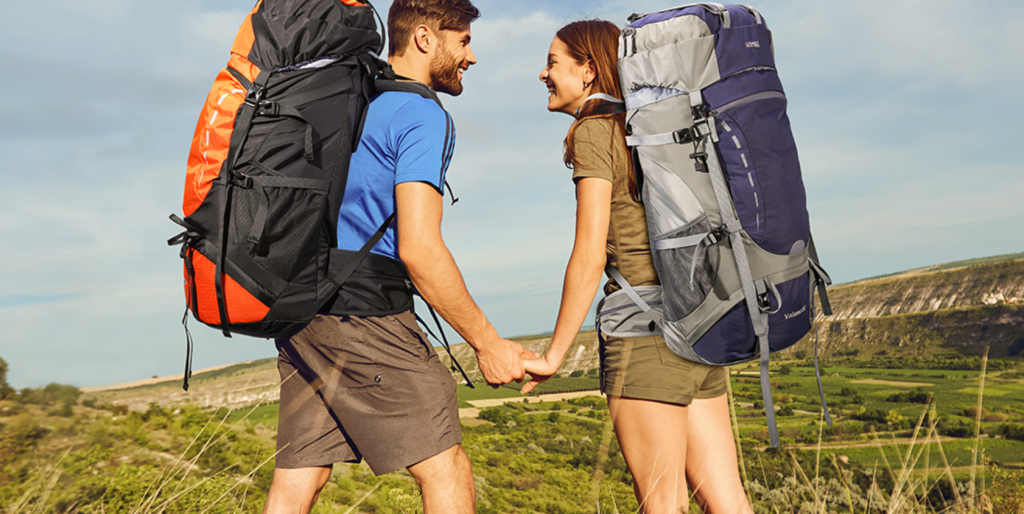
Travel Backpacks: With compartments to organize clothes, toiletries, and travel documents, travel backpacks are designed for convenience and security. Some even include built-in locks or RFID-protected pockets to safeguard valuables.
School Backpacks: Often spacious and designed to support heavier loads, these backpacks have multiple compartments for books, lunch boxes, and school supplies.
1.4 Popular Materials for Backpacks
When selecting a backpack, the material it’s made from plays a crucial role in its performance, durability, and overall user experience.
Common materials for backpacks include nylon for durability and water resistance, polyester for lightweight affordability, canvas for a vintage look, leather for style and longevity, and Cordura for heavy-duty use. Each material offers unique benefits tailored to specific needs.
Here are some of the most common materials used in backpack construction, along with their unique properties and benefits:
- Nylon: Nylon is a synthetic fabric known for its exceptional durability and water resistance, making it a popular choice for high-quality backpacks designed for outdoor activities.
- Polyester: Polyester is another common material used in backpack construction. It is lightweight, affordable, and offers good durability for everyday use.
- Canvas: Canvas is a heavier material that provides a vintage aesthetic; canvas backpacks are often durable but may be less water-resistant unless treated.
- Leather: Leather is often used in high-end backpacks due to its durability and classic appearance.
- Cordura: Cordura is a brand name for a collection of fabrics known for their durability and resistance to abrasions, tears, and scuffs.
- Ripstop Fabric: Ripstop fabric incorporates a reinforcing technique that makes it resistant to tearing and ripping while remaining lightweight—ideal for outdoor adventure backpacks.
Top 11 Fabrics for Making Bags: A Comprehensive Guide
What Is a Rucksack?
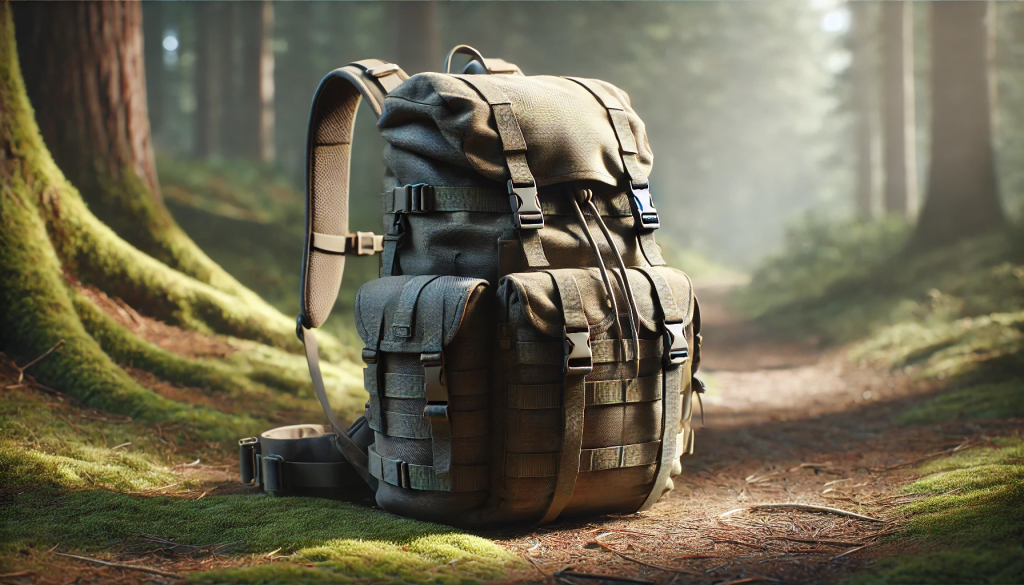
Now that we’ve covered backpacks, let’s look at what makes a rucksack distinct. While often used interchangeably with “backpack,” a rucksack has several unique characteristics that set it apart.
A rucksack is a type of backpack with a rugged design, often used for outdoor adventures, military use, and long-distance travel. Unlike typical backpacks, rucksacks usually have a drawstring or roll-top closure, extra external pockets, and additional straps or buckles to secure gear.
Constructed from durable materials like canvas or heavy-duty nylon, rucksacks are built to carry heavy loads and withstand rough conditions. Their large capacity and rugged features make them ideal for camping, hiking, and extended outdoor trips.
2.1 Distinctive Features
The term “rucksack” originates from the German words “Ruck,” meaning back, and “Sack,” meaning bag. Unlike the more modern backpack, rucksacks often have a rugged, military-inspired design. Key features include:
- Drawstring Closures: Many rucksacks utilize drawstring tops or roll-top closures, enabling quick access and allowing users to pack efficiently without the hassle of zippers.
- External Pockets: Rucksacks often include multiple external pockets or pouches, providing convenient storage for smaller items like snacks, maps, or tools that require easy access during outdoor activities.
- Extra Straps: These bags frequently come with additional straps or buckles for securing gear externally, such as sleeping pads or tents, and for adjusting the fit around the body to enhance weight distribution.
- Frame Support: Some rucksacks feature internal or external frames that offer structural support, making them ideal for carrying heavy loads over long distances while maintaining comfort and stability.
These design elements make rucksacks highly functional, allowing for easy expansion and secure storage of larger items like sleeping bags, mats, or outdoor gear.Overall, these design elements make rucksacks highly functional and well-suited for outdoor adventures.
2.2 Best Use Cases
Rucksacks excel in various scenarios:
- Camping and Hiking: Rucksacks are often built to handle challenging environments. With their durable fabrics, extra compartments, and secure closures, they’re ideal for carrying camping gear, food supplies, and clothing. The drawstring or roll-top closures allow for easy expansion to accommodate additional gear.
- Military and Tactical Use: The rucksack’s design has been heavily influenced by military needs. Many tactical rucksacks include MOLLE (Modular Lightweight Load-carrying Equipment) systems that allow users to attach extra pouches or tactical gear. This modularity makes rucksacks highly adaptable in rugged situations.
- Extended Travel and Remote Expeditions: For travelers venturing into remote areas where supplies are limited, a rucksack provides the storage capacity and durability necessary to carry essentials like food, water, and outdoor survival gear. The bag’s external straps allow users to carry larger items securely.
2.3 Materials for making rucksack
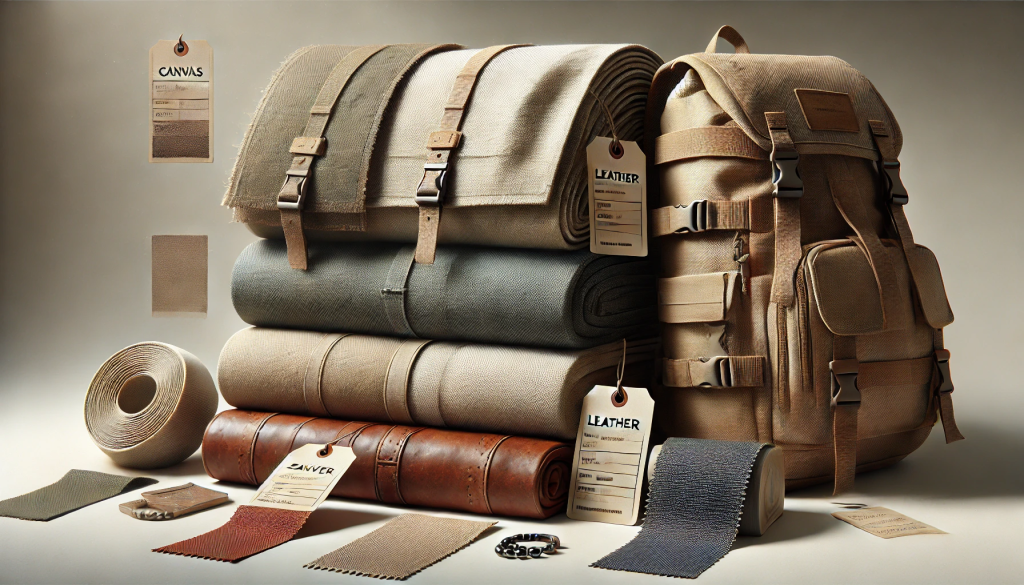
Rucksacks are generally constructed from durable materials such as heavy-duty canvas, leather, or reinforced nylon. These materials withstand wear and tear better than those in most standard backpacks, making rucksacks ideal for outdoor adventures and heavy-duty use. The choice of materials often gives rucksacks a rugged, vintage appearance that appeals to outdoor enthusiasts and military users.
- Canvas: Heavy-duty canvas provides exceptional durability against wear and tear while offering a classic, vintage look. Many canvas rucksacks are treated for water resistance, making them suitable for various outdoor conditions.
- Leather: Renowned for its ruggedness and stylish appearance, leather rucksacks are built to last. While they require more maintenance than synthetic materials, their durability and timeless aesthetic make them a popular choice among outdoor enthusiasts.
- Reinforced Nylon: This material is often used in high-quality rucksacks due to its lightweight yet strong characteristics. Reinforced nylon can withstand harsh conditions and heavy loads, making it ideal for demanding outdoor adventures.
These materials ensure that rucksacks can endure the rigors of outdoor use while maintaining their functionality and appealing design.
2.4 Key Features of Different Rucksack Styles:
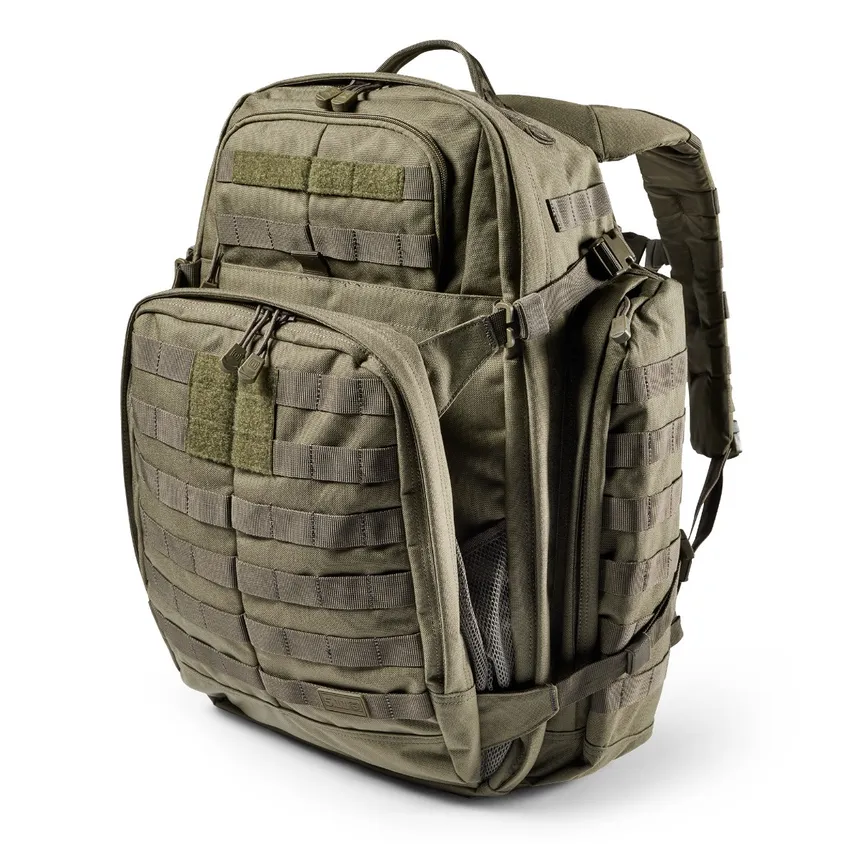
Military/Tactical Rucksacks: Equipped with MOLLE webbing, multiple compartments, and reinforced stitching, these rucksacks are optimized for high-stress activities. They’re commonly used by military personnel, hunters, and outdoor enthusiasts who need a bag that can handle heavy loads and rugged use.
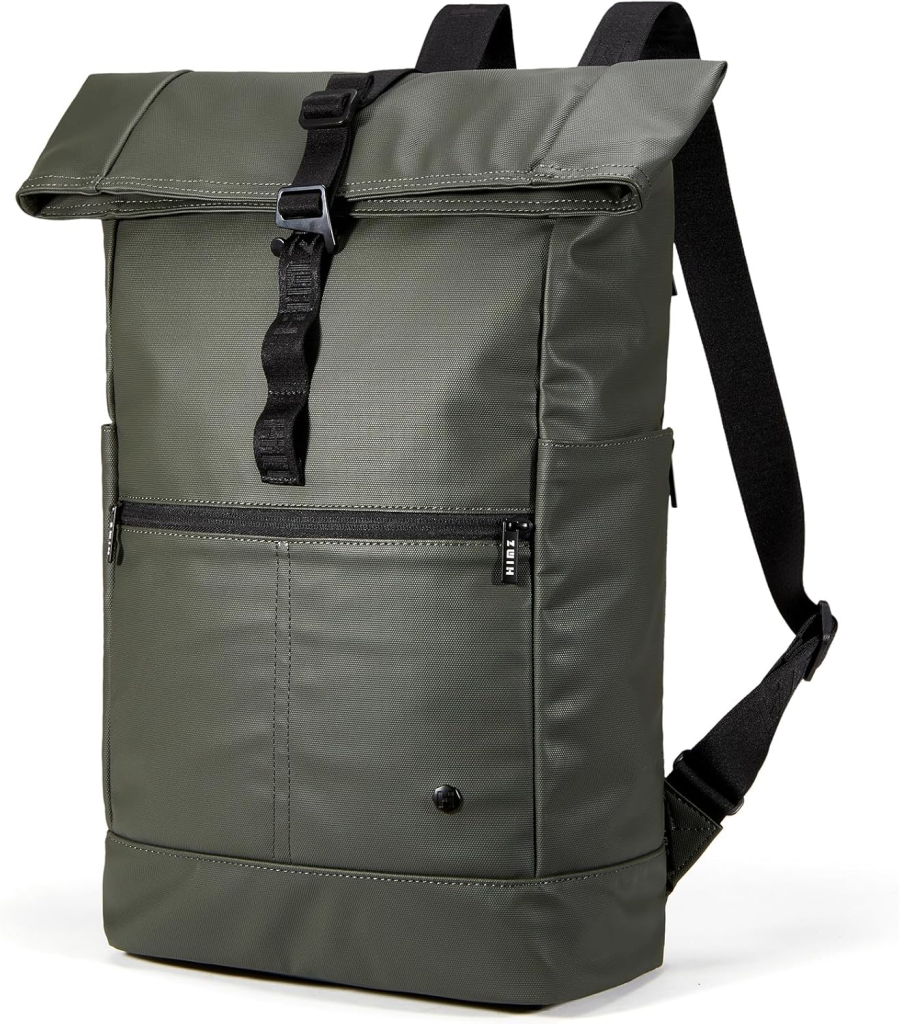
Roll-Top Rucksacks: These rucksacks feature a roll-top closure system, where the top of the bag rolls down and secures with a buckle or strap. This design provides weather resistance, making it an excellent choice for outdoor use where protection from the elements is needed.
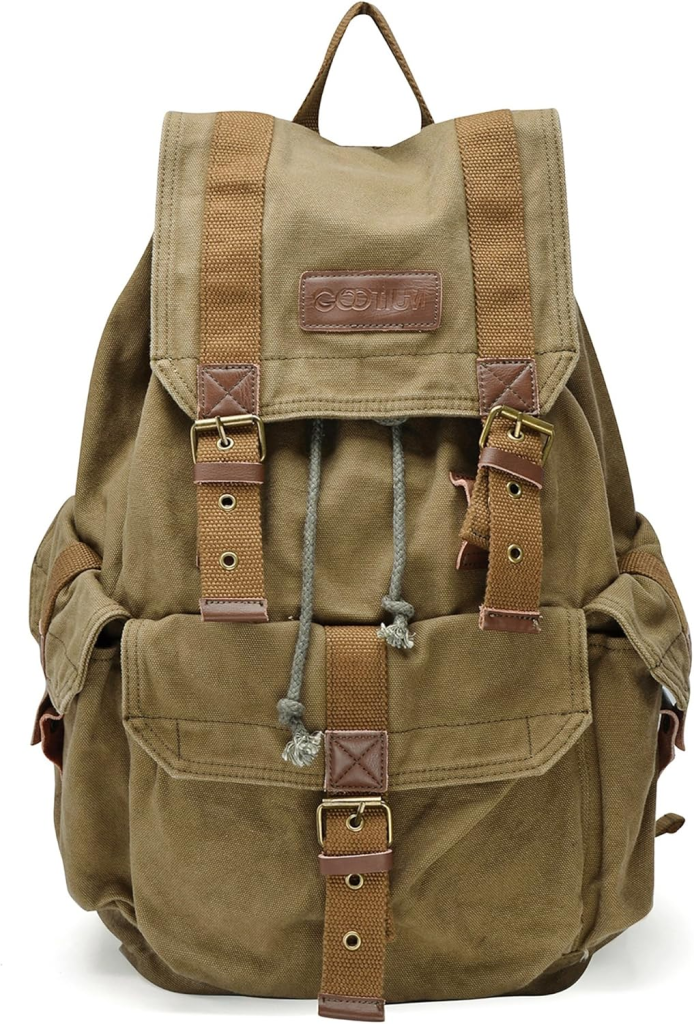
Drawstring Rucksacks: With a drawstring closure on the main compartment, these rucksacks offer quick access and flexibility for adjusting the bag’s capacity. They’re popular for shorter outdoor trips or as versatile day bags.
Backpack vs. Rucksack: A Side-by-Side Comparison
Now that we have a clear understanding of both backpacks and rucksacks, let’s examine their differences more closely. This section will help you choose the right bag by comparing essential features, design aspects, and suitability for various activities.
Comparison Table
Here’s a quick side-by-side comparison of backpacks and rucksacks:
| Feature | Backpack | Rucksack |
|---|---|---|
| Main Closure | Zippers | Drawstring or roll-top with buckles |
| Material | Lightweight materials (nylon, polyester) | Heavy-duty materials (canvas, leather) |
| Capacity | Generally smaller | Typically larger and expandable |
| External Storage | Limited | Often includes extra pockets and loops |
| Comfort | Padded straps, ergonomic design | Additional support (e.g., hip belts) |
| Best Use Cases | Daily commute, school, light travel | Hiking, camping, tactical, extended trips |
| Style | Sleek, modern | Rugged, vintage |
Detailed Breakdown of Key Differences
1).Design and Structure:
Backpacks typically use zippers for access, allowing users to quickly open compartments without removing the bag from their back. In contrast, rucksacks often feature drawstrings that allow users to pack quickly but may require more effort when searching for specific items inside due to fewer organizational features.
2).Capacity and Storage Options:
Rucksacks generally offer more volume than standard backpacks. This makes them better suited for carrying larger items or more gear needed during outdoor adventures. Backpacks may have multiple compartments but usually lack the expansive storage space found in rucksacks.
3). Comfort and Support:
Backpacks usually provide better comfort with padded straps designed specifically for prolonged wear in urban settings. In contrast, rucksacks can feel bulkier when heavily loaded but are designed to distribute weight efficiently across the back during outdoor activities where stability matters most.
4). Style and Aesthetic Appeal:
Backpacks have a modern look suitable for everyday use in urban environments; they come in various colors and styles that appeal to students and professionals alike. Rucksacks exude a vintage or rugged appeal ideal for outdoor adventures—often available in earthy tones or classic designs that resonate with nature enthusiasts seeking durability alongside style.
5). Durability and Material:
Backpacks are usually made from lightweight materials like polyester and nylon, offering durability for everyday use but may struggle in extreme conditions. Many feature reinforcements for water resistance or abrasion protection.Rucksacks, on the other hand, are constructed from robust materials such as heavy-duty canvas or leather, designed to withstand significant wear and tear. They are ideal for high-durability needs, making them perfect for camping trips or military-style expeditions.
What are the Pros and Cons of Backpacks?
Advantages
- Lightweight Design: Backpacks tend to be lighter than rucksacks due to their less robust construction.
- Versatility: They can be used in various settings—from school to travel—making them suitable for everyday life.
- Organizational Features: Many models include multiple compartments that help keep items organized.
- Comfortable Fit: Padded straps provide comfort during prolonged use.
- Budget-Friendly Options Available: You can find good-quality backpacks at various price points without breaking the bank.
Disadvantages
- Limited Durability in Extreme Conditions: Backpacks may not withstand harsh weather conditions as well as rucksacks.
- Lower Capacity Compared to Rucksacks: If you need significant storage space or plan on carrying bulky items regularly—backpacks might fall short.
- Less Suitable for Outdoor Activities: While some backpacks are designed for light hiking or day trips—they may not offer the same level of support as specialized outdoor packs like rucksacks do.
What are the Pros and Cons of Rucksacks
Advantages
- Greater Storage Capacity: Rucksacks typically offer more volume than standard backpacks—ideal when packing larger items or multiple pieces of gear.
- Durable Construction Suited for Rugged Use: Designed specifically with outdoor enthusiasts in mind—rucksacks are built tough!
- Additional Compartments Available: Many models come equipped with extra pockets—providing added organization options compared to traditional backpacks.
- Supportive Design For Heavy Loads: With frame options available—rucksacks distribute weight effectively across your body—making them comfortable even when fully loaded!
Disadvantages
- Heavier Weight Compared To Backpacks: Due largely because they’re built sturdier—this bulkiness can make them cumbersome if not fitted properly!
- Less Comfortable Over Long Periods If Not Adjusted Correctly: Proper fit is essential; otherwise—it could lead discomfort after extended wear!
- Higher Price Points For Quality Models: Investing into quality rucksacks might require larger upfront costs compared with budget-friendly backpack alternatives available today!
When to Choose a Backpack vs. a Rucksack?
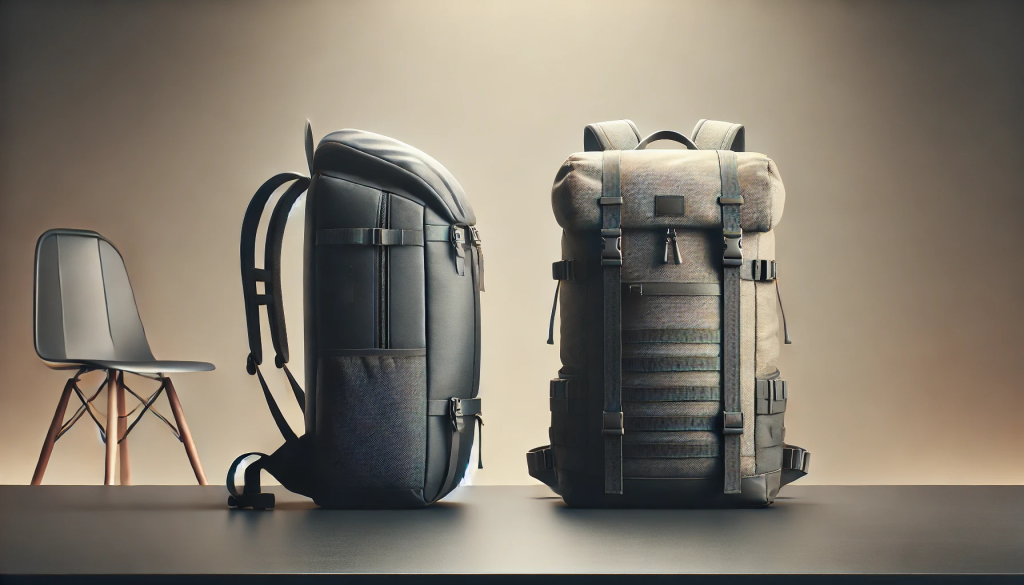
To help you make an informed choice, let’s look at some real-life scenarios and examine which bag type—backpack or rucksack—would be best suited for each situation.
6.1. Daily Commuting
- Best Choice: Backpack
- Why: Backpacks are practical for daily commutes as they offer lightweight convenience, organization, and easy access to essentials like laptops, chargers, and personal items. Many modern backpacks include compartments for electronics, which keeps items secure yet accessible. Additionally, their sleeker design fits well in professional or urban settings, making them ideal for offices, public transit, or cycling commutes.
6.2. Outdoor Adventures
- Best Choice: Rucksack
- Why: For outdoor activities like hiking, camping, or trekking, a rucksack is ideal due to its durable materials, large capacity, and extra features. With sturdy fabrics, a roll-top or drawstring closure, and external loops for attaching camping gear, rucksacks are equipped to carry everything from tents to cooking supplies. They’re also designed with padded straps and hip belts, which help distribute weight evenly for long-distance comfort.
6.3. Short Travel or Weekend Trips
- Best Choice: Backpack
- Why: A backpack’s compact size and organizational features make it great for short trips. Many travel backpacks have compartments for clothes, toiletries, and electronic devices, ensuring that essentials are within reach. Additionally, backpacks are easy to store in overhead compartments on planes, making them convenient for quick travel.
6.4. Extended Travel and Backpacking Expeditions
- Best Choice: Rucksack
- Why: When it comes to long-term travel or backpacking, rucksacks shine due to their larger capacity and durability. Rucksacks allow for heavier loads and offer more flexibility with expandable compartments. For travelers exploring rural or rugged areas where supplies may be limited, a rucksack can accommodate survival gear, clothing, food, and water. The hip belt and chest strap design also provide better support over extended periods.
6.5. Professional or Office Environment
- Best Choice: Backpack
- Why: A sleek, professional-looking backpack is best for the office as it pairs well with business attire. Backpacks designed for work often have a minimalist design, padded laptop sleeves, and organized compartments for documents, making them practical for carrying work essentials. Rucksacks, on the other hand, can appear too rugged or casual for formal office environments.
6.6. Military or Tactical Use
- Best Choice: Rucksack
- Why: Military and tactical scenarios require bags that can endure harsh conditions while providing ample storage for specialized equipment. Rucksacks designed for military use come equipped with MOLLE webbing, extra compartments, and reinforced stitching, making them durable enough for high-stress environments. These rucksacks are also designed to distribute weight comfortably, even when loaded with heavy gear.
6.7. School or Study
- Best Choice: Backpack
- Why: For students, a backpack is often more practical as it provides organization for books, laptops, and stationery. Backpacks for school are designed to handle moderate loads, feature multiple compartments, and come in various styles to suit individual preferences. The lightweight and accessible design makes backpacks ideal for carrying school essentials.
Top FAQs
To wrap up our exploration of backpacks and rucksacks, here are answers to some commonly asked questions. These can help clarify any lingering doubts and make your decision easier.
1. Is a rucksack better than a backpack for hiking?
- Answer: Generally, yes. Rucksacks are often designed for rugged outdoor use, with durable materials, larger storage capacity, and features like hip belts and chest straps that help distribute weight more comfortably. They’re ideal for carrying heavier gear required on extended hikes or challenging trails. However, for short day hikes or lighter loads, a hiking backpack could be a lighter and equally effective choice.
2. Can a rucksack be used as a school bag?
- Answer: While it’s possible, a rucksack may not be the most practical choice for school. Rucksacks can be bulkier and lack the specific compartments that make organizing books, laptops, and stationery easier. School backpacks are generally designed with students in mind, offering lightweight comfort, dedicated organization features, and an array of styles.
3. What materials make the most durable backpack or rucksack?
- Answer: For backpacks, durable materials include nylon and polyester, often with waterproof or abrasion-resistant coatings. For rucksacks, canvas and heavy-duty nylon provide excellent durability, especially for outdoor use. Leather is also a common material for rucksacks and adds to both durability and style, though it requires additional care to maintain.
4. Are rucksacks waterproof?
- Answer: Not all rucksacks are waterproof, but many are water-resistant or have water-resistant coatings. Some outdoor-focused rucksacks come with roll-top closures and treated materials that offer additional protection from the elements. For full waterproofing, consider adding a rain cover or choosing a rucksack with a waterproof lining.
5. What are the best types of backpacks for travel?
- Answer: Travel backpacks are often the best choice, as they’re designed for ease of access, organization, and comfort during transit. Features like lockable zippers, anti-theft compartments, and dedicated laptop or electronics pockets make them ideal for airports and city travel. Many travel backpacks are also designed to fit carry-on size requirements, adding convenience for air travel.
6. Do rucksacks provide better weight distribution?
- Answer: Yes, rucksacks are often better suited for weight distribution, especially when carrying heavy loads. Many rucksacks are equipped with padded shoulder straps, hip belts, and sternum straps, which shift the load to the hips and help alleviate strain on the shoulders and back. This design is particularly useful for extended wear or rough terrain.
7. Can a backpack be used for camping?
- Answer: Yes, many backpacks are designed for outdoor activities and can work well for camping. However, the choice depends on the type and length of the camping trip. For longer or more gear-intensive trips, a rucksack may be more suitable due to its larger capacity, rugged material, and additional attachment points for bulky items like tents or sleeping bags.
Conclusion
We hope this FAQ section has answered some of your questions! Choosing between a backpack and a rucksack depends on your lifestyle, the environments in which you’ll use it, and the types of items you’ll carry. Both options have their own advantages, so it’s all about finding the right fit for your unique needs.
it’s important consider how frequently utilizing each type before making any decisions! For most casual users prioritizing comfort/convenience within urban settings—I recommend opting towards purchasing quality backpacks! However—for those who engage regularly within outdoor activities needing robust storage solutions—investing into high-quality rucksacks will serve them well!
Thank you for reading! We hope this guide has helped you make an informed choice. Have questions or need more insights? Feel free to reach out or check out our other articles on choosing the right bag for different scenarios.
33 Types of Backpacks: The Ultimate Guide to Styles, Uses, and Custom Options
The 16 Best Duffel Bags for Gym Enthusiasts in 2024
50 Types of Bags for Daily Use, Sports, and Outdoor Adventures
Your Complete Guide to 19 Backpack Types for Every Adventure