Thinking about adding clear bags to your line? They seem practical, but their hidden flaws in privacy1, durability, and style can hurt your brand. Let’s uncover the truth.
Clear bags are not recommended because they offer zero privacy for personal items, making users a target for theft. They are often made from non-durable, environmentally harmful plastics2 like PVC and lack the style, comfort, and organizational features that modern consumers expect from a quality bag.
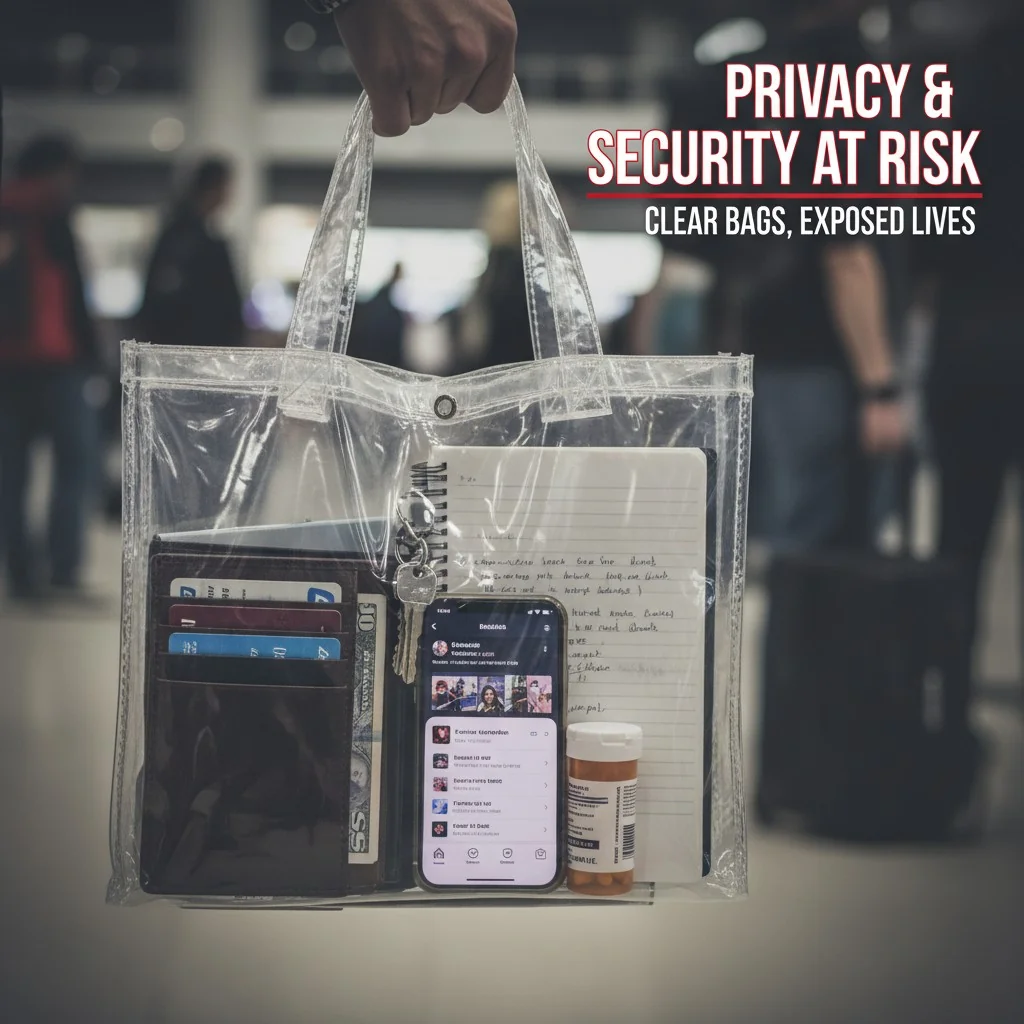
I get it, the demand for clear bags at events and schools seems like a golden opportunity. As a brand owner, you want to meet that demand. But before you invest in a clear bag line, let’s take a closer look at why this trend might be a trap for brands focused on quality and customer satisfaction. I’ve seen many brands struggle with this, and I want to help you avoid the same pitfalls.
[claim claim=”The NFL’s clear bag policy was one of the first major drivers for their popularity at events.” istrue=”true” explanation=”The NFL implemented its All-Clear policy in 2013, requiring fans to use clear bags, which significantly boosted the market for these products.”]
[claim claim=”Clear bags were a high-fashion trend before they were a security requirement.” istrue=”false” explanation=”While some high-fashion brands have experimented with clear materials, the widespread popularity of clear bags is overwhelmingly tied to security policies that began in the 2010s.”]
Why Did Clear Bags Become So Popular?
Clear bags are everywhere, from stadiums to schools. You might feel pressured to offer them. But understanding their rise helps see why they’re not a long-term solution.
Clear bags became popular mainly for security. Venues, schools, and some workplaces mandated them for quick, easy inspections. This created a sudden, compliance3-driven demand, which some fashion trends then followed.
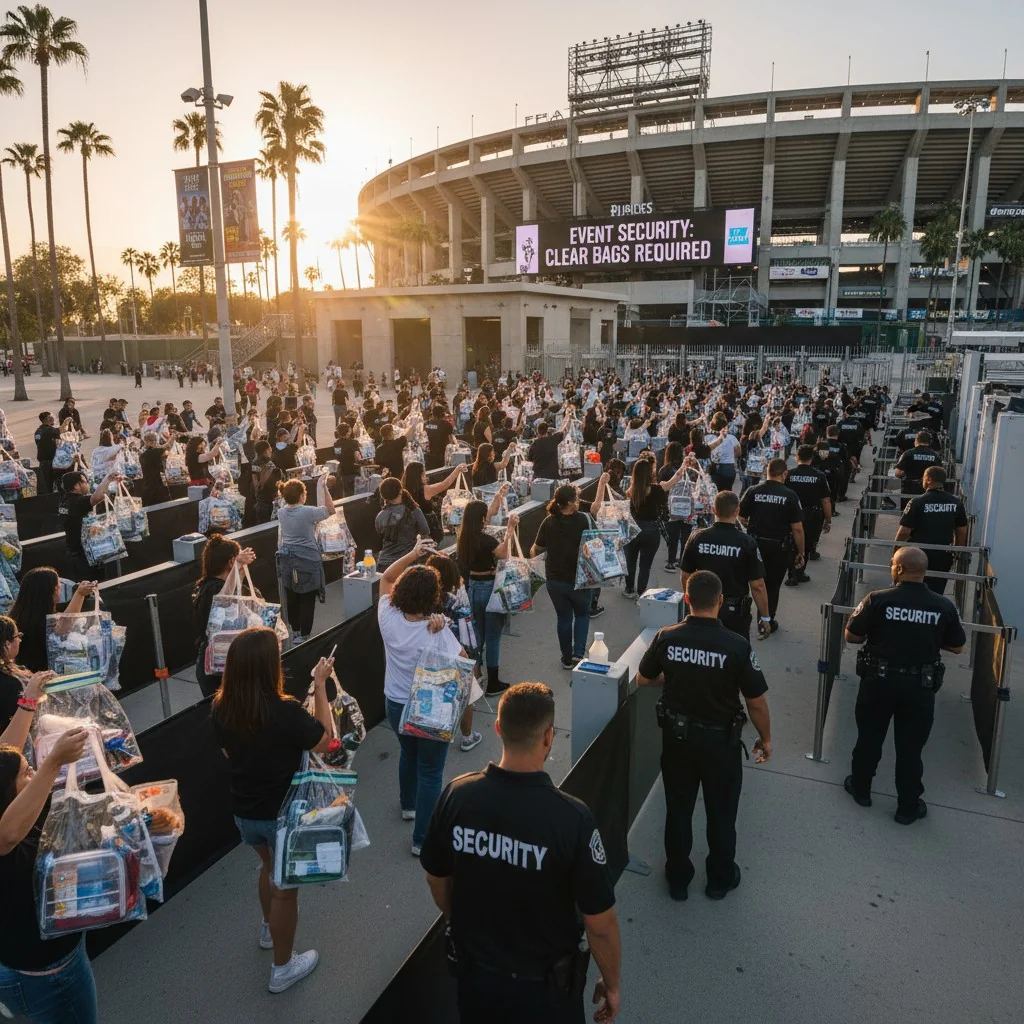
The rise of clear bags wasn’t really about consumer choice; it was about policy. I remember when the first big stadium policies hit. My phone rang off the hook with clients asking for cheap, clear PVC bags. It was a race to the bottom on price, not a move towards quality. This created a huge market, but it’s a market built on a single, functional need rather than brand loyalty or style.
For a brand owner like you, Emily, chasing this trend means competing on price with mass producers, not on the quality and design that sets your brand apart. It’s a short-term gain that can distract from building a long-term, desirable product line.
Drivers of Clear Bag Popularity
| Driver | Description | Implication for Brands |
|---|---|---|
| security mandates4 | Policies at schools, stadiums, and workplaces require transparent bags for quick screening. | This creates a compliance-based demand, not a desire-based one. |
| Convenience | Users can find items quickly without digging through their bag. | This benefit is offset by a total lack of privacy and organization. |
| fashion niche5 | A minor trend in streetwear and high fashion has incorporated clear materials. | This is a very small niche and doesn’t reflect mainstream consumer desire for quality. |
[claim claim=”PVC, a common material for clear bags, can release harmful chemicals.” istrue=”true” explanation=”Polyvinyl chloride (PVC) can contain phthalates and other toxic additives that can leach out over time, posing health and environmental risks.”]
[claim claim=”Clear bags are more secure because security staff can see everything.” istrue=”false” explanation=”This is a common misconception. While it allows for a quick visual scan, it also allows thieves to ‘window shop’ for valuables, potentially increasing the risk of targeted theft.”]
What Are the Major Drawbacks of Clear Bags?
Your customers trust your brand for quality. Offering clear bags could break that trust due to major issues with privacy, security, and how long they last.
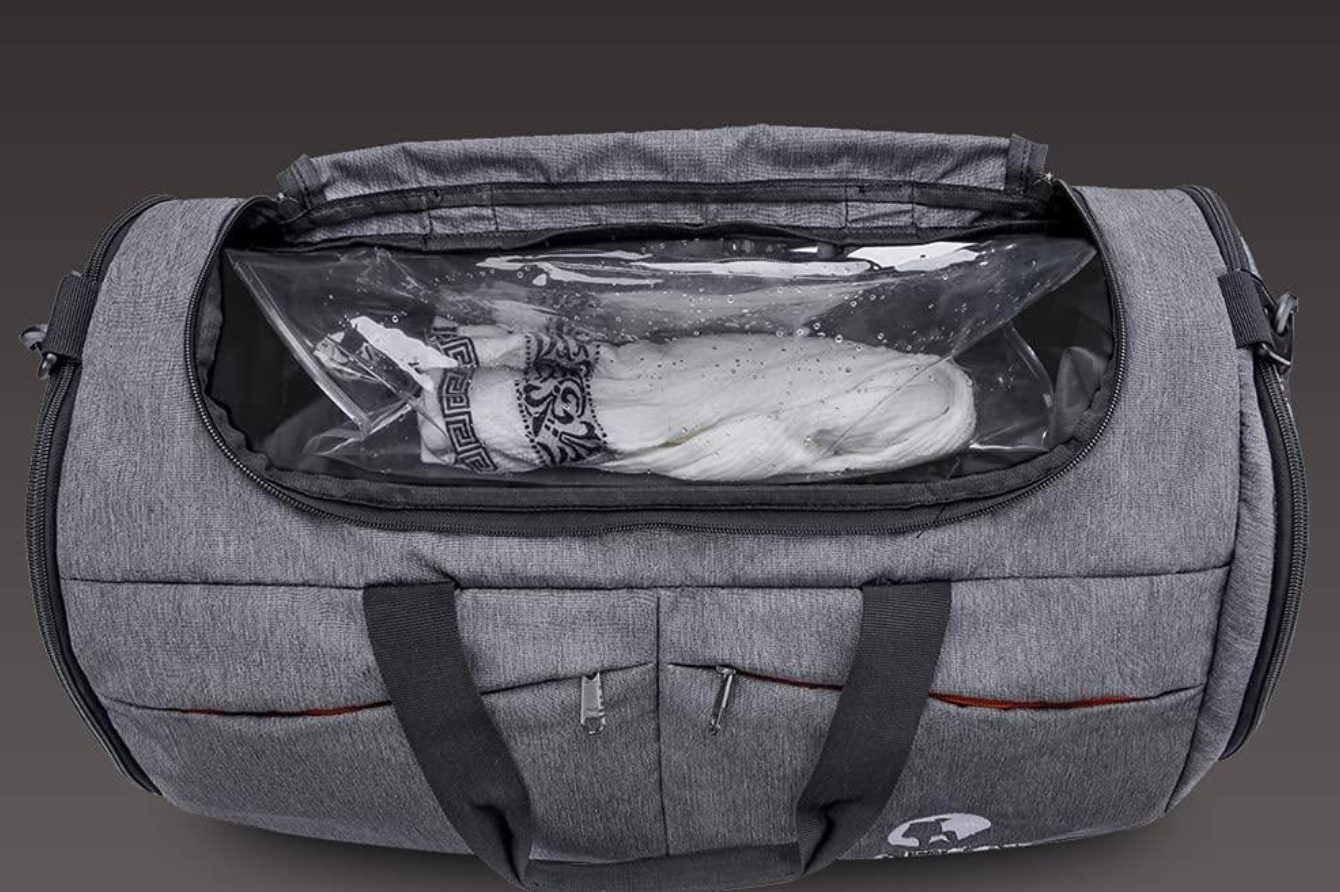
The main drawbacks are a total lack of privacy, which exposes personal items like medicine or cash. This also creates a security risk, as thieves can easily spot valuables. Plus, they are often flimsy and break easily.
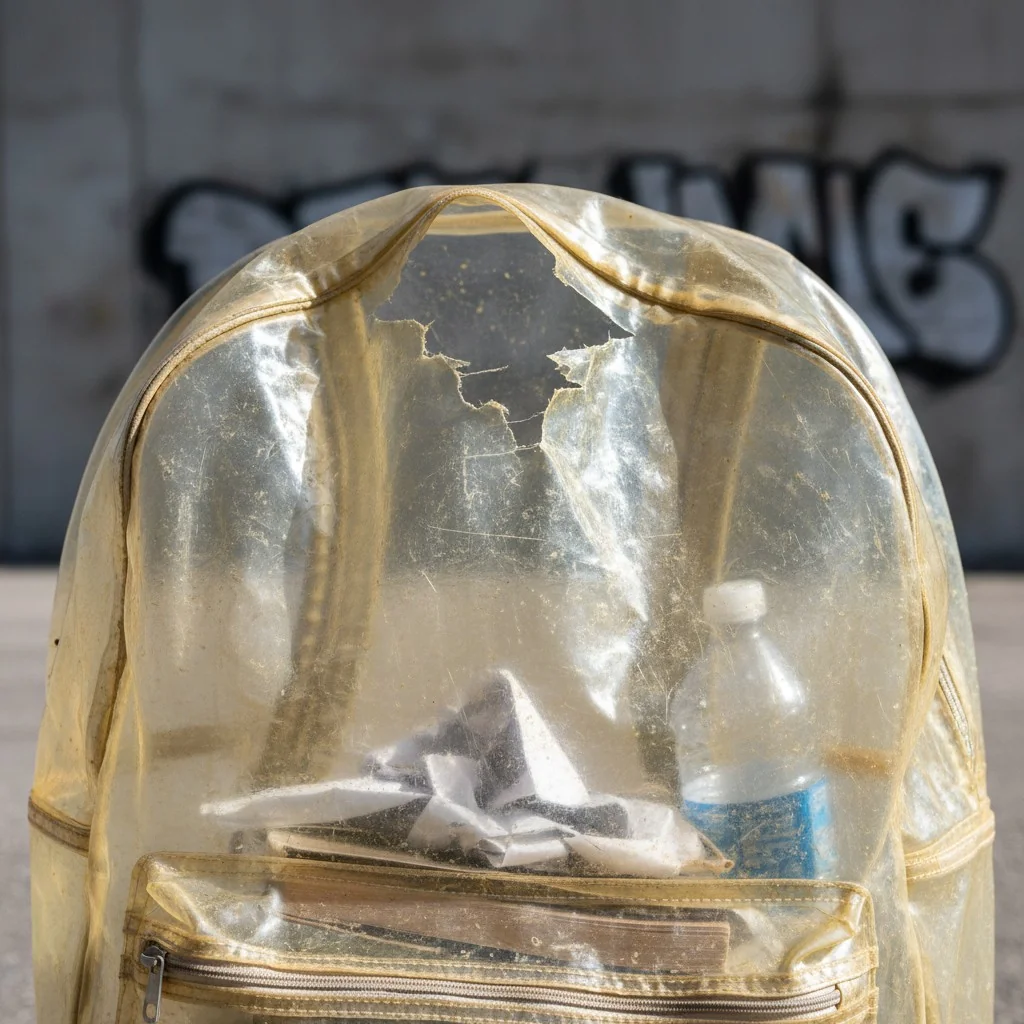
Imagine your customer, Emily. They buy your branded clear bag, and it tears after two uses. Or worse, someone sees their wallet inside and snatches their bag. That negative experience is now tied directly to your brand. In my experience, products with low durability6 lead to bad reviews and high return rates, which can be devastating for a growing business.
A bag should make the owner feel confident and secure, but clear bags often do the opposite. They broadcast a person’s private life to the world and are often made from materials that just don’t last. This isn’t a foundation you want to build your brand’s reputation on.
Key Drawbacks Explained
| Drawback | Impact on the User | Impact on Your Brand |
|---|---|---|
| Privacy | Exposes personal items like medication, hygiene products, and cash to public view. | Your brand is associated with a product that feels invasive and uncomfortable. |
| Security | Allows thieves to easily identify and target valuable items like phones, wallets, and keys. | Your products could be seen as making customers less safe, not more. |
| Durability | Made from cheap PVC that easily tears, cracks, and yellows, especially in sun or cold. | Leads to customer dissatisfaction, negative reviews, and a reputation for low quality. |
[claim claim=”Most clear bags are not recyclable in standard municipal recycling programs.” istrue=”true” explanation=”PVC (Vinyl #3) and other plastics used for clear bags are difficult to recycle and are not accepted by most curbside recycling services, meaning they almost always end up in landfills.”]
[claim claim=”Bio-based clear plastics are a widely available and biodegradable alternative.” istrue=”false” explanation=”While some bio-plastics exist, they are not yet widely used for clear bags, can be expensive, and often require specific industrial composting conditions to break down, which are not commonly available.”]
What Is the Environmental Impact of Clear Bags?
Today’s consumers care about sustainability7. Offering disposable plastic bags can damage your brand’s eco-friendly image and turn away conscious buyers. Let’s look at the real cost.
Clear bags have a significant negative environmental impact. Most are made from non-biodegradable plastics like PVC, which pollute landfills for centuries. Their production consumes fossil fuels, and their typical short lifespan creates a constant cycle of waste.

Emily, you’ve worked hard to build a brand that people trust. Aligning with single-use or short-lifespan plastics can send the wrong message to your audience. I always advise my partners to think about the product’s entire lifecycle. A bag that ends up in a landfill after a few uses isn’t just waste; it’s a wasted branding opportunity8.
Consumers are getting smarter about "greenwashing" and are looking for brands that are genuinely committed to sustainability. Offering a product that is fundamentally unsustainable can undermine all your other efforts to build an eco-conscious brand. It’s a contradiction that savvy customers will notice.
Environmental Breakdown
| Aspect | Impact |
|---|---|
| Material | Typically made from PVC, a petroleum-based plastic that is hard to recycle. |
| Production | Energy-intensive process that contributes to carbon emissions. |
| Lifespan | Often designed for short-term use, leading to a "disposable" mindset. |
| End-of-Life | Not biodegradable; sits in landfills for hundreds of years, breaking into microplastics. |
[claim claim=”Many school and event policies specify the maximum dimensions for a clear bag.” istrue=”true” explanation=”For example, the NFL policy limits clear bags to 12′ x 6′ x 12′. Schools and other venues have similar specific size restrictions that go beyond just the material being clear.”]
[claim claim=”Any bag made of clear plastic is automatically compliant with all venue policies.” istrue=”false” explanation=”Compliance depends on multiple factors, including size, number of compartments, and even the size of logos. A bag can be clear but still be rejected if it violates other rules.”]
Are Clear Backpacks Always Compliant with Policies?
You think a clear bag is a simple solution for policy compliance. But what if your customers get turned away at the gate? The rules are trickier than they seem.
While clear bags are designed for compliance, they don’t always meet the specific rules of every venue or school. Policies often have strict size limits, restrictions on logos, or rules against extra pockets, which can make a "compliant" bag non-compliant.
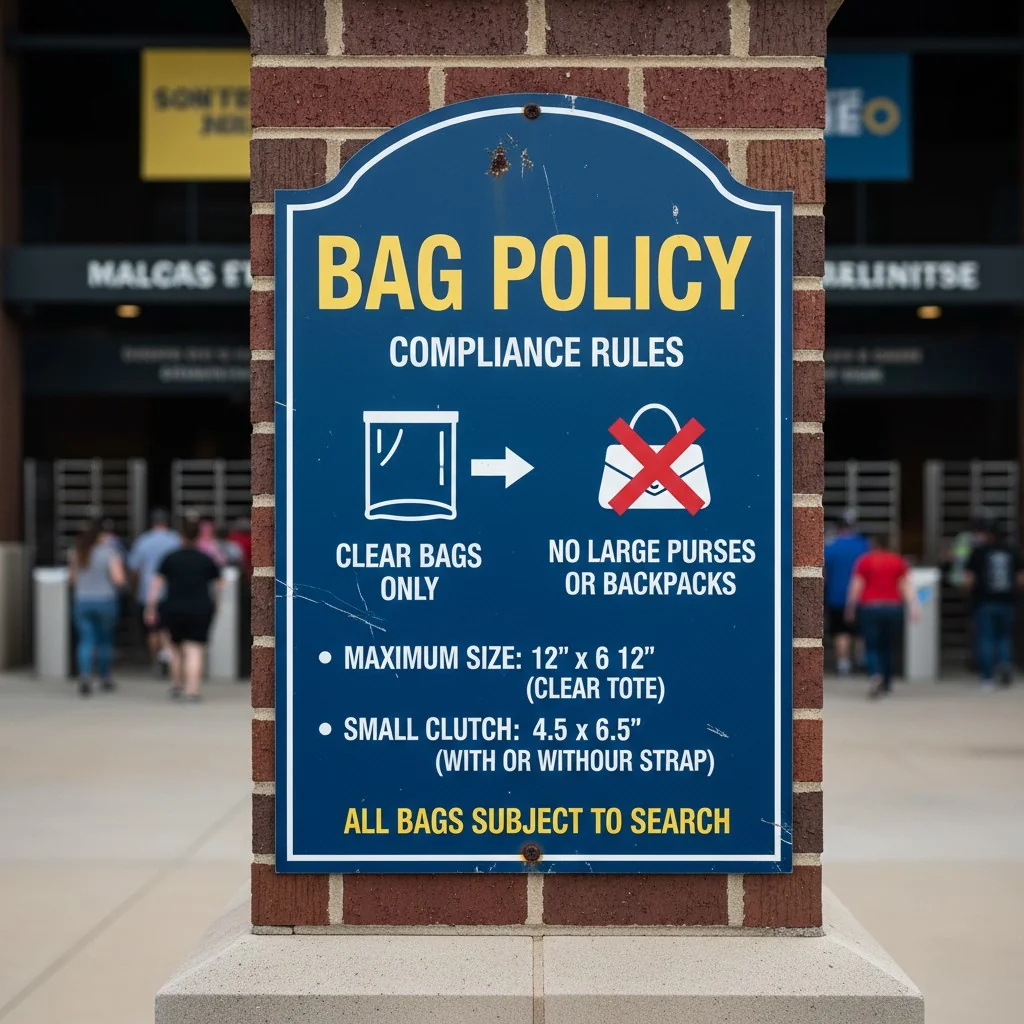
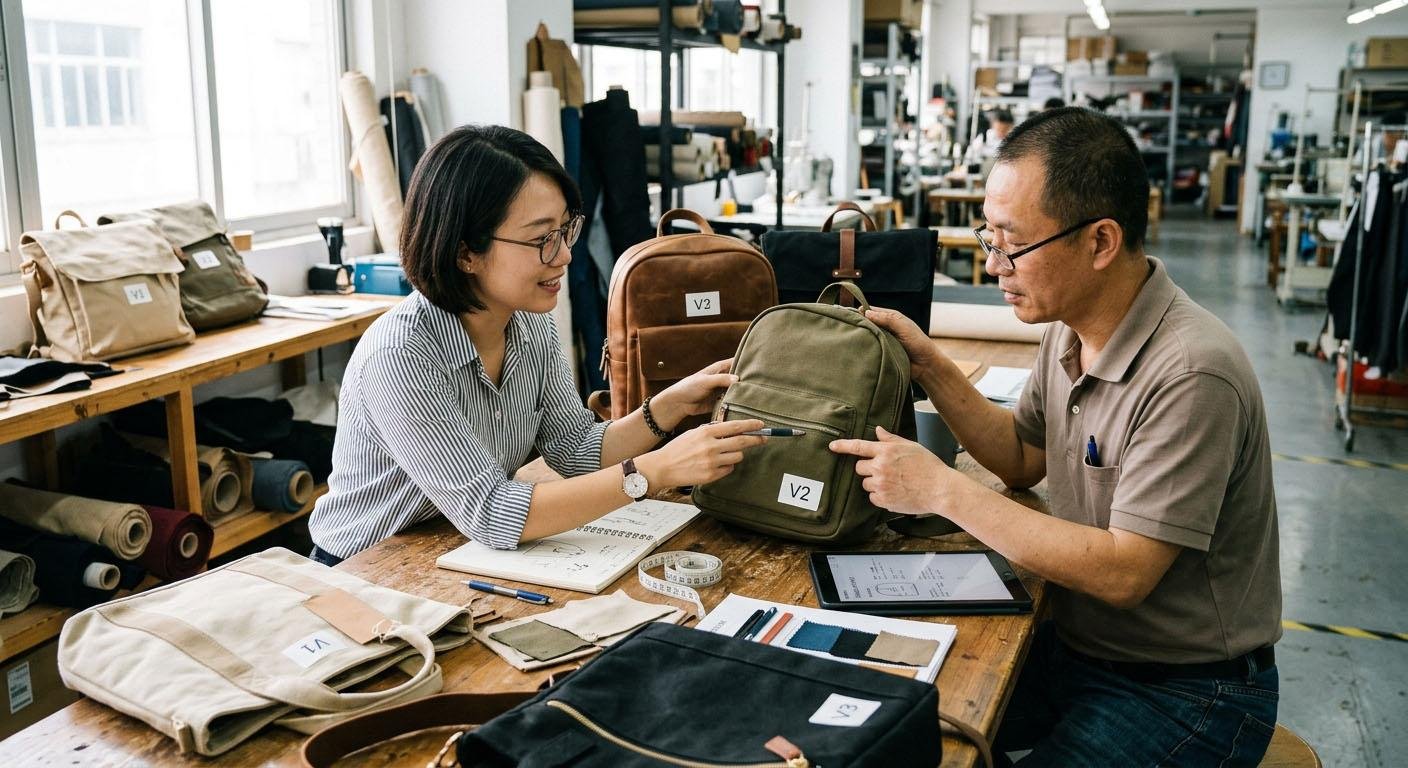
I’ve seen this happen firsthand. A brand produces a "one-size-fits-all" clear bag, but a major sports league has a slightly smaller size requirement. Suddenly, you have angry customers and useless inventory. It’s crucial to understand that "clear" is just one part of the rule. As a manufacturer, I’ve had to create very specific spec sheets for clients to navigate these policies.
A small, colored logo might be fine for one venue but forbidden at another. An extra unapproved pocket can get a bag rejected. Relying on "clear" as the only feature is a risky business strategy that can lead to customer frustration.
Common Policy Requirements to Watch For
| Requirement | Common Specification | Why It Matters |
|---|---|---|
| Size | Often limited to 12" x 6" x 12" or smaller. | A bag that is too large will be rejected, even if it’s clear. |
| Pockets | Many policies forbid bags with multiple or internal pockets. | A design with extra compartments may not be compliant. |
| Logos | Some venues restrict the size of logos on the bag. | A large, prominent brand logo could make the bag non-compliant. |
[claim claim=”The material used in most clear bags offers little to no structural support.” istrue=”true” explanation=”The flexible PVC or TPU plastic used in clear bags typically lacks the rigidity and internal structure of fabric bags, leading to a saggy appearance and poor organization.”]
[claim claim=”Clear bags offer more organizational options than fabric bags.” istrue=”false” explanation=”The opposite is true. Fabric bags allow for numerous internal and external pockets, dividers, and sleeves that are not feasible or practical in a fully transparent bag.”]
How Do Clear Bags Limit Style, Organization, and Comfort?
Your brand is built on style and function. Clear bags strip away both, offering a generic look with no organization and poor comfort. This is a step backward.
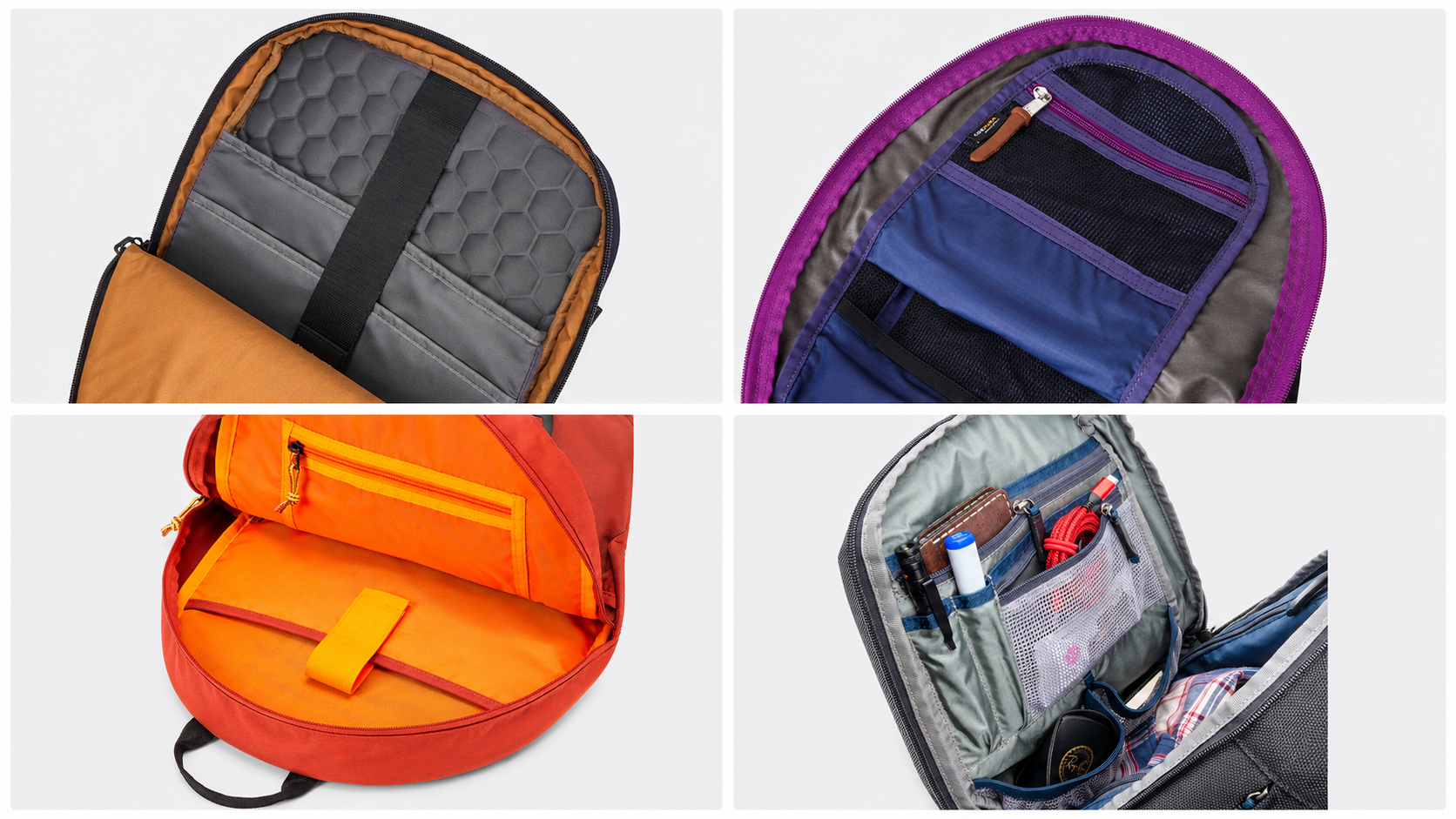
Clear bags limit style because they are a blank, transparent canvas with few design options. Organization is a mess, as all items are jumbled together visibly. They also lack comfort features like padded straps or back panels found in traditional bags.
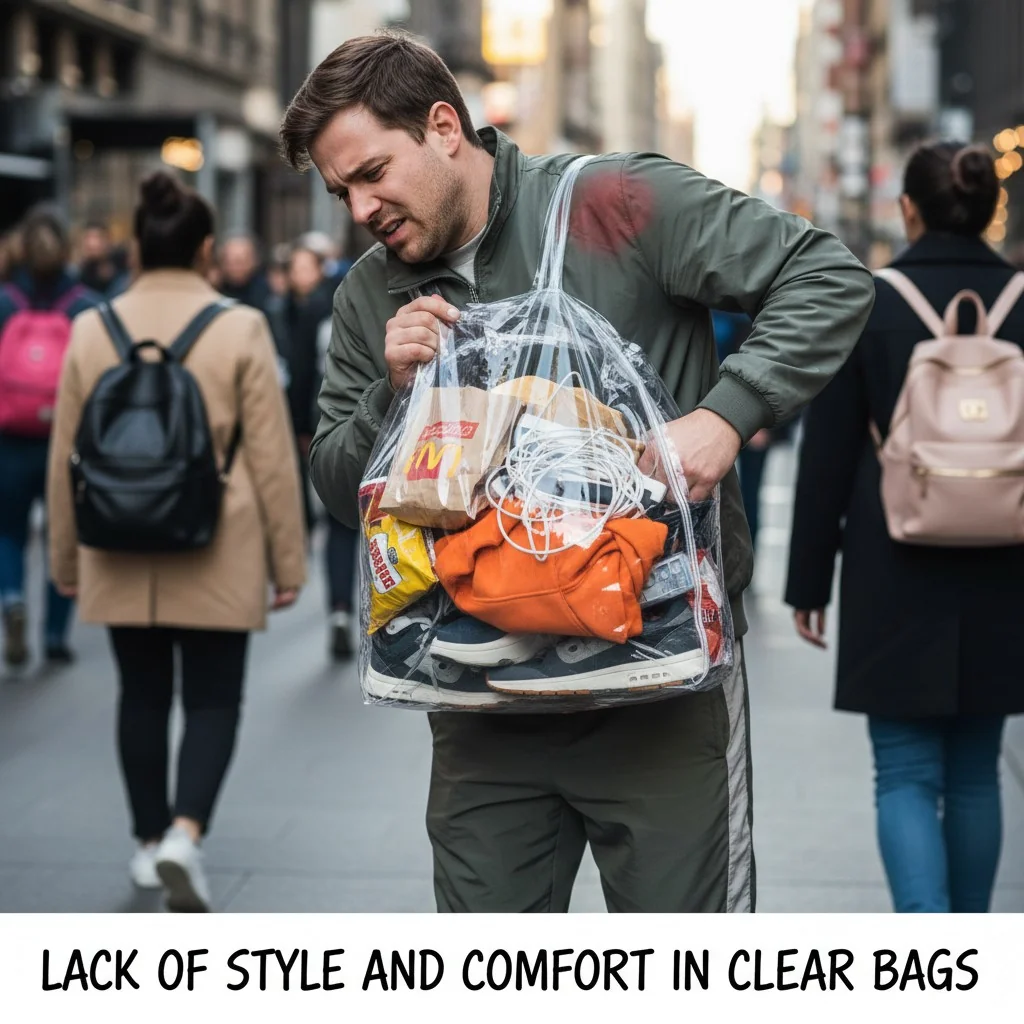
As a designer yourself, Emily, you know a bag is more than just a container; it’s an accessory. It’s a statement. A clear bag removes your ability to use color, texture, and clever design to tell your brand’s story. I always ask my clients: "Does this product truly represent your brand’s commitment to style and quality?" For clear bags, the answer is almost always no. They lack the thoughtful features—like padded laptop sleeves, key leashes, or comfortable straps—that make a bag truly great. Offering one feels like a compromise on the very values that make your brand special.
Clear Bags vs. Traditional Bags
| Feature | Clear Bags | Traditional Fabric Bags |
|---|---|---|
| Style | Generic and uniform. Limited options for color, pattern, or material texture. | Endless possibilities for design, branding, and personal expression. |
| Organization | Minimal to none. Items are jumbled together in one visible compartment. | Multiple pockets, dividers, and sleeves for effective organization. |
| Comfort | Often have simple, unpadded plastic straps. No back ventilation. | Feature padded straps, ergonomic back panels, and breathable materials. |
[claim claim=”Most event policies that require clear bags also allow for a small, non-clear clutch or wallet.” istrue=”true” explanation=”Policies like the NFL’s allow a small clutch bag (around 4.5′ x 6.5′), with or without a handle or strap, in addition to the larger clear bag. This provides a privacy option.”]
[claim claim=”There are no stylish alternatives to clear bags that are compliant with event policies.” istrue=”false” explanation=”Small, well-designed clutches, wristlets, and belt bags that adhere to the size restrictions are excellent, stylish alternatives that many venues permit.”]
What Are Better Alternatives to Clear Bags?
Your customers need compliant bags, but you don’t want to sacrifice quality. There’s a better way. Let’s explore stylish, functional alternatives that still meet the rules.
Better alternatives include small, solid-colored crossbody bags, clutches, or wristlets that fit within venue size limits. For a branded solution, consider creating custom, policy-compliant small bags from quality materials that showcase your brand’s style and durability.

Here is where the opportunity lies for your brand, Emily. Instead of a cheap clear bag, why not design a beautiful, small clutch in your brand’s signature colors that fits the 4.5" x 6.5" "small bag" exception at most venues? This is a chance to create a desirable, reusable, and brand-building product. I’ve helped clients develop "stadium-approved" mini-bags and belt bags that became bestsellers because they offered style and compliance. Customers are happy to buy a small, stylish bag they can use again and again, both at events and for a night out. This approach turns a restrictive policy into a creative design challenge and a new revenue stream.
Smart Alternatives for Your Brand
| Alternative | Why It Works | Branding Opportunity |
|---|---|---|
| Small Clutch/Wristlet | Complies with the "small non-clear bag" exception in most policies. | Create a chic, reusable accessory that customers will use beyond the event. |
| Belt Bag/Fanny Pack | If it fits the size limits, it’s a hands-free, stylish, and compliant option. | A trendy item that aligns with modern fashion and can be heavily branded. |
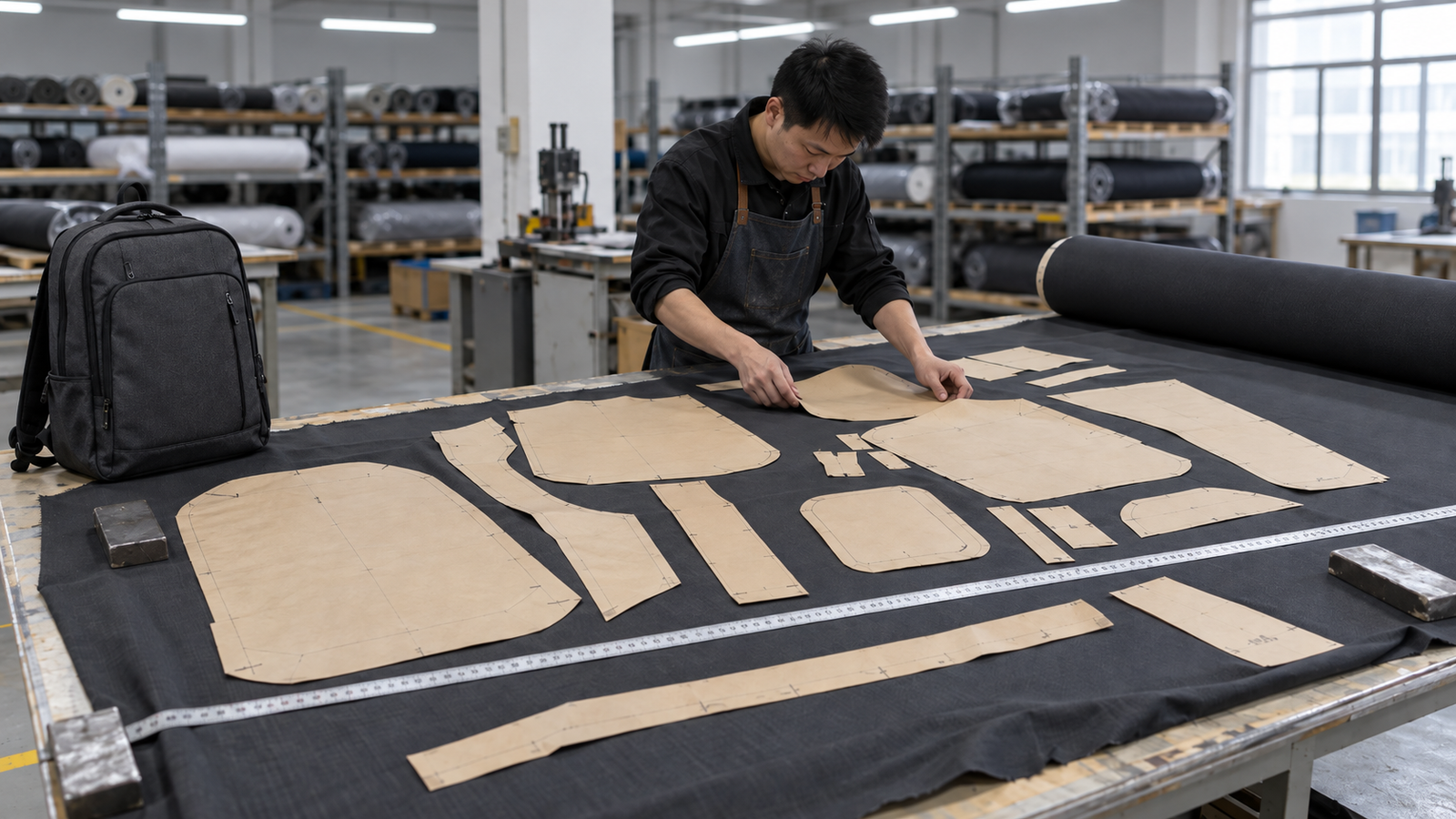
| Custom Compliant Bag | Design a bag from quality fabric that meets the exact size rules (e.g., 12x6x12). | Offer a unique, durable solution that stands out from the sea of clear plastic. |
Frequently Asked Questions (FAQ)
Are clear bags really safer?
Not necessarily. While they help security staff perform a quick visual scan, they can actually decrease personal security. By making your valuables visible to everyone, they can make you a more attractive target for thieves.
Why do clear bags turn yellow?
Most clear bags are made from PVC (polyvinyl chloride). This plastic degrades when exposed to UV light from the sun and heat. This chemical reaction causes the material to turn yellow and become more brittle over time. It’s a clear sign of low-quality material.
Can I offer a high-quality clear bag?
You can use better materials like TPU (thermoplastic polyurethane), which is more durable and resistant to yellowing than PVC. However, even a high-quality clear bag still has the fundamental drawbacks of no privacy and limited style. A better strategy for a quality-focused brand is to design stylish, non-clear bags that meet the small-bag size exceptions in venue policies.
Conclusion
Clear bags are a poor choice for quality-focused brands. Instead, focus on creating stylish, durable, and compliant small bags that truly represent your brand and delight your customers.
References
-
Understanding privacy issues can help brands avoid potential customer dissatisfaction and security risks. ↩
-
Learning about the environmental effects of materials can help brands align with eco-conscious consumer values. ↩
-
Knowing compliance requirements can prevent costly mistakes and enhance customer experience. ↩
-
Understanding these mandates can help brands navigate compliance while offering better alternatives. ↩
-
Exploring the intersection of fashion and functionality can inspire brands to innovate beyond clear bags. ↩
-
Exploring durability differences can guide brands in making better product choices that enhance customer satisfaction. ↩
-
Exploring sustainable options can help brands attract eco-conscious consumers and enhance their image. ↩
-
Identifying branding opportunities can help brands differentiate themselves in a competitive market. ↩