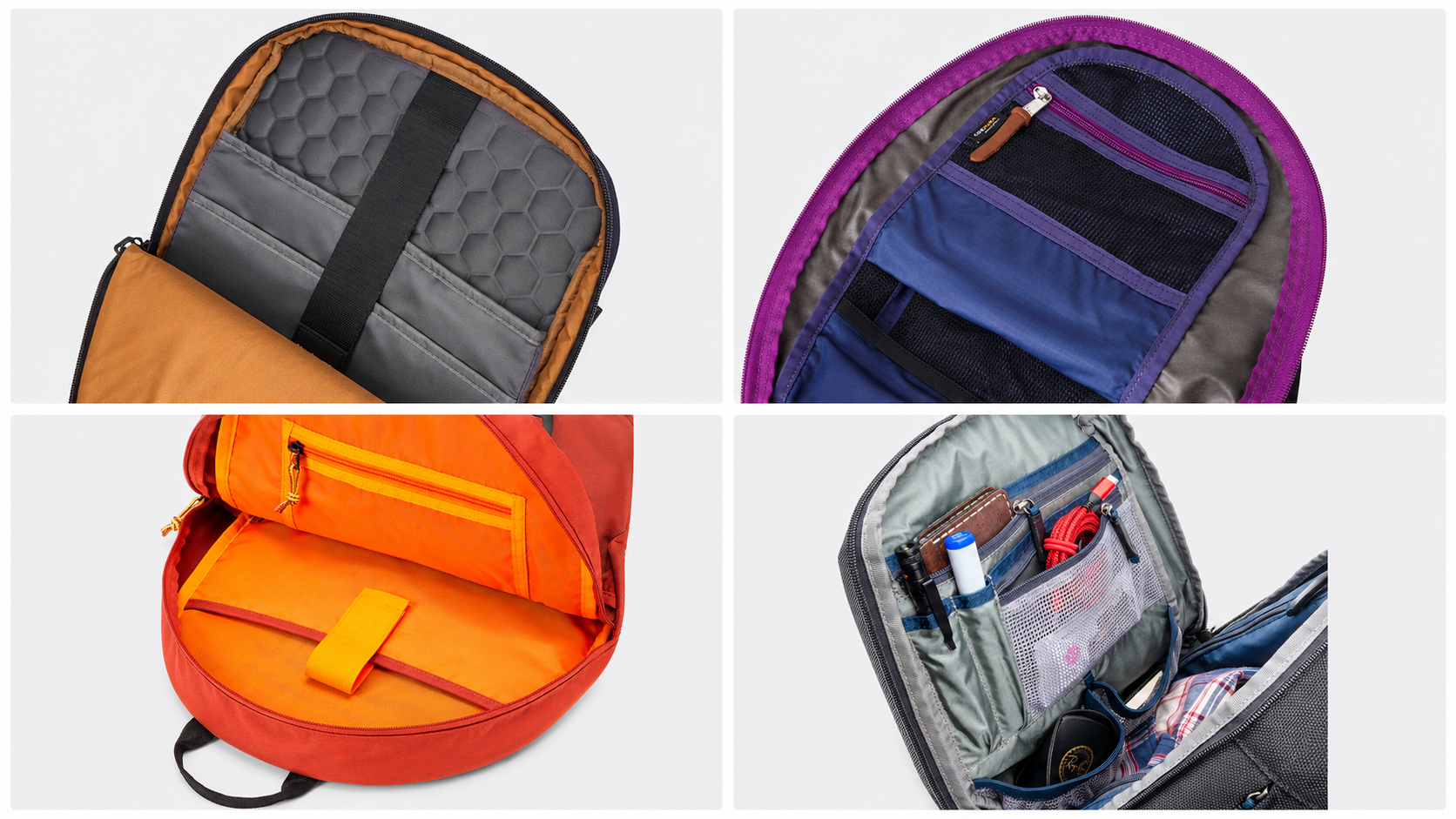
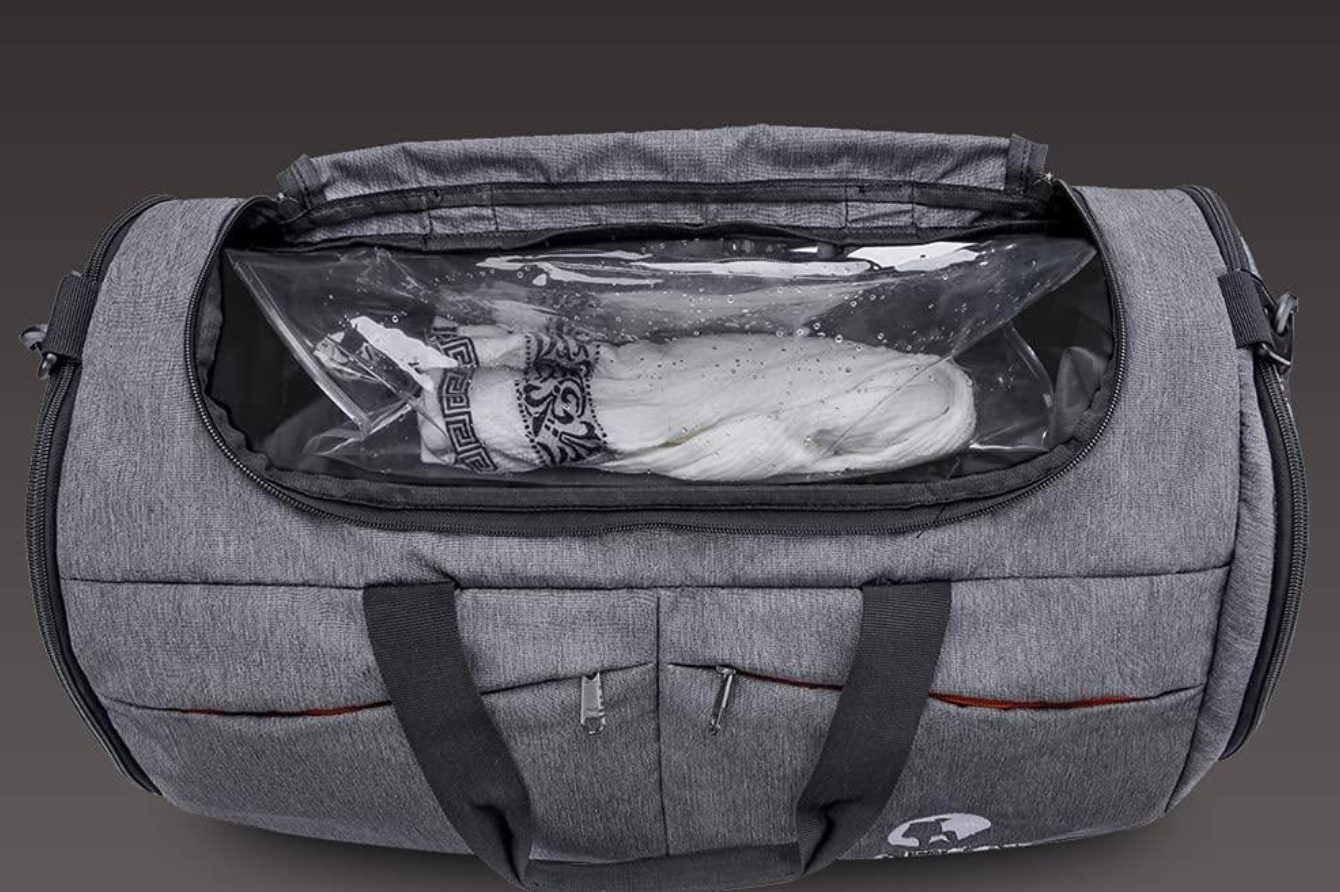
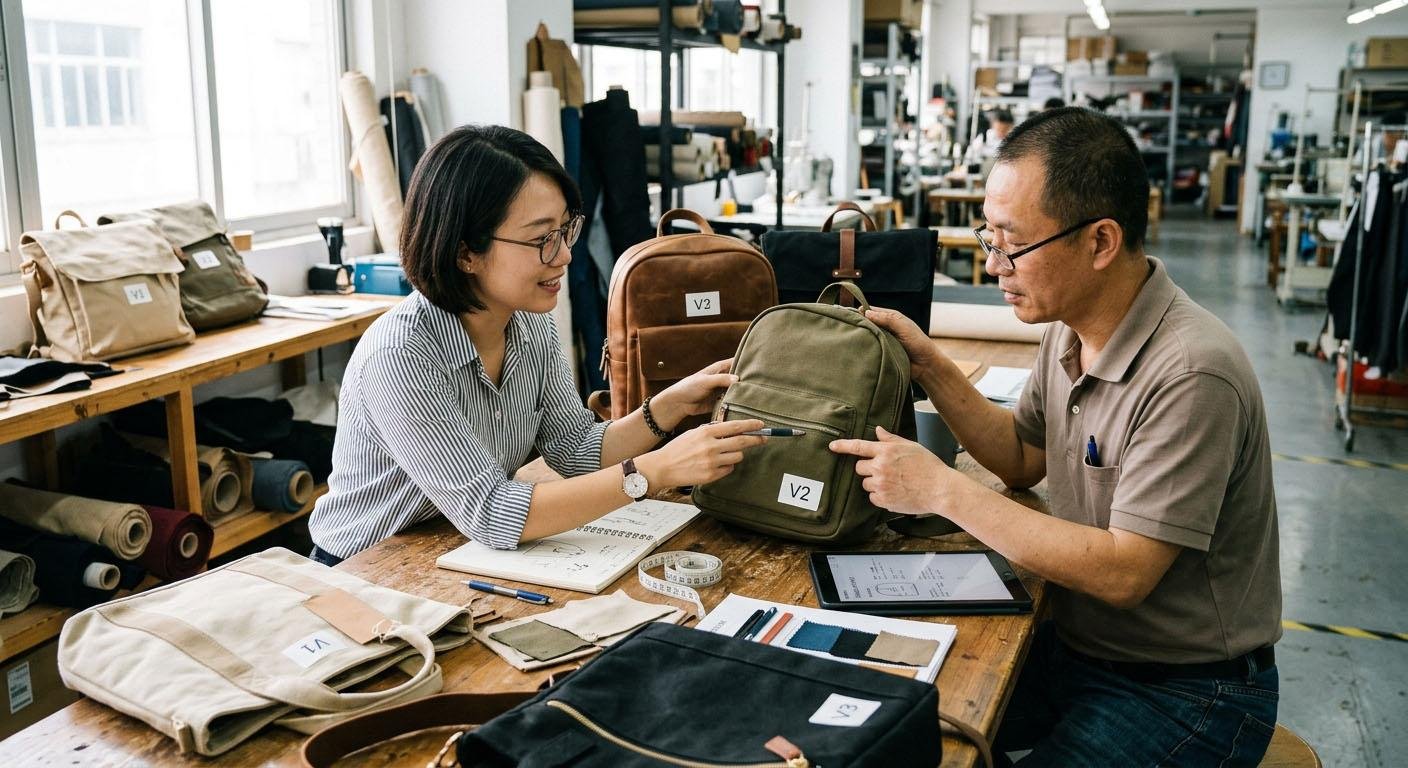
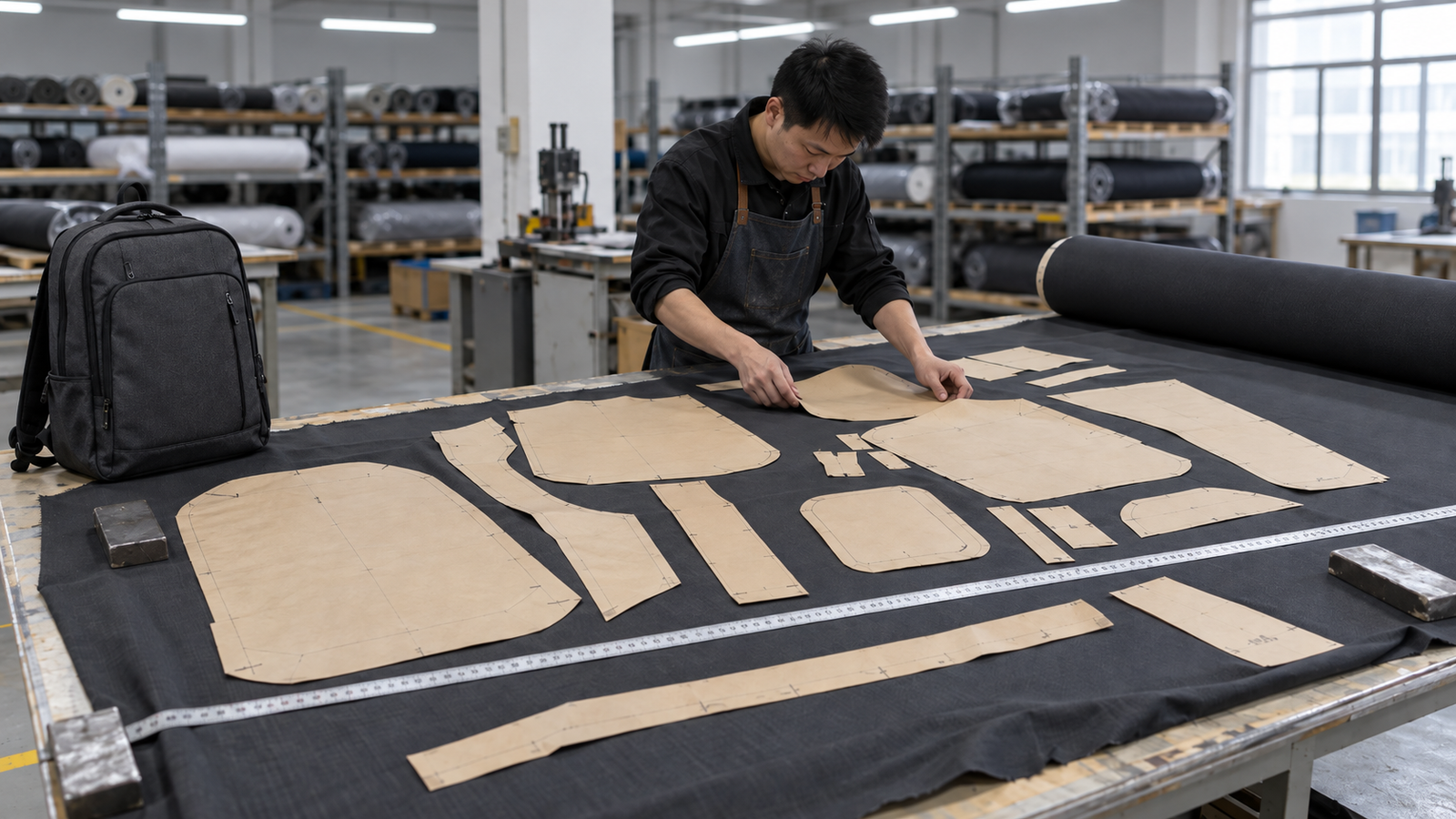
If you’re a rider, you know that every piece of gear matters. Your helmet, your jacket, your gloves—they’re all chosen for a specific purpose. But what about the bag on your back?
Motorcycle backpacks1 are essential for rider safety, stability, and comfort. They feature secure harnesses, aerodynamic designs, and protective elements like back protector pockets, making them far superior to regular bags for riding.

I’ve seen many brands develop their own lines of rider gear, and the difference a specialized bag makes is huge. It’s not just about carrying things; it’s about how you carry them. Let’s break down exactly what makes these bags so special and why you might need one.
[claim claim=”A properly secured motorcycle backpack can reduce rider fatigue on long journeys.” istrue=”true” explanation=”By minimizing wind drag and preventing weight from shifting, the backpack reduces strain on the rider’s shoulders, neck, and back.”]
[claim claim=”All motorcycle backpacks are 100% waterproof.” istrue=”false” explanation=”Many are highly water-resistant, but only those made with materials like PVC or tarpaulin with welded seams or roll-top closures are truly waterproof.”]
What Are the Main Benefits of Using a Motorcycle Backpack?
Worried about your bag shifting at high speeds? This instability is distracting and dangerous. A motorcycle backpack locks securely to you, improving safety, stability, and overall comfort on every ride.
The main benefits are enhanced safety, stability, and comfort. They use secure harnesses2 to prevent shifting, have aerodynamic shapes to reduce wind drag, and often include pockets for back protectors for added impact protection.

When I work with brands designing their first rider-focused line, we always start with these core principles. It’s about more than just looks.
Safety is Paramount
-
Aerodynamic Design: Unlike bulky, boxy bags, motorcycle backpacks are streamlined to cut through the wind. This drastically reduces drag and buffeting at high speeds, preventing the bag from pulling or pushing you unexpectedly and contributing to a more stable, controlled ride.
-
Secure Harness System: The most critical feature is the harness. With adjustable chest (sternum) and waist straps, the backpack is locked onto your torso. This prevents it from shifting during turns, braking, or acceleration, ensuring it never interferes with your balance or control.
-
Enhanced Visibility: Most motorcycle backpacks integrate highly reflective materials, logos, or entire panels. This makes you significantly more visible to other drivers in low-light conditions, fog, or at night—a simple feature that is a massive safety boost.
Built-in Protection: Many premium models come with pockets for CE-rated back protectors, adding an extra layer of impact protection that a regular backpack could never offer.
Riding-Specific Comfort & Ergonomics
A motorcycle backpack is contoured to fit a rider’s posture, whether you’re in an aggressive sportbike crouch or an upright touring position. The straps are designed to avoid bunching up around the shoulders and neck, allowing for unrestricted movement when turning your head to check blind spots.
Furthermore, advanced designs feature ventilated back panels and airflow channels to minimize sweat, keeping you cooler and more comfortable on long rides.
Durability & All-Weather Protection
The open road is harsh. Motorcycle backpacks are constructed from rugged, abrasion-resistant materials designed to withstand the elements and a potential slide. Paired with waterproof or highly water-resistant materials3 and zippers, they ensure your precious cargo—be it a laptop, camera, or change of clothes—stays completely dry, no matter what the weather throws at you.
[claim claim=”Using a motorcycle backpack with a CE-rated back protector can significantly increase spinal protection in a crash.” istrue=”true” explanation=”The back protector is designed to absorb and distribute impact forces, reducing the risk of serious injury.”]
[claim claim=”Motorcycle backpacks are only for sportbike riders.” istrue=”false” explanation=”There are many types of motorcycle backpacks designed for commuters, tourers, and adventure riders, not just sportbike enthusiasts.”]
How Do Motorcycle Backpacks Differ from Regular Backpacks?
Thinking your school or hiking bag is fine for your motorcycle? It lacks the right features, making it unsafe and unstable at speed. Motorcycle backpacks are purpose-built with key differences.
They differ in four key ways: a secure harness system with chest/waist straps, an aerodynamic shape to reduce drag, durable and abrasion-resistant materials, and integrated safety features like reflective panels and back protector compatibility.

The differences are not just small details; they are fundamental design choices. When I’m helping a client like Olivia develop a new product line, we create a spec sheet that highlights these critical distinctions. A regular backpack simply can’t meet the demands of riding.
Still not convinced? Here’s a direct comparison:
| Feature | Motorcycle Backpack | Regular Backpack |
|---|---|---|
| Shape & Aerodynamics | Streamlined, low-profile, and rigid to minimize wind drag. | Often bulky and shapeless, acting like a sail at speed. |
| Harness System | Secure chest and waist straps to eliminate shifting and distribute weight. | Basic shoulder straps that allow the bag to move freely. |
| Materials & Durability | Made from abrasion-resistant fabrics like Cordura or ballistic nylon. | Typically made from standard polyester or cotton, offering little protection. |
| Rider-Focused Features | Waterproofing, reflective elements, helmet carriers, hydration pack compatibility. | General-purpose pockets, laptop sleeves of varying quality. |
The harness system is the most obvious difference. It keeps the bag from becoming a sail. The materials are also a huge factor. We use high-denier, abrasion-resistant fabrics4 because, in a slide, the bag needs to hold up and protect its contents, and not tear open instantly.
[claim claim=”Cordura® fabric is a popular choice for motorcycle gear due to its high abrasion resistance.” istrue=”true” explanation=”Cordura® is a brand of high-tenacity nylon fabric known for its exceptional durability and resistance to tears and scuffs.”]
[claim claim=”Motorcycle backpacks are always heavier than regular backpacks.” istrue=”false” explanation=”While some heavy-duty models can be heavier, many aerodynamic and commuter-focused motorcycle backpacks are designed to be lightweight to reduce rider fatigue.”]
What Are the Different Types of Motorcycle Backpacks?
Not sure which type of motorcycle backpack fits your ride? The wrong choice can be impractical or uncomfortable. Let’s explore the main categories to find your perfect match.
The main types are Aerodynamic/Sport packs with hard shells for high speeds, versatile Commuter/Daily packs with soft shells for everyday use, and rugged, waterproof Adventure/Touring packs designed for long distances and all weather.

Choosing the right type is all about matching the bag to the rider’s lifestyle. I always ask my clients, "Who is this for?" A sportbike rider has very different needs than a weekend tourer. Here are the main styles we typically develop:
- Aerodynamic/Sport Packs (Hard Shell): These are for speed. The rigid shell is great for aerodynamics and protecting fragile gear like a laptop. Sportbike riders love them.
- Commuter/Daily Use Packs (Soft Shell): This is the most popular category. They blend rider-specific safety features with the practicality of a normal backpack, making them perfect for daily trips to the office.
- Adventure/Touring Packs (Waterproof): Built for the long haul. These often use a roll-top design and fully waterproof materials like PVC. They are essential for riders who face unpredictable weather.
What other types of motorcycle bags are there besides motorcycle backpacks?
Of course, backpacks aren’t the only option.
While a backpack is a versatile choice, the world of motorcycle luggage offers a wide array of specialized bags designed to carry gear safely and efficiently without putting strain on the rider. These options mount directly to the motorcycle, improving comfort, stability, and carrying capacity.
1. Saddlebags / Panniers
- Hard Saddlebags/Panniers: Made from materials like aluminum or ABS plastic, they offer superior security with built-in locks and the best protection against weather and impacts. They are a hallmark of touring and adventure bikes.
- Soft Saddlebags: Constructed from textiles like ballistic nylon, leather, or PVC, these bags are lighter, more flexible, and often more affordable. They are easier to store when not in use and are less likely to be damaged in a minor tip-over.
2. Tail Bags and Duffels
A tail bag is a single piece of luggage that mounts securely to the passenger seat or a rear luggage rack. It’s a highly versatile option suitable for nearly any type of motorcycle.
They come in various sizes, from small pouches for essentials to large duffels that can hold a weekend’s worth of gear. Many are expandable and come with waterproof covers or are made from waterproof roll-top designs.
3. Top Boxes / Top Cases
A hard, lockable case mounted on a rack behind the passenger seat. Top boxes are extremely convenient for commuters and tourers alike.
They offer excellent weather protection and security. However, placing heavy items in a top box can raise the bike’s center of gravity, potentially affecting handling more than saddlebags.

4. Tank Bags
As the name implies, these bags sit on top of the fuel tank and are secured by powerful magnets, straps, or a bike-specific locking ring system
5. Handlebar and Fork Bags
These are small, cylindrical, or rectangular pouches that strap to the handlebars or front forks.
[claim claim=”Roll-top closures on a backpack help create a waterproof seal.” istrue=”true” explanation=”By rolling the top of the bag down several times and clipping it shut, you create a barrier that prevents water from entering the main compartment.”]
[claim claim=”Hard shell backpacks always offer more storage space than soft shell backpacks.” istrue=”false” explanation=”Hard shell packs prioritize aerodynamics and a rigid shape, which can limit their flexibility and total volume compared to expandable soft shell designs.”]
Which Materials Are Best for Motorcycle Backpacks?
Wondering if the fabric of your backpack really matters? A weak material can fail you in a slide or a storm. The right materials provide crucial abrasion resistance and weather protection.
The best materials are high-denier nylons like Cordura® for abrasion resistance, Tarpaulin/PVC for waterproofing, Polycarbonate/ABS for hard shells, and Ripstop Polyester as a durable, cost-effective option. These are chosen for safety and longevity.
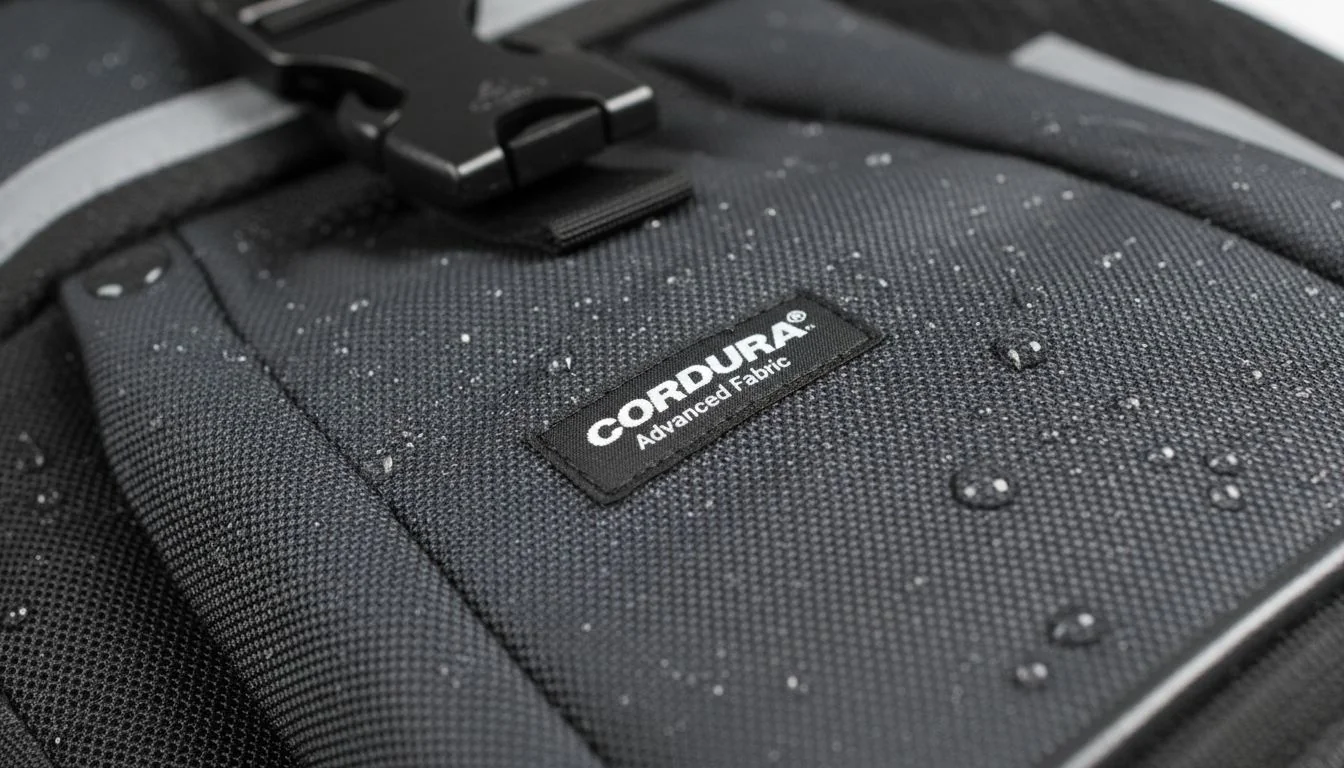
As someone who spends their days sourcing textiles for bag manufacturing, this is a topic I love. The material is the foundation of a quality bag. For a product manager like Olivia, understanding these options is key to creating a premium product. Here’s what we look for:
- High-Denier Nylon (Cordura®, Ballistic Nylon): This is the top choice for soft-shell bags. Its incredible resistance to tearing and abrasion is a non-negotiable safety feature. It can make the difference between your gear staying protected or spilling across the road in a crash.
- Tarpaulin / PVC: When a client needs a 100% waterproof bag, this is what we use. The seams can be welded, not just stitched, creating a perfect seal against water. It’s heavy-duty and built for the worst weather.
- Polycarbonate / ABS Plastic: These plastics are used for hard-shell packs. They provide a rigid, impact-resistant outer case that’s also perfect for creating an aerodynamic shape.
- Ripstop Polyester: A great all-around choice that offers good durability and water repellency at a more accessible price point.
[claim claim=”Welded seams are more waterproof than stitched and taped seams.” istrue=”true” explanation=”Welding fuses the material together, creating a continuous, impervious barrier, whereas stitching creates tiny holes that must be sealed with tape, which can degrade over time.”]
[claim claim=”Leather is the most abrasion-resistant material for motorcycle backpacks.” istrue=”false” explanation=”While durable, high-quality leather is often outperformed in abrasion tests by modern technical fabrics like high-denier Cordura® or Ballistic Nylon.”]
Hard Shell vs. Soft Shell: Which Type of Motorcycle Backpack is Right for Me?
Choosing between a hard shell and a soft shell backpack can be confusing. Each has unique benefits. Your riding style and daily needs will determine which one is the right choice for you.
Choose a hard shell for high-speed riding and protecting fragile electronics, thanks to its superior aerodynamics and rigid case. Choose a soft shell for versatility, off-bike comfort, and better organization for daily commuting or varied use.

This is one of the first decisions a brand has to make when designing a new backpack line. The answer isn’t about which is "better," but which is "right" for the intended user. I always advise my partners to think about the end-user’s primary activity. Here’s a simple guide to help you decide:
Choose a Hard Shell If…
- You are a sportbike rider who values performance.
- You frequently ride at highway speeds.
- You carry a laptop or other fragile electronics every day.
- Key Advantages: Superior aerodynamics and impact protection for contents.
Choose a Soft Shell If…
- You need a versatile, all-around bag.
- You ride different types of motorcycles (commuter, cruiser, adventure).
- You value comfort and flexibility when you’re off the bike.
- You need more pockets and organizational features.
- Key Advantages: More comfortable for walking, flexible storage, and often more internal compartments.
For most daily commuters, a soft shell offers the best balance of features. For performance-focused riders, the hard shell is unmatched.
[claim claim=”Hard shell backpacks generally offer better aerodynamics than soft shell backpacks.” istrue=”true” explanation=”Their rigid, molded shape is designed to allow air to flow smoothly over the surface, reducing wind drag and buffeting at high speeds.”]
[claim claim=”Soft shell backpacks are not durable.” istrue=”false” explanation=”High-quality soft shell packs made from materials like Ballistic Nylon or Cordura® are extremely durable and offer excellent abrasion resistance.”]
What Is the Ideal Size for a Motorcycle Backpack?
Need to carry your essentials but worried about a huge, bulky bag? A bag that’s too big is a safety risk, but too small is useless. Let’s find the perfect size for your needs.
The ideal size depends on your use. 15-25 liters is perfect for daily commuting with a laptop. 25-35 liters works best for weekend trips. 35+ liters is for serious touring, but be mindful of wind drag.

In the bag industry, we measure volume in liters. It’s the most accurate way to understand a bag’s capacity. When a brand asks me for a "daily commuter bag," I immediately think in the 15-25 liter range. It’s about finding that sweet spot between utility and safety. Here’s a quick guide to sizes:
- 15-25 Liters (Small): This is the daily driver. It’s perfect for carrying your essentials to work or school. You can easily fit a 15-inch laptop, a change of clothes, your lunch, and small items. It stays slim and aerodynamic.
- 25-35 Liters (Medium): This is the best all-around size. It’s great for longer commutes or a weekend getaway. It has enough room for a couple of days’ worth of clothes and your daily gear without being overly bulky.
- 35+ Liters (Large): This size is for serious adventure or touring riders. You’d use this to carry camping gear, extensive camera equipment, or supplies for a multi-day trip. With larger bags, you have to be more careful, as they can catch more wind and affect your stability if not packed correctly.
[claim claim=”Backpack capacity is internationally measured in liters.” istrue=”true” explanation=”Liters provide a standard, universal unit of measurement for the internal volume of a bag, making it easy to compare different models and brands.”]
[claim claim=”The bigger the backpack, the better it is for riding.” istrue=”false” explanation=”Overly large backpacks can create significant wind drag, upset the rider’s balance, and become a safety hazard, especially if not packed correctly.”]

How to Choose the Right One: Your Ultimate Buying Guide
Ready to make the switch? Choosing the perfect motorcycle backpack doesn’t have to be complicated. Let’s break it down into three simple steps.
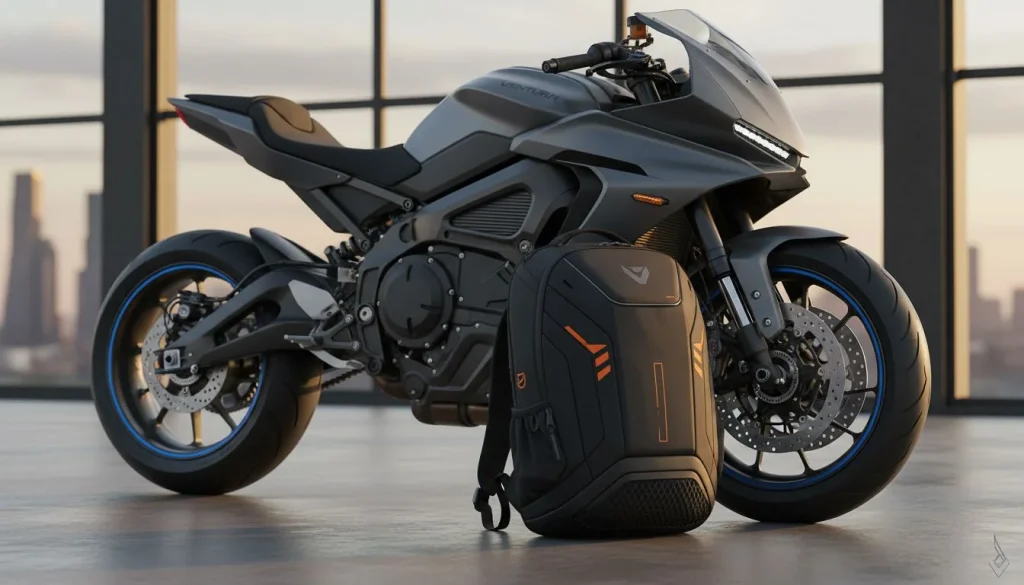
Step 1: Identify the Type
Hard Shell Backpacks: Featuring a rigid outer shell (often polycarbonate or carbon fiber), these offer the best aerodynamic performance and superior protection for fragile items like electronics.
- Perfect for: Urban commuters, sportbike riders, and anyone prioritizing aerodynamics and crush protection.
Soft Shell Backpacks: These are the most versatile option, made from durable textiles. Their flexibility allows for expandable storage and a wider variety of pockets and external attachment points.
- Perfect for: Long-distance tourers, adventure riders, and daily riders who need flexibility.
Roll-Top Backpacks: The top choice for guaranteed waterproofing. The roll-top closure creates an impenetrable seal against water, making them ideal for all-weather riders.
- Perfect for: Riders in rainy climates and anyone who cannot risk their gear getting wet.
Step 2: Consider the Material
Ballistic Nylon / Cordura: This is the gold standard for abrasion resistance and durability. If you want a pack that will last for years and offer serious protection, look for high-denier ratings (e.g., 1000D).
Leather & Canvas Blends: For riders who value aesthetics as much as function, leather and waxed canvas offer a classic, vintage look. While durable, they may require more maintenance and might not offer the same level of waterproofing as modern technical fabrics.
PVC / Tarpaulin: If 100% waterproofing is your non-negotiable priority, materials like PVC tarpaulin are what you need. They are completely impervious to water, though sometimes at the cost of breathability.
Step 3: Find the Ideal Size
Motorcycle backpack capacity is measured in liters. Choosing the right size depends entirely on your needs.
- Under 20 Liters: Ideal for the daily commuter. Perfect for a laptop, a notebook, lunch, and other small essentials without being bulky.
- 20-30 Liters: The sweet spot for versatility. Large enough for a weekend trip, carrying gym clothes, or a small grocery run. This is the most popular size range.
- 30+ Liters: Built for the long haul. This size is for serious motorcycle touring, capable of holding multiple days’ worth of clothing, tools, and gear.
Conclusion: Invest in Your Next Ride
A proper motorcycle backpack is far more than just a way to carry your things—it’s a fundamental piece of equipment that enhances your safety, comfort, and focus on the road. By eliminating distractions from a shifting load and protecting your valuables from the elements, it allows you to simply enjoy the ride.
Now that you’re armed with this knowledge, you can confidently choose the backpack that will become your most trusted companion on the road. Ride safe.
References
-
Explore how motorcycle backpacks enhance rider safety and comfort, making them essential for every motorcyclist. ↩
-
Learn about the importance of secure harnesses in motorcycle backpacks for stability and rider safety. ↩
-
Investigate the best materials for ensuring your motorcycle backpack keeps your gear dry in wet conditions. ↩
-
Explore the top fabrics that provide durability and protection for motorcycle backpacks. ↩