Three months ago, I received a confusing email from a new client in Philadelphia. The subject line read: "Quote needed for 5,000 High-School Bookbags."
Attached to the email was a reference photo of a tactical, multi-compartment hiking bag with a hydration bladder 1.
I paused. In the manufacturing world, what he sent me was a Backpack (vertical, double-strapped, zippered). But he kept calling it a Bookbag2. If I were a linguist, I’d say they are synonyms. But as a factory who has to cut the fabric and stitch the seams, I know that technically, they are not the same beast.

If you type "Bookbag vs Backpack" into Google, most articles will tell you "it’s just a regional word choice." They aren’t wrong—especially in New York and Philly, everything is a "bookbag."
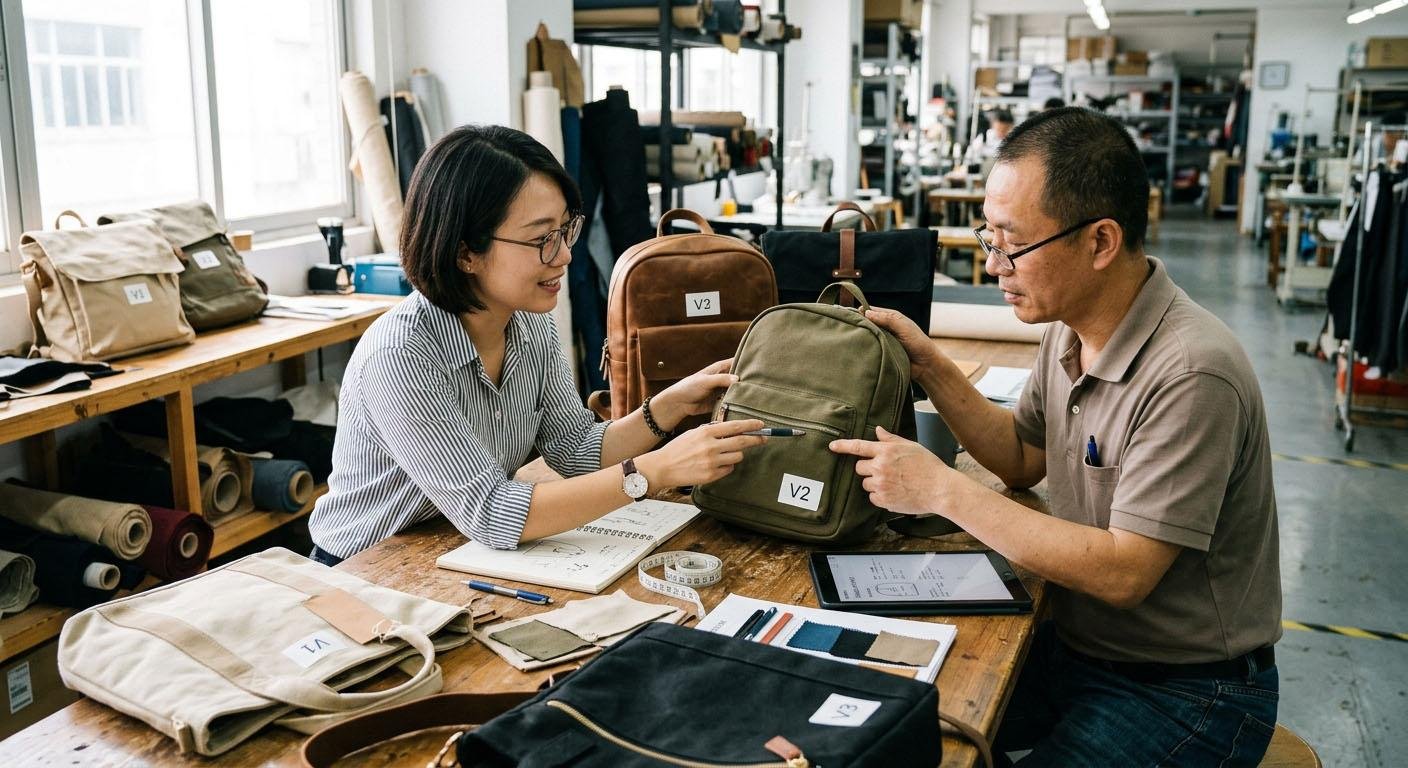
But when I look at a tech pack 3 (design blueprint) on my assembly line, a traditional "Bookbag" has a different center of gravity, a different closure system, and a different handle priority than a modern "Backpack."
In this post, I’m going to clear up the confusion. I’ll break down the differences from a production perspective, explain why your location dictates which word you use, and help you decide which style is right for your brand catalog.
Are "Bookbag" and "Backpack" the Same Thing?
If you walk into a school in New York or Philadelphia, you will hear these words used interchangeably. However, if you walk into my factory and hand me a "Tech Pack" (design blueprint), these two words mean very different things.
The short answer is: In casual language, yes, they are synonyms. But in manufacturing and design structure, they are two distinct types of bags with different orientations and closures.
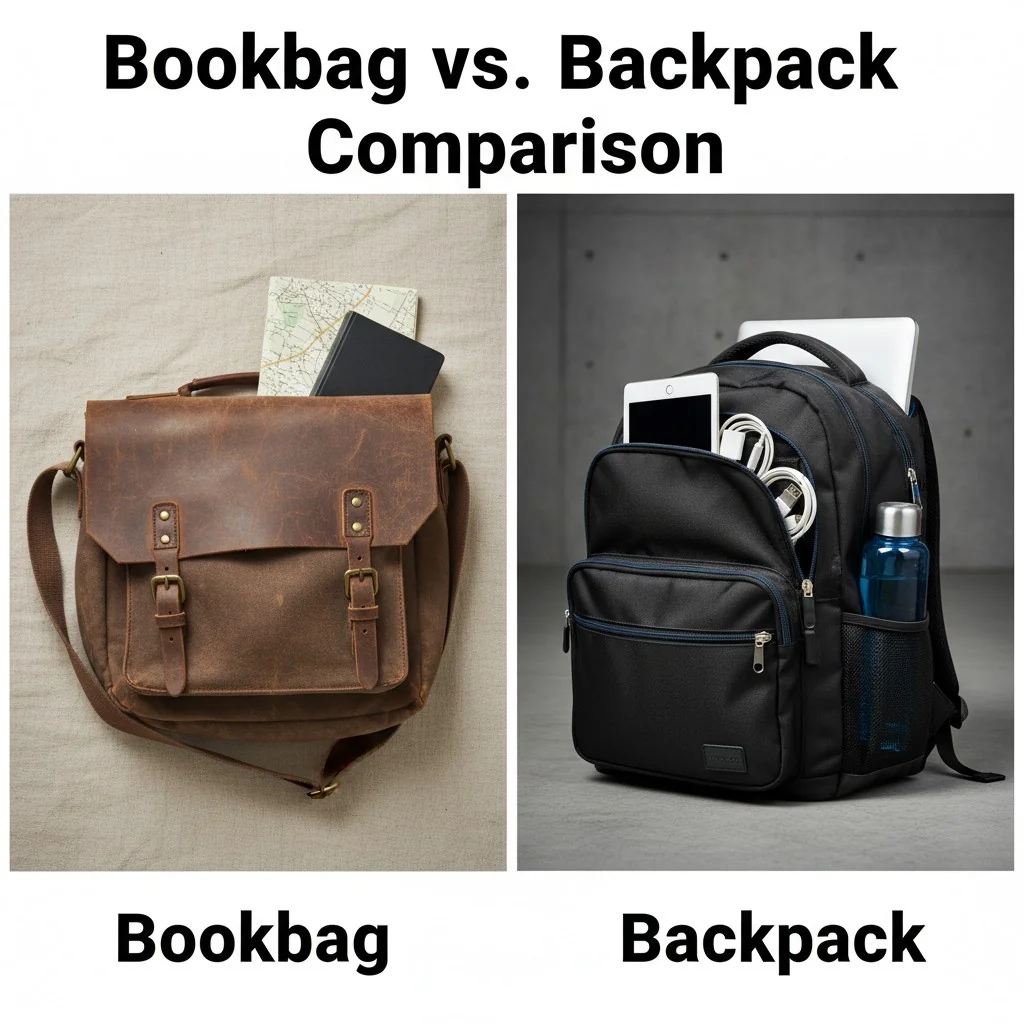
How Are They Used in Daily Conversation?
In the United States, the difference is largely regional and based on slang rather than the actual shape of the bag. Here is how the general public uses the terms:
- The "Function" Definition: The term "Bookbag" is often used to describe function—simply, a bag used to carry books to school. It doesn’t matter if it’s a hiking pack or a tote; if it goes to school, it’s a bookbag.
- The "East Coast" Habit: In regions like New York, New Jersey, and PA, "Bookbag" is the dominant term for everything.
- The "Global" Standard: In most other parts of the world (and in the travel industry), "Backpack" is the universal term for a bag carried on the back with two straps.
How Are They Defined in Manufacturing?
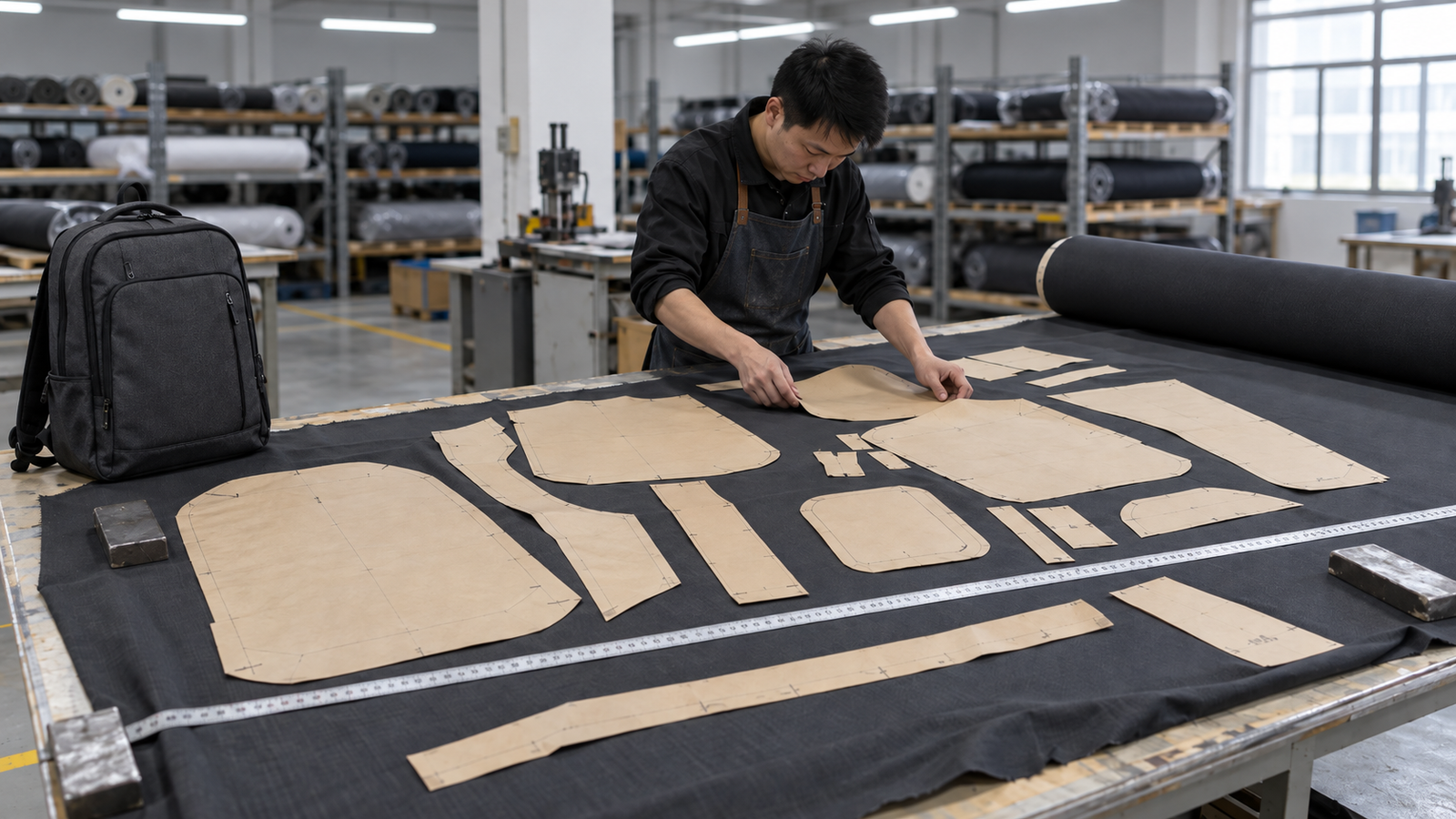
On the factory floor, we don’t deal in slang; we deal in geometry. When I look at the pattern specs, the structural differences are clear. A traditional "Bookbag" is designed horizontally, while a "Backpack" is designed vertically.
Here is the technical breakdown of the differences:
- Orientation:
Bookbag: Typically features a Landscape orientation (wider than it is tall).
Backpack: Features a Portrait orientation (taller than it is wide). - Closure System:
Bookbag: Often uses a Flap-over design with buckles or Velcro (similar to a messenger bag).
Backpack: Almost exclusively uses a Zippered main compartment (the "sack" design). - Carrying Priority:
Bookbag: The top handle is often reinforced for frequent hand-carrying.
Backpack: The shoulder straps are the priority; the top handle is just a simple loop for hanging.
Factory Insight:
When I receive an order for a "Bookbag" from a UK or European client, I immediately think of a horizontal shape with buckles. When I receive the same order from a US client, I assume they want a standard zippered backpack. Context is everything.
Quick Comparison: What are the Key Differences at a Glance?
Here is a summary based on the technical specs we use in production:
| Feature | Traditional Bookbag | Modern Backpack |
|---|---|---|
| Orientation | Landscape (Wider than tall) | Portrait (Taller than wide) |
| Primary Access | Flap with Buckles or Velcro | Zipper (Main Compartment) |
| Carrying Style | Hand-carry + Shoulder Straps | Strictly Shoulder Straps |
| Best For | Textbooks, Folders, Flat items | Mixed gear, Laptops, Heavy loads |
| Target Audience | K-5 Students, Retro Style | High School, Commuters, Hikers |
Which Bag Offers Better Storage? Bookbags vs. Backpacks
When we cut the patterns for these bags on the factory floor, the difference in storage is determined by geometry.
1. Bookbags: The "No-Curl" King
Because traditional bookbags are horizontal (rectangular), they are superior for carrying:
- Large, hard-cover textbooks.
- Wide binders and folders.
- Why? The wider opening allows you to slide a binder in horizontally. In a narrow backpack, you often have to jam the corners in, causing "dog-eared" pages.
2. Backpacks: The Volume Champion
Backpacks utilize vertical space. They are better for:
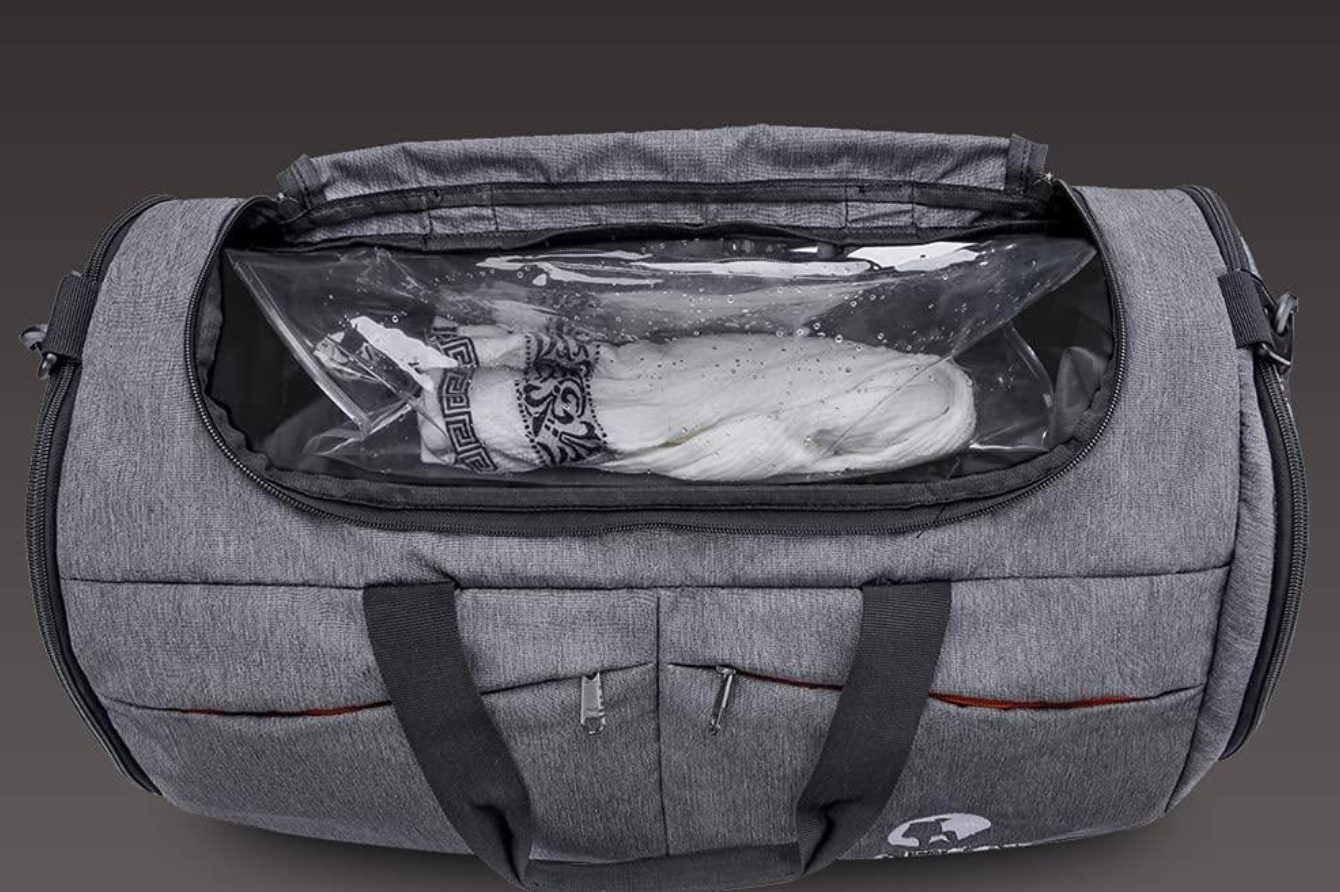
- Mixed Loads: Gym clothes at the bottom, lunch in the middle, books at the top.
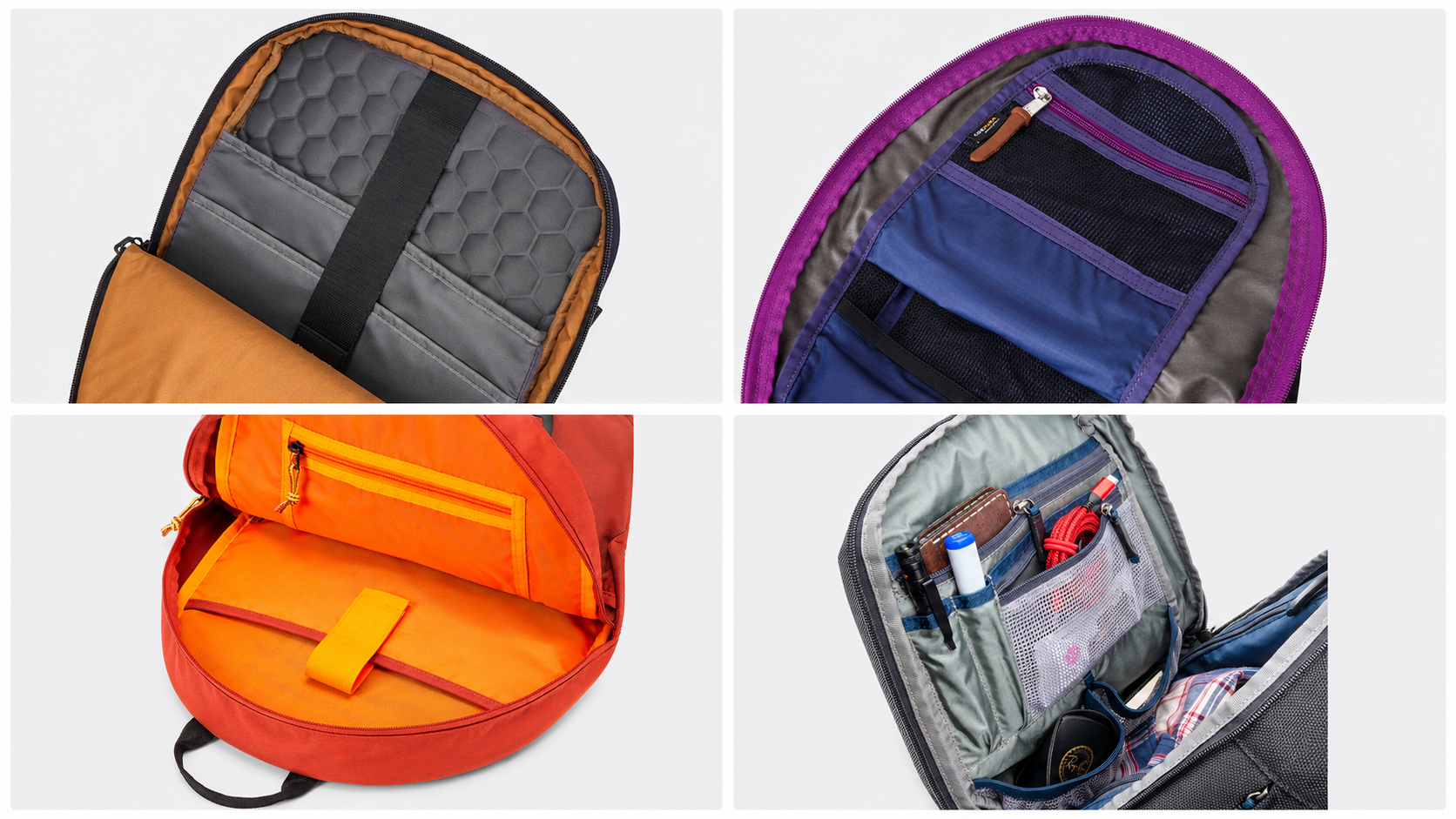
- Tech Gear: Laptops are vertical rectangles. A modern backpack’s tall, narrow shape aligns perfectly with a laptop sleeve 4, keeping the weight close to your spine.
When Should You Choose a Bookbag vs. a Backpack?
As a manufacturer, I don’t just ask my clients what they want the bag to look like; I ask them who will be wearing it.
The choice between a horizontal "Bookbag" and a vertical "Backpack" isn’t just about fashion—it’s about physics. The shape of the bag changes the center of gravity 5 and how the weight sits on the user’s spine.

When is a Traditional Bookbag the Better Choice?
The "Bookbag" (Landscape shape) is structurally superior for younger children and specific academic materials.
Because of its wider, shorter profile, it keeps the weight closer to the lower back and prevents the "sagging" effect seen in tall backpacks on small children.
You should choose a Bookbag if:
- The User is Young (Grades K-5): Small children have shorter torsos. A tall vertical backpack often hits the back of their legs when they walk, creating a tripping hazard. A horizontal bookbag sits higher up.
- The Load is Wide: If the primary items are wide picture books, art folders, or binders, the landscape orientation allows them to slide in without curling the corners.
- Ease of Access is Priority: Traditional bookbags often use flap closures with Velcro or buckles. For a 5-year-old, this is much easier to operate than a complex zipper path that can snag.
When is a Backpack the Necessary Choice?
The "Backpack" (Portrait shape) is the only ergonomic option for heavy loads and mixed-use environments.
Once a student or commuter starts carrying more than 10-15 lbs, the vertical alignment becomes critical. A backpack distributes weight along the length of the spine, rather than pulling backward from the shoulders.
You should choose a Backpack if:
- The User is High School Age or Older: Taller users need the vertical surface area to distribute weight properly via padded shoulder straps.
- You Carry Tech Gear: Laptops and tablets are vertical rectangles. A backpack’s shape aligns perfectly with these devices, keeping the heavy battery weight close to the body for better balance.
- Security is a Concern: If you are commuting on a bus or subway, a zippered backpack (specifically one with lockable sliders) offers much better theft protection than an open-flap bookbag.
Quick Decision Matrix
| User Scenario | Recommended Style | Manufacturing Reason |
|---|---|---|
| Kindergarten Student | Bookbag (Horizontal) | Fits short torso; flap is easy to open. |
| College Student | Backpack (Vertical) | Supports heavy textbooks + laptop. |
| Corporate Commuter | Hybrid / Backpack | Protects electronics; professional look. |
| Art / Architecture | Bookbag (Tote style) | Accommodates A3/A4 pads without folding. |
What Factors Should You Look For in the Design?
When I inspect a production sample, I don’t just look at the silhouette; I look at the "failure points." Whether you are buying one bag for yourself or sourcing 1,000 for your company, the durability of a Bookbag versus a Backpack comes down to three specific components.
Don’t just judge the bag by its color. Judge it by its anatomy.
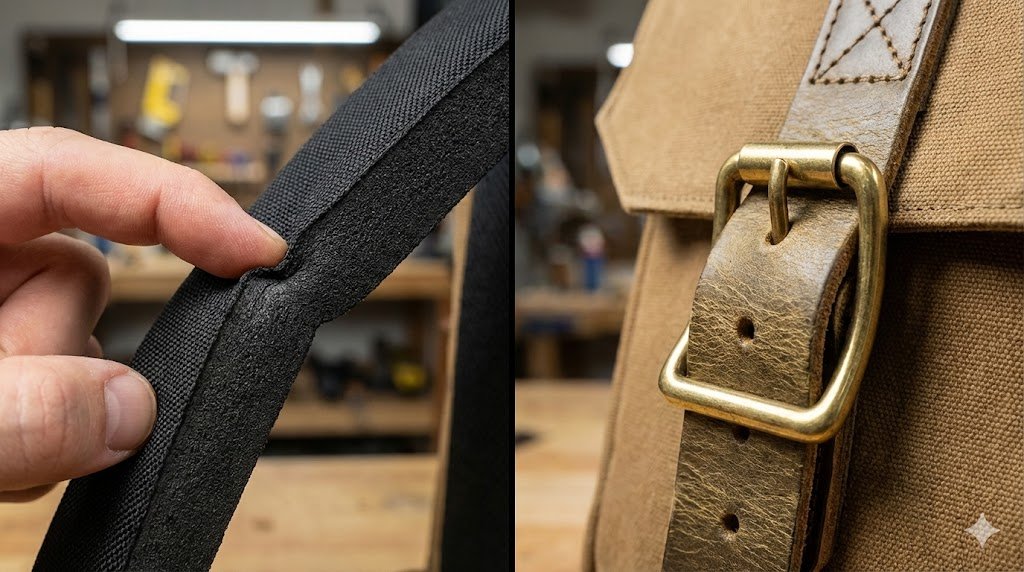
1. How Is the Strap Constructed?
The shoulder strap is the first thing to break on any bag. However, the construction requirement differs significantly between the two styles.
Here is what you need to check:
- For Bookbags (Simple Webbing): Because traditional bookbags are often hand-carried or hold lighter loads, they often use simple Poly-webbing 6 (like a seatbelt material) without padding. This is durable but uncomfortable for long walks.
- For Backpacks (EVA Foam): A real backpack must use High-Density EVA 7 or EPE Foam inside the strap.
The Factory Pinch Test:* Pinch the shoulder strap hard. If your fingers touch easily, it is cheap sponge (avoid it). If there is resistance and bounce-back, it is quality foam.
2. Which Closure System is More Durable?
The mechanical difference between a Bookbag and a Backpack dictates how long they will survive in a rough environment (like a high school hallway).
The durability trade-off:
- The Flap (Bookbag): This is the "Low Tech, High Durability" option. Buckles and Velcro rarely fail catastrophically. Even if a buckle cracks, you can still close the flap.
- The Zipper (Backpack): This is the "High Convenience, High Risk" option. The zipper is the engine of a backpack. If you choose a backpack, you must verify it uses a branded zipper (like YKK or SBS). If a generic zipper splits, the entire bag becomes trash.
3. Does the Bag Need to "Stand Up"?
The orientation of the bag changes the fabric requirements. This is a subtle detail that affects user experience.
Material stiffness matters:
- Bookbag (Needs Structure): Because they are horizontal, bookbags require stiffer fabrics (often 600D Polyester 8 with a thick PVC backing). This allows the bag to stand up on the floor like a briefcase.
- Backpack (Needs Flexibility): Backpacks are designed to expand. We often use softer materials (like Nylon or Polyester with a thin PU coating) that allow the bag to stretch when you stuff a gym kit inside.
Which Style is Best for Your Brand’s Next Collection? (B2B Insight)
As a manufacturer, I can make both. But here is my market advice:
- Go with "Backpack" if: You are targeting the mass market, tech users, or travel segments. It is the universal term and the most versatile shape.
- Go with "Bookbag" if: You are targeting the "Nostalgia" market or the Premium K-12 market. There is a growing trend for "Retro Oxford Style" bags (square, horizontal, leather buckles). These command a higher price point because they look distinct from the sea of generic zippers.
Frequently Asked Questions (FAQs)
Is a bookbag the same as a backpack?
Not technically. A bookbag is a simple bag, often with one strap or handles, for carrying books. A backpack has two shoulder straps for ergonomic carrying and usually has multiple compartments. However, in casual American English, "bookbag" is often used to mean a school backpack.
Why do some people say bookbag instead of backpack?
The term "bookbag" is a regional and generational term, particularly common in parts of the United States. It’s a holdover from when simple bags were used for school, and the name stuck even after two-strapped backpacks became the norm. It literally describes the bag’s function: a bag for books.
Which is better for students: bookbag or backpack?
A backpack is much better for students. Students typically carry heavy loads, including textbooks, a laptop, and supplies. The two padded shoulder straps of a backpack distribute this weight evenly, preventing back and shoulder strain. The multiple compartments also help students stay organized.
Are bookbags outdated today?
The traditional, single-strap bookbag is not as common for school use, but it’s not outdated. The design lives on in the form of messenger bags, satchels, and tote bags. These are popular as fashion accessories or for carrying light loads, appealing to professionals and style-conscious individuals.
Which is better for carrying heavy books, a bookbag or a backpack?
A backpack is unequivocally better for carrying heavy books. Its dual-strap design distributes weight across both shoulders and the strongest muscles in your back, reducing the risk of pain and injury. A single-strap bookbag places all the strain on one shoulder, which can lead to discomfort and posture problems.
Conclusion
So, is there a difference?
Linguistically, maybe not. But structurally? Absolutely.
A Bookbag is a horizontal vessel designed for books. A Backpack is a vertical tool designed for your back.
Whether you need a classic canvas bookbag with brass buckles or a technical ballistic nylon backpack, the quality comes down to the pattern making and the materials.
Ready to start production?
At Osgoodway, we have the patterns for both styles ready to go. We can help you tweak the design to fit your target audience—ensuring you don’t send a "Bookbag" to a "Backpack" fight.
Contact Us Today for a Free Prototype Quote
References
-
Understanding how hydration reservoirs function within tactical and hiking backpacks for on-the-go fluid access. ↩ ↩
-
A direct comparison of the terminology and features that distinguish classic bookbags from modern backpacks. ↩ ↩
-
A comprehensive guide to technical packets used in manufacturing for accurate product specifications and design communication. ↩ ↩
-
Why dedicated padded compartments are essential for protecting electronic devices and reducing damage during transit. ↩ ↩
-
How backpack load distribution affects spinal health, posture, and carrying comfort for students and commuters. ↩ ↩
-
Exploring the durability, water resistance, and strength properties of polypropylene webbing used in strap construction. ↩ ↩
-
The benefits of Ethylene-Vinyl Acetate foam for superior cushioning and shock absorption in heavy-duty shoulder straps. ↩ ↩
-
Understanding fabric denier and why 600D polyester provides the necessary structural rigidity for freestanding bags. ↩ ↩