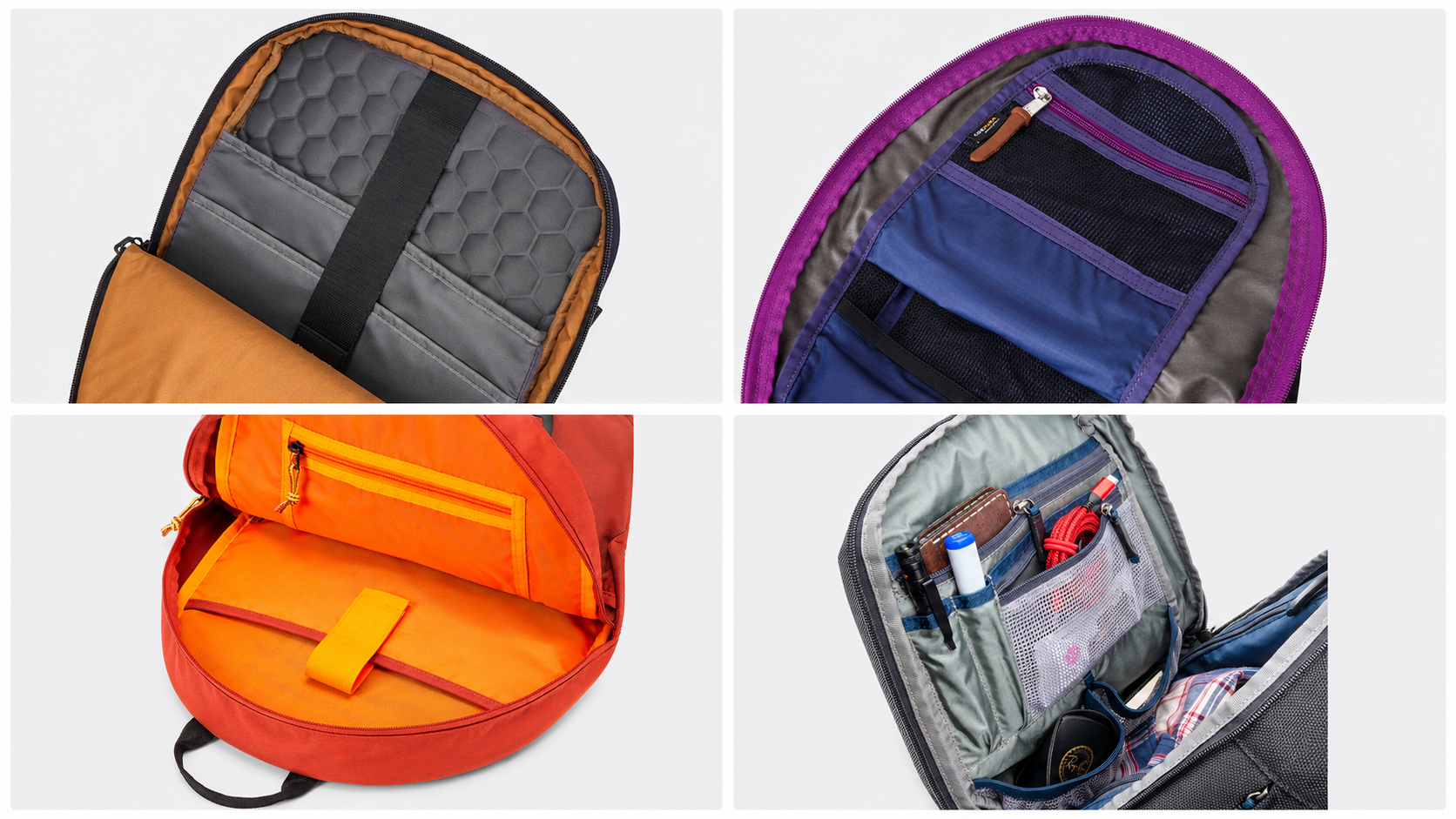
Are you confused about whether to source duffle bags1 or gym bags for your brand? Choosing wrong can mean unhappy customers. Let’s clear up the confusion and find the perfect fit.
A duffle bag is typically larger, cylindrical, and designed for open hauling capacity, making it ideal for travel and gear. A gym bag is generally smaller and rectangular with a rigid base, featuring specialized compartments (like shoe pockets) designed specifically for organizing gym essentials and fitting into lockers.
Having spent over a decade on the factory floor and in the boardroom of bag manufacturing, I’ve seen countless B2B buyers confuse "Duffle Bags" and "Gym Bags." While they share a similar silhouette, choosing the wrong one for your product line can lead to poor reviews and high return rates.
Let’s break down the technical and functional differences from a manufacturer’s perspective.
Are Duffle Bags and Gym Bags Actually the Same Thing? What’s the Real Difference?
In my ten years running a bag factory, the most common mistake I see on purchase orders is clients using these terms interchangeably. They aren’t the same.
A duffle bag is a large, versatile gear carrier prioritized for maximum volume, while a gym bag is a smaller, specialized organizer designed with dedicated compartments for fitness gear and hygiene.

How do the key features compare?
The main difference is structure. Duffles are open tubes for volume, whereas gym bags are boxy organizers designed with a rigid base to fit into narrow lockers.
| Feature | Classic Duffle Bag | Modern Gym Bag |
|---|---|---|
| Shape | Cylindrical / Tube-like | Rectangular / Boxy |
| Structure | Soft & Collapsible | Rigid Base (Hard Board) |
| Compartments | 1 Main + 1 or 2 Side Pocket | 5+ (Dry/Wet, Shoe, and Shaker pockets) |
| Airflow Design | Generally airtight to protect contents. | Ventilated with grommets to prevent odor. |
| Best Use | Hauling Gear / Travel | Daily Workout / Lockers |
Deep read:
What is a Duffel Bag? Types, Uses & Features Explained
What Features to Look For a Gym Bag?
Key Considerations When Choosing a Gym Bag and Duffle Bag?
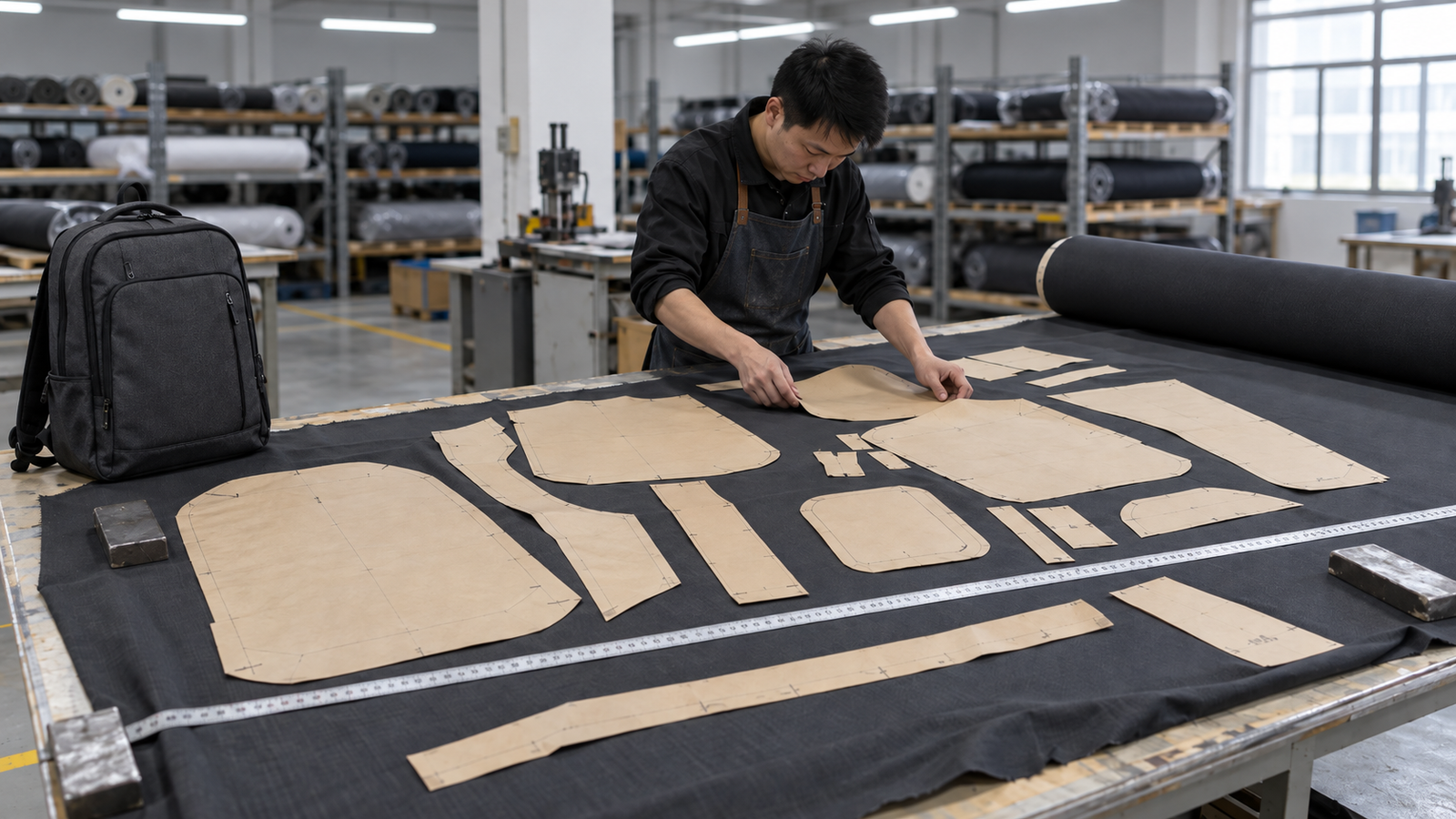
When placing an order, never rely solely on 3D renderings. In my 10 years of manufacturing, I’ve learned that the real difference between a bestseller and a high-return item lies in the invisible engineering details.
Many factories use generic specs to cut costs, swapping in standard polyester for both styles. However, a heavy duffle requires load support, while a gym bag requires hygiene and grip.

To ensure durability and user satisfaction, you must specify these three critical details in your tech pack.
What specific manufacturing details matter?
- Lining Material (The Liner): Don’t let factories use cheap polyester for everything. For professional gym bags, we apply an antimicrobial coating2 to the lining. It prevents the bag from trapping odors, a step often skipped to save pennies.
- Carrying System: Duffle bags carry heavy loads, so I always upgrade clients to 10mm+ high-density foam shoulder pads. For gym bags, comfort is secondary to grip; we focus on "anti-slip" textured straps, as standard webbing slides right off smooth athletic wear.
- Bottom Abrasion Resistance: Gym bags are constantly thrown onto rough locker room floors. We found that ordinary nylon turns white from friction in under six months. Our standard practice now is to use a 600D thickened coated fabric base to prevent this wear.
Pro Tip: Ask your factory for a sample swatch of the bottom material and scratch it with a key. If it leaves a white mark instantly, reject it. It won’t last a month in a real gym.
Which Bag Is Better for Traveling: Duffle Bag or Gym Bag?
Winner: Duffle Bag (Hands down).
From my 10+ years of traveling to international trade shows, the Duffle Bag is the undisputed king of long-haul trips, while the Gym Bag is better suited for local transit or "Personal Item" status.
Duffle bags are superior for travel because their 45L-55L capacity is specifically engineered to hit the maximum IATA carry-on limits (55cm), whereas gym bags (25L-35L) are often too small for a week-long trip but perfect as an under-seat "Personal Item."

Can you use a duffel bag or a gym bag as a Carry-On?
Yes, but with a caveat: A 55cm Duffle is a "Carry-On," while a 45cm Gym Bag is a "Personal Item." Most airlines allow one of each, so understanding the exact dimensions we use in production is key to avoiding gate fees.
In our factory, we use specific molds to ensure compliance. A common "manufacturing trap" is adding rigid piping to a 55cm bag—if the bag can’t "squish" into the airline’s sizing metal frame, it will be rejected. We recommend soft-shell construction for this reason.
The "Carry-On" Global Standard Table
| Bag Type | Standard Dimensions (cm) | Airline Category | Best Use Case |
|---|---|---|---|
| Small Gym Bag | 40 x 20 x 25 cm | Personal Item | Fits under the seat; best for budget airlines (Ryanair/Spirit). |
| Standard Gym Bag | 45 x 25 x 25 cm | Personal Item | Fits most gym lockers and under-seat spaces. |
| Weekender Duffle | 55 x 35 x 23 cm | Carry-On | Max IATA size; fits overhead bins for 3-5 day trips. |
| Large Cargo Duffle | 70 x 40 x 40 cm+ | Checked Bag | Must be checked in; too large for the cabin. |
Why the "Squish Factor" Makes Duffles Better for Travel?
One "unfiltered" truth I tell my clients: A soft-sided Duffle is actually better than a hard-shell suitcase. Why? Because it’s forgiving.
- Overhead Bin Logic: I’ve seen passengers struggle with hard suitcases that are 1cm too thick. A Duffle Bag made of 600D or 900D polyester can be compressed to fit, even when stuffed.
- The "Weight Trap" Lesson: We once produced a line of heavy-duty leather duffles. They looked amazing, but the bag itself weighed 2.5kg empty. In a world with 7kg carry-on limits, that’s a disaster. Now, we prioritize lightweight high-tenacity nylon to give travelers more "packing weight."
- Trolley Sleeve Integration: For any bag over 45cm, we now insist on adding a "Luggage Strap." If your brand doesn’t have this, you’re missing the #1 feature travelers look for in 2025.
Why Do Gym Bags Often Smell (and How Do We Fix That in Production)?
This is a gross topic, but we have to talk about it. We had a batch of gym bags returned three years ago because customers complained they "smelled like old cheese" after a week of use.
The problem wasn’t the user; it was the lining material. We used a cheap, non-breathable polyester lining. It trapped moisture and bacteria.

How we fixed it on the production line?
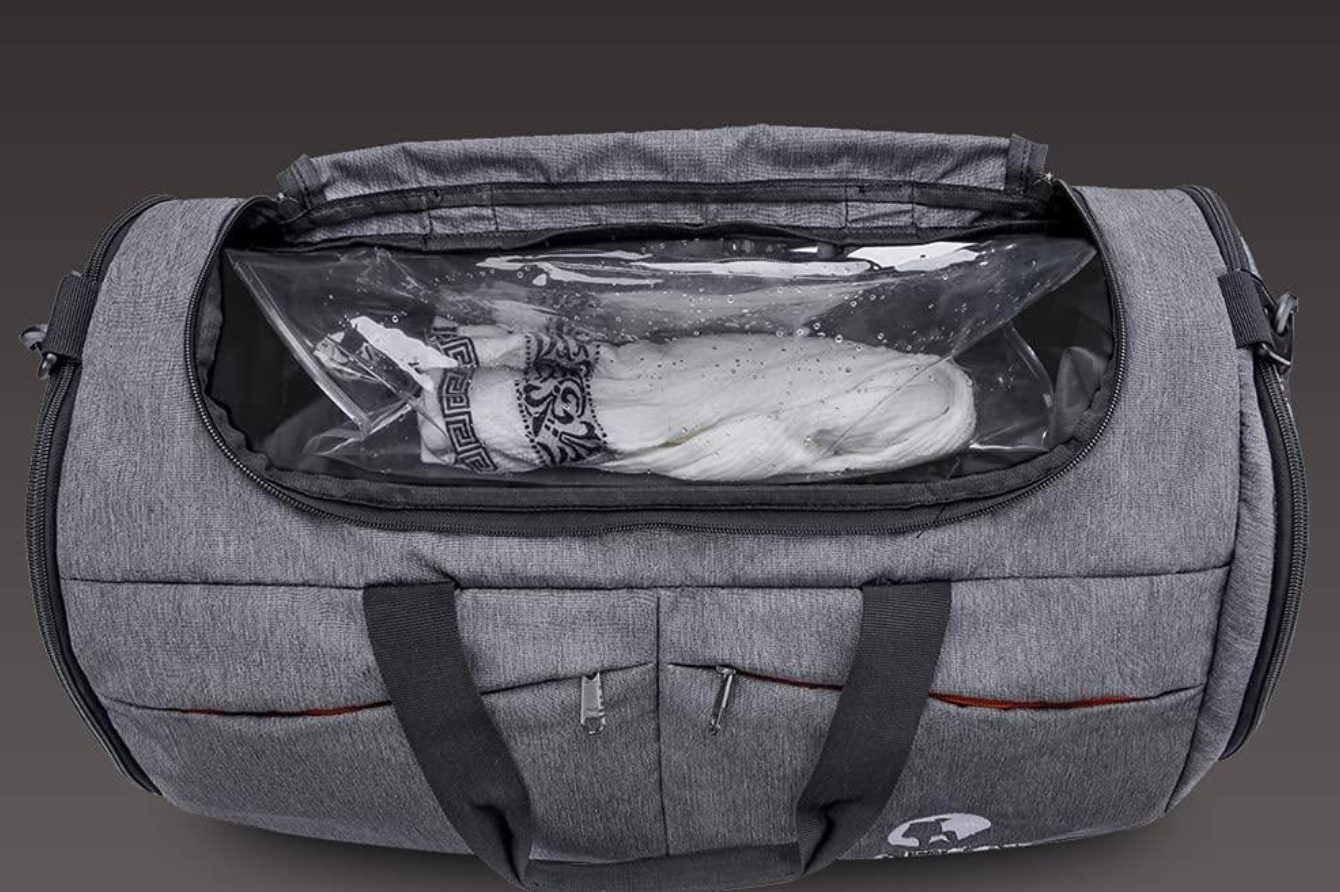
- Ventilation is non-negotiable: We now insist on laser-cut ventilation holes or metal eyelets on the shoe compartment for every gym bag order.
- Antimicrobial Linings: For the "wet pocket" (a must-have feature), we switched from basic PVC to PEVA. PEVA3 is smoother, easier to wipe down, and doesn’t hold onto odors like textured fabrics do.
- The "Air Gap" Design: Good manufacturing involves leaving a slight gap in the pattern grading between the lining and the shell to allow airflow. It costs more in fabric consumption, but it saves the brand’s reputation.
Expert Advice: Never stitch a shoe tunnel completely closed. We leave a 5mm gap in the pattern grading at the top seam to allow hot air to escape upwards.
Are There Any Hybrid Bags that Combine Features of Both Duffle Bags and Gym Bags?
The "Hybrid" or "Weekender-Gym" bag is currently our factory’s most requested SKU. It combines the sleekness of a Duffle with the utility of a Gym Bag.
Hybrid bags merge the large-scale capacity of a duffle with the organizational features of a gym bag, often including luggage sleeves, laptop compartments, and ventilated shoe pockets.
Is it worth the extra manufacturing cost?
Producing a hybrid costs about 20% more in labor due to complex assembly, but they command a 40% higher retail price, making them highly profitable for premium brands.
As the "work-from-anywhere" culture grows, users want one bag that works for the gym, the office, and a quick flight.
- Tech Integration: Unlike standard duffles, hybrids include padded sleeves for 16-inch laptops.
- Convertible Straps: These often feature "hidden" backpack straps, allowing for three different carrying modes.

Which Style Should Your Brand Order: The Verdict?
Don’t guess what your customers want. Look at their primary friction point. Are they fighting with lockers, or are they throwing gear into a truck bed?
Order Duffle Bags for travel-heavy audiences seeking durability, Gym Bags for high-volume fitness retailers focused on organization, or Hybrid Bags if you are targeting the premium, "work-life balance" professional market.
How do these styles compare for your business ROI?
From a manufacturing perspective, your choice dictates your profit margins and your brand’s "sticky" factor. Here is how I break down the production value for my B2B clients:
The Procurement Strategy Table
| Bag Category | Target Demographic | Manufacturing Complexity | Profit Potential |
|---|---|---|---|
| Duffle Bag | Travelers, Outdoor Adventurers,Campers | Medium: Focus on heavy-duty stitching and high-denier fabrics. | Stable: High volume, lower return rates due to simple design. |
| Gym Bag | Office-to-Gym Commuters,Yoga / Pilates | Low-Medium: Focus on antimicrobial liners and shoe storage. | High Volume: Great for mass-market retail and promotional gifts. |
| Hybrid Bag | Tech Professionals, Modern Travelers | High: Requires complex assembly and premium tech-pockets. | Premium: High margins; allows for a 40%+ price markup over basic bags. |
My Final Factory-Floor Advice?
Transition Paragraph
If you are just starting out or testing a new market, don’t try to be everything to everyone. I always tell my clients to look at their "Data over Design."
- The "Safe Bet": A 30L Gym Bag with a ventilated shoe compartment is the easiest entry point for the fitness market.
- The "Growth Play": If you want to compete with high-end brands like Lululemon or Peak Design, invest in the Hybrid. The initial 20% extra manufacturing cost pays off when you see the retail price tag.
- The "Long-Haul": For rugged outdoor brands, a 55L Duffle in 1680D Ballistic Nylon is a "buy-it-for-life" item that builds immense brand trust.
Conclusion
Choosing between a duffle and a gym bag depends on your customer’s needs. Focus on organization for fitness or versatile capacity for travel to build a successful and targeted product line.
Ready to Start Your Production?
Don’t let a bad material choice ruin your brand’s reputation. At our factory, we don’t just sew bags; we engineer them to survive the real world.
Here is what we can do for you today:
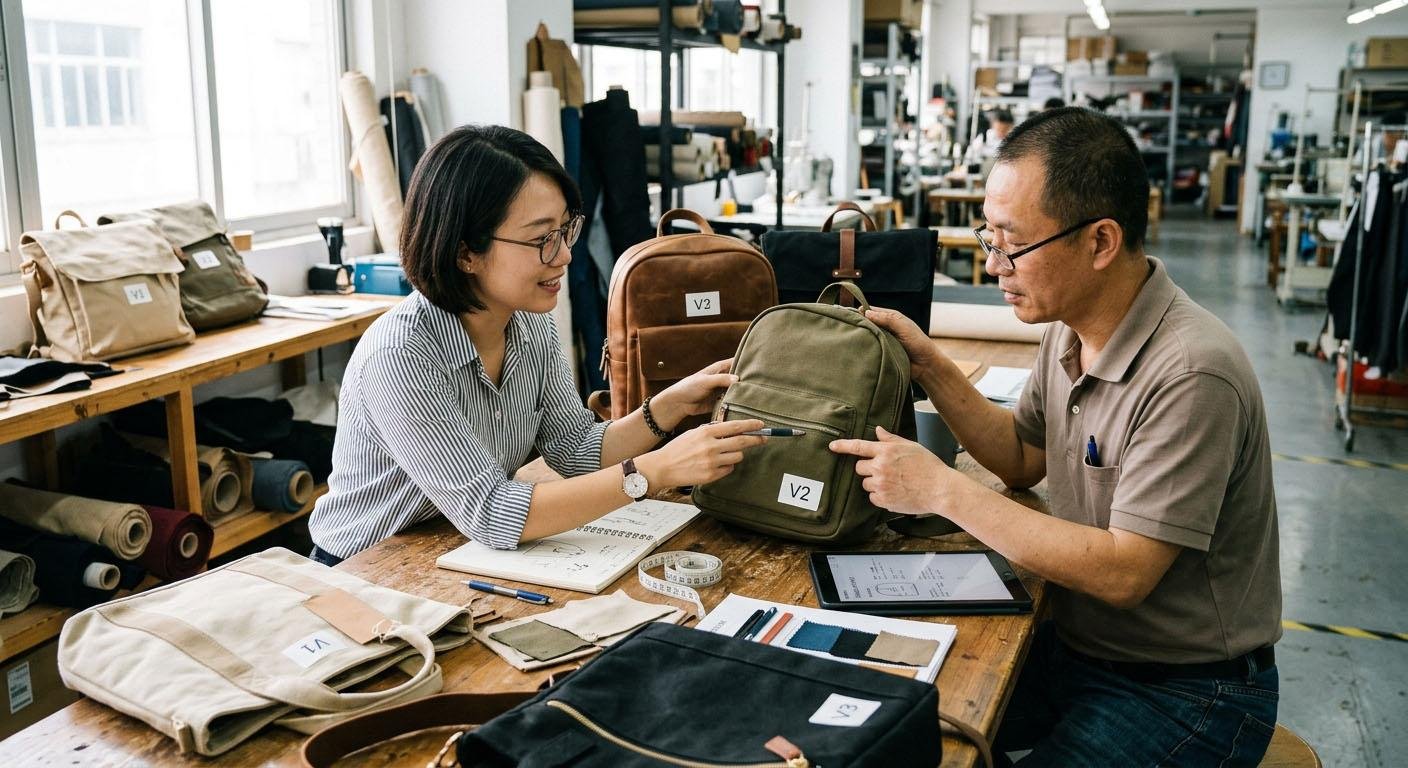
- Free BOM Analysis: Send us your design or reference photo. We will review your Bill of Materials and tell you exactly where you can save costs without sacrificing durability.
- The "Touch" Test: Not sure if you need Ballistic Nylon or Coated Canvas? We will ship you a material swatch kit so you can feel the difference before you commit to a bulk order.
Have a specific design in mind?
Drop me an email. Let’s build a product that your customers will still be using 5 years from now.