When it comes to heading back to school, one of the most essential purchases you’ll make is your backpack. Not only does it carry everything you need for the day, but it also serves as a reflection of your style. As an expert in backpack design and manufacturing, with years of experience crafting high-quality, durable bags, I’ve seen firsthand how a backpack can transform a student’s experience.
A school backpack is specifically designed to meet the needs of students, offering functionality, durability, and style. It combines features that make carrying books, supplies, and personal items convenient and comfortable.
A school backpack is a bag with multiple compartments and ergonomic features, tailored for students to carry books, stationery, and sometimes laptops or tablets. These backpacks prioritize comfort, organization, and durability to handle daily school life.
But with so many types, colors, and features available, choosing the perfect backpack can be overwhelming. Don’t worry—whether you’re a high schooler looking for something trendy or a parent trying to find the right fit for your child, I’ll break down everything you need to consider to make an informed decision. Let’s dive in!
Why the Right Backpack Matters
Backpacks can make or break your school experience. Are you dealing with back pain, or is your current bag too bulky? You don’t have to settle for anything less than the best.
A good backpack should prioritize comfort, durability, and practicality. From adjustable straps to sturdy zippers, the right backpack helps with posture, protects your gear, and ensures ease of use every day.
When selecting a school backpack, think about the following:
- Comfort is paramount. Adjustable straps and padded backs help distribute weight evenly, reducing strain on young shoulders.
- Durability is another critical factor. Materials like canvas or nylon not only withstand daily wear and tear but also protect contents from the elements.
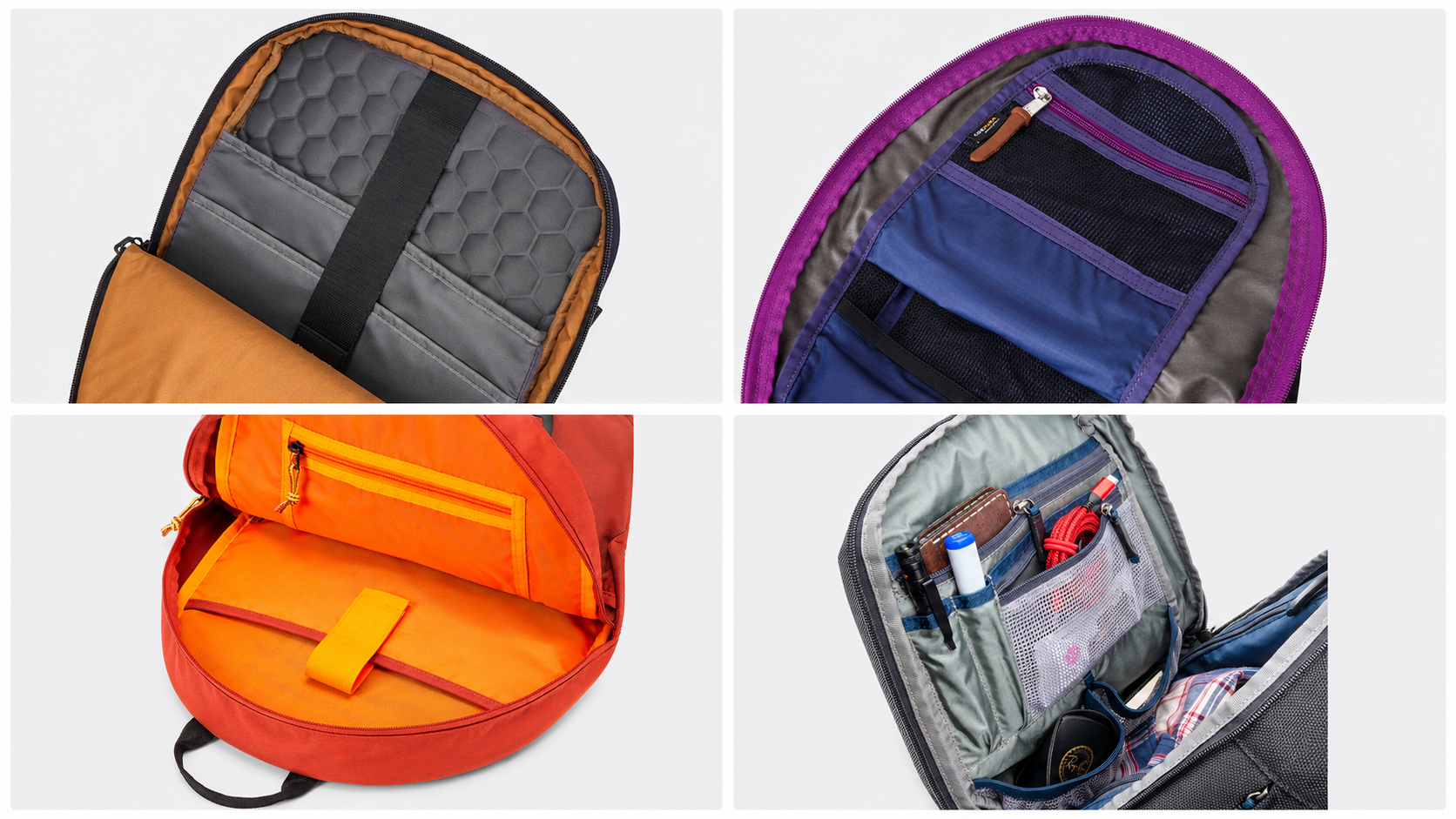
- Organization is essential for managing the myriad of items students carry—books, laptops, water bottles, and personal belongings. Multiple compartments can keep everything in its place.
- Style: Don’t forget that your backpack is part of your personal style. Whether you prefer a minimalist design or a bold, colorful statement, your backpack can reflect your personality.
- Lastly, consider the impact on posture and health. Heavy backpacks or poorly designed straps can lead to back pain and posture issues over time.
Ready to dive deeper into backpack options? Let’s find your perfect match!
How to Choosing the Right Type of Backpack for School

The right type of backpack can make all the difference in how comfortable and efficient your school day is.
There are many types of backpacks to choose from based on your needs, including standard, laptop, rolling, and hydration backpacks. Each type offers unique features tailored to specific uses, ensuring that you have the right support and organization for your school essentials.
With so many backpack styles on the market, how do you choose the right one for your needs? Let’s break it down:
Standard Backpacks
The most common choice for school backpacks, standard backpacks are compact and efficient. These backpacks feature a spacious main compartment along with smaller pockets for organizing items like pens, pencils, and notebooks. They are perfect for high school students who need to carry a variety of items each day.
Laptop Backpacks
If you’re in high school or college and carry a laptop or tablet to class, a laptop backpack is a must. These backpacks are designed with extra padding to protect your tech from damage. They often include a dedicated tech compartment, making it easy to store and access your devices quickly.
Messenger Bags and Sling Backpacks
Looking for something more stylish? Messenger bags and sling backpacks offer a modern, cross-body design. They are ideal for students who don’t need to carry too many books but still need space for essentials like a notebook, tablet, and wallet. These bags provide a more fashionable option without sacrificing practicality.
Rolling Backpacks
For students who carry heavy loads or have physical concerns (like back pain), rolling backpacks are an excellent solution. Equipped with wheels and a retractable handle, they allow you to roll your backpack rather than carry it. While bulkier than traditional backpacks, they can be a lifesaver when you have a lot of textbooks or supplies to haul.
Hydration Backpacks
If you’re an athlete or involved in outdoor activities, a hydration backpack could be a game-changer. These backpacks come with a built-in water reservoir, making it easy to stay hydrated while on the go. They’re compact and lightweight, so they won’t weigh you down during busy school days.
How to Choose the Right Backpack Based on Size

Do you find yourself struggling with a backpack that’s either too small or too large for your needs? Picking the right backpack size is more important than just carrying your school supplies—it can affect your posture, comfort, and organization. The size of your backpack determines how well you can manage your daily load without unnecessary strain.
Choosing the right backpack size ensures that your books, laptop, water bottle, and other essentials fit comfortably, while also minimizing back or shoulder pain. A bag that’s too large may lead you to overstuff it, putting excess weight on your shoulders. On the other hand, a bag that’s too small might force you to leave behind important items. Ultimately, you want a backpack that fits your load without overwhelming you.
Now, let’s break it down and find out how to choose the ideal backpack size for your daily needs.
Backpack Size Guide
Here’s a quick overview of the different backpack sizes and their ideal uses, so you can make a more informed decision about what works best for you:
| Backpack Size | Ideal For | Capacity | Posture & Comfort |
|---|---|---|---|
| Small (15-20 liters) | Carrying essentials like a tablet, notebook, and water bottle | Up to 20 liters | Best for light loads and maintaining a natural posture |
| Medium (20-30 liters) | High school students carrying textbooks, a laptop, and supplies | 20-30 liters | Offers a balance of space and portability with enough room for essentials |
| Large (30+ liters) | College students, athletes, or those carrying heavy textbooks, laptops, and extras like gym clothes | 30 liters and above | Great for carrying heavy loads but requires proper fit to avoid strain |
Assess Your Needs
The first step in determining the right size for your backpack is understanding what you’ll be carrying. Are you a high school student with multiple books, a laptop, and extra supplies? Or are you a college student who only needs a notebook, tablet, and a few essentials? Once you know how much gear you’ll carry on a regular basis, you can pick a backpack that offers enough space without being unnecessarily large.
- Small (15-20 liters): Ideal for students who only need to carry essentials like a water bottle, notebook, pens, and a tablet or small laptop. These are great for light loads and students who prefer a minimalist approach.
- Medium (20-30 liters): Perfect for high school students or those with a mix of books and gadgets. You’ll have enough room for a laptop, textbooks, and some extra gear without feeling overloaded.
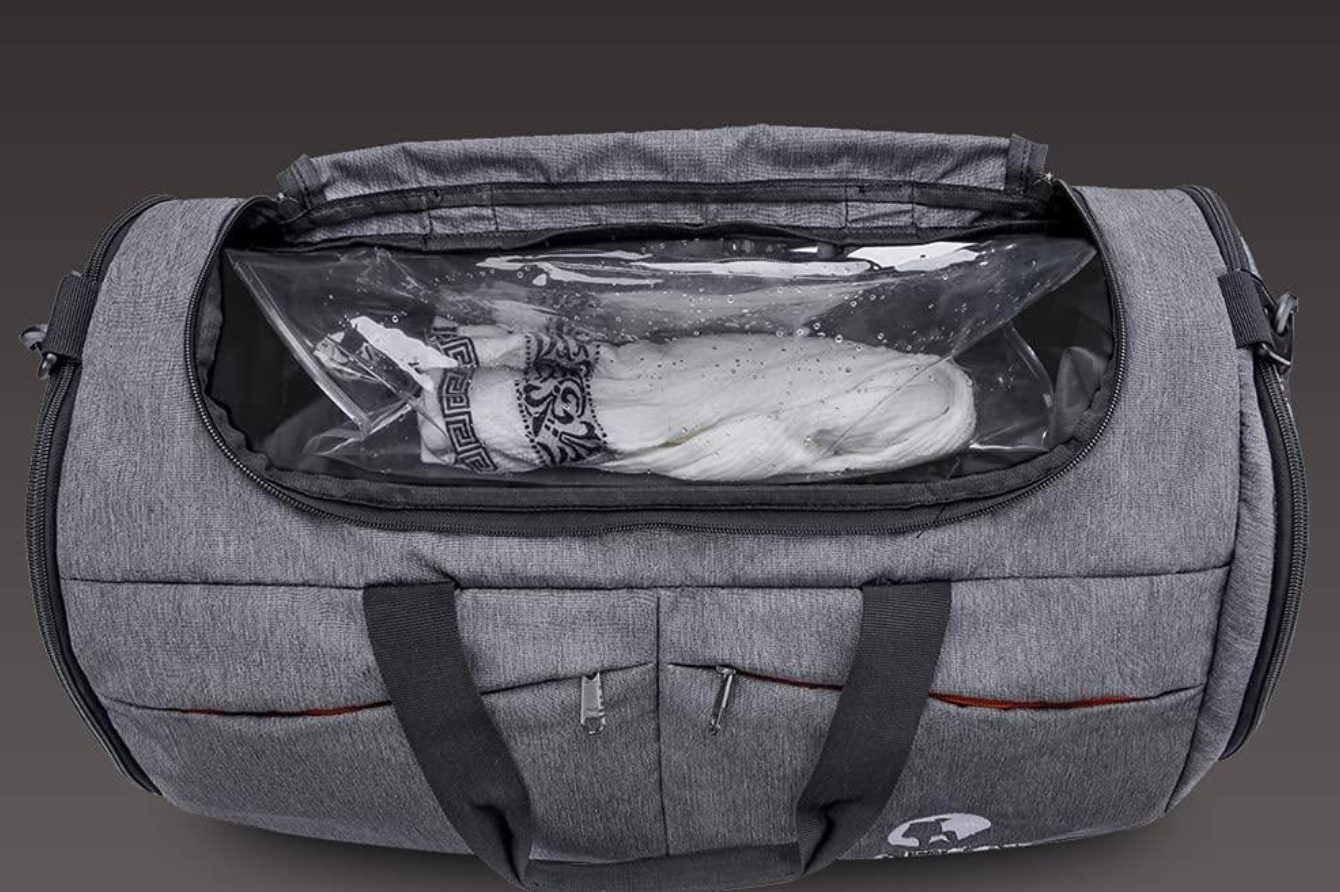
- Large (30+ liters): Best for college students, athletes, or anyone who needs to carry heavy textbooks, a laptop, and other accessories like gym clothes or lunch. Larger backpacks provide ample space but should be used with care to avoid strain.
Check Your Backpack’s Capacity
Backpacks often come with a liter measurement that indicates how much space the bag offers. While this number may seem a bit abstract, it helps you gauge how much the bag can hold.
- 15 liters or less: These are compact, lightweight backpacks ideal for carrying only a few books, a tablet, and a small water bottle.
- 20-25 liters: Offers a balance between space and portability. You can carry a laptop, a few textbooks, and additional supplies comfortably.
- 30+ liters: These backpacks provide generous space and are perfect for heavier loads but be cautious—overloading can lead to back strain.
Consider Your Posture and Comfort
Backpacks that are too large for your frame can cause poor posture and back pain, especially when filled with heavy books or other items. Make sure the backpack fits snugly on your back and doesn’t hang too low. The straps should be adjusted so the weight is evenly distributed across your shoulders.
- Compact backpacks: These are great for light loads and can help you maintain a natural posture.
- Larger backpacks: Ensure they come with adjustable padded straps and a padded back panel for better support. Some even offer a sternum strap or a waist strap to redistribute weight more evenly.
Think About Long-Term Use
If you anticipate carrying a lot of gear—like gym clothes, a laptop, and books—you may need a medium to large-sized backpack. However, if your load is relatively light, a smaller bag might be more comfortable in the long run. Keep in mind that your daily load might vary depending on the time of year, so choose a size that provides flexibility.
Fit and Adjustability

Make sure the backpack’s design fits your body type. A backpack that’s too large for your torso will end up shifting and causing discomfort. Many backpacks today come with adjustable straps, which allow you to customize the fit according to your height and body shape.
The torso length (the distance between the top of your shoulders and your waist) is key when selecting a backpack, especially if you’re opting for a larger size. Look for backpacks with adjustable harnesses or straps to accommodate your height, ensuring that the weight is distributed evenly.
Choosing the right backpack size involves finding a balance between capacity, comfort, and your specific needs. A backpack that fits your lifestyle—whether you’re carrying a light load or need to accommodate heavy books—will make a world of difference in your day-to-day experience. By focusing on the items you carry and considering your comfort, you can select a size that supports you all year long.
What Color Backpack is Best for School?

The color of your backpack isn’t just about looks; it also reflects your personality and preferences.
Choosing the right color depends on your style, school dress code, and personal taste. Neutral tones are timeless, while bold colors can add a pop of personality. You can also opt for patterns if you want something unique.
Let’s dive into the pros and cons of different colors and patterns.
Neutral and Professional Colors
Neutral colors like black, gray, and navy are timeless choices. These shades are versatile, go with any outfit, and are perfect for students who want a more understated look. Additionally, they are easier to maintain because stains or dirt are less noticeable. Neutral-colored backpacks are also often seen as more professional, which can be important if you need to attend school events or meetings.
Bright and Bold Colors
If you want your backpack to stand out, go for bold colors like red, bright blue, or vibrant pink. These backpacks are often more fun and eye-catching, making them a great choice for those who want to express their personality. However, be mindful that bright colors can show dirt more easily, so consider choosing a material that’s easy to clean.
Patterns and Prints
For those who want to take their style a step further, patterned backpacks can add flair to any school outfit. Whether it’s camouflage, floral prints, or geometric designs, patterns offer a unique way to personalize your backpack. Just be aware that some schools may have dress code restrictions on loud or distracting patterns, so check your school’s guidelines before making your final choice.
School Dress Code
It’s important to consider your school’s rules regarding backpacks. Some schools may have restrictions on certain colors or types of backpacks. Always check with your school’s dress code to avoid purchasing a backpack that doesn’t meet their criteria.
How to Choose the Right Backpack Material for School

Are you worried about your backpack getting damaged by rain or wear and tear after just a few months of use? The material your backpack is made of plays a key role in how long it will last, how much protection it offers your belongings, and how comfortable it is to carry.
Choosing the right backpack material ensures durability, weather resistance, and comfort for daily use. High-quality materials offer better protection for your books, laptops, and accessories, while also ensuring that the bag withstands the test of time and regular wear.
Let’s explore some of the best materials for school backpacks and what makes them stand out.
Common Backpack Materials and Their Benefits
| Material | Best For | Benefits | Considerations |
|---|---|---|---|
| Nylon | Lightweight and versatile backpacks | Water-resistant, durable, and easy to clean. | Can wear out over time with heavy use. |
| Polyester | Budget-friendly, everyday backpacks | Strong, resistant to fading, and holds its shape well. | Less water-resistant compared to nylon, especially in heavy rain. |
| Canvas | Stylish, eco-friendly backpacks | Strong, breathable, and environmentally friendly. | May not be as water-resistant as synthetic materials. |
| Cordura® Fabric | Heavy-duty backpacks for heavy load and rugged use | Extra durable, tear-resistant, and water-repellent. | Can be heavier than other materials. |
| Leather | Trendy, durable backpacks with a premium look | Very durable, ages well, and adds a stylish touch. | More expensive, requires care and maintenance. |
| Ripstop Fabric | Outdoor or active backpacks | Extremely durable, tear-resistant, and lightweight. | Might not be as stylish for everyday school use. |
Nylon: A Lightweight and Durable Choice
Nylon is one of the most popular backpack materials due to its lightweight yet durable nature. It’s a great option if you need a bag that can handle regular wear and tear without getting too heavy.
- Water-resistant: Nylon can resist light rain and splashes, making it ideal for school days with unpredictable weather.
- Durability: It’s known for its strong fibers, making it resistant to tears, rips, and abrasions.
- Easy to clean: Nylon backpacks are low maintenance and can usually be wiped clean with a damp cloth.
While it’s durable, Nylon backpacks can wear out over time, especially if exposed to extreme use or harsh conditions.
Polyester: Strong, Fade-Resistant, and Affordable
Polyester backpacks are budget-friendly and come in a wide range of designs, making them popular among students. It’s a synthetic material that resists fading, so your backpack will maintain its vibrant color over time.
- Resistant to fading: Polyester retains its color, even after prolonged exposure to the sun.
- Low maintenance: This material doesn’t require extensive care, and it can handle moderate wear without issue.
- Stiffness: While durable, polyester backpacks are usually more rigid than nylon, making them less flexible.
However, polyester is less water-resistant compared to nylon, so it’s a better choice for dry days or those who don’t mind carrying an umbrella during wet weather.
Canvas: Stylish and Eco-Friendly
Canvas is a natural fabric that’s both breathable and strong, making it perfect for eco-conscious students. If you want a backpack that looks fashionable while being sustainable, canvas is an excellent choice.
- Environmentally friendly: Canvas is made from cotton, making it a biodegradable material.
- Breathable: Unlike synthetic fabrics, canvas allows air to flow through, reducing sweat and odor buildup.
- Heavy and less water-resistant: It’s generally heavier than nylon and polyester, and while it’s somewhat water-resistant, it doesn’t perform as well in heavy rain.
For those who prefer a more natural look, canvas backpacks add a timeless and organic style to your school gear.
Cordura® Fabric: Heavy-Duty Durability for Rugged Use
For students who need a backpack built to last, Cordura® fabric is the go-to material. Known for its ruggedness, Cordura® is often used in military and tactical gear but is also great for school backpacks.
- Extreme durability: Resistant to abrasion, tearing, and scuffing, Cordura® backpacks can take a lot of punishment.
- Water-repellent: Ideal for students in rainy climates or those who walk to school through all types of weather.
- Heavy weight: Cordura® fabric can make backpacks a bit heavier, so it’s better for students who need heavy-duty storage.
For those carrying heavy textbooks, a laptop, or sports equipment, Cordura® backpacks provide unmatched strength and reliability.
Leather: The Premium Choice for Stylish and Durable Backpacks
If you’re looking for a premium, high-end look, leather is the material to consider. While typically more expensive, leather backpacks are elegant, stylish, and built to last for years.
- Durability: Leather ages well and becomes more unique over time, developing a natural patina.
- Sophisticated look: Leather backpacks are perfect for students who want a more professional or stylish look.
- High maintenance: Leather requires regular care, conditioning, and protection from the elements to keep it looking its best.
Leather backpacks are perfect for students who want both functionality and style and don’t mind investing in a long-lasting accessory.
Ripstop Fabric: Tear-Resistant and Lightweight
Ripstop fabric is an incredibly durable material designed to resist tears and abrasions. It’s typically used in outdoor and active backpacks that need to withstand rough conditions.
- Tear-resistant: Ripstop fabric is designed to resist punctures and rips, making it perfect for students who carry a lot of gear or engage in outdoor activities.
- Lightweight: Despite its toughness, Ripstop is lighter than most heavy-duty fabrics.
- Limited style options: While it’s functional, Ripstop may not be the most stylish option for everyday use.
For active students, Ripstop fabric is an excellent choice if you need a lightweight, durable backpack that can endure intense activity.
Choosing the right backpack material is just as important as selecting the right size or color. From the eco-friendly and stylish canvas to the rugged and water-resistant Cordura®, each material offers unique advantages for different school needs.
What the Key Features to Look For in a School Backpack?

Now that we’ve covered the types and colors of backpacks, let’s talk about the key features you should look for.
From pockets and straps to compartments and padding, choosing the right features can make a big difference in how your backpack functions day-to-day.
Backpack features are just as important as the material or size of the bag. They can impact your comfort, organization, and even the longevity of the backpack. By understanding which features to prioritize, you can pick a backpack that truly works for your school needs.
Must-Have Backpack Features for School
| Feature | Description | Why It’s Important |
|---|---|---|
| Padded Shoulder Straps | Soft, adjustable straps designed to reduce shoulder strain. | Ensures comfort and helps distribute weight evenly across your shoulders. |
| Laptop Compartment | A padded section specifically for your laptop or tablet. | Provides protection against drops, bumps, and scratches. |
| Water Bottle Pocket | A side pocket or pouch for carrying a water bottle. | Keeps you hydrated throughout the day and easy to access. |
| Multiple Compartments | Several inner and outer sections for organization, including pencil cases and smaller pockets. | Helps you stay organized by allowing easy access to different items. |
| Ventilated Back Panel | A mesh or breathable material used on the back of the bag to promote airflow. | Keeps your back cool and prevents sweat buildup during long hours of use. |
| Durable Zippers | Strong and smooth-opening zippers that can withstand regular use. | Ensures that your bag lasts longer without zipper malfunctions. |
| Reflective Elements | Reflective strips or details that increase visibility in low light. | Adds safety when walking in the dark or during rainy days. |
| Sternum Strap or Waist Strap | Adjustable straps that help balance the weight of the backpack. | Provides extra support, reducing strain on the shoulders. |
Padded Shoulder Straps: Prioritize Comfort

Padded shoulder straps are essential for comfort, especially if you’re carrying a heavy load. These straps help evenly distribute the weight of your backpack, so you don’t feel like your shoulders are carrying everything by themselves.
- Adjustable straps: Make sure the straps can be adjusted for a more customized fit, which will ensure better comfort throughout the day.
- Soft padding: Opt for backpacks with high-density foam padding that won’t dig into your shoulders or cause discomfort.
Comfortable shoulder straps will make a huge difference if you’re walking to school, carrying a laptop, or simply commuting with heavy books. A well-padded bag will help you stay comfortable all day long.
Laptop Compartment: Keep Your Electronics Safe

If you’re a student with a laptop or tablet, you’ll want to make sure your backpack has a dedicated laptop compartment. This feature provides extra protection for your electronics, preventing them from being damaged by books, pens, or other heavy items in your bag.
- Padded lining: The compartment should have a soft, shock-absorbing material to cushion your electronics.
- Secure closure: Look for a laptop compartment that has a zippered closure or Velcro strap to keep your device safe and snug.
In addition to protecting your laptop, it also helps to organize your gear by keeping your electronics separate from other items, which is especially helpful for students who carry both school supplies and personal tech.
Water Bottle Pocket: Hydration On the Go

Hydration is essential for staying energized throughout the day, and a water bottle pocket ensures that you can carry water with you easily. Many backpacks include a side pocket or mesh pouch designed specifically for holding a water bottle, making it easy to access when you need it most.
- Elasticized opening: Make sure the pocket is large enough to hold your bottle securely, with a stretchy opening to accommodate different sizes.
- Accessibility: A side pocket allows you to grab your water bottle quickly without having to dig through your bag.
If you’re someone who spends long hours in class, this feature is an absolute must. It allows you to hydrate quickly between lessons without skipping a beat.
Multiple Compartments: Stay Organized
One of the biggest challenges students face is keeping all their school supplies organized. A backpack with multiple compartments helps you stay on top of your gear by providing dedicated spaces for everything you need.
- Main compartment: This is where the bulk of your books and folders will go.
- Smaller pockets: Look for extra pockets for pens, a calculator, phone, or keys. Many backpacks come with a front compartment for smaller items.
- Side pockets: These are often used for water bottles, snacks, or even umbrellas.
Having separate spaces for different items makes it easier to find exactly what you need without rummaging through your entire backpack.
Ventilated Back Panel: Keep Cool

When carrying a heavy load for long periods, the last thing you want is a sweaty back. A ventilated back panel is designed with breathable mesh or fabric to improve airflow and reduce sweat buildup.
- Mesh padding: This promotes air circulation, especially if you’re walking or biking to school.
- Ergonomic design: Some backpacks offer a design that mimics the natural curves of your back, adding extra comfort.
With a ventilated back panel, you’ll feel more comfortable during those long school days, especially if you’re commuting or walking to school.
Durable Zippers: Easy Access, Long-Lasting
Your backpack zippers are critical because they ensure you can open and close your bag smoothly. Look for backpacks with high-quality, durable zippers that can withstand regular use without getting stuck or breaking.
- Heavy-duty zippers: Zippers made from nylon or metal are less likely to wear out quickly.
- Smooth opening: A smooth, easy-to-use zipper makes accessing your items hassle-free.
A strong zipper ensures that your items stay safe inside the bag, preventing any embarrassing moments of a zipper breaking right before class.
Reflective Elements: Stay Safe in Low Light

For students who commute to school, reflective elements on the backpack can be a lifesaver, especially when walking or biking in low light conditions. Whether it’s a reflective strip on the straps or back panel, this feature ensures that you remain visible to others, reducing the risk of accidents.
- Increased visibility: Reflective details help others see you from a distance, especially in the early morning or evening hours.
- Peace of mind: This added safety feature allows you to focus on your studies, knowing you’re visible to drivers and pedestrians.
Sternum Strap or Waist Strap: Added Support for Heavier Loads
If you carry heavy books, a laptop, or gym clothes, consider choosing a backpack with a sternum strap or waist strap. These straps help redistribute the weight of your backpack, making it more comfortable to carry.
- Sternum strap: This connects the two shoulder straps across your chest, preventing the backpack from shifting.
- Waist strap: Provides added support by shifting some of the weight to your hips, which reduces shoulder strain.
These features are especially useful for heavy-duty backpacks that require extra support for long-lasting comfort.
When ordering for a school backpack, choosing the right features is just as important as finding the right size or material. By focusing on comfort, organization, and durability, you’ll end up with a backpack that truly suits your needs and enhances your school experience.
FAQs
1. What is the best material for a school backpack?
Answer: The best materials for school backpacks include nylon, polyester, and ballistic nylon. These materials are durable, water-resistant, and easy to clean, making them ideal for withstanding daily wear and tear. Durability is crucial for long-lasting use, so look for backpacks with double-stitched seams and reinforced zippers
2. How do I choose the right size backpack for school?
Answer: When selecting a backpack, size is determined by your child’s needs and height. Typically, a backpack should be large enough to carry all necessary school supplies but not so big that it causes discomfort. For younger children, smaller backpacks (around 15-18 inches) are ideal, while older kids and teens may require larger packs (up to 20 inches). Measuring torso length helps ensure a proper fit
3. Should I choose a backpack with or without wheels for school?
Answer: The decision to choose a wheeled backpack depends on your child’s specific needs. Wheeled backpacks are a great option if your child carries heavy books and struggles with back or shoulder pain. They allow the backpack to be rolled instead of carried, offering relief. However, these backpacks can be bulkier and harder to store, especially in crowded school hallways.
4. How do I know if a school backpack is ergonomic?
Answer: To ensure a backpack is ergonomic, look for padded shoulder straps, a padded back panel, and adjustable straps. The backpack should fit your child’s torso length to distribute weight evenly across the body. A padded waist strap can further help by alleviating pressure on the back.
5. What are the benefits of having multiple compartments in a school backpack?
Answer: Multiple compartments help students stay organized, making it easier to separate different items like notebooks, pens, and lunchboxes. Having designated compartments for specific items also reduces clutter and saves time during school transitions. For students with laptops, look for backpacks with dedicated laptop compartments to protect electronics.
6. How much weight should a school backpack weigh?
Answer: It’s recommended that a school backpack should weigh no more than 10-15% of your child’s body weight. This prevents unnecessary strain on their back, neck, and shoulders. For example, a child weighing 40 kg (88 lbs) should carry a backpack that weighs between 4-6 kg (9-13 lbs)
7. How can I make my school backpack last longer?
Answer: To extend the life of your school backpack, clean it regularly with a damp cloth and avoid overloading it with excessive items. Make sure to repair minor damages like frayed straps or broken zippers promptly to prevent further issues. Choosing backpacks made from durable materials also helps with longevity.
Conclusion
Choosing the right backpack for school is more than just a fashion decision; it’s about finding something that fits your lifestyle, supports your health, and reflects your personality. Whether you’re after a stylish statement piece or a durable, functional bag, there’s a perfect option out there for you.
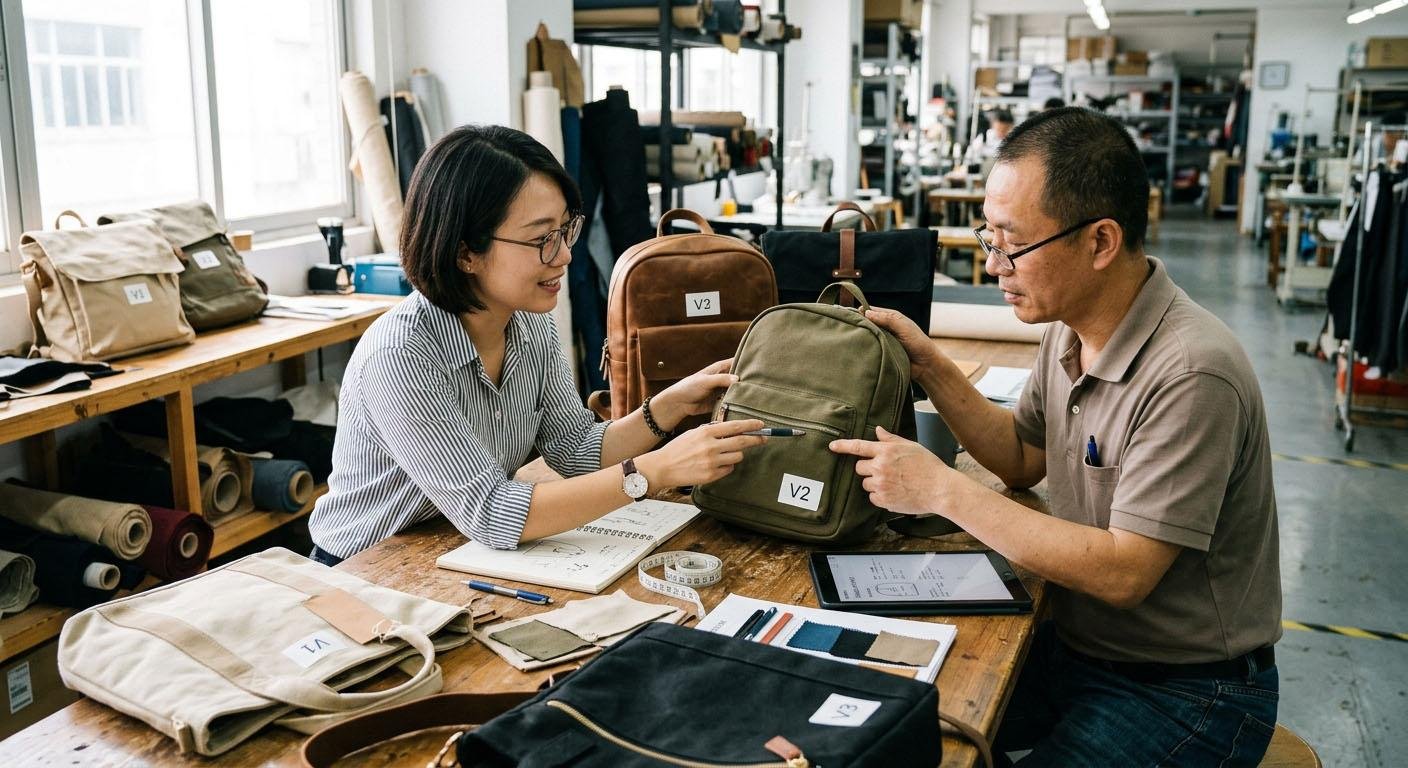
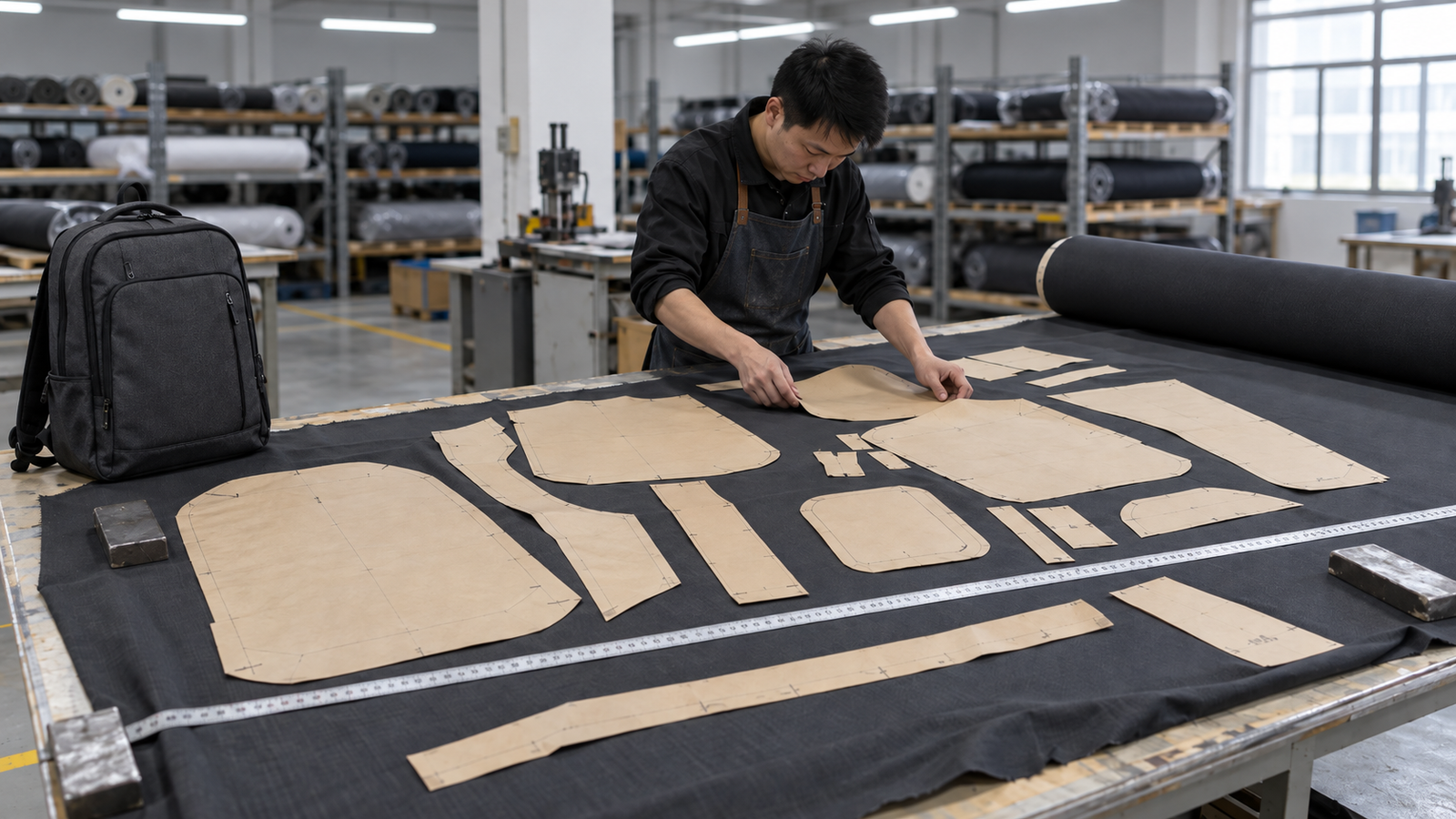
At Osgoodway, we specialize in creating high-quality backpacks that combine style with practicality. Whether you’re looking for an OEM or ODM solution for your brand, we’re here to help bring your designs to life.
Do you have any specific preferences or requirements when selecting a school backpack? Let me know—I’d love to help you find the ideal bag that suits your needs!